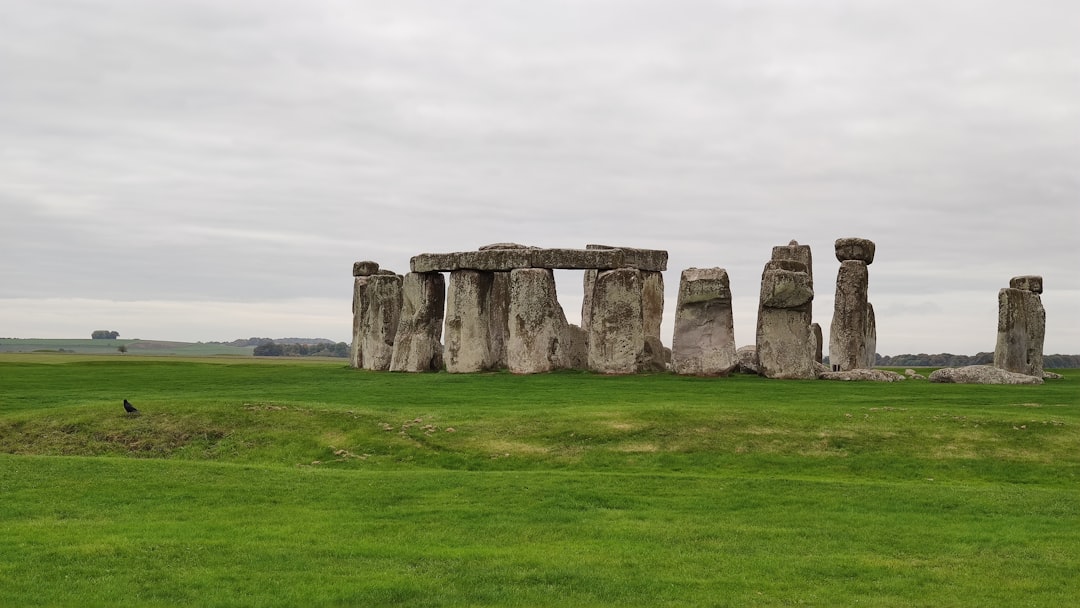
The earth, a silent witness to millennia of human endeavor, occasionally yields fragments of its forgotten past. Archaeologists, armed with trowels and an insatiable curiosity, unearth these vestiges, piecing together narratives that often raise more questions than they answer. These are the unsolved mysteries of archaeology, enigmas that shimmer on the edge of our understanding, challenging our perceptions of ancient civilizations and the very nature of human ingenuity. From colossal stone structures to cryptic inscriptions, these unearthed puzzles continue to captivate and confound, urging us to delve deeper into the silent language of the past.
The vast, arid plains of the Nazca Desert in southern Peru are etched with an astonishing collection of geoglyphs, massive designs etched into the earth. Created by the Nazca culture between 500 BCE and 500 CE, these intricate figures—ranging from hummingbirds and monkeys to abstract geometric shapes and long, straight lines—stretch for miles, visible in their entirety only from considerable heights. Their sheer scale and precision have fueled a persistent debate about their purpose and the methods employed in their creation.
The Scale and Precision of the Art
The Nazca Lines are not merely scratches on the surface; they are deliberate and monumental works of art. The lines themselves are created by removing the reddish-brown pebbles that cover the desert floor, exposing the lighter soil beneath. The consistency of the trench width and depth, often just a few inches, across thousands of feet is remarkable. The geometric figures are often perfectly straight, with no discernible deviation, and the animal figures, while sometimes stylized, possess a clear artistic intent and surprising accuracy in their proportions. This level of precision, particularly with the complex curves and interconnected lines, begs the question: how did they achieve such masterful execution without aerial vantage points during their creation?
Astronomical Alignments and Ritual Pathways
One of the most compelling theories suggests an astronomical purpose. Many of the geoglyphs align with celestial events, such as solstices and equinoxes, and may have served as a colossal calendar or observatory. The “Spider” figure, for instance, is believed by some to be related to the constellation Orion. The long, straight lines, some exceeding miles in length, have also been interpreted as ritualistic pathways, trodden by processions during ancient ceremonies. The sheer volume of labor required to create these lines, coupled with their precise alignments, points towards a society with a profound understanding of astronomy and a strong spiritual or ritualistic imperative.
The “Out of Place Artifact” Argument
However, the sheer grandeur and perceived technological sophistication of the Nazca Lines have led some to propose more unconventional explanations. The “ancient astronaut” theory, for example, posits that extraterrestrial beings provided the Nazca people with the knowledge and means to create these geoglyphs, perhaps as landing strips or communication devices. While widely dismissed by the mainstream archaeological community, these theories highlight the profound sense of wonder and mystery these ancient creations evoke, questioning the limits of what we assume ancient peoples could achieve.
The Purpose of the Lines: Worship, Water, or Warning?
The persistent question remains: why were they made? Were they offerings to deities, perhaps to appease gods of wind and rain in a harsh environment? Were they a sophisticated water management system, guiding scarce resources or indicating underground water sources? Or were they a form of territorial marking or even a warning to outsiders? The lack of definitive evidence, such as inscriptions or contemporary accounts detailing their purpose, leaves these questions open to interpretation and continued research.
The Absence of Definitive Evidence
Despite extensive excavation and analysis, no definitive evidence has been found to conclusively explain the function of the Nazca Lines. There are no associated structures that clearly indicate astronomical observation points, nor are there any written records from the Nazca culture itself, as they did not develop a written language. This reliance on interpretation of the geoglyphs themselves, coupled with their vast scale, creates a vacuum that imagination and speculation readily fill.
Ongoing Research and New Technologies
Modern archaeological techniques, including LIDAR (Light Detection and Ranging), are offering new insights. LIDAR can penetrate dense vegetation and map underground features, potentially revealing hidden structures or water channels associated with the lines. These advancements may, in time, shed more light on the motivations and methods of the Nazca people, bringing us closer to unraveling the secrets of these desert etchings.
One intriguing aspect of unsolved archaeology mysteries is the impact of ancient diseases on past civilizations. A related article that delves into this topic is “The Silent Plague: Ancient Microbial Bloom,” which explores how ancient microbial outbreaks may have influenced societal development and collapse. To read more about this fascinating subject, visit the article here: The Silent Plague: Ancient Microbial Bloom.
The Puma Punku Complex: A Technologically Advanced Anomaly?
High in the Bolivian Andes, at an altitude of nearly 13,000 feet, lies Puma Punku, a sprawling archaeological site characterized by its precisely cut and ingeniously fitted stone blocks. Part of the larger Tiwanaku civilization, dating back to around 500-1000 CE, Puma Punku is renowned for its H-shaped stone blocks, featuring perfect right angles and intricate interlocking mechanisms that appear to defy the stone-cutting technologies typically associated with the era.
The Precision of the Stone Masonry
The most striking aspect of Puma Punku is its stone masonry. The blocks are T-shaped or H-shaped, with perfectly parallel cuts and smooth, polished surfaces. Many are interlocked using a complex mortise and tenon system, fitting together so precisely that not even a razor blade can be inserted between them. The sheer weight of these stones, some weighing over 100 tons, and the accuracy of their shaping, particularly the sharp corners and precise grooves, have led many to question how they were quarried, transported, and manipulated with the tools available to the Tiwanaku people.
The “Impossible” Cuts and Drilled Holes
Further deepening the mystery are the extremely precise and uniform drill holes found on many of the stones. These holes, often in perfect geometric patterns, and the perfectly straight, razor-sharp edges of the stones have led some to suggest the use of advanced tools, perhaps even modern cutting and drilling technology. The uniformity and precision of these features are difficult to explain with the known copper or bronze tools believed to have been available to the Tiwanaku.
The “Machining” Argument
This leads to the “ancient alien” hypothesis, suggesting that these stones were either manufactured by extraterrestrial visitors or that the Tiwanaku people possessed advanced technological knowledge, perhaps derived from such contact. The argument is that the complex shapes and precise cuts demonstrate a level of precision and complexity that surpasses what is believed to have been achievable with the rudimentary tools of the time.
The Purpose of Puma Punku: Temple, Observatory, or Something Else?
While its exact purpose remains unknown, Puma Punku is widely believed to have been a temple or ceremonial complex. Its elevated location and the monumental nature of its construction suggest a significant religious or political function. However, the unique architectural style and the challenges in explaining its construction have led to a spectrum of theories, from astronomical observatories to advanced water management systems.
Astronomical Alignments and Gateways to the Divine
Some researchers suggest that the site was designed with astronomical alignments, similar to other ancient megalithic structures. The orientation of certain features might correspond to solstices or equinoxes, hinting at a role in celestial observation and ritual. The Gateway of the Sun, though a separate structure, is part of the broader Tiwanaku complex and features intricate carvings that some interpret as cosmic maps or representations of deities.
The Absence of Written Records and Cultural Continuity
As with many ancient cultures, the Tiwanaku left no written records to explain their architectural achievements. The eventual decline of the Tiwanaku civilization and the subsequent occupations of the region by other groups mean that oral traditions or historical accounts that might have shed light on Puma Punku’s construction or purpose have been lost. This absence of direct information fuels the ongoing debate and interpretation.
The Voynich Manuscript: A Cipher Beyond Comprehension?
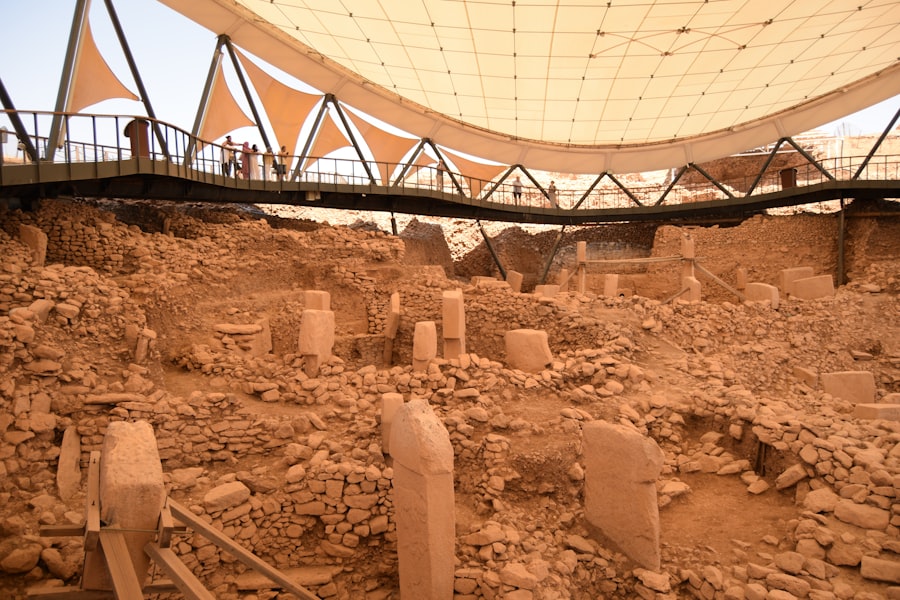
The Voynich Manuscript, a codex of some 240 vellum pages, is a tantalizing enigma that has baffled cryptographers, linguists, and historians for centuries. Carbon-dated to the early 15th century, the manuscript is filled with bizarre illustrations of plants, astronomical diagrams, and bathing figures, all accompanied by text written in an unknown script and an undocumented language.
The Unintelligible Script and Language
The Voynich script is unlike any known alphabet. It consists of flowing lines and peculiar symbols that do not resemble any recognized writing system. Its apparent internal consistency, with recurring word structures and patterns, suggests it is not random gibberish but rather a deliberate system of notation. Yet, despite decades of intense study by some of the world’s brightest minds, its meaning remains stubbornly elusive.
Attempts at Decipherment: Successes and Failures
Numerous attempts have been made to decipher the Voynich Manuscript, employing various linguistic and cryptographic techniques. Some have claimed partial breakthroughs, identifying potential phonetic or thematic elements, but no complete decipherment has ever been widely accepted. The lack of any known context or parallel text makes the task exceptionally difficult.
The Possibility of a Lost Language or Code
One prevailing theory is that the manuscript represents a lost language, perhaps an obscure dialect or a constructed language. Another possibility is that it is a sophisticated cipher, employing a complex substitution or transposition method that has yet to be cracked. The sheer effort involved in producing such a detailed and extensive document suggests a purpose of significant importance to its creator(s).
The Bizarre Illustrations: Botany, Astrology, and Biology
The manuscript’s illustrations are as perplexing as its text. They depict plants that do not resemble any known species, elaborate astrological charts with unfamiliar constellations, and strange, often nude, figures bathing in interconnected systems of pipes and pools. These illustrations are meticulously drawn but their meaning and connection to the text are unclear, adding another layer of mystery to the document.
The “Herbal” Section: Fictional Flora?
The section of the manuscript dedicated to plants is particularly intriguing. Many of the depicted flora have anatomically impossible features, such as leaves that grow from roots or flowers that merge with stems. This has led some to believe that the illustrations are not of real plants but rather symbolic representations or entirely fictional creations.
The “Astronomical” and “Biological” Sections: Alien Worlds?
The astronomical diagrams are equally confounding, featuring stellar maps that do not correspond to known celestial arrangements. The “biological” section, with its depictions of bathing rituals, has also defied easy categorization, prompting speculation about ancient medical practices, alchemical processes, or even extraterrestrial origins.
The Antikythera Mechanism: A Prehistoric Computer?
Discovered in 1901 by sponge divers off the coast of the Greek island of Antikythera, the Antikythera Mechanism is a remarkably complex ancient Greek artifact, dating back to the 2nd century BCE. This intricate device, composed of at least 30 interlocking bronze gears, astonished researchers with its sophistication, revealing a level of technological understanding previously thought to be impossible for that era.
The Intricacy of the Gears and Dials
The Antikythera Mechanism is essentially an analog computer. It was used to predict astronomical positions and eclipses decades in advance, and also to keep track of the four-year cycle of athletic games such as the Olympics. The delicate bronze gears, some as small as a fingernail, are arranged in a precise and complex manner, replicating the movements of the sun, moon, and planets.
Astronomical Predictions and Calendrical Functions
The mechanism’s primary function was to model celestial movements. It could track the position of the sun and moon in the zodiac, predict lunar phases, and forecast solar and lunar eclipses with remarkable accuracy. It also accounted for the irregular orbit of the moon, a feat of astronomical calculation that was not replicated in astronomical devices in Europe until the 14th century CE.
The “Sophistication Gap”
The existence of such a sophisticated device so far in advance of its technological context has led to discussions about a “sophistication gap.” It suggests that the ancient Greeks possessed a far greater understanding of mechanics and astronomy than previously attributed to them, challenging conventional timelines of technological development.
The Origins and Builders: A Lost Legacy?
The precise origin and builders of the Antikythera Mechanism remain a mystery. While its construction and style point to the Hellenistic period, specific details about its creators are absent. Was it a singular achievement, or representative of a wider, lost tradition of complex mechanical engineering in the ancient world?
The Shipwreck Context: Trade or Treasure?
The mechanism was found in a shipwreck, raising questions about its purpose in that context. Was it a valuable trade item, destined for a distant land? Was it a piece of scientific equipment belonging to a scholar or astronomer on board? The ship’s cargo, which included other valuable artifacts, suggests it was a merchant vessel, but the exact significance of the mechanism within that context is unclear.
The Search for Similar Artifacts
The Antikythera Mechanism is, thus far, a unique find. The absence of any other comparable artifacts from the ancient world makes it difficult to establish whether its sophistication was an isolated marvel or part of a broader, yet undiscovered, technological heritage. Ongoing research into similar ancient sites and an ever-improving understanding of ancient technologies may yet unearth clues.
Unsolved archaeology mysteries continue to captivate the imagination of researchers and enthusiasts alike, as they delve into the secrets of our past. One intriguing aspect of this field is the exploration of ancient knowledge related to Earth’s polar regions. For a deeper understanding of how ancient civilizations may have interacted with these environments, you can read more in this fascinating article about uncovering ancient wisdom. This connection highlights the ongoing quest to piece together the puzzle of human history and the mysteries that still remain.
The Indus Valley Civilization: A Vanished Urban Society
| Archaeological Mystery | Location | Description |
|---|---|---|
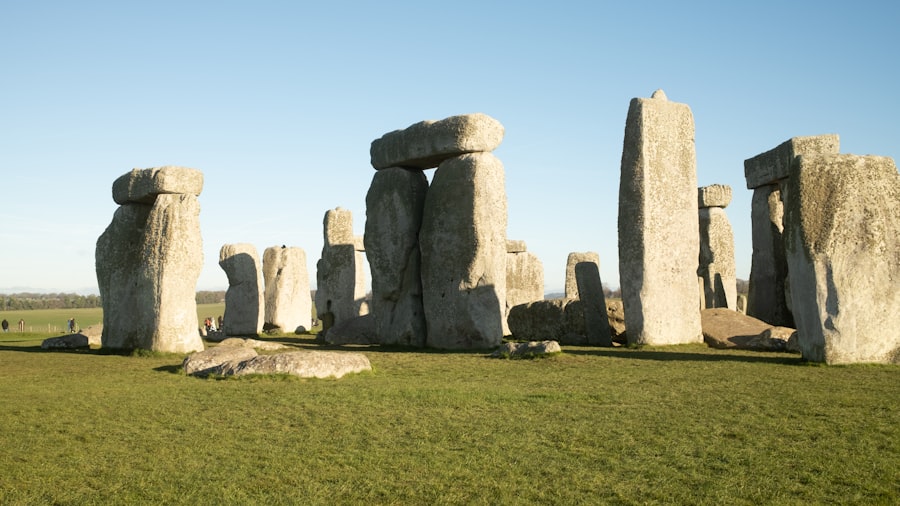
| Stonehenge | England | A prehistoric monument consisting of a ring of standing stones, with each stone around 13 feet high, 7 feet wide and weighing around 25 tons. |
| Nazca Lines | Peru | Geoglyphs etched into the desert sands, depicting various animals, plants, and shapes, with their purpose still unknown. |
| Lost City of Atlantis | Unknown | A legendary island city that supposedly sank into the ocean, with its existence and location still a mystery. |
| Voynich Manuscript | Unknown | An ancient, undeciphered manuscript filled with illustrations and text in an unknown writing system. |
The Indus Valley Civilization, also known as the Harappan Civilization, flourished in the Indus River basin in what is now Pakistan and northwestern India between 2600 and 1900 BCE. This remarkably advanced civilization developed sophisticated urban centers, with meticulously planned cities, advanced sanitation systems, and a unique script that remains undeciphered to this day.
The Planned Cities and Urban Sophistication
Cities like Mohenjo-daro and Harappa were characterized by their grid-like street layouts, advanced drainage and sewage systems, and the use of standardized bricks. The Great Bath at Mohenjo-daro, a large public bathing area, and the complex water management systems point to a high degree of civic planning and engineering prowess. Such urban planning was unparalleled in the ancient world at its time.
Advanced Sanitation and Water Management
The Indus people were masters of water management. They built elaborate wells, cisterns, and elaborate sewer systems that connected individual homes to much larger conduits. This level of sanitation and public health infrastructure was far ahead of its time and far more advanced than that of contemporary civilizations like Mesopotamia or Egypt.
The Decline and Disappearance: A Gradual Fading or Cataclysm?
The most perplexing mystery of the Indus Valley Civilization is its decline. Around 1900 BCE, the civilization began to wane, and within a few centuries, its great cities were abandoned. The reasons for this collapse are still debated, with theories ranging from a shift in river courses, leading to drought and agricultural failure, to climate change, devastating floods, or even invasions by Indo-Aryan peoples.
The Undeciphered Script: A Window to a Lost World
The Indus script, found on seals, pottery, and other artifacts, is a significant barrier to understanding this civilization. It is a logographic or syllabic script, with each symbol representing a word or syllable. Despite numerous attempts, no Rosetta Stone equivalent has been found, and the script remains largely indecipherable.
The Lack of Monumental Architecture and Royal Palaces
Unlike other ancient civilizations of comparable scale, the Indus Valley Civilization did not leave behind monumental temples or grand royal palaces. This absence has led to speculation about their social and political structures, suggesting a more egalitarian society or one that did not emphasize monumental displays of power.
The Enigma of their Beliefs and Rituals
With an undeciphered script and a lack of clear religious structures, understanding the spiritual beliefs and rituals of the Indus people is incredibly challenging. Artifacts such as terracotta figurines, some possibly representing a mother goddess, and seals depicting figures in yogic poses, offer tantalizing hints, but concrete interpretations remain elusive.
Possible Deities and Ritual Practices
The interpretation of deities and rituals is largely speculative. Some scholars believe the presence of bull motifs suggests a link to fertility and strength, while the seals depicting figures in meditative postures might indicate early forms of yoga or spiritual practices. The Great Bath might have served a ritualistic purpose, beyond simple hygiene.
The Enduring Legacy of Lost Knowledge
The Indus Valley Civilization’s disappearance leaves a significant void in our understanding of early human history. Their advanced urban planning, sophisticated technology, and unique script represent a lost branch of human ingenuity, the full extent of which may never be entirely recovered. Their silent cities, unearthed from the sands of time, continue to whisper their unanswered questions to the modern world.
These unsolved archaeological mysteries are more than just historical footnotes; they are testaments to the boundless creativity and enduring questions of humanity. They remind us that the past is not a fully cataloged library, but a vast, unexplored territory, where each unearthed artifact holds the potential to rewrite our understanding of ourselves and our ancestors. The pursuit of these enigmas fuels ongoing research, pushing the boundaries of our knowledge and inspiring future generations of explorers to continue listening to the silent stories buried beneath our feet.

What Heated These Minerals? (The Abu Hureyra Mystery)
FAQs
What are some famous unsolved archaeology mysteries?
Some famous unsolved archaeology mysteries include the construction of Stonehenge, the purpose of the Nazca Lines in Peru, the disappearance of the Mayan civilization, the construction techniques of the ancient Egyptian pyramids, and the purpose of the Easter Island statues.
Why are these mysteries still unsolved?
These mysteries remain unsolved due to a lack of concrete evidence, conflicting theories, and the limitations of current archaeological technology. Additionally, some mysteries may have been intentionally obscured or lost to history over time.
What are some theories about these unsolved mysteries?
There are various theories about these unsolved mysteries, including extraterrestrial involvement in the construction of ancient structures, the use of advanced ancient technologies, and the influence of lost civilizations or cultures that have yet to be discovered.
How do archaeologists and researchers approach these unsolved mysteries?
Archaeologists and researchers approach these unsolved mysteries by conducting further excavations, utilizing advanced technologies such as LiDAR and ground-penetrating radar, and analyzing existing evidence to develop new theories and interpretations.
Are there any recent developments in solving these mysteries?
Recent developments in solving these mysteries include the use of satellite imagery to uncover new archaeological sites, advancements in DNA analysis to trace the origins of ancient civilizations, and interdisciplinary collaborations between archaeologists, geologists, and other scientific fields to gain new insights into these enigmas.