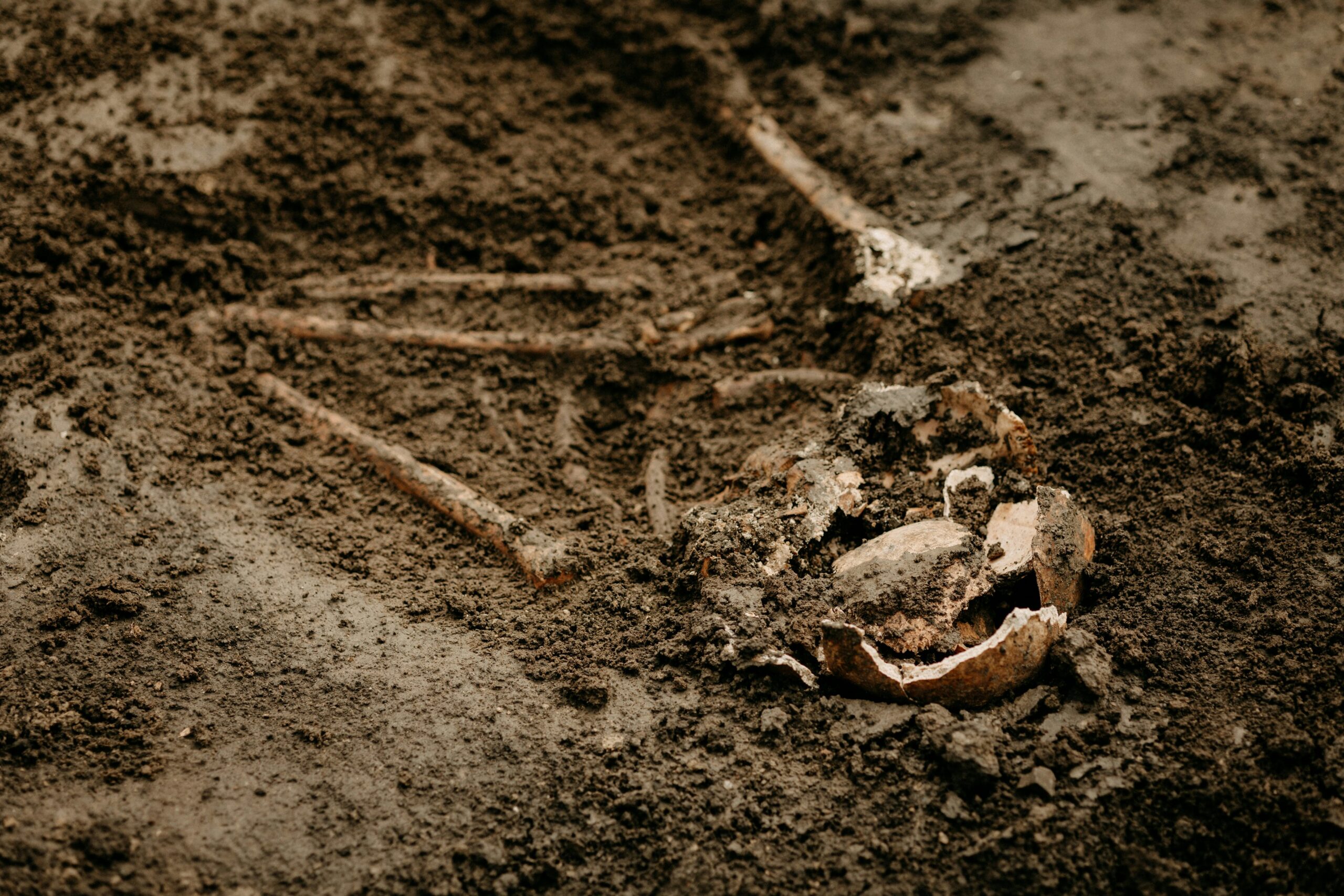
The dust motes danced in the shafts of light piercing the gloom, illuminating the painstaking work of an archaeological investigation. For Professor Eleanor Vance, a seasoned archaeologist with a career spanning three decades, each recovered shard of pottery, each meticulously brushed bone fragment, represented a whisper from the past, a clue in the ongoing grand narrative of human history. Her team, a blend of seasoned experts and eager graduate students, moved with a practiced synergy, their weathered hands and focused gazes testament to a shared passion for uncovering the secrets buried beneath layers of time. This particular excavation, nestled in a remote valley rumored to hold the remnants of a civilization lost to the ages, was proving to be one of the most profound and challenging of her career.
The journey to this remote site began not with a bang, but with a subtle shift in academic discourse. For years, fragmented historical accounts and local folklore had hinted at a settlement of significant size and complexity, one that predated known established cultures in the region. These whispers, often dismissed as myth, had captivated Professor Vance. She saw a pattern, a recurring motif in disparate ancient texts that pointed towards a shared origin, a forgotten nexus.
Unearthing the Anomalies: Persistent Clues
Professor Vance’s initial breakthrough came during a review of aerial survey data from a neighboring archaeological project. Hidden beneath a seemingly unassuming patch of scrubland, a peculiar geometric anomaly emerged. It wasn’t a natural geological formation. The regularity, the deliberate angles, suggested human intervention – a significant one. This discovery, coupled with translations of obscure cuneiform tablets that spoke of a “city of song” that vanished overnight, ignited the spark for a dedicated expedition.
- The Palimpsest of History: The concept of history as a palimpsest, a manuscript with layers of writing, where earlier texts are partially erased but still visible, was central to Professor Vance’s thinking. She believed that forgotten civilizations left faint imprints, waiting to be deciphered.
- Folklore as Fossilized Memory: The prevailing academic view often relegated folklore to superstition. Professor Vance, however, recognized its potential as a repository of collective memory, a distorted but enduring echo of past events.
- Technological Advancements: The advent of advanced remote sensing technologies, such as ground-penetrating radar and satellite imagery, provided the tools to sift through these faint imprints with unprecedented accuracy, confirming the existence of subterranean structures where none were previously apparent.
Securing the Mandate: From Hypothesis to Fieldwork
Translating her preliminary findings into a viable research proposal was a rigorous undertaking. Securing funding, navigating bureaucratic hurdles, and assembling a qualified team required immense dedication. The initial skepticism was palpable. Her hypothesis was bold, ambitious, and based on evidence that many deemed too speculative. However, Professor Vance’s unwavering conviction, backed by meticulous data and a compelling narrative, eventually won over the necessary archaeological bodies and funding committees.
- The Peer Review Gauntlet: The proposals faced intense scrutiny from established scholars. Professor Vance had to defend her interpretations, present alternative explanations, and articulate the potential significance of the site with irrefutable logic.
- Assembling the A-Team: The success of any archaeological endeavor hinges on its human capital. Professor Vance
meticulously selected specialists in various fields: paleoanthropologists, epigraphers, geologists, and conservators, each bringing a unique expertise to the table.
- The Ethical Imperative: Beyond the scientific pursuit, the ethical considerations of excavation were paramount. Professor Vance ensured that plans included provisions for artifact repatriation and cultural heritage preservation, demonstrating a commitment to responsible archaeology.
Archaeological investigations often uncover valuable insights into past civilizations and their responses to disasters, which can be further understood through the lens of modern governance. For instance, an interesting article discussing the U.S. government’s authority in declared disasters can provide context on how contemporary societies manage crises, paralleling how ancient cultures may have dealt with similar challenges. You can read more about this topic in the article titled “The U.S. Government’s Authority in Declared Disasters” at this link.
The Excavation Unveiled: Digging Through Time
The physical excavation was a journey into the earth’s embrace. Days bled into weeks, and weeks into months, as the team meticulously peeled back the layers of sediment, each stratum a chapter in the lost city’s story. The air, thick with the scent of dry earth and ancient stone, became their constant companion.
The Grand Entrance: A Monumental Discovery
The first tangible evidence of the lost civilization was a colossal stone archway, its surface intricately carved with symbols unlike any previously documented. Its sheer scale suggested a society with advanced engineering capabilities and a sophisticated understanding of aesthetics.
- An Unfamiliar Script: The carvings on the archway presented a monumental challenge. The script was unknown, defying immediate translation. The team brought in leading epigraphers, hoping for a breakthrough.
- Architectural Prowess: The construction of the archway, seemingly defying gravity with its massive lintel, spoke volumes about their architectural ingenuity. The techniques employed were not consistent with other known Bronze Age or Iron Age civilizations in the region.
- Symbolism and Meaning: The recurring motifs within the carvings – celestial bodies, serpentine figures, and geometric patterns – hinted at a rich cosmology and belief system. Deciphering these symbols became a key objective.
Tracing the Arteries: Unearthing the City’s Layout
As the dig progressed, the outline of a vast urban center began to emerge. Streets, plazas, and residential areas were painstakingly mapped, revealing a well-planned and organized society. The sheer scope of the settlement suggested a population far larger than initial estimates.
- Grid-Based Urban Planning: The discernible grid pattern of the streets indicated a deliberative approach to urban design, suggesting foresight and an understanding of efficient living. This level of planning was rare for the period.
- Public Architecture: The discovery of what appeared to be a central marketplace and large communal gathering spaces pointed towards a vibrant social and economic life. The presence of wells and sophisticated drainage systems further highlighted their engineering skills.
- Varied Dwellings: The residential areas exhibited a range of housing types, from modest single-family units to larger, more elaborate structures, suggesting a degree of social stratification.
The Heart of the Matter: The Central Temple Complex
At the city’s core, the team unearthed a sprawling temple complex, hinting at the spiritual and political heart of the civilization. The grandeur of this structure, with its towering walls and meticulously crafted inner chambers, suggested it was central to their societal organization.
- Ritualistic Artifacts: Within the temple complex, numerous artifacts associated with religious rituals were discovered, including altars, ceremonial vessels, and statuettes. These provided crucial insights into their spiritual practices.
- Celestial Alignments: Preliminary analysis revealed that the temple’s orientation and key architectural features were aligned with astronomical events, suggesting a deep connection between their religion and the cosmos.
- The Absence of Warfare: Notably, apart from defensive walls, there was an astonishing lack of evidence for widespread warfare or fortifications within the city itself, raising intriguing questions about their external relations.
Decoding the Whispers: Artifacts as Storytellers
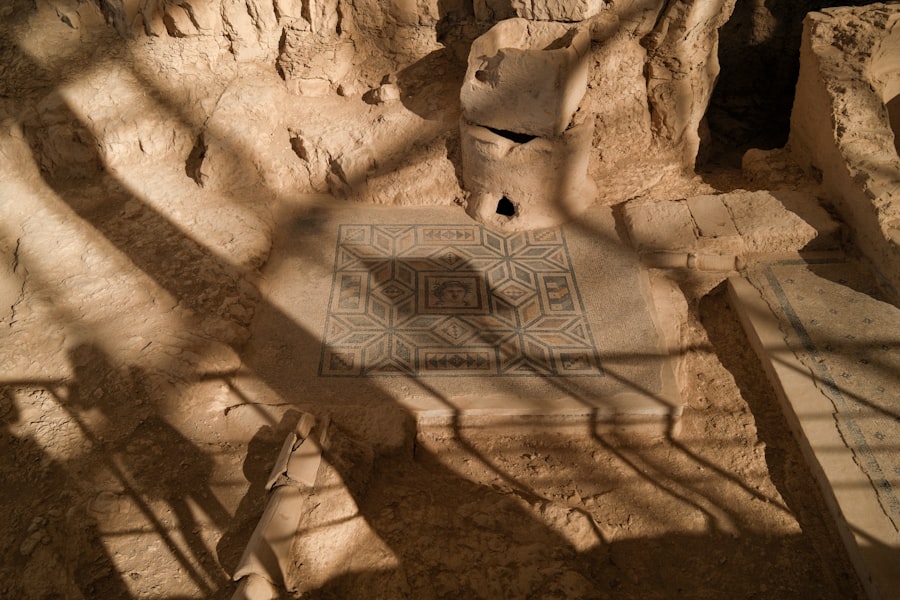
Each artifact, no matter how small, was a tangible piece of the past, a silent witness to the lives of the people who once inhabited this place. The careful cataloging and analysis of these objects formed the bedrock of understanding their culture, technology, and beliefs.
The Language of the Potter: Ceramics and Their Secrets
The majority of unearthed items were pottery fragments. While seemingly mundane, these shards were invaluable. Their designs, manufacturing techniques, and distribution patterns offered clues about trade, social status, and artistic expression.
- Stylistic Evolution: By comparing the styles of pottery found at different levels of excavation, the team could trace the evolution of artistic traditions and potentially establish a relative chronology for the site.
- Trade Networks: The presence of exotic clay types or decorative elements not native to the immediate region hinted at extensive trade networks, connecting this lost civilization with distant peoples.
- Functional Diversity: The variety of pottery forms – from simple utilitarian vessels to elaborately decorated ceremonial bowls – spoke to the diverse needs and activities of the inhabitants, from daily sustenance to ritualistic use.
Echoes of the Craft: Tools and Technology
The discovery of tools – agricultural implements, crafting instruments, and weapons – provided a window into the daily lives and technological sophistication of the ancient inhabitants. These objects spoke of their resourcefulness and ingenuity.
- Metallurgical Mastery: Evidence of advanced metalworking, including the presence of bronze and even early iron artifacts, demonstrated a sophisticated understanding of metallurgy, a significant technological achievement for its era.
- Agricultural Innovations: The discovery of specialized farming tools suggested advanced agricultural practices, potentially allowing for surplus food production and supporting a larger population.
- Artisan Skills: The intricate designs on some tools, alongside delicate bone and ivory carvings, pointed to highly skilled artisans capable of producing work of exceptional quality.
The Enigma of the Script: Written Records and Their Translation
Perhaps the most significant and challenging aspect of the investigation was the discovery of inscribed artifacts. Clay tablets, papyrus fragments, and inscribed seals held the key to understanding their language and history directly.
- The Rosetta Stone Analogue: The hope was for a bilingual inscription, a “Rosetta Stone” that would unlock the unknown script. While no such complete text was found, multiple fragments with repeating phrases and symbols offered tantalizing clues.
- Linguistic Puzzles: The decipherment process was painstakingly slow. Linguists worked tirelessly, comparing symbols, identifying potential phonetic values, and searching for cognates in known ancient languages.
- Precursors to Known Languages: Initial theories suggested that the script might be a precursor to, or have influenced, existing ancient languages, a hypothesis that, if proven, would rewrite linguistic history.
The Mystery of the Disappearance: Theories and Evidence
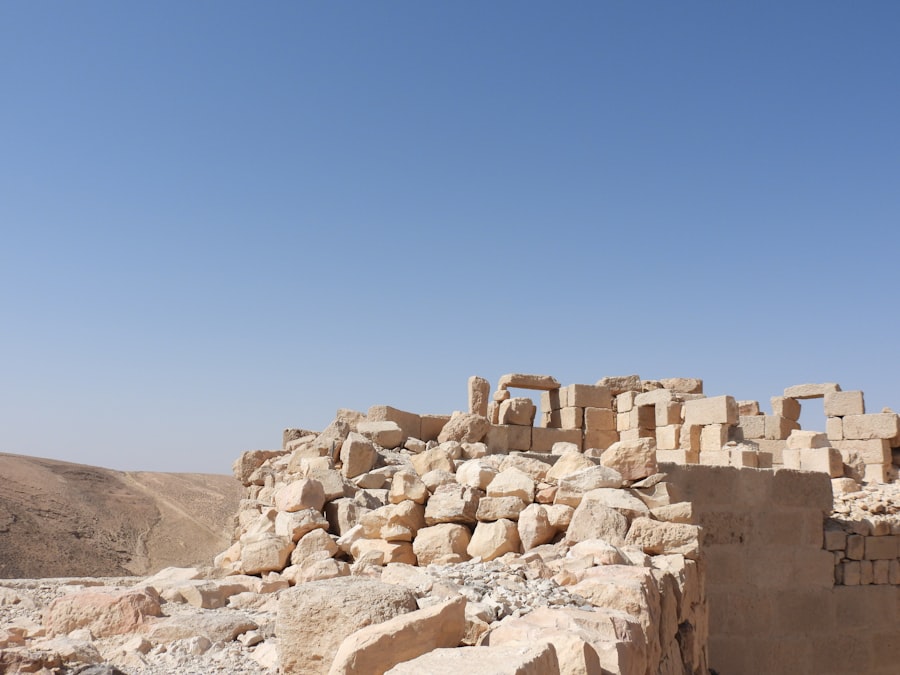
The overarching enigma of the site was not just its existence, but its apparent abandonment. There was no evidence of a violent conquest, no signs of a catastrophic natural disaster, just the silent, orderly departure of an entire civilization.
The Environmental Hypothesis: Shifting Sands of Time
One prominent theory centered on environmental changes. Shifts in climate, depletion of resources, or a prolonged drought could have rendered the region unsustainable.
- Paleoclimatic Reconstruction: Geological core samples and analysis of ancient pollen revealed significant climatic shifts in the region during the period of the city’s presumed abandonment, including evidence of prolonged drought cycles.
- Resource Depletion: Environmental impact assessments suggested that intensive agriculture and resource utilization, while initially supporting a large population, may have eventually led to soil degradation and water scarcity.
- Migration Patterns: The theory posited a gradual, organized migration, driven by environmental pressures, to more hospitable territories, leaving behind a perfectly preserved record.
The Societal Collapse Theory: Internal Strife and Exodus
Another hypothesis explored the possibility of internal societal factors, such as political instability, social unrest, or economic collapse, leading to a mass exodus.
- Evidence of Social Stratification: While the city was well-organized, the evident social stratification might have created tensions that, over time, became unsustainable.
- Trade Route Disruption: If the city’s prosperity was heavily reliant on specific trade routes, their disruption or collapse could have triggered economic hardship and prompted emigration.
- Cultural Shift: A radical change in belief systems or societal values could have led to a collective decision to abandon their established way of life and seek new horizons.
The Enigmatic Departure: A Quiet Emptiness
The most perplexing aspect was the apparent lack of organized resistance or hurried flight. The absence of widespread destruction, the preservation of everyday objects in situ, suggested a deliberate and, perhaps, even peaceful, departure.
- The “Empty City” Phenomenon: The phenomenon of an “empty city” – a settlement abandoned seemingly overnight without obvious cause – is a rare but documented occurrence in archaeological history, adding to the mystery.
- Ritualistic Abandonment: Some scholars proposed that the abandonment itself might have been a ritualistic act, a planned societal transition rather than a forced evacuation.
- Unforeseen Cataclysm (Subtle): While no obvious physical evidence of a cataclysm was found, the possibility of a subtle, swift, and pervasive event – perhaps a disease or a unique environmental phenomenon – cannot be entirely ruled out.
Recent archaeological investigations have uncovered fascinating insights into ancient civilizations, shedding light on their cultures and technologies. For those interested in the intersection of modern exploration and historical research, a related article discusses the United States Space Force’s lunar strategy and its implications for future exploration. You can read more about this intriguing topic in the article available at this link. Understanding how past societies approached their environments can provide valuable lessons as we venture into new frontiers.
Legacies and Future Explorations: The Ongoing Quest
| Site Name | Excavation Date | Artifacts Found | Depth of Excavation |
|---|---|---|---|
| Stonehenge | 2008-2014 | Stone tools, pottery | 3 meters |
| Pompeii | 1748-present | Frescoes, mosaics | 4 meters |
| Göbekli Tepe | 1995-present | Monolithic pillars, animal sculptures | 5 meters |
Professor Eleanor Vance and her team understood that this excavation was not an endpoint, but a new beginning. The mysteries uncovered, while profound, only deepened the questions, opening new avenues for research and interpretation.
The Scholarly Dialogue: Reinterpreting History’s Tapestry
The findings from this expedition were poised to reshape our understanding of ancient history. The existence of such a sophisticated, previously unknown civilization would necessitate a re-evaluation of established timelines and cultural interactions.
- Rewriting Textbooks: The established narratives of human migration, technological development, and cultural diffusion would need significant revision in light of this new evidence.
- Interdisciplinary Collaboration: The complexities of the site demanded ongoing collaboration between archaeologists, linguists, anthropologists, geneticists, and environmental scientists, fostering a new era of interdisciplinary research.
- Theories of Cultural Diffusion vs. Independent Development: The existence of this civilization would reignite debates about the extent of cultural diffusion versus independent development in ancient societies.
The Preservation Imperative: Safeguarding the Past for the Future
The responsibility of preserving this unparalleled archaeological site was paramount. The delicate balance between continued research and the safeguarding of fragile remains was a constant consideration.
- Conservation Strategies: The team implemented strict conservation protocols to protect artifacts from further deterioration, utilizing advanced imaging and environmental control technologies.
- Site Management: Long-term site management plans were established to prevent looting, environmental damage, and uncontrolled tourism, ensuring the site’s integrity for future generations.
- Ethical Considerations of Future Excavation: Any future excavation would be undertaken with the utmost ethical consideration, prioritizing minimal impact and maximum scientific gain.
The Unanswered Questions: A Horizon of Discovery
As the dust settled and the initial phase of excavation drew to a close, Professor Vance knew that the most exciting part of the journey was yet to come – the ongoing analysis, the protracted decipherment, and the relentless pursuit of answers to the many questions that had emerged like new constellations in the night sky. The lost city, silent for millennia, had finally begun to speak, and its voice echoed with stories yet to be fully understood, offering a humbling reminder of the vastness of human history and the enduring power of the unknown. The quest to uncover ancient mysteries was, in essence, the quest to understand ourselves.

What Heated These Minerals? (The Abu Hureyra Mystery)
FAQs
What is archaeology investigation?
Archaeology investigation is the study of past human cultures and societies through the analysis of material remains such as artifacts, structures, and environmental data.
What are the methods used in archaeology investigation?
Archaeologists use a variety of methods including excavation, surveying, dating techniques, and analysis of artifacts and ecofacts to understand past human behavior and societies.
What is the importance of archaeology investigation?
Archaeology investigation helps us understand the development of human societies, technological advancements, cultural practices, and the impact of environmental changes on past civilizations.
What are some famous archaeological discoveries?
Famous archaeological discoveries include the tomb of Tutankhamun in Egypt, the city of Pompeii in Italy, the Terracotta Army in China, and the ancient city of Machu Picchu in Peru.
How does archaeology investigation contribute to our understanding of history?
Archaeology investigation provides valuable insights into the daily lives, social structures, and belief systems of past societies, contributing to a more comprehensive understanding of human history.