High-temperature archaeology, a discipline at the nexus of geological processes and human ingenuity, offers a unique lens through which to understand ancient societies. It is a field that delves into the transformative power of heat, both natural and intentionally applied, to reveal hidden narratives etched into the very fabric of archaeological sites. From the scorching kilns of ancient potters to the dramatic infernos that reshaped landscapes, high-temperature archaeology unlocks secrets that stratigraphy and traditional excavation alone might miss. This article will explore the multifaceted nature of this specialized field, examining its methodologies, the wealth of information it provides, and its profound implications for our understanding of the human past.
Heat, in its various manifestations, leaves an indelible mark on the archaeological record. This imprint can range from subtle alterations in the chemical composition of materials to dramatic structural changes. Understanding these transformations is the bedrock of high-temperature archaeology. Natural geological processes, such as volcanic activity and wildfires, can fuse, vitrify, and char archaeological materials, creating unique contextual information. Human manipulation of heat, through activities like metallurgy, ceramic production, and even the controlled burning of settlements, likewise leaves distinct signatures.
Natural Transformations: Earth’s Reshaping Power
Geological events that involve extreme heat have played a significant role in preserving or altering archaeological evidence. Volcanic eruptions, for example, have the capacity to engulf entire settlements in ash and lava, effectively freeze-framing moments in time. The famous Italian city of Pompeii, preserved under volcanic ash from the eruption of Mount Vesuvius, is a prime example. While not strictly a “high-temperature” archaeology case in terms of intentional human application, the extreme heat of the eruption itself, and the subsequent pyroclastic flows, dramatically altered the site and preserved it for millennia. The intensity of these events can fuse soil and artifacts together, creating hardened matrices that resist erosion and provide a rich source of information about the conditions of the disaster.
Human Interventions: The Alchemy of Ancient Crafts
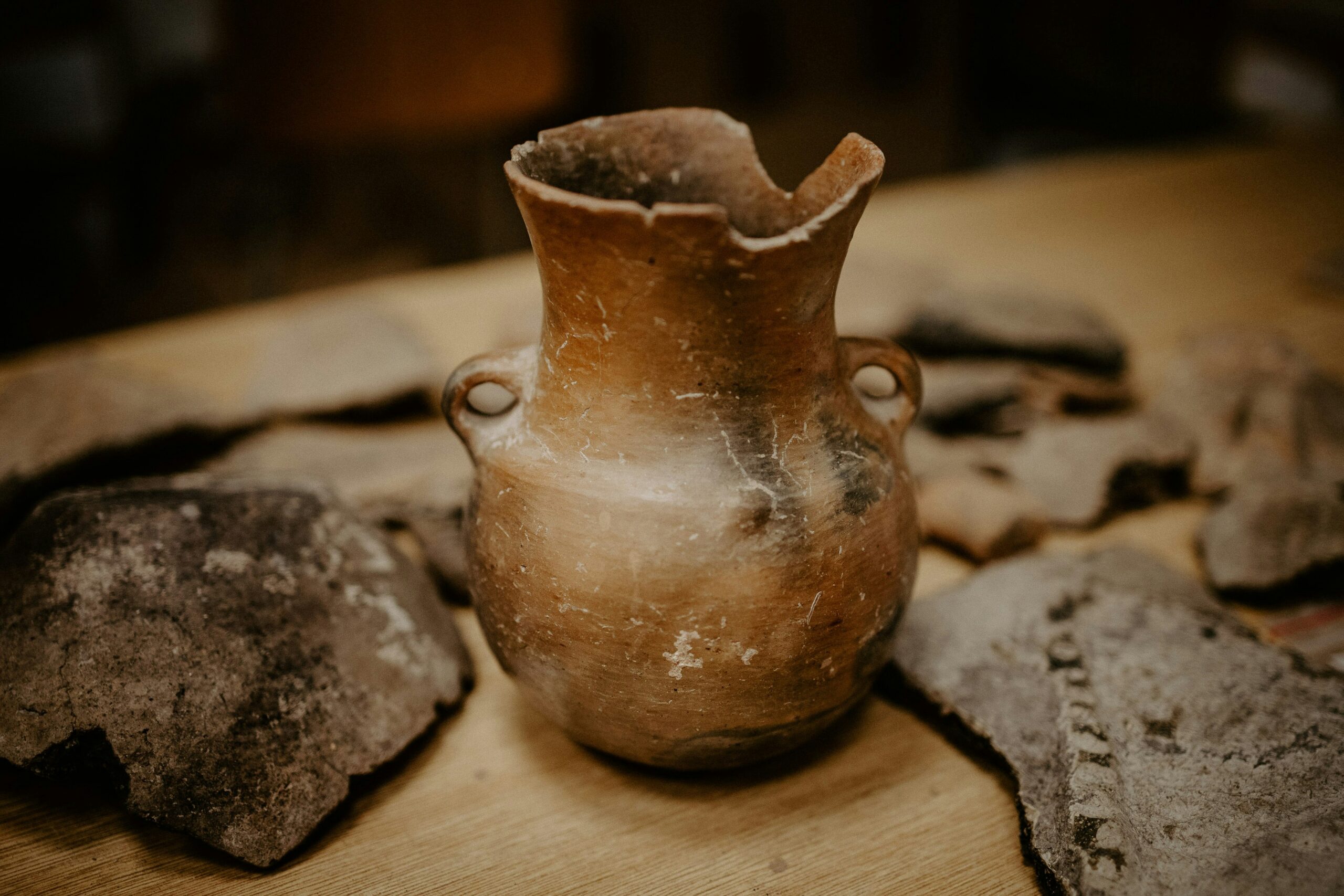
The intentional application of heat by ancient peoples has been fundamental to technological advancement. The development of pottery, for instance, revolutionized food storage, cooking, and artistic expression. The firing of clay transforms it from a malleable material into a durable, waterproof ceramic. The temperature achieved during this process, the duration of firing, and the atmospheric conditions (oxidizing or reducing) all influence the final properties and appearance of the ceramic. Similarly, the dawn of metallurgy, from the Copper Age to the Bronze and Iron Ages, was a direct result of humanity’s ability to harness and control high temperatures to extract and shape metals.
The Science of Alteration: Understanding Thermal Signatures
High-temperature archaeology relies heavily on scientific analysis to decipher the thermal signatures left on materials. Techniques such as thermoluminescence dating, for example, measure the accumulated radiation dose in crystalline minerals that have been heated. When subjected to heat, the crystal lattice of these minerals is reset. Over time, exposure to naturally occurring radioactive elements in the surrounding soil causes the lattice to accumulate defects, which store energy. This stored energy can be released as light when the material is reheated in a laboratory, allowing archaeologists to determine how long ago the material was last heated. This is particularly useful for dating pottery, bricks, and other fired materials.
Identifying Thermal Events: Petrographic and Chemical Analysis
Beyond dating, the physical and chemical changes induced by heat are crucial for identification. Petrographic analysis, the study of thin sections of rocks and ceramics under a microscope, can reveal microstructural changes. High temperatures can lead to the formation of new mineral phases, fusion of particles, and development of glassy textures (vitrification). Chemical analysis, using techniques like X-ray fluorescence (XRF) or energy-dispersive X-ray spectroscopy (EDS), can detect changes in elemental composition and isotopic ratios that are indicative of thermal alteration. For instance, the burning of organic materials within a soil matrix can lead to the formation of charcoal, which can be dated using radiocarbon methods, providing crucial chronological information about a fire event.
High temperature archaeology is a fascinating field that explores the effects of extreme heat on ancient artifacts and structures. For those interested in the broader implications of resource extraction and its impact on technology and archaeology, a related article discusses the economic potential of lunar helium-3, which could revolutionize energy production on Earth. You can read more about this intriguing topic in the article available at The Economic Value of Lunar Helium-3.
Furnaces of Innovation: Kilns, Smelters, and Hearths
The infrastructure developed by ancient societies to harness heat is a direct testament to their technological prowess and often reveals complex social organization. The study of these structures – kilns for pottery, furnaces for metal smelting, and even sophisticated hearths – provides insights into resource management, energy expenditure, and the organization of labor.
The Potter’s Art: Kilns as Catalysts of Culture
Ancient kilns are archaeological goldmines for understanding ceramic production. These structures, often built from earth, clay, and stone, were designed to reach and maintain specific high temperatures necessary for firing pottery. The design of a kiln – its size, shape, and ventilation system – reflects the technical knowledge of its builders and the type of wares they intended to produce. For example, updraft kilns, common in early periods, relied on rising hot air to heat the chamber, while downdraft kilns offered more control over temperature distribution. The analysis of residual materials within kilns, such as slag, ash, and unfired or overfired pottery shards, provides direct evidence of the firing process and the quality control practices of ancient potters.
The Alchemist’s Forge: Smelting and Metalworking Sites
The transition to the Metal Ages was marked by the development of sophisticated smelting and forging techniques. Archaeological sites associated with metallurgy are characterized by the presence of furnaces, crucibles, tuyeres (nozzles for blowing air), slag heaps, and metalworking tools. The study of these sites allows archaeologists to reconstruct the sequence of operations involved in metal extraction and production, from ore extraction to refining and casting. The chemical composition of slag, for instance, can reveal the type of ore used and the smelting temperatures achieved. The presence of different types of furnaces – such as bloomery furnaces for iron or reverberatory furnaces for copper and lead – indicates increasing technological sophistication and specialization.
Domestic Fires: Hearths as Centers of Community Life
While often less dramatic than kilns or smelters, domestic hearths are equally important archaeological features. They served as the central point for cooking, heating, and social gathering within ancient dwellings. Analysis of hearths can reveal dietary practices through the study of residual food remains, the types of fuel used, and the intensity and duration of use. Evidence of repeated use and repair can indicate the importance of a dwelling and the stability of its inhabitants. In some cases, hearths can be found within larger activity areas, suggesting communal cooking or craft production.
Burnt Offerings and Scorched Settlements: The Impact of Fire

Fire has been a double-edged sword throughout human history, a tool of creation and often a harbinger of destruction. High-temperature archaeology investigates both the deliberate use of fire for ritualistic purposes and the unintentional consequences of uncontrolled conflagrations.
Ritualistic Pyres: Fire in Ancient Belief Systems
Many ancient cultures incorporated fire into their religious and spiritual practices. Cremation, for example, was a common funerary rite in many societies, and the study of pyres provides insights into burial customs, social stratification, and beliefs about the afterlife. The analysis of cremated remains and the contexts in which they are found can reveal details about the age, sex, and even health of individuals. The materials used to fuel the pyre, such as specific types of wood or textiles, can also offer cultural information. Furthermore, the presence of intentionally burnt offerings at ritual sites, such as altars or ceremonial hearths, can illuminate the nature of ancient worship and the appeasement of deities.
The Apocalypse of Ash: Understanding Catastrophic Fires
Wildfires and deliberately set fires have profoundly impacted archaeological landscapes. Uncontrolled fires can completely obliterate settlements, leaving behind a layer of ash, charcoal, and vitrified debris. High-temperature archaeology helps interpret these events by analyzing the extent of burning, the types of materials affected, and the chronological sequence of destruction. For example, the presence of melted or fused building materials can indicate extreme temperatures, while the distribution of charcoal fragments can reveal the direction and intensity of the fire. The study of burned settlements can provide crucial information about periods of conflict, environmental catastrophes, or radical societal change.
Preserving the Past Through Destruction: The Paradox of Fire
Paradoxically, fire can also act as a preserver. As seen with Pompeii, extreme heat can sometimes create conditions that protect artifacts from decay. Charring can preserve organic materials that would otherwise decompose, such as wood, textiles, and even food remains. The high temperatures of a burning building, for instance, can carbonize these items, rendering them more resistant to environmental degradation. This preservation, while disruptive in its immediate aftermath, can yield invaluable insights for future archaeologists.
Beyond the Visible: Microscopic and Chemical Clues
The most profound revelations of high-temperature archaeology often lie beyond what can be seen with the naked eye. Microscopic and chemical analyses unlock the subtle changes that heat inflicts, providing detailed narratives of past events.
The Microscopic World: Reconstructing Thermal Histories
Under examination with a microscope, archaeologists can observe changes in the internal structure of materials that have been subjected to heat. For instance, in ceramics, high temperatures can cause changes in grain orientation, the formation of micro-cracks, and the development of glassy phases within the clay matrix. These microstructural alterations can provide clues about the firing temperature, the cooling rate, and the presence of specific additives or impurities in the original material. Similarly, in soils and sediments, burning can alter the structure of clay minerals, the aggregation of soil particles, and the distribution of organic matter.
Elemental Signatures: Chemical Fingerprints of Heat
The chemical composition of artifacts and sediments can also reveal their thermal history. High-temperature processes can cause volatilization and migration of certain elements, leading to changes in elemental concentrations. For example, in metallurgy, the smelting process can remove specific elements from the ore, leaving behind a characteristic slag composition. In ceramics, the firing process can affect the oxidation states of elements like iron, leading to changes in color and magnetic properties. Advanced analytical techniques, such as inductively coupled plasma mass spectrometry (ICP-MS), can detect minute changes in isotopic ratios, which can be indicative of high-temperature processes or specific environmental conditions.
Dating with Light: The Power of Thermoluminescence
Thermoluminescence (TL) dating is a cornerstone technique in high-temperature archaeology. As discussed earlier, it leverages the phenomenon of trapped charge carriers in crystalline materials that have been subjected to heat. When these materials are reheated in a controlled laboratory setting, they emit light, the intensity of which is proportional to the total accumulated radiation dose since their last heating event. This allows archaeologists to assign absolute dates to artifacts like pottery, bricks, and fired stones, providing crucial chronological anchors for sites and cultural sequences.
High temperature archaeology offers fascinating insights into ancient civilizations and their adaptations to extreme environments. For those interested in understanding how societies manage resources during crises, a related article discusses strategies for safeguarding assets during economic instability. You can read more about these protective measures in the article titled Safe Havens: Protecting Your Assets During a Currency Crisis, which highlights the importance of resilience in both past and present contexts.
The Future of Fire: Advancing Techniques and New Discoveries
| Site | Location | High Temperature Findings |
|---|---|---|
| Pompeii | Italy | Artifacts preserved by volcanic ash and high temperatures |
| Chaco Canyon | New Mexico, USA | High temperature impact on ancient structures and pottery |
| Mohenjo-daro | Pakistan | Evidence of high temperature events in ancient city ruins |
As technology continues to advance, the methods and applications of high-temperature archaeology are constantly evolving, promising even deeper insights into our past.
High-Resolution Imaging: Peering into the Microstructure
New imaging techniques are revolutionizing the study of thermally altered materials. Electron microscopy, for example, provides incredibly high-resolution images of microstructures, allowing for detailed analysis of crystallographic changes, phase transformations, and the effects of heat on material interfaces. X-ray computed tomography (CT scanning) offers non-destructive 3D imaging of internal structures, enabling detailed examination of furnaces, kilns, and even the internal composition of artifacts without the need for destructive sampling.
Advanced Chemical and Isotopic Analysis: Unveiling Complex Provenance and Processes
The sophistication of chemical analysis continues to grow, allowing for the precise measurement of trace elements and stable isotopes. These advanced techniques can help reconstruct the provenance of raw materials used in high-temperature processes, shedding light on trade networks and resource exploitation. Isotopic analysis can also provide insights into the environmental conditions under which materials were fired or melted, such as atmospheric composition and temperature fluctuations.
Computational Modeling: Simulating Ancient Thermal Events
Computational modeling is becoming an increasingly valuable tool in high-temperature archaeology. By simulating natural and human-induced thermal events, archaeologists can better understand the processes involved in the formation and alteration of the archaeological record. For instance, computer models can simulate the heat transfer within ancient kilns, predict the temperature distribution in a burning building, or reconstruct the dynamics of a volcanic eruption. This not only aids in the interpretation of existing evidence but can also help guide future excavations and research questions.
Interdisciplinary Collaboration: Bridging Gaps in Knowledge
The future of high-temperature archaeology lies in strengthened interdisciplinary collaboration. By working closely with geologists, materials scientists, chemists, and physicists, archaeologists can unlock new avenues of research and gain a more holistic understanding of the complex interactions between heat, materials, and human activity. This collaborative approach is essential for tackling the most challenging questions about our ancient past.
In conclusion, high-temperature archaeology is a vital and dynamic sub-discipline that continues to push the boundaries of our understanding of human history. By focusing on the transformative power of heat, both natural and intentional, it uncovers layers of information that would otherwise remain hidden. From the intimate details of domestic life illuminated by hearths to the grand narratives of technological innovation revealed by kilns and forges, the fiery imprint on the archaeological record offers a compelling glimpse into the ingenuity, resilience, and enduring legacy of our ancestors. As new technologies emerge and collaborations deepen, the field is poised to reveal even more astonishing secrets, further enriching our appreciation of the human journey through time.

What Heated These Minerals? (The Abu Hureyra Mystery)
FAQs
What is high temperature archaeology?
High temperature archaeology is a subfield of archaeology that focuses on the study of artifacts and sites that have been exposed to extreme heat, such as those affected by volcanic eruptions, wildfires, or industrial processes.
What are some examples of high temperature archaeological sites?
Examples of high temperature archaeological sites include the ruins of Pompeii and Herculaneum, which were preserved by the eruption of Mount Vesuvius in 79 AD, as well as sites affected by wildfires or industrial activities.
How does high temperature affect artifacts and sites?
High temperatures can have a range of effects on artifacts and sites, including altering the physical and chemical properties of materials, causing them to become fused or melted, and preserving organic materials through charring or carbonization.
What techniques are used in high temperature archaeology?
Techniques used in high temperature archaeology include the analysis of charred or carbonized remains, the study of fused or melted artifacts, and the use of scientific methods such as radiocarbon dating and microscopy to understand the effects of high temperatures on materials.
What can high temperature archaeology tell us about the past?
High temperature archaeology can provide insights into past natural and human-induced disasters, technological processes, and the ways in which ancient societies adapted to and coped with extreme heat events. It can also shed light on the preservation and destruction of materials over time.