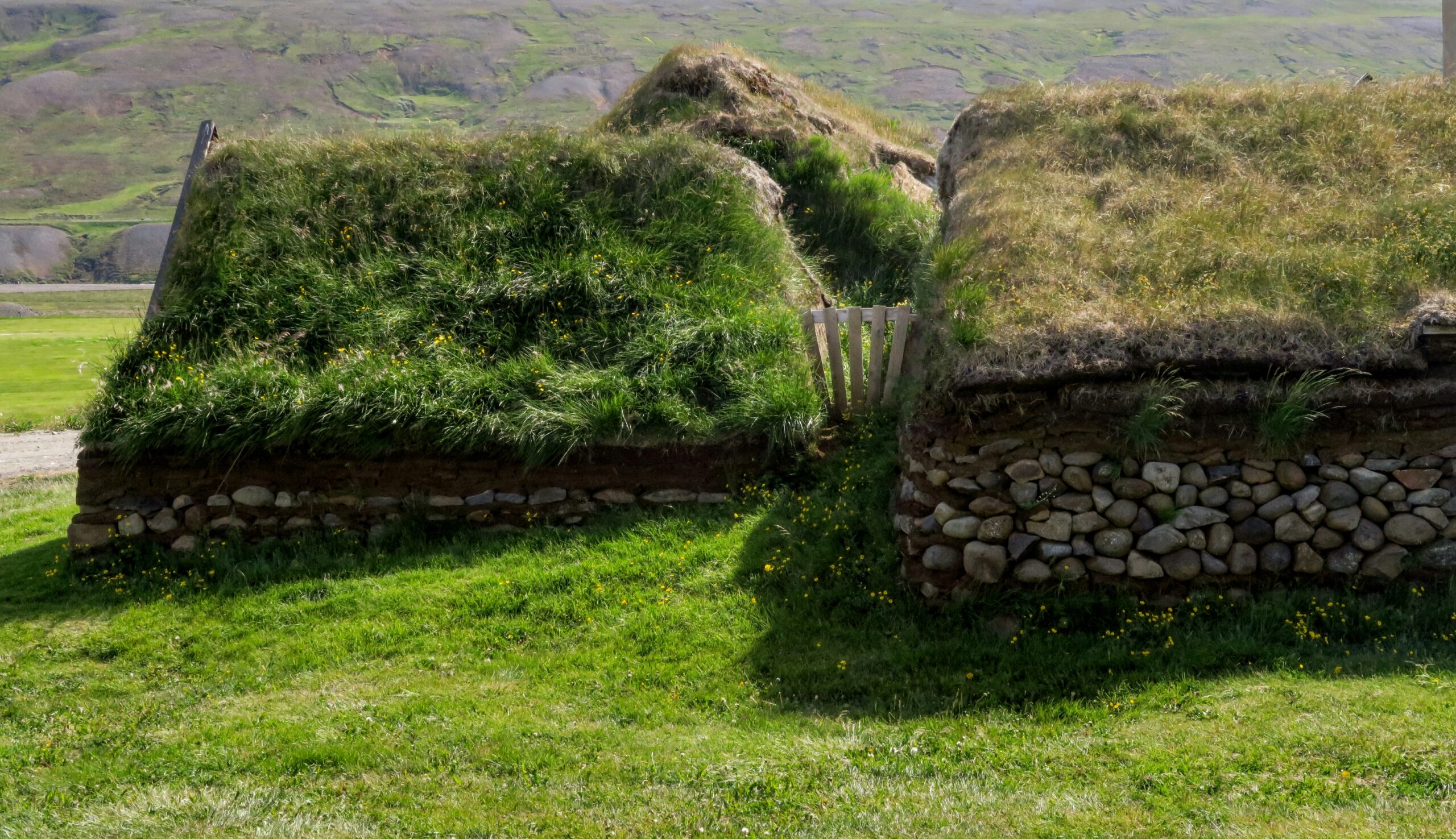
The whispers of the past had always been present in the rolling hills, a muted hum beneath the rustle of leaves and the bleating of sheep. But for Dr. Eleanor Vance, a seasoned archaeologist with an insatiable curiosity for human origins, these whispers had begun to coalesce into a distinct signal. Her attention had been drawn to a peculiar cluster of unusually shaped earthworks, barely discernible from the natural contours of the landscape, near the remote village of Ashworth. Local folklore spoke of “ancient hearths” and “fallen stones,” tales dismissed as the ramblings of isolated communities. Yet, Eleanor’s intuition, honed by decades of meticulous excavation and analysis, insisted there was more. This was not just a collection of random geological features; this was the potential key to unlocking a significant enigma of the Stone Age.
The initial survey of the Ashworth site was born out of a tangential research project. Eleanor had been studying the migratory patterns of early hominids across Europe, and a chance encounter with an amateur historian from Ashworth had brought the strangely shaped mounds to her attention. The historian, a Mr. Silas Croft, possessed an uncanny knowledge of local lore, his family having resided in the valley for generations. He spoke of an old well, now choked with brambles, that lay at the center of the most prominent mound, and of strangely smooth stones – unlike any found naturally in the immediate vicinity – that had occasionally surfaced after heavy rains.
Eleanor, initially skeptical, agreed to a preliminary visit. Armed with ground-penetrating radar and a keen eye for subtle disturbances in the soil, she arrived on a crisp autumn morning. The landscape was deceptively serene, the undulating hills a tapestry of greens and golds. Yet, as her equipment hummed to life, the readings began to paint an unexpected picture. Beneath the seemingly innocent surface, the radar revealed a complex network of buried structures, far too organized and regular to be the result of natural processes. The “peculiar cluster of unusually shaped earthworks” was, in fact, the overgrown remnants of something far more deliberate.
The Allure of the Elusive Mounds
The mounds themselves were the first puzzle. They weren’t simple burial mounds or natural geological formations. Instead, they were arranged in a deliberate semi-circle, with a clear central depression. Their sizes varied, suggesting a purposeful design rather than accidental accumulation. The soil composition within the mounds also differed from the surrounding terrain, hinting at imported materials. This anomaly immediately elevated the site from a point of minor interest to a potential archaeological hotspot.
Ground-Penetrating Radar: Revealing the Hidden
The true breakthrough came with the ground-penetrating radar (GPR). The GPR scans revealed distinct linear features beneath the largest mound – walls, perhaps? – and a circular anomaly at the very center, consistent with Mr. Croft’s description of an ancient well. Other scattered, denser readings suggested the presence of large, buried stones, a detail echoed in the local tales. The implications were immense: these were not just isolated artifacts; this was the imprint of a structured settlement, buried by millennia of soil and vegetation.
The recent discoveries surrounding the Stone Age village mystery have sparked significant interest in the archaeological community, drawing parallels to other ancient enigmas. One such intriguing case is the alignment of the Giza pyramids, which has puzzled researchers for centuries. For a deeper understanding of this fascinating topic, you can read more in the article about the Giza pyramid alignment mystery at this link.
Excavation Begins: Unearthing the Foundations of a Lost Community
With funding secured and a dedicated team assembled, the excavation of the Ashworth site commenced in the spring. The air crackled with anticipation as the first layers of soil were carefully removed. The initial findings were both painstaking and exhilarating, each shovel-full of earth a potential revelation. The team worked with methodical precision, documenting every artifact, every structural element, and every change in soil stratigraphy.
The Central Hearth: The Heart of the Village
The most significant initial discovery was the central hearth, located within the circular anomaly revealed by the GPR. It was not a simple pit of ash and charcoal, but a carefully constructed ring of fire-hardened stones. Within this ring, a rich deposit of charcoal and burnt bone fragments confirmed its long-term use as a communal cooking and heating area. Radiocarbon dating of the charcoal samples would later provide a tantalizing glimpse into the antiquity of the site.
The Mysterious Smooth Stones
The “fallen stones” whispered about by the villagers began to emerge from the earth. These were not rough, quarried rocks, but large, smoothly polished stones. Their origins were a mystery; no similar geological formations existed in the immediate vicinity, suggesting they were transported from a considerable distance. Their size and smooth finish implied a significant investment of labor and knowledge to procure and shape them. Initial analysis suggested they were not of local flint or sandstone.
Tracing the Walls: Defining the Village Perimeter
As the excavation expanded outwards from the central hearth, fragments of low stone walls began to appear. These walls, often just a few courses high, formed distinct outlines of what were clearly dwellings. The structures were largely circular or semi-circular, with the largest appearing to be closer to the central hearth. This suggested a hierarchy or at least a division of space within the settlement. The techniques used to construct these walls varied, hinting at different construction phases or different skill sets among the inhabitants.
Evidence of Domestic Life: Echoes of Daily Routines
Within the vicinity of the dwelling outlines, a wealth of artifacts began to surface. Flint tools – scrapers, points, and blades – spoke of hunting, butchering, and crafting. Pottery shards, some surprisingly intact, offered clues about food preparation and storage. Small bone beads and polished shell fragments hinted at personal adornment and symbolic behavior. These were not the tools of nomadic hunter-gatherers, but the remnants of a settled, perhaps even semi-permanent, community.
The Ashworth People: Peering into Their Daily Lives

The artifacts recovered from the Ashworth site began to paint a vivid picture of the people who once called this valley home. They were resourceful, skilled, and possessed a degree of social organization that surprised the archaeological team. The site, initially dismissed as a mere curiosity, was transforming into a vital source of information about a previously unknown Stone Age community.
Diet and Sustenance: A Window into Their Table
Analysis of animal bones found at the site revealed a varied diet. Remains of deer, wild boar, and smaller game indicated successful hunting practices. Evidence of fish bones suggested proximity to water sources and fishing capabilities. The presence of domesticated animal remains, however, was a significant discovery. This pushed the timeline of the settlement further into the later stages of the Stone Age, perhaps even the Neolithic period. Plant remains, though less abundant, hinted at the consumption of wild fruits, berries, and tubers, and possibly early forms of agriculture.
Tools and Technology: Their Ingenuity on Display
The toolkit discovered at Ashworth was a testament to the inhabitants’ intelligence and adaptability. Finely flaked flint arrowheads and spear points demonstrated advanced knapping techniques. Bone awls and needles suggested sophisticated sewing and leatherworking. Mortars and pestles, fashioned from local stone, indicated the processing of grains and seeds. The presence of polished stone axes, requiring considerable skill and effort to produce, pointed towards woodworking capabilities for shelter construction and tool making.
Social Structure and Organization: The Fabric of Their Society
The layout of the village itself provided insights into their social organization. The concentric arrangement of dwellings around the central hearth suggested a communal living space and a shared reliance on its warmth and resources. The varying sizes and complexity of the dwellings might indicate different family units or even social stratification. The presence of specialized tools and artifacts, such as finely crafted ornamental items, could also imply roles within the community beyond mere survival.
Unraveling Symbolism: The Meaning Behind the Objects
The discovery of polished stone beads, shell pendants, and intricately carved bone fragments suggested a capacity for symbolic expression and aesthetics. These objects were not purely functional; they held meaning. Were they personal adornments, markers of status, or part of ritualistic practices? The patterns and designs, though simple, hinted at a nascent form of art and a desire to imbue their lives with meaning beyond the practical.
The Stone Age Enigma: Bridging the Gap in Our Understanding

The Ashworth site was far more than just a collection of ancient dwellings. It represented a crucial missing piece in the puzzle of Stone Age human history. Its unique characteristics and the wealth of artifacts recovered challenged existing assumptions and opened new avenues of research. The mystery of the Ashworth people was slowly beginning to yield its secrets, offering a rare glimpse into a long-vanished world.
The Significance of the Polished Stones: A Cultural Connection?
The origin and purpose of the distinctively polished stones remained a central enigma. Their sheer weight and smooth finish suggested a considerable journey from their source and a significant investment of time and skill to shape. Were these ceremonial objects, used in rituals or as symbols of power? Or did they serve a practical purpose, perhaps as grinding tools or structural components that required a specific type of stone? The possibility of trade or long-distance travel, even in the Stone Age, was a tantalizing prospect that the polished stones brought to the forefront.
Dating the Mystery: Establishing a Timeline
The radiocarbon dating of the charcoal samples from the central hearth provided a crucial anchor for the Ashworth settlement. The initial results placed the primary occupation of the site between 6,000 and 5,000 BCE, aligning with the late Neolithic or early Chalcolithic periods. This was significant, as it placed the Ashworth people in a crucial transitionary phase of prehistory, a period of increasing complexity and the development of early agriculture and settled life. Subsequent dating of other organic materials would refine this timeline further.
Challenging Existing Theories: A Paradigm Shift in Archaeology?
The organized layout of the village, the evidence of settled life, and the sophisticated toolmaking techniques found at Ashworth challenged the prevailing view of Stone Age communities in this specific region as purely nomadic hunter-gatherers. The site demonstrated a degree of sedentism and social complexity that was not previously well-documented for this period and location. This forced a re-evaluation of existing models and suggested that Stone Age societies were more varied and adaptable than previously understood.
The Ashworth People and Their Neighbors: A Network of Interaction?
Were the Ashworth people an isolated community, or were they part of a larger network of interacting settlements? The presence of non-local materials, particularly the polished stones, strongly suggested some form of long-distance interaction, whether through trade, migration, or seasonal movement. Future research would focus on identifying the source of these materials and exploring potential connections with other known Stone Age sites in the wider region.
The recent discoveries in the Stone Age village mystery have sparked significant interest among archaeologists and historians alike, shedding light on the lives of our ancient ancestors. As researchers delve deeper into the findings, they draw parallels to other historical contexts, such as the challenges faced by modern societies. For instance, an article discussing Tuvalu’s future challenges and opportunities highlights how environmental factors can shape communities, much like those in the Stone Age. To explore this intriguing connection further, you can read the article here: Tuvalu’s Future Challenges and Opportunities Ahead.
The Legacy of Ashworth: A Continuing Inquiry
| Location | Discovery Date | Population | Artifacts |
|---|---|---|---|
| Turkey | 2019 | Unknown | Pottery, tools, and human remains |
The excavation of the Ashworth site was a monumental undertaking, but it was not an end. Instead, it marked the beginning of a deeper, ongoing inquiry into the lives of the people who shaped this forgotten landscape. The mysteries were not fully solved, but the veil had been lifted, revealing the outline of a vibrant, resourceful community that once thrived in the shadow of the rolling hills.
The Unanswered Questions: The Gaps in the Narrative
Despite the significant discoveries, many questions remained. The precise origins of the polished stones were still a subject of intense investigation. The exact nature of their subsistence strategies, particularly the extent of their agricultural practices, required further analysis. The interpretations of their symbolic artifacts and social structures remained open to debate and refinement. The full extent of the Ashworth settlement, and whether it was a year-round or seasonal occupation, was also yet to be definitively determined.
Future Research Directions: Expanding the Horizon
The future of Ashworth research was multifaceted. Further geophysical surveys would be conducted to map the full extent of the settlement and potentially identify other buried features. Advanced material analysis techniques would be employed to pinpoint the geological source of the polished stones and other non-local artifacts. Paleobotanical and zooarchaeological studies would continue to provide insights into their diet and environment. The comparative analysis of Ashworth artifacts with those from other regional sites would be crucial in understanding their cultural connections and regional interactions.
Preserving the Past for the Future: A Shared Responsibility
The preservation of the Ashworth site was paramount. Measures were put in place to protect the excavated areas from erosion and environmental damage. The local community of Ashworth, once dismissive of the “ancient hearths,” had become invested in their heritage, recognizing the profound significance of their village’s past. Eleanor Vance and her team were committed to sharing their findings with the public, ensuring that the legacy of the Ashworth people would be understood and appreciated for generations to come. The mystery of the Stone Age village was an ongoing journey, a testament to the enduring power of human curiosity and the vast, untamed depths of our collective past.

What Heated These Minerals? (The Abu Hureyra Mystery)
FAQs
What is the Stone Age village mystery?
The Stone Age village mystery refers to the discovery of an ancient village site from the Stone Age period that has raised questions and mysteries about the people who lived there and their way of life.
Where was the Stone Age village mystery discovered?
The Stone Age village mystery was discovered in a remote area, possibly in a region known for its archaeological significance. The exact location may vary depending on the specific discovery being referenced.
What have archaeologists found at the Stone Age village site?
Archaeologists have found various artifacts and remains at the Stone Age village site, including tools, pottery, human and animal remains, and evidence of structures or dwellings. These findings provide insights into the daily lives and activities of the ancient inhabitants.
What are some of the unanswered questions surrounding the Stone Age village mystery?
Unanswered questions about the Stone Age village mystery may include inquiries about the social structure of the ancient community, their agricultural practices, trade networks, religious beliefs, and reasons for the eventual abandonment of the village.
How does the Stone Age village mystery contribute to our understanding of prehistoric societies?
The Stone Age village mystery contributes to our understanding of prehistoric societies by providing valuable information about their technology, cultural practices, and interactions with the environment. This knowledge helps to piece together the puzzle of human history and evolution.