The sands of time, vast and shifting, hold within them the echoes of civilizations long vanished. For millennia, humanity has gazed at the ruins, the artifacts, and the fragmented texts left behind by our ancient ancestors, a silent testament to their ingenuity, their beliefs, and their struggles. The allure of the ancient world lies not just in its tangible remnants, but in the enduring mysteries that shroud them, beckoning us to unravel the stories of peoples whose lives, however distant, shaped the very foundations of our modern existence. This pursuit, a journey through the labyrinthine corridors of history, is a testament to our innate curiosity and our insatiable desire to understand our place within the grand tapestry of time.
The landscape of the ancient world is littered with the ghosts of once-thriving metropolises, cities that rose to prominence, flourished, and then, for reasons both evident and obscure, disappeared from the face of the earth. These lost urban centers represent not just architectural marvels but vibrant hubs of culture, commerce, and political power, whose decline often mirrors the broader societal shifts and cataclysmic events of their eras. Their rediscovery and subsequent study offer invaluable insights into the social structures, economic systems, and daily lives of populations now reduced to legend.
The Shadow of Angkor Wat
Angkor Wat, the magnificent temple complex in Cambodia, stands as a silent titan of the Khmer Empire. While its grandeur is undeniable, the abrupt decline of this once-mighty civilization continues to fascinate and perplex historians. The reasons for its abandonment are multifaceted, involving a complex interplay of environmental degradation, shifting trade routes, and internal political strife.
Environmental Catastrophe and the Waterways
The Khmer Empire’s prosperity was intrinsically linked to its sophisticated hydraulic engineering system. Vast reservoirs, canals, and irrigation networks allowed for intensive rice cultivation, supporting a population estimated to be in the millions. However, evidence suggests that an over-reliance on this system, coupled with prolonged droughts and potentially unsustainable expansion, may have led to ecological collapse. The intricate balance of water management, once the source of their strength, could have become their undoing.
The Shifting Tides of Trade and Religion
The Khmer Empire’s position along crucial trade routes undoubtedly contributed to its wealth. However, as maritime trade gained prominence and new pathways emerged, the economic importance of Angkor may have waned. Simultaneously, the rise of Theravada Buddhism, with its more monastic and less centralized worship style compared to the Hindu and Mahayana Buddhist traditions that initially fueled Angkor’s monumental construction, could have also contributed to a shift in focus and resources away from the grand imperial city.
The Sunken Splendor of Thonis-Heracleion
Off the coast of Egypt, the underwater ruins of Thonis-Heracleion offer a tantalizing glimpse into a once-great port city that vanished beneath the Mediterranean Sea. Its submersion, likely due to a combination of seismic activity and rising sea levels, has preserved it remarkably, turning it into an archaeological treasure trove. The rediscovery of this city, mentioned in ancient texts but long dismissed as myth, provides concrete evidence of a vibrant cosmopolitan center that played a crucial role in trade and cultural exchange between Egypt and the wider Mediterranean world.
A Gateway to Ancient Egypt
Thonis-Heracleion served as a vital gateway for ships arriving from Greece and other parts of the Aegean. It was here that foreign merchants were welcomed, taxes were levied, and religious rituals were performed before travelers ventured further into Egypt. The city’s extensive network of temples, statues, and a vast collection of artifacts, including staters of kings, gold coins, and ceramic vessels, paint a vivid picture of its wealth and its significance as an international hub.
The Mystery of Its Disappearance
The exact cause of Thonis-Heracleion’s submersion remains a topic of ongoing research. While seismic events are a primary suspect, the gradual process of land subsidence and the impact of tsunamis are also considered. The absence of widespread destruction in the ruins suggests a more gradual sinking rather than a sudden catastrophic event, hinting at long-term geological shifts that eventually overwhelmed the city’s defenses.
One intriguing aspect of ancient world mysteries is the exploration of lost civilizations and their secrets. For those interested in the intersection of history and modern implications, a related article discusses the implications of national emergency powers and how they can affect the protection of assets. You can read more about this fascinating topic in the article found here: US National Emergency Powers Act: Protecting Assets.
The Silent Voices of Ancient Writing Systems
The ability to record and transmit knowledge through written language is one of humankind’s most profound achievements. Yet, many ancient writing systems remain undeciphered, their secrets locked away, taunting scholars with their enigmatic symbols. These lost scripts represent a vast reservoir of potential knowledge about ancient thought, history, and culture, their decipherment a monumental task that often requires a confluence of linguistic skill, archaeological context, and sheer perseverance.
The Rosetta Stone and the Key to Hieroglyphs
The decipherment of ancient Egyptian hieroglyphs is a story punctuated by a single, remarkable artifact: the Rosetta Stone. Discovered by French soldiers in 1799, this basalt slab bears the same decree inscribed in three scripts: hieroglyphic, Demotic (a later Egyptian script), and ancient Greek. It was the Greek translation, readily understood, that provided the key to unlocking the pictorial language of the pharaohs, a feat primarily credited to Jean-François Champollion.
From Sacred Symbols to Everyday Language
Before the Rosetta Stone, hieroglyphs were long believed to be purely symbolic or ideographic, reserved for religious texts and monumental inscriptions. Champollion’s breakthrough revealed that hieroglyphs were a complex system, incorporating phonetic elements alongside ideograms. This allowed scholars to finally read the vast corpus of Egyptian literature, from religious spells and royal decrees to personal letters and administrative records, offering an unprecedented window into Egyptian society.
The Challenges of Polysemy and Context
Even with the Rosetta Stone, the decipherment of hieroglyphs was not without its challenges. Many signs have multiple meanings depending on their context, and the absence of vowels in the written form adds another layer of complexity. The painstaking process of comparing inscriptions, analyzing word patterns, and cross-referencing with known historical events was crucial in building a comprehensive understanding of this ancient script.
The Enigma of Linear A
While its successor, Linear B, has been successfully deciphered and revealed to be an early form of Greek, the Minoan script known as Linear A continues to elude modern scholars. Found on clay tablets primarily from Crete, this script represents a language spoken by the Minoan civilization, a sophisticated Bronze Age culture that predates the Mycenaeans. The inability to read Linear A leaves a significant gap in our understanding of this influential Aegean civilization.
The Search for Parallels and Patterns
Scholars have explored various avenues in their attempts to decipher Linear A. These include searching for potential linguistic connections to other known ancient languages, analyzing the distribution of signs within the script, and attempting to identify names or administrative terms based on the context of the tablets. However, the lack of a bilingual inscription, akin to the Rosetta Stone, has been a major impediment.
What Secrets Does Linear A Hold?
The potential impact of deciphering Linear A cannot be overstated. It could unlock the administrative records of the Minoan palaces, revealing details about their economy, religion, social organization, and interactions with other contemporary cultures. It might also shed light on their mythology, their literature, and their overall worldview, filling a crucial void in our understanding of early European civilization.
The Architectures of the Impossible: Engineering Marvels of Antiquity

The ancient world is replete with structures that defy easy explanation, feats of engineering that, given the tools and technological understanding of the time, seem almost miraculous. These monumental constructions not only showcase the ingenuity and ambition of ancient peoples but also raise fundamental questions about their methods, their motivations, and the sheer scale of human endeavor.
The Pyramids of Giza: Monumental Ambition and Precision
The Great Pyramids of Giza, enduring symbols of ancient Egypt, are a prime example of ancient engineering prowess. The sheer scale of these structures, the precise quarrying and transportation of millions of massive stone blocks, and the alignment with celestial bodies have fueled centuries of speculation.
The Enigmatic Construction Techniques
While theories abound, from ramps and levers to sophisticated lifting mechanisms, the exact methods used to construct the pyramids remain a subject of debate. The precision with which these colossal stones were cut, fitted, and placed continues to astound, suggesting a profound understanding of geometry, logistics, and manpower management.
Astronomical Alignment and Spiritual Significance
The precise alignment of the Great Pyramid with the cardinal directions, and the subtle astronomical orientations of its internal passages, suggest a deep connection between architecture and the cosmos. This alignment likely held profound religious and symbolic meaning for the ancient Egyptians, reflecting their beliefs about the afterlife and the divine order of the universe.
The Acropolis of Athens: A Testament to Classical Ingenuity
The Acropolis of Athens, dominated by the Parthenon, stands as a pinnacle of classical Greek architecture and engineering. The construction of these majestic temples on a challenging hilltop site, and their enduring beauty and structural integrity, are a testament to the sophisticated understanding of materials, proportion, and earthquake-resistant design employed by the ancient Greeks.
Beyond Pure Aesthetics: Practical Considerations
While aesthetically breathtaking, the architectural brilliance of the Acropolis is also rooted in practical considerations. The Greeks employed techniques such as the use of optical illusions to correct for perceived distortions, the careful selection of marble, and the precise fitting of stones to create structures that were both beautiful and remarkably stable.
The Legacy of Greek Architectural Principles
The architectural principles developed and refined by the ancient Greeks, including the use of columns, pediments, and entablatures, have had a profound and lasting impact on Western architecture. The Acropolis, in particular, serves as a living testament to their mastery of form, balance, and enduring construction.
The Mysteries of Ancient Belief Systems: Rituals, Gods, and the Afterlife
The beliefs and spiritual practices of ancient peoples offer a profound insight into their worldview and their attempts to understand their place in the cosmos. From elaborate pantheons of gods to complex rituals and elaborate funeral practices, these belief systems shaped their societies and continue to fascinate and inspire.
The Enigma of Stonehenge: Celestial Calendar or Sacred Site?
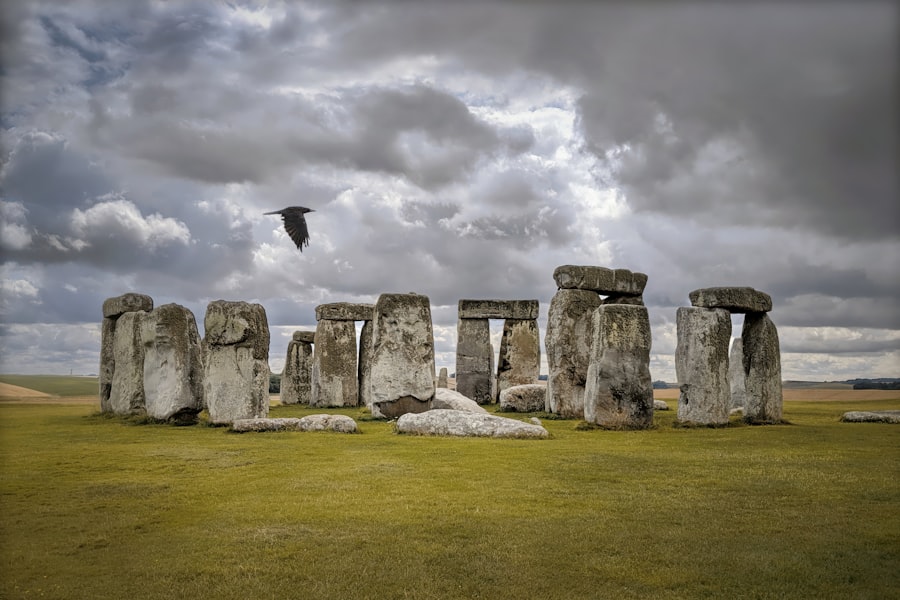
Stonehenge, the prehistoric monument in Wiltshire, England, is one of history’s most enduring enigmas. Its colossal standing stones, precisely arranged, have defied definitive explanation for centuries, leading to a multitude of theories about its purpose.
Astronomical Observations and Ritualistic Purpose
The alignment of Stonehenge with the solstices, particularly the summer solstice sunrise, strongly suggests a connection to astronomical observation. It is widely believed to have functioned as a sophisticated calendar, allowing ancient peoples to track the seasons and schedule agricultural activities. However, its ritualistic significance, whether as a place of worship, healing, or burial, remains a subject of intense speculation.
The Unseen Hands: Theories of Construction and Purpose
The sheer effort required to transport and erect the massive bluestones and sarsens at Stonehenge, some of which originated hundreds of miles away, points to a highly organized and motivated society. Theories range from a Druidic temple to a royal burial ground or even a sophisticated astronomical observatory, with each interpretation drawing on different archaeological evidence and logical deductions.
The Underworld and the Journey of the Soul: Egyptian Beliefs
Ancient Egyptian beliefs surrounding death and the afterlife were intricately woven into the fabric of their society, influencing everything from their monumental architecture to their daily rituals. The concept of Ma’at, or cosmic order, and the journey of the soul through the underworld were central to their understanding of existence.
The Mummification Process and its Significance
The elaborate process of mummification was not simply a method of preservation but a crucial step in ensuring the soul’s ability to traverse the afterlife. The careful preservation of the body was believed to be essential for the ka (life force) and ba (personality) to recognize and return to it, allowing the deceased to continue their existence in the realm of the gods.
The Book of the Dead and the Judgment of Osiris
The Book of the Dead, a collection of spells and incantations, served as a guide for the deceased on their perilous journey through the underworld. It outlined the trials and tribulations they would face, including the Weighing of the Heart ceremony, where the heart of the deceased was weighed against the feather of Ma’at, presided over by the god Osiris, to determine their worthiness of eternal life.
The ancient world is filled with mysteries that continue to intrigue historians and archaeologists alike. One fascinating aspect is the construction of monumental structures that seem to defy the engineering capabilities of their time. For those interested in exploring more about the complexities of ancient civilizations, a related article can provide insights into how modern technology is being utilized to understand these historical wonders. You can read more about this topic in the article on securing communication lines in cislunar space, which highlights the importance of communication in unraveling historical mysteries. Check it out here.
The Unseen Threads: Ancient Trade Networks and Cultural Exchange
| Location | Mystery | Year Discovered |
|---|---|---|
| Egypt | The Great Pyramid of Giza | 2560 BC |
| England | Stonehenge | 3000 BC |
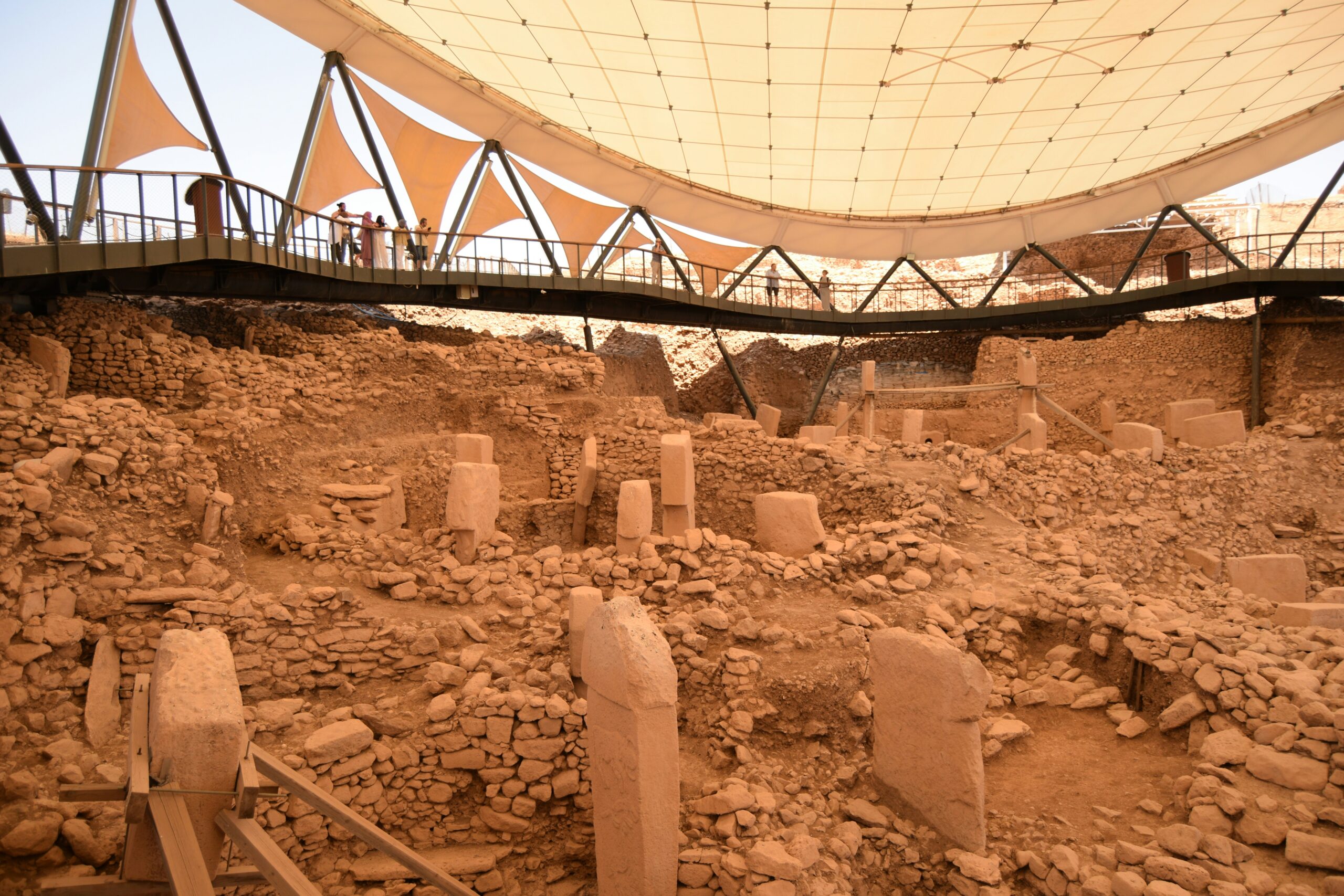
| Turkey | Göbekli Tepe | 9600 BC |
Beyond iconic monuments and deciphered texts, the ancient world was a dynamic network of interconnected societies, linked by intricate trade routes and the constant flow of ideas, technologies, and cultural influences. Understanding these connections is crucial to grasping the complexity and interconnectedness of ancient civilizations.
The Silk Road: A Conduit of Commerce and Culture
The legendary Silk Road, a vast network of overland and maritime routes, facilitated centuries of trade and cultural exchange between East and West. This ancient highway of commerce stretched from China to the Mediterranean, carrying not only precious silks but also spices, precious metals, technologies, and religious ideas.
The Flow of Goods and Innovations
The Silk Road was instrumental in the diffusion of crucial commodities such as, of course, silk, but also paper-making technology from China, gunpowder, and the compass. From the West, glassmaking techniques, wool, and wine made their way eastward, enriching the material culture of diverse populations.
The Transmission of Religions and Philosophies
Perhaps more significant than the material exchange was the transmission of religious and philosophical ideas. Buddhism, originating in India, spread eastward along the Silk Road, profoundly influencing the cultures of Central Asia and China. Likewise, Nestorian Christianity and later Islam also traveled this route, leaving their mark on the religious landscape of Asia.
The Maritime Empires of the Mediterranean: Phoenicians and Greeks
The Mediterranean Sea, a vast body of water, served as a crucible for early civilizations, with seafaring peoples like the Phoenicians and the Greeks establishing extensive maritime empires that fostered trade and cultural diffusion across a wide geographic area.
Phoenician Navigators and Commercial Prowess
Renowned for their shipbuilding and navigation skills, the Phoenicians established a vast trading network that spanned the Mediterranean, from their homeland in the Levant to colonies as far west as Carthage. Their influence extended through the exchange of goods such as cedar wood, dyes, and fine metalwork, and their alphabet, a revolutionary innovation, was adopted and adapted by many cultures, including the Greeks.
The Hellenistic World: A Network of Interconnected Cultures
Following the conquests of Alexander the Great, the Hellenistic period witnessed the spread of Greek language, culture, and political influence across the Eastern Mediterranean and beyond. Greek became the lingua franca of the region, facilitating trade, administration, and the exchange of scientific and philosophical ideas, forging a complex and interconnected cultural landscape.
The decipherment of ancient mysteries is not merely an academic exercise; it is a profound act of rediscovering our shared human heritage. Each artifact unearthed, each script unlocked, each monument deciphered, adds another thread to the intricate tapestry of human history, revealing the enduring ingenuity, the deep-seated beliefs, and the interconnectedness of the peoples who walked this earth long before us. The allure of the ancient world lies in its enduring capacity to surprise, to challenge, and ultimately, to connect us to the vast and fascinating story of humanity.

What Heated These Minerals? (The Abu Hureyra Mystery)
FAQs
What are some of the most famous ancient world mysteries?
Some of the most famous ancient world mysteries include the construction of the pyramids in Egypt, the purpose of Stonehenge in England, the disappearance of the Mayan civilization, the construction of the Moai statues on Easter Island, and the location of the lost city of Atlantis.
What are some theories about the construction of the Egyptian pyramids?
There are several theories about how the Egyptian pyramids were constructed, including the use of ramps, levers, and pulleys, as well as the idea that the stones were moved using water or that they were built by extraterrestrial beings.
What is the purpose of Stonehenge?
The purpose of Stonehenge is still a mystery, but it is believed to have been used for religious or ceremonial purposes, as well as for astronomical observations and as a burial site.
What caused the disappearance of the Mayan civilization?
The exact cause of the disappearance of the Mayan civilization is still unknown, but theories include environmental factors, warfare, and social unrest.
Is there any evidence of the lost city of Atlantis?
There is no concrete evidence of the existence of the lost city of Atlantis, and its location remains a mystery. However, some researchers believe that it may have been a fictional or mythological place.