The flickering images on screen, a tapestry of dusty excavation sites and cryptic artifacts, drew viewers into a world where past and present collide. “Uncovering Ancient Secrets: Archaeological Mysteries” promised a journey through time, a deep dive into the enigmas that have long confounded historians and archaeologists alike. As the documentary unfolded, it delivered on that promise, presenting a compelling narrative weaving together scientific inquiry, historical context, and the sheer human fascination with the unknown. The series wasn’t just a dry recitation of facts; it was an exploration of wonder, a testament to the enduring power of unanswered questions.
Archaeological mysteries possess a unique gravitational pull, an irresistible allure that taps into a fundamental human desire to understand our origins and the vast sweep of human history. The documentary, “Uncovering Ancient Secrets: Archaeological Mysteries,” masterfully tapped into this inherent fascination. It recognized that these aren’t just scattered puzzles; they are threads connecting us to a distant past, hinting at civilizations, beliefs, and achievements that often defy our modern understanding. The series understood that the allure lies not just in the artifacts themselves, but in the stories they could tell if only they could speak more clearly.
The Human Need for Narrative and Meaning
The human mind is inherently wired for narrative. We construct meaning by weaving together events, causes, and effects into coherent stories. Ancient mysteries, by their very nature, present incomplete narratives. The gaps, the missing pieces, and the ambiguous evidence invite speculation and the construction of new, often speculative, narratives. “Uncovering Ancient Secrets” didn’t shy away from this, presenting various hypotheses and theories, allowing viewers to engage in the deductive process alongside the experts. This invited participation, making the act of discovery feel more personal and engaging.
Echoes of Lost Civilizations
The sheer scale and sophistication of some ancient structures and artifacts, especially those discovered with seemingly advanced technologies for their time, can be profoundly humbling. How did the Egyptians build the pyramids with such precision? What was the purpose of Stonehenge? These questions speak to the ingenuity and capabilities of our ancestors, reminding us that human potential has always been present, albeit expressed through different means. The documentary highlighted these awe-inspiring feats, prompting viewers to ponder the very definition of “advanced” and the limits of human capability across different eras.
The Inherent Romance of the Unknown
There is a romanticism associated with the distant past, a sense of wonder and perhaps even a hint of melancholy for times and peoples lost to the sands of time. Ancient mysteries amplify this romance. They evoke images of grand empires, lost knowledge, and forgotten rituals. The documentary skillfully painted these pictures, using dramatic reenactments, evocative cinematography, and compelling narration to transport viewers to these ancient worlds, igniting a sense of adventure and discovery.
In the realm of archaeological mysteries, the exploration of ancient civilizations often leads to fascinating discoveries that challenge our understanding of history. A related article that delves into the intriguing intersection of science and exploration is titled “NASA to Control Moon’s Water Ice,” which discusses the potential for lunar resources to unlock secrets about our past. You can read more about this captivating topic by visiting the following link: NASA to Control Moon’s Water Ice.
Peering Through the Veil: Case Studies in Archaeological Enigma
The heart of “Uncovering Ancient Secrets: Archaeological Mysteries” lay in its meticulous examination of specific, captivating archaeological enigmas. The documentary didn’t offer easy answers; instead, it presented the evidence, the prevailing theories, and the ongoing debates, allowing the mysteries themselves to remain the central focus. Each episode delved deep into a particular site or artifact, illuminating the complexities and the multifaceted nature of these historical puzzles.
The Enigmatic Nazca Lines: Geoglyphs in the Desert
One of the standout segments explored the Nazca Lines of Peru, vast geoglyphs etched into the desert floor, visible only from a considerable height. The documentary meticulously presented the various theories surrounding their creation, from astronomical calendars to communication with deities, and even extraterrestrial intervention. The sheer scale and precision of these ancient designs, coupled with the lack of clear purpose, left viewers pondering the ingenuity and motivations of the Nazca people.
Theories of Purpose: Astronomy, Ritual, and Beyond
The film dedicated significant time to outlining the astronomical theories, suggesting the lines corresponded to celestial bodies and events. It also explored the ritualistic interpretations, positing that they were part of elaborate ceremonies or pilgrimages. The documentary did not shy away from the more speculative theories, acknowledging the popular imagination’s fascination with extraterrestrial involvement, while grounding the discussion in scientific research and archaeological evidence.
The Engineering Marvel: How Were They Created?
Crucially, the documentary addressed the practical question of how these massive figures, some spanning hundreds of meters, were created by a civilization with limited tools. It showcased experiments and analyses that demonstrated the feasibility of their construction using simple tools and techniques, dispelling some of the more fantastical explanations. This highlighted the often-overlooked brilliance of ancient engineering and resourcefulness.
The Labyrinthine Underworld: Gobekli Tepe’s Purpose
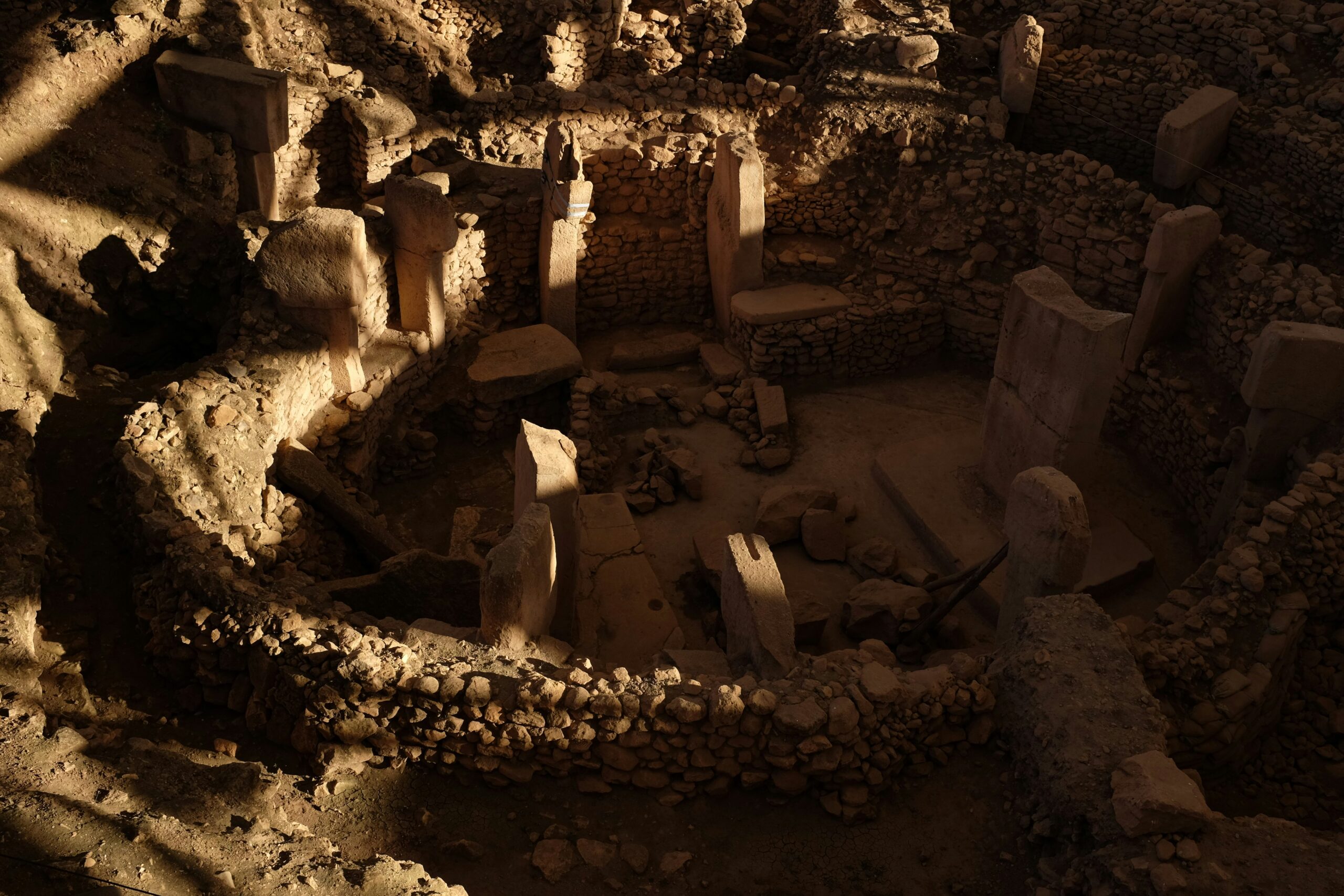
Gobekli Tepe, located in southeastern Turkey, presented another profound mystery. This ancient site, dating back over 11,000 years, predates known monumental architecture by millennia, exhibiting massive carved pillars and intricate carvings of animals. The documentary grappled with its purpose, as it seemed to predate agriculture and settled civilization.
The Dawn of Monumental Architecture: A Paradigm Shift
The existence of Gobekli Tepe challenged existing theories about the development of human civilization. It suggested that complex ritualistic or religious activities may have preceded the need for permanent settlements and agriculture, forcing a reevaluation of historical timelines and societal evolution. The film effectively conveyed the revolutionary implications of this discovery.
Symbolism and Interpretation: Animal Carvings and Abstract Forms
The carved panels at Gobekli Tepe, depicting a menagerie of animals and enigmatic abstract symbols, offered a rich field for interpretation. The documentary explored various attempts to decipher their meaning, from shamanistic visions to symbolic representations of the natural world. The ambiguity of these symbols fueled continued debate and research.
The Lost City of Atlantis: Myth or Reality?
The enduring myth of Atlantis, a technologically advanced civilization swallowed by the sea, was also explored. While often relegated to fiction, the documentary presented the historical context of Plato’s original writings and examined various archaeological sites that have been proposed as potential locations for the legendary island.
Plato’s Account: A Philosophical Allegory or Historical Record?
The film delved into Plato’s dialogues, analyzing his descriptions of Atlantis and its inhabitants. It debated whether his account was intended as a literal historical record, a philosophical allegory to illustrate his political theories, or a distorted memory of a real catastrophic event. This nuanced approach distinguished it from purely speculative treatments.
Potential Site Investigations: Santorini and Beyond
The documentary showcased expeditions and research conducted at sites like Santorini (Thera), whose volcanic eruption catastrophicly destroyed the Minoan civilization, as well as other submerged or geographically relevant locations. It presented the evidence for each proposed site, highlighting both the compelling connections and the significant discrepancies with Plato’s descriptions.
The Tools of Discovery: Archaeology in the Modern Age

“Uncovering Ancient Secrets” wasn’t just about the mysteries; it was also about the ingenious methods and technologies employed by modern archaeologists to unravel them. The series demonstrated how science and technology have revolutionized the field, allowing for non-invasive exploration, precise dating, and the analysis of materials in ways unimaginable to earlier generations of researchers.
Remote Sensing and Geophysical Exploration: Seeing Beneath the Surface
The documentary showcased the power of remote sensing technologies, such as ground-penetrating radar (GPR) and airborne lidar. These tools allow archaeologists to “see” beneath the ground without disturbing the existing landscape, identifying buried structures, anomalies, and potential excavation sites.
Ground-Penetrating Radar (GPR): Mapping Subterranean Structures
Examples were presented where GPR surveys revealed the outlines of buried walls, chambers, and even entire settlements. This technology is invaluable for understanding the extent and layout of ancient sites hidden from view, guiding more targeted excavation efforts.
Lidar Technology: Unveiling Hidden Landscapes
The use of lidar (light detection and ranging) in mapping dense jungle canopies, for instance, was highlighted as a revolutionary tool for revealing previously obscured ancient sites. The documentary showed how lidar data could strip away vegetation digitally, exposing the faint outlines of ancient roads, pyramids, and settlements, opening up vast new areas for archaeological investigation.
Radiocarbon Dating and Advanced Material Analysis: Pinpointing the Past
The precision offered by scientific dating techniques was a recurring theme. The documentary explained how radiocarbon dating, dendrochronology (tree-ring dating), and other chronometric methods provide crucial chronological frameworks for understanding the sequence of events at ancient sites.
Radiocarbon Dating: Verifying Artifact Ages
The process of radiocarbon dating, its principles, and its limitations were explained, illustrating how scientists determine the age of organic materials excavated from archaeological contexts. This technique is fundamental to establishing the timeline of human history.
Isotope Analysis and DNA Forensics: Unlocking the Secrets of Life
Beyond dating, the documentary showcased how advanced techniques like stable isotope analysis, used to determine ancient diets and migration patterns, and ancient DNA (aDNA) analysis, which can reveal kinship, population movements, and even disease, are offering unprecedented insights into the lives of past populations.
The Human Element: The Archaeologists and Their Quest
Beyond the artifacts and the science, “Uncovering Ancient Secrets” recognized the crucial role of the human element. The documentary featured interviews with leading archaeologists, historians, and researchers, allowing their passion, dedication, and intellectual curiosity to shine through. Their personal stories and methodological approaches added a vital layer of engagement to the narrative.
The Passion and Dedication of Field Researchers
Viewers were given a glimpse into the arduous and often painstaking work of field archaeologists. The documentary showcased their resilience in challenging environments, their meticulous attention to detail, and their unwavering commitment to uncovering the truth. This humanization of the scientific process made the pursuit of knowledge feel more relatable and inspiring.
Debates and Disagreements: The Dynamic Nature of Knowledge
Importantly, the documentary did not present a monolithic view of archaeology. Instead, it highlighted the healthy debates and disagreements that exist within the field. Presenting contrasting interpretations and challenging established paradigms demonstrated that archaeology is a dynamic and evolving discipline, constantly refined by new evidence and critical analysis.
The Ethical Considerations: Preservation and Respect
The series also touched upon the ethical considerations integral to modern archaeology. The importance of responsible excavation, the preservation of cultural heritage, and the respectful engagement with descendant communities were implicitly and explicitly addressed, underscoring the responsibility that comes with uncovering the past.
The world of archaeology is filled with intriguing mysteries that continue to captivate researchers and enthusiasts alike. One fascinating aspect is how environmental factors have shaped ancient civilizations, a topic explored in depth in a related article. For those interested in understanding the connection between climate and human history, this article provides valuable insights into how environmental influences have impacted archaeological findings. You can read more about this compelling subject in the article on environmental influences and their role in uncovering the secrets of our past.
The Enduring Power of Mystery: What the Future Holds
| Documentary Title | Release Year | Duration | Main Topics |
|---|---|---|---|
| Lost Worlds: The Story of Archaeology | 2015 | 120 minutes | Ancient civilizations, lost cities, archaeological discoveries |
| Secrets of the Dead: The Lost Gardens of Babylon | 2014 | 60 minutes | Babylonian gardens, ancient engineering, historical mysteries |
| Unearthed: Lost City of the Incas | 2018 | 45 minutes | Incan civilization, Machu Picchu, archaeological exploration |
As the final credits rolled, “Uncovering Ancient Secrets: Archaeological Mysteries” left viewers with a profound sense of wonder and a renewed appreciation for the vast unknown that still lies buried beneath the earth. The documentary effectively conveyed that the purpose of archaeology is not always to definitively solve every mystery, but to continue asking questions, to expand our understanding, and to acknowledge the limits of our current knowledge.
The Continual Process of Discovery
The series underscored that archaeology is an ongoing process. New technologies, new discoveries, and new interpretations continually emerge, pushing the boundaries of our understanding. The mysteries presented in the documentary are not necessarily closed cases; they are frontiers of ongoing scientific exploration.
Inspiring Future Generations of Explorers
By showcasing the excitement of discovery and the intellectual rigor of the field, “Uncovering Ancient Secrets” aimed to inspire future generations of archaeologists, historians, and curious minds. It demonstrated that the pursuit of knowledge about our past is a vital and rewarding endeavor.
The Unfinished Story of Humanity
Ultimately, the documentary served as a powerful reminder that the story of humanity is still being written, and much of it remains buried, waiting to be unearthed. The enduring allure of archaeological mysteries lies in their promise of revealing more about who we were, how we lived, and what it truly means to be human. The series left viewers with a sense of excitement for the investigations yet to come, for the secrets yet to be uncovered, and for the continued unfolding of our shared, ancient story.

What Heated These Minerals? (The Abu Hureyra Mystery)
FAQs
What is an archaeological mysteries documentary?
An archaeological mysteries documentary is a film or television program that explores unsolved or enigmatic aspects of ancient civilizations, historical events, or archaeological sites. These documentaries often feature experts in the field discussing theories and evidence related to the mysteries being explored.
What are some common topics covered in archaeological mysteries documentaries?
Common topics covered in archaeological mysteries documentaries include lost civilizations, unexplained ancient artifacts, enigmatic structures such as Stonehenge or the pyramids, and unsolved historical events such as the disappearance of ancient societies.
How are archaeological mysteries documentaries researched and produced?
Archaeological mysteries documentaries are typically researched and produced by teams of experts in archaeology, history, and filmmaking. These teams conduct extensive research, often including on-site investigations and interviews with leading experts, to gather information and evidence for the documentary.
What are the benefits of watching archaeological mysteries documentaries?
Watching archaeological mysteries documentaries can provide viewers with a deeper understanding of ancient history, archaeology, and the methods used to investigate and interpret the past. These documentaries also offer a fascinating look at the unsolved mysteries and enigmas that continue to captivate researchers and enthusiasts.
Where can I watch archaeological mysteries documentaries?
Archaeological mysteries documentaries can be found on various streaming platforms, television networks, and online video services. They are often featured on channels dedicated to history, archaeology, and science, as well as on platforms that specialize in documentary content.