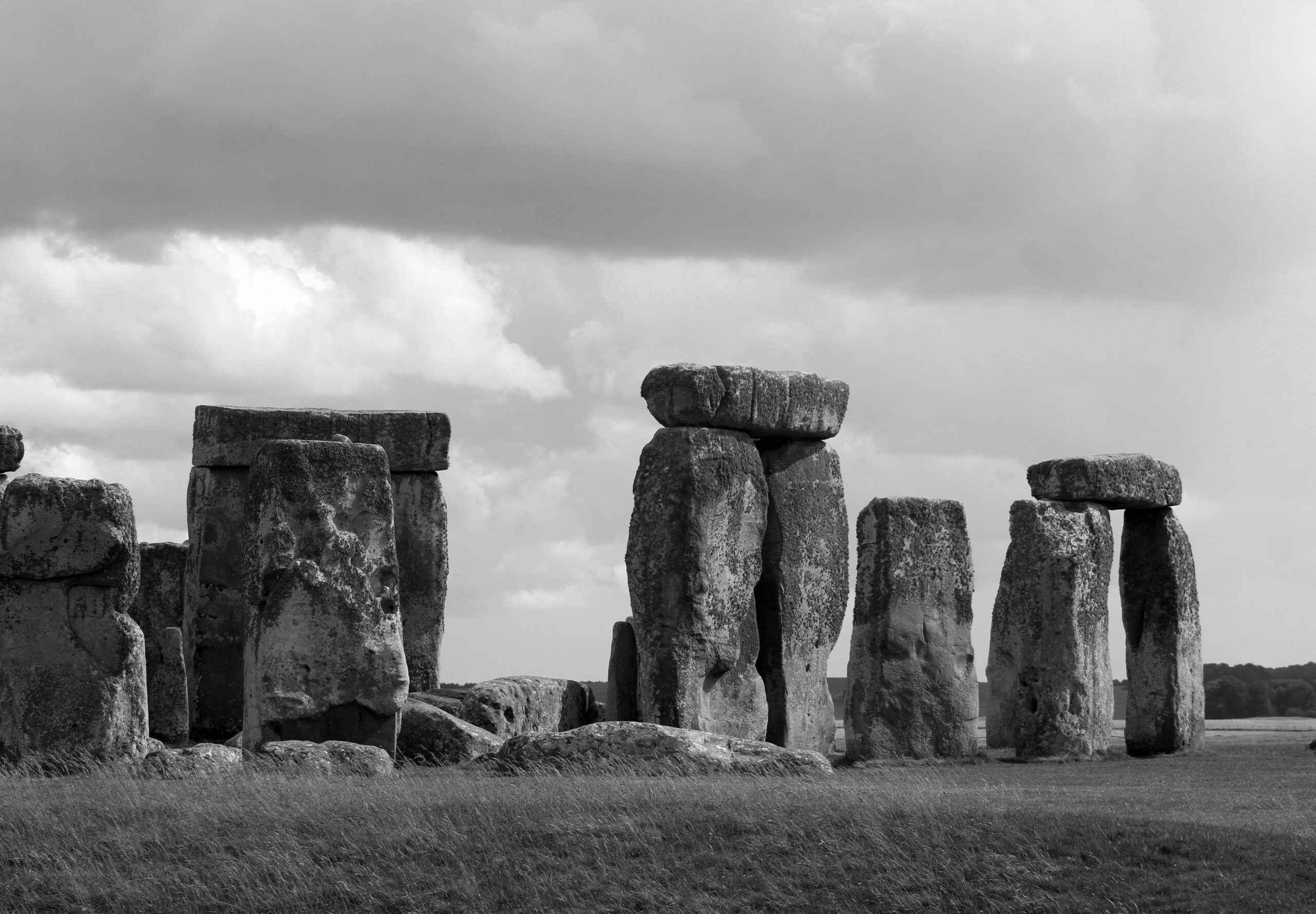
The dust of millennia swirled around the unearthed city, a forgotten metropolis whispering tales of a people lost to time. Archeologists, their faces etched with a mixture of awe and exhaustion, meticulously brushed away the earth, each particle a potential key to unlocking the secrets of this enigmatic civilization. For decades, fragmented artifacts and tantalizing clues had hinted at their existence, but only now, with this sprawling urban core exposed, could the full scope of their achievements begin to be understood. This was not merely the discovery of a ruin; it was the unveiling of a people who had once commanded respect and wielded significant influence, a civilization whose story had been meticulously, and perhaps deliberately, erased from the annals of history. The task ahead was monumental: to piece together their lives, their beliefs, their societal structure, and ultimately, the reasons for their inexplicable disappearance.
The initial discovery was almost accidental. A team surveying for resources in a remote, geographically isolated region stumbled upon unusually symmetrical geological formations that defied natural explanation. Further investigation revealed expertly carved stonework peeking through dense vegetation, hinting at a human presence far older than any previously known settlements in the area. The sheer scale of the initial findings, from massive foundational structures to intricately designed irrigation systems, immediately signaled a civilization of considerable sophistication and organization. The sheer difficulty of the terrain, coupled with the remoteness and the apparent absence of later settlers, suggested that this city had been abandoned long ago, and efficiently so.
Initial Excavation Challenges
The team faced immediate hurdles. The sheer remoteness of the site meant that transporting equipment and personnel was a logistical nightmare. Harsh weather conditions, coupled with the dense, untamed wilderness, made excavation slow and arduous. Moreover, the lack of any recognizable script or familiar architectural styles presented a significant initial barrier to understanding. Unlike other ancient civilizations where deciphering languages or recognizing motifs provided immediate entry points, this civilization offered no such recognizable handholds. It was a blank slate, demanding a fundamental reevaluation of assumptions about human history in the region.
Geographic Isolation and Environmental Factors
The chosen location was peculiar. Nestled within a valley surrounded by formidable mountain ranges, it offered natural protection but also posed challenges for trade and expansion. Soil analysis revealed a rich, fertile land capable of sustaining a large population, suggesting that environmental factors had once been favorable. However, understanding the long-term viability of such a settlement required looking beyond the immediate fertile plains. Questions arose about how they sourced materials for their advanced constructions, their methods of defense, and how they managed to thrive in relative isolation for so long. The delicate balance between protection and isolation was a constant theme that emerged from the early findings.
The mysteries surrounding ancient civilizations continue to captivate historians and archaeologists alike, as they seek to unravel the complexities of societies that once thrived. One intriguing aspect of this exploration is the impact of political fragmentation on these civilizations, which can shed light on their rise and fall. For a deeper understanding of how political dynamics influenced ancient societies, you can read more in this related article: The Impact of Political Fragmentation.
Echoes in Stone: Architecture and Engineering Prowess
The most striking testament to this civilization’s ingenuity lay in their monumental architecture and sophisticated engineering. Unlike the organic sprawl of many early settlements, their cities were laid out with an almost mathematical precision. Grand avenues, meticulously paved, connected significant structures – temples, administrative buildings, and residential complexes. The sheer scale of the stonework, often utilizing colossal blocks quarried and transported with no apparent modern machinery, spoke volumes about their organizational capacity and understanding of engineering principles.
Urban Planning and Infrastructure
The city’s layout was a marvel of strategic planning. Defensive walls, robust and imposing, encircled the core settlement, while a series of interconnected canals and aqueducts supplied water, suggesting a deep understanding of hydraulics. The placement of residential areas in relation to public spaces and agricultural zones indicated a well-regulated society that prioritized functionality and communal living. The intricate network of underground tunnels, the purpose of which was initially unclear, sparked intense debate among researchers, with theories ranging from defensive passages to sophisticated waste management systems. The careful consideration given to the flow of water and people within the city demonstrated a keen understanding of urban dynamics.
Monumental Structures and Construction Techniques
Temples, their facades adorned with intricate carvings of unknown deities and celestial bodies, rose majestically from the urban landscape. The precision with which these massive stones were fitted together, often without the use of mortar, was astounding, leaving no visible gaps. Research into the composition of these stones and the geological sources revealed the immense effort involved in their extraction and transportation. Theories abound regarding the methods used, from elaborate ramp systems to simple yet effective leverage techniques, but definitively proving any one method remained elusive. The sheer persistence and coordinated effort required suggested a highly structured and disciplined workforce, likely motivated by a strong religious or societal imperative.
Advanced Materials and Craftsmanship
Beyond their monumental constructions, the civilization displayed remarkable skill in crafting smaller, yet equally impressive, artifacts. Pottery, often intricately decorated with geometric patterns and stylized animal figures, demonstrated a mastery of kiln technology. Metalworking, evident in tools, decorative objects, and what appeared to be ceremonial weapons, showcased an advanced understanding of metallurgy, including the smelting and shaping of various alloys. The use of precious metals like gold and silver in intricate jewelry and adornments suggested a complex societal hierarchy and a sophisticated aesthetic sensibility. The absence of any identifiable artistic lineage made it challenging to place their craftsmanship within broader historical contexts.
The Whispers of Belief: Religion and Ritual
The omnipresent symbols and iconography found throughout the ruins offered glimpses into the spiritual landscape of this ancient people. Elaborate altars, ritualistic chambers, and the recurring motifs on buildings and artifacts pointed towards a complex pantheon of deities and a rich tapestry of religious practices. The absence of readily identifiable human forms in their iconography, however, suggested a more abstract or perhaps elemental form of worship, focusing on natural forces or cosmic principles.
The Pantheon of the Unknown
The recurring symbols, such as stylized suns, swirling vortexes, and enigmatic geometric shapes, were interpreted by archeologists as representations of their gods. The scale and grandeur of the temples dedicated to these entities indicated their central role in society. The discovery of small, intricately carved figurines, often depicting abstract forms or intertwined creatures, fueled speculation about the nature of their divine beings and the relationships between them. The absence of recognizable anthropomorphic deities challenged existing frameworks of religious study, pushing researchers to consider entirely new possibilities.
Ritual Sites and Practices
Designated areas within the city, often marked by elaborate altars and ceremonial platforms, were clearly sites of religious observance. Evidence of fire, burnt offerings, and the presence of specialized votive objects suggested a ritualistic practice aimed at appeasing or communing with their deities. The discovery of a large, circular amphitheater-like structure, with acoustics remarkably well-preserved, hinted at the possibility of public ceremonies or dramatic performances with religious undertones. The meticulous arrangement of offerings and the careful cleansing of these sites suggested a profound respect for their rituals and a belief in their efficacy.
The Significance of Celestial Observation
The alignment of certain key structures with astronomical phenomena, such as solstices and equinoxes, strongly suggested a deep connection to the cosmos. The presence of what appeared to be sophisticated observatories, with precisely aligned viewing portals, further reinforced this idea. This celestial focus likely permeated their religious beliefs, influencing their calendar, their understanding of time, and their prophecies. The reverence for celestial bodies implied a worldview that saw the divine reflected in the movements of the stars and planets.
A Society Unveiled: Social Structure and Daily Life

While the grand monuments spoke of collective achievement, the smaller details unearthed provided crucial insights into the daily lives of the individuals who inhabited this lost city. From the tools they used to the fragments of their dwellings, a picture began to emerge of a structured society with clear divisions of labor and a complex social fabric. The uniformity of certain dwellings suggested a degree of social equity, while the presence of more elaborate residences pointed to the existence of an elite class.
Residential Structures and Domestic Life
The excavation of numerous dwelling units revealed the typical living conditions of the inhabitants. While some residences were modest, consisting of a few interconnected rooms, others were considerably more spacious and elaborate, featuring private courtyards and decorative elements. The presence of hearths, cooking utensils, and storage areas provided a tangible connection to the domestic routines of the past. The careful organization of these domestic spaces hinted at a family-centric society with a clear division of domestic responsibilities.
Labor and Craft Specialization
The evidence of specialized tools and workshops indicated a society where labor was divided. Archeologists identified distinct areas for pottery production, metalworking, stonemasonry, and perhaps even textile manufacturing. This specialization likely led to increased efficiency and skill development within each craft. The presence of trade networks, suggested by the sourcing of materials from distant regions, further implied a complex economic system that relied on the exchange of goods and services. The organization of labor for large-scale construction projects pointed to a hierarchical structure capable of mobilizing and directing significant human resources.
Diet and Subsistence Strategies
Analysis of agricultural remains, animal bones, and carbonized food samples provided a surprisingly detailed picture of their diet. They cultivated a variety of grains and legumes, and evidence of animal husbandry suggested they raised domestic animals for food and possibly labor. Evidence of fishing and hunting also indicated a diverse subsistence strategy that utilized the surrounding natural resources. The sophistication of their irrigation systems underscored their ability to manage agricultural production and ensure a steady food supply for their growing population.
The mysteries surrounding ancient civilizations continue to captivate historians and archaeologists alike, with new discoveries shedding light on their complex societies and technologies. One intriguing aspect of these ancient cultures is their communication methods, which have often been overlooked. For a deeper understanding of how communication has evolved over time, you might find it interesting to explore the article on securing communication lines in modern contexts. This article provides insights that can draw parallels to the communication practices of ancient societies. You can read more about it here.
The Enigma of Erasure: Theories of Decline and Disappearance
| Location | Mystery | Artifacts |
|---|---|---|
| Egypt | The construction of the pyramids | Hieroglyphics, mummies, and sarcophagi |
| Mesopotamia | The invention of writing | Cuneiform tablets and ziggurats |
| Inca Empire | The construction of Machu Picchu | Terraces, temples, and agricultural terraces |
Perhaps the most compelling aspect of this civilization’s story is the abruptness and completeness of its abandonment. There were no signs of violent conquest, no widespread destruction indicative of war, and no evidence of a catastrophic natural disaster that would have necessitated a mass exodus. The city was simply left behind, its inhabitants seemingly vanishing without a trace, leaving behind a silent testament to their existence. This profound mystery has led to a multitude of theories, each attempting to explain the inexplicable.
Environmental Catastrophe Revisited
While direct evidence of widespread destruction was absent, the possibility of a slower, more insidious environmental shift cannot be dismissed. Climate change, perhaps a prolonged drought or a gradual degradation of the fertile land, could have rendered their agricultural systems unsustainable. The complex irrigation networks, while impressive, might have been vulnerable to subtle shifts in water availability. Long-term ecological degradation, while not immediately catastrophic, could have gradually forced a migration to more viable lands, leading to the slow abandonment of the city without panicked flight.
Social or Political Collapse
Internal societal pressures could also have played a role. A rigid social hierarchy, if it became untenable, could have led to widespread discontent and a breakdown of order. Alternatively, a prolonged period of internal strife or civil unrest, while not leaving overt destruction, could have destabilized the society to the point where a coordinated migration was the only viable option. The absence of strong defensive fortifications within the city, beyond the perimeter walls, could suggest a society that prioritized internal harmony over external conflict.
Voluntary Migration and the Search for a New Beginning
Perhaps the most intriguing theory is that the civilization chose to leave. Faced with an unforeseen challenge – be it environmental, social, or even a philosophical or spiritual awakening – they might have collectively decided to relocate. This could have been a planned migration, with the intention of establishing new settlements elsewhere, or perhaps a more enigmatic quest for an unknown destination, a journey driven by deep-seated beliefs or prophecies. The clean nature of the abandonment could support this, suggesting a deliberate and orderly departure rather than a panicked flight. The lack of significant fortifications specifically designed for interior defense might indicate a society that felt secure and had no need for internal suppression, making a voluntary departure less about escaping something dire and more about seeking something better.
The Unanswered Question and the Legacy of the Lost
Despite the wealth of information unearthed, the ultimate fate of this ancient civilization remains a profound enigma. The dust has settled, but the silence that remains is deafening. Their story, once lost, is now being painstakingly pieced back together, offering invaluable insights into the diverse tapestry of human history. Yet, the central mystery of their disappearance serves as a stark reminder of the ephemeral nature of even the most advanced societies and the enduring power of the unknown. Their legacy is not just in their impressive ruins, but in the enduring questions they pose, prompting us to look beyond the familiar and to continue unraveling the ancient mysteries that lie hidden beneath the surface of time. The ongoing research into their language, their belief systems, and their eventual departure promises to further illuminate not only their story but also the broader narrative of human civilization itself.

What Heated These Minerals? (The Abu Hureyra Mystery)
FAQs
What is the mystery surrounding ancient civilizations?
The mystery surrounding ancient civilizations revolves around how these societies were able to achieve remarkable feats of engineering, architecture, and cultural development without the modern technology and resources we have today.
What are some examples of ancient civilization mysteries?
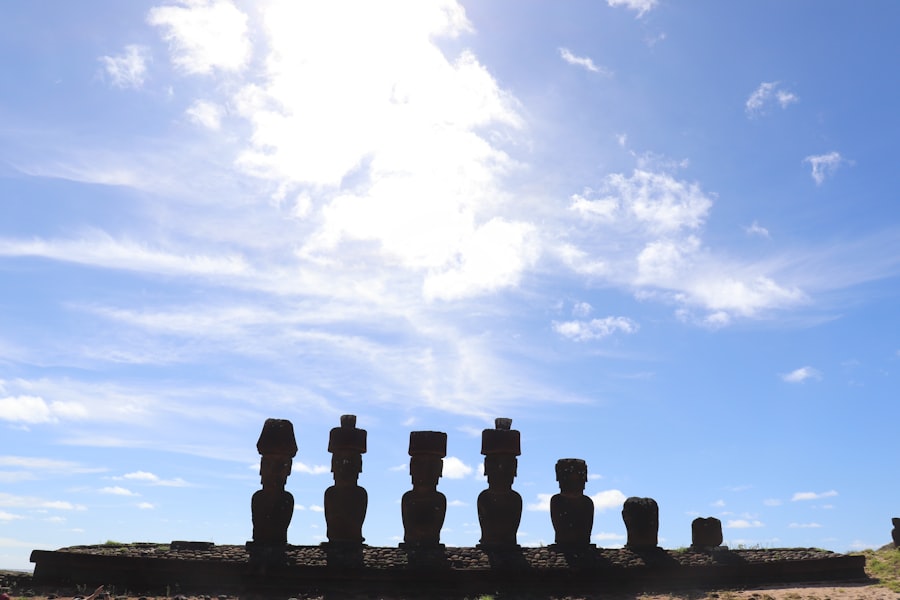
Some examples of ancient civilization mysteries include the construction of the pyramids in Egypt, the Nazca lines in Peru, the Moai statues on Easter Island, and the advanced knowledge of astronomy and mathematics possessed by civilizations such as the Maya and the Inca.
How do historians and archaeologists study ancient civilizations?
Historians and archaeologists study ancient civilizations through the analysis of artifacts, ruins, written records, and scientific techniques such as carbon dating and remote sensing. They also rely on interdisciplinary approaches to gain a comprehensive understanding of these societies.
What are some theories about how ancient civilizations achieved their accomplishments?
Some theories about how ancient civilizations achieved their accomplishments include the idea of extraterrestrial intervention, advanced lost civilizations, and the transmission of knowledge through trade and cultural exchange.
Why is it important to study ancient civilization mysteries?
Studying ancient civilization mysteries is important because it helps us understand the capabilities and achievements of past societies, provides insights into human history and cultural development, and challenges our assumptions about the progress of civilization.