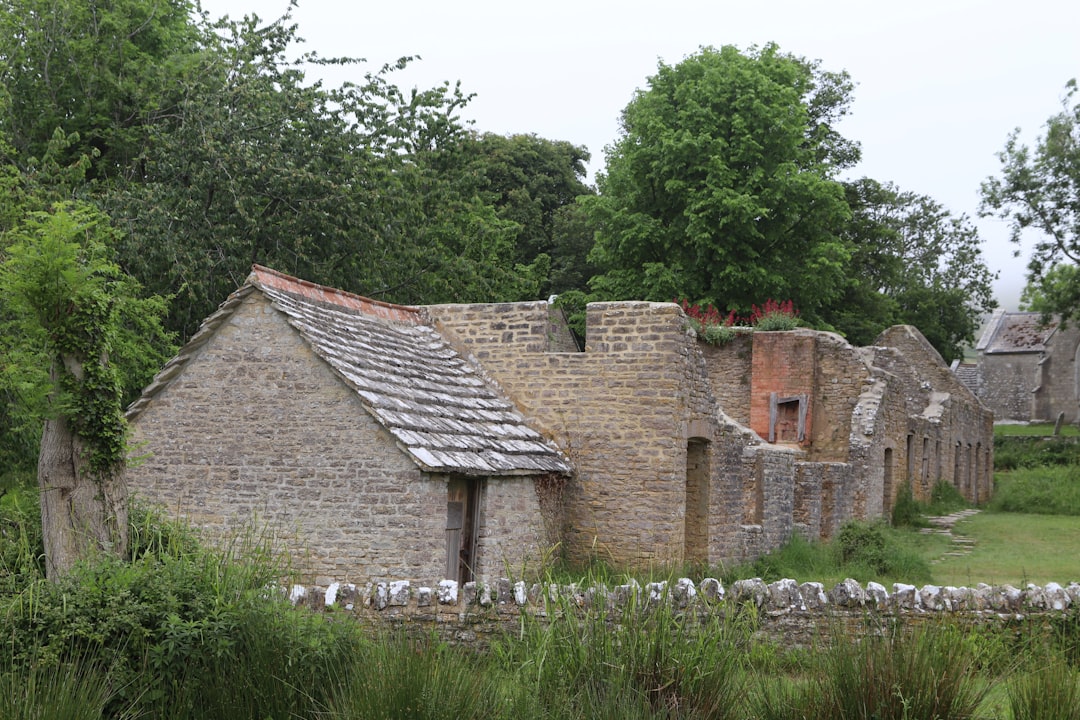
The whispers of the past, carried on the wind that sweeps across windswept plains and over the remnants of ancient settlements, often speak of beginnings. They tell tales of innovation, of agricultural revolution, and the birth of settled life. Yet, even in these sagas of progress, there are darker chapters. The Neolithic village, a symbol of human ingenuity and communal living, was not an immutable entity. It was a fragile ecosystem, susceptible to the forces of nature, the pressures of human interaction, and the slow, inexorable creep of change. The story of its destruction and decline is as vital to understanding our ancient ancestors as the narratives of its rise. It is a story etched not in monumental stone, but in the subtle shifts of soil, the scattered fragments of pottery, and the silent echoes of abandonment.
The very success of Neolithic village life, the dense populations and reliance on relatively localized resources, sowed the seeds of its own vulnerability. What seemed like a robust model for survival also contained inherent fragilities that could, under the right conditions, lead to its undoing. These internal pressures were not always dramatic events, but rather a slow erosion of the delicate balance that sustained these communities.
The Double-Edged Sword of Population Growth
The agricultural revolution, the cornerstone of Neolithic society, enabled unprecedented population growth. With a more stable and abundant food supply, communities could expand, families grew, and settlements enlarged. However, this expansion was not without its costs. The carrying capacity of the local environment became a critical factor. As populations swelled, so did the demand for arable land, fresh water, and timber. The intensive farming practices common in the Neolithic period, while effective for a time, could lead to soil exhaustion if not managed sustainably. Overgrazing by livestock, another hallmark of this era, could denude hillsides, leading to erosion and reducing the availability of pasture. The once-bountiful land, now supporting a larger populace, began to show signs of strain. This increasing pressure on resources could lead to internal competition, disputes over land use, and a decline in the overall health and productivity of the surrounding environment, setting the stage for future hardship.
The Social Fabric Under Strain: Competition and Conflict
While cooperation was undoubtedly a driving force behind the establishment of Neolithic villages, the inherent complexities of social organization within growing communities could also breed conflict. As settlements expanded and populations became denser, the informal mechanisms of dispute resolution that might have sufficed in smaller, more kinship-based groups could become overwhelmed. The accumulation of resources, though unevenly distributed, could lead to social stratification and increased tensions between different strata of society. Competition for fertile land, water sources, and even social status could escalate. While widespread warfare on the scale of later periods might have been rare, localized raids, feuds, and skirmishes over resources were likely occurrences that could disrupt village life, lead to the loss of life and property, and sow seeds of mistrust that could undermine the social cohesion necessary for long-term survival. Evidence for fortified settlements and defensive structures in some later Neolithic sites hints at an increasing awareness of internal and external threats.
The Perils of Specialization and Interdependence
The development of specialized crafts and the increasing interdependence between different households within and between villages, while fostering efficiency, also created new vulnerabilities. A community that relied heavily on a particular craft for trade or sustenance could be severely impacted by disruptions to that trade. For instance, a disruption in the supply of flint for tool production, or a decline in the demand for finely crafted pottery, could have far-reaching economic consequences. Furthermore, the growing interdependence between villages, forged through trade and exchange, meant that the misfortunes of one community could ripple outwards, affecting others. A blight on crops in one region could reduce the amount of surplus grain available for trade, impacting the ability of other communities to acquire essential goods. This network of interconnectedness, while a sign of progress, also meant that resilience was no longer solely a local matter; the health of the entire network was crucial.
The destruction of Neolithic villages has been a topic of significant archaeological interest, shedding light on the social and environmental factors that led to these ancient communities’ decline. For a deeper understanding of how conflict and warfare have evolved over time, you might find the article on the future of space warfare intriguing. It explores the implications of conflict beyond Earth and draws parallels to historical patterns of destruction and survival. You can read more about it in this article: The Future of Space Warfare: Conflict Beyond Earth.
External Shocks: The Unpredictable Furies of Nature
The Neolithic village, with its settled existence on the land, was intrinsically tied to the rhythms of the natural world. While agriculture offered a degree of control over food production, it did not shield these communities from the raw power and unpredictable fury of natural forces. These external shocks, often beyond the control of human hands, could devastate settlements and force their abandonment.
The Scourge of Climate Change and Environmental Degradation
The Neolithic period was not a static climatic epoch. Shifts in temperature, rainfall patterns, and the overall environmental equilibrium could profoundly impact agricultural productivity. Prolonged droughts could wither crops and deplete water sources, leading to famine and resource scarcity. Conversely, extreme rainfall and flooding could destroy fields, inundate settlements, and spread waterborne diseases. Evidence from paleoenvironmental studies, such as pollen analysis and sediment cores, reveals periods of significant climatic variability during the Neolithic. Such changes could force communities to migrate in search of more favorable conditions, or adapt their agricultural practices, often with limited success. Beyond the broader climatic shifts, localized environmental degradation, often exacerbated by human activity as discussed earlier, could accelerate the decline of a settlement. Deforestation for fuel and building materials could lead to soil erosion and a reduction in rainfall, further impacting agricultural yields and the availability of resources.
The destruction of Neolithic villages has been a topic of significant interest among archaeologists, as it sheds light on the social and environmental factors that contributed to the decline of early agricultural societies. Recent studies have explored how climate change and resource depletion may have played pivotal roles in these transformations. For those interested in understanding the broader implications of such historical events, a related article discusses anticipated global map shifts and their potential impact on human settlements in the future. You can read more about this intriguing topic here.
The Uninvited Guests: Disease and Epidemics
The increasing density of populations in Neolithic villages, coupled with a reliance on shared water sources and close living quarters, created an environment ripe for the spread of infectious diseases. While our understanding of specific Neolithic pathogens is limited, it is plausible that common ailments such as respiratory infections, gastrointestinal illnesses, and possibly zoonotic diseases transmitted from livestock could have taken a significant toll. In a world without advanced medical knowledge or sanitation, even common illnesses could become devastating, particularly in densely populated areas. The death of a significant portion of the working population could cripple agricultural output, disrupt social order, and make the continued existence of the village untenable. The lack of immunological resistance to novel pathogens or strains could have led to localized epidemics that decimated communities.
The Fury of the Earth: Natural Disasters
While perhaps less frequent than climatic shifts or disease, natural disasters could also deliver swift and fatal blows to Neolithic settlements. Earthquakes could topple dwellings and devastate infrastructure, leaving survivors exposed and vulnerable. Volcanic eruptions, depending on their proximity and scale, could bury settlements under ash, destroy cultivated land, and render regions uninhabitable for generations. Landslides, often triggered by heavy rainfall or seismic activity, could similarly obliterate villages situated in susceptible locations. The archaeological record, while often fragmented, sometimes provides glimpses of such catastrophic events. Layers of volcanic ash or sudden inundation deposits found within ancient settlements can be silent witnesses to these moments of nature’s destructive power. The memory of such events, if survived, could also contribute to a community’s decision to relocate to safer grounds.
The Human Element: Conflict and Sociopolitical Collapse

Beyond the pressures of their environment, Neolithic societies were also shaped by their own internal dynamics – the complex interplay of human relationships, ambition, and the ever-present possibility of conflict. These human-driven factors, often intertwined with environmental challenges, could lead to the breakdown of social order and the eventual demise of a village.
The Shadow of Raids and Warfare
While early Neolithic life may have been characterized by relative peace, the development of more settled communities with amassed resources gradually created incentives for raid and conflict. Neighboring groups, facing their own resource scarcities or driven by ambition, might have targeted wealthier villages for their stores of grain, livestock, or even for enslaved labor. The growth of settlements could also lead to increased competition for territory and influence, escalating to more organized forms of warfare. The presence of defensive ditches, palisades, and even specialized weaponry in some Neolithic archaeological contexts suggests a growing awareness and experience of conflict. The destruction of a village by enemy forces, whether through direct attack or prolonged siege, would have been a devastating blow, often leading to abandonment and the dispersal of its inhabitants. Repeated raids could exhaust a community’s resources and morale, making continued existence impossible.
The Seeds of Internal Strife: Social and Political Fragmentation
Even in the absence of external threats, internal social and political dynamics could lead to the decline of a Neolithic village. As settlements grew larger and more complex, leadership structures would have evolved. However, succession crises, power struggles among ambitious leaders, or widespread discontent with the ruling class could lead to internal fragmentation. A village might split into smaller, feuding factions, weakening its collective strength and ability to address common challenges. The inability of leadership to effectively manage resources, resolve disputes, or organize for defense could lead to a gradual erosion of social cohesion. This internal decay, a slow unraveling of the social fabric, could make a community more susceptible to external pressures and ultimately lead to its collapse and eventual abandonment.
The Dispersal and Assimilation: A Peaceful Demise?
Not all Neolithic villages met their end through dramatic destruction or outright collapse. Some communities simply faded away, their inhabitants gradually dispersing to join other settlements or assimilating into neighboring groups. This process could be driven by a confluence of factors: dwindling resources making the existing location unsustainable, a series of minor but cumulative hardships that eroded the village’s vitality, or simply the attraction of better opportunities elsewhere. As individuals and families migrated, the village would shrink, its communal activities becoming harder to sustain. Eventually, the last inhabitants might leave, leaving behind only the scattered remnants of their former lives. This gradual process, while less dramatic, represented a genuine end to a particular social and spatial entity, a slow dissolution rather than a sudden shattering.
The Aftermath: Echoes in the Landscape and the Archaeological Record

The demise of a Neolithic village was not an absolute end. The physical remnants of these settlements, even when abandoned, continued to tell a story. The landscape bore the scars of human habitation, and the archaeological record, meticulously pieced together by researchers, offers tantalizing clues into the lives and deaths of these ancient communities.
The Lingering Footprint: Landscape Transformation
Even after abandonment, the physical footprint of a Neolithic village persisted in the landscape. The cleared fields, now returning to wilder vegetation, might still show subtle variations in soil composition due to centuries of cultivation. Remains of ditches, earthworks, and even the faint outlines of former dwellings could be discernible to the trained eye, or through aerial and geophysical surveys. These enduring features served as mnemonic devices, silent reminders of past lives etched into the very fabric of the land. The process of ecological succession would gradually reclaim these spaces, but the subtle alterations to the soil and topography often remained, a testament to the intensity and duration of human presence. In some instances, later settlements might be founded upon the ruins of older ones, their inhabitants unknowingly tilling soil enriched by the organic remains of their predecessors.
The Silent Testimony: Artifacts and Structures
The archaeological record of a destroyed or abandoned Neolithic village is a rich, albeit often fragmented, tapestry of evidence. Carefully excavated layers reveal the organic remains of buildings, hearths, and middens – refuse dumps that offer insights into diet, trade, and daily life. The discovery of pottery shards, stone tools, bone implements, and personal adornments provides direct tangible links to the people who once lived there. The nature of the destruction can also be inferred from the archaeological context. Evidence of fire, such as burnt timbers and charcoal layers, can indicate a violent raid or accidental conflagration. The presence of hastily deposited artifacts or evidence of sudden abandonment might suggest a rapid departure due to an approaching threat. Conversely, signs of gradual decay, such as crumbling walls and the slow accumulation of debris, can point to a more peaceful decline.
The Interpretation Challenge: Reconstructing Decline
The task of reconstructing the story of a Neolithic village’s destruction and decline is a complex interpretive challenge. Archaeologists must synthesize evidence from multiple sources, including the stratigraphy of the site, the typology and distribution of artifacts, paleoenvironmental data, and comparative studies of other Neolithic sites. The absence of definitive written records means that much of the narrative relies on inference and deduction. Differentiating between a natural disaster, a disease epidemic, and deliberate human violence can be difficult, as their physical traces can sometimes overlap. Furthermore, the motivations behind abandonment are often multifaceted, involving a combination of environmental pressures, social stresses, and perceived opportunities elsewhere. Each discovery, each artifact, becomes a piece of a vast puzzle, requiring careful analysis and thoughtful consideration to bring the silent stones and scattered fragments to life.
The story of the Neolithic village is not solely one of triumphant settlement; it is also a poignant reminder of resilience tested and limits reached. The forces that led to their destruction and decline – the pressures of a growing population straining resources, the capricities of nature, and the complex dynamics of human societies – are themes that resonate throughout history. By understanding these processes, we gain a deeper appreciation for the challenges faced by our ancient ancestors and the precariousness inherent in all human endeavors, even those that represent monumental leaps forward. The abandoned hearths and scattered pottery shards are not just relics of the past; they are enduring lessons whispered from a time when humanity was just beginning to shape its destiny.

What Heated These Minerals? (The Abu Hureyra Mystery)
FAQs
What is a Neolithic village?
A Neolithic village refers to a settlement from the Neolithic period, which is characterized by the development of agriculture and the use of stone tools. These villages were typically inhabited by early farming communities.
What caused the destruction of Neolithic villages?
The destruction of Neolithic villages could be caused by a variety of factors, including natural disasters such as floods or earthquakes, as well as human conflict or invasion by other groups.
How do archaeologists study the destruction of Neolithic villages?
Archaeologists study the destruction of Neolithic villages by examining the remains of the village, including the layout of the structures, evidence of fire or other damage, and any artifacts or human remains that may provide clues about the cause of destruction.
What can we learn from the destruction of Neolithic villages?
Studying the destruction of Neolithic villages can provide insights into the lives and experiences of early farming communities, as well as the environmental and social challenges they faced. It can also shed light on patterns of human migration and interaction during the Neolithic period.
Are there any famous examples of Neolithic village destruction?
One famous example of Neolithic village destruction is the site of Çatalhöyük in Turkey, where evidence suggests that the settlement was destroyed by fire multiple times before being abandoned. This has provided valuable information about the challenges faced by Neolithic communities in that region.