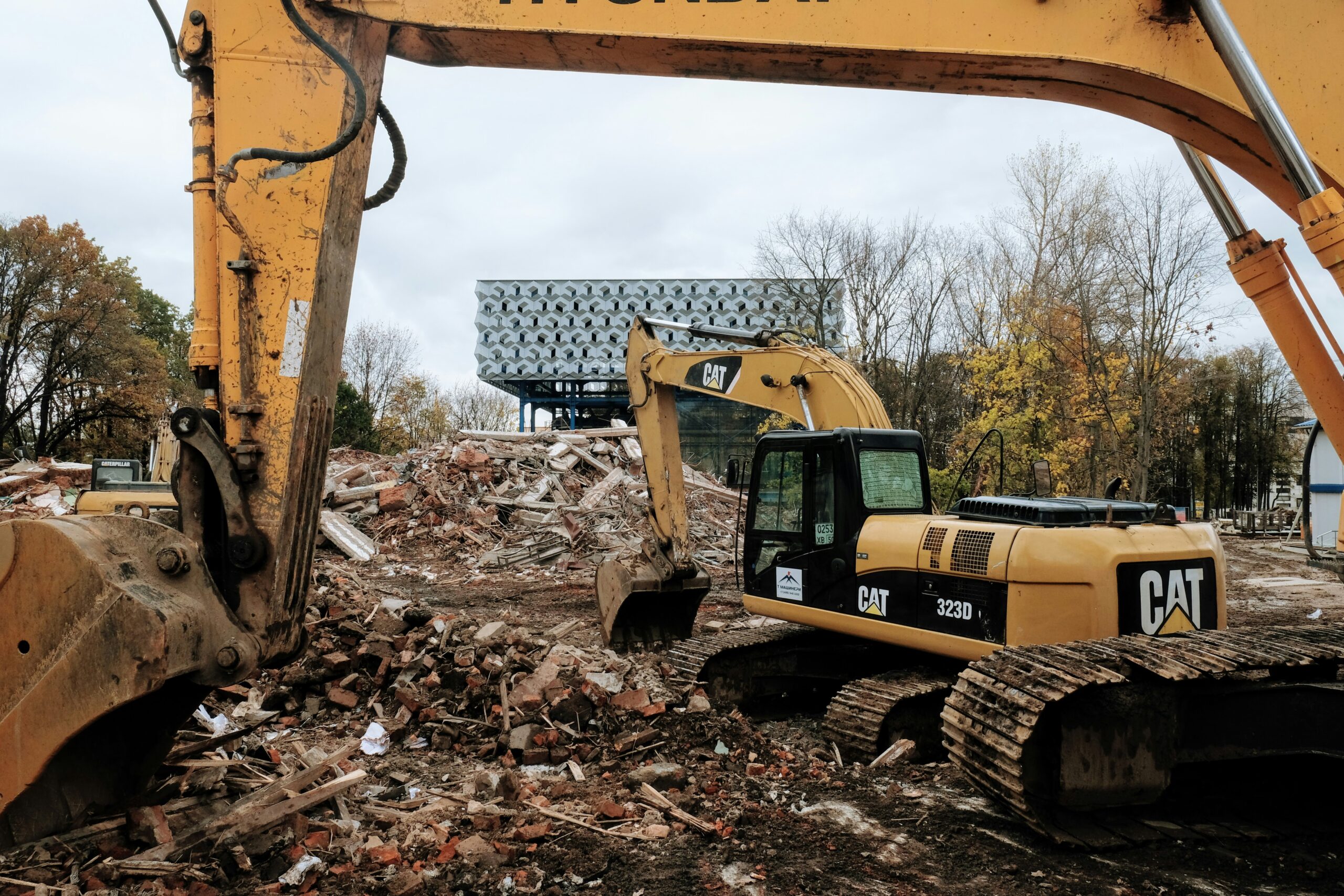
The earth, an ancient storyteller, holds within its layers the silent narratives of civilizations long gone. For archaeologists, these layers are a manuscript, each stratum a page revealing the ebb and flow of human history, the rise and fall of societies. Among the most compelling tales are those of destruction. While the slow decay of time erodes even the mightiest structures, deliberate annihilation paints a stark picture of conflict, catastrophe, or profound societal upheaval. Uncovering ancient settlement destruction, therefore, is not merely an academic pursuit; it is an act of piecing together the final chapters of forgotten peoples, seeking to understand the forces that brought their worlds to an end. This exploration delves into the methods, challenges, and profound revelations gleaned from the archaeological investigation of ancient settlements that met a violent or abrupt demise.
The destruction of an ancient settlement rarely leaves a single, unambiguous marker. Instead, it is a tapestry woven from multiple threads of evidence, each contributing to a mosaic of disaster. Archaeologists meticulously examine these silent witnesses, searching for patterns that speak of fires, violent incursions, seismic events, or sudden abandonments. The process demands a rigorous approach, combining on-the-ground observation with sophisticated laboratory analysis.
Tracing the Scars of Fire
One of the most common and visually striking indicators of destruction is fire. While accidental fires could engulf a settlement, extensive conflagrations often signify deliberate arson or the chaos of warfare. Archaeologists look for tell-tale signs such as:
Charred Remains and Vitrification
- Charred wooden beams and structural elements: The carbonized remains of timber frameworks, roofs, and even furniture provide direct evidence of intense heat. The degree of charring can indicate the intensity and duration of the fire.
- Melted or fused pottery and ceramics: High temperatures can cause unfired clay to turn to ceramic, and even fired pottery to soften and deform, sometimes fusing together. The state of these artifacts offers clues about the heat experienced.
- Vitrified mudbrick or stone: In extreme cases, mudbrick walls or even stone structures can reach temperatures high enough to melt and fuse, creating a glass-like slag. This is a powerful indicator of prolonged and intense burning.
Ash Layers and Charcoal Deposits
- Thick, homogenous ash layers: A widespread ash layer can signify the burning of organic materials like thatch, wood, and accumulated refuse. The composition of the ash can sometimes reveal what was burned.
- Concentrated charcoal deposits: Charcoal, the incomplete combustion product of wood, is an excellent indicator of burning. Its presence, particularly in large quantities or in specific patterns, can highlight areas where fires were most intense.
- Stratigraphic anomalies: The presence of ash and charcoal layers within what should be undisturbed occupation layers suggests a catastrophic event that occurred during the settlement’s active period.
The Evidence of Violence: Looting and Destruction
Beyond the inferno, a settlement’s end can be marked by the brutal hand of human conflict. Evidence of deliberate destruction, looting, and hasty abandonment speaks to invasion, rebellion, or punitive action by outsiders.
Evidence of Military Action
- Fortifications and their destruction: The presence of defensive walls, gates, and towers, and their subsequent collapse or breach, points to sieges and assaults. Identifying the methods of breaching these defenses (e.g., battering rams, sapping) is crucial.
- Projectile points and weapons: The discovery of arrowheads, spearheads, slingshot projectiles, and even fragments of weaponry embedded in walls or floors can directly indicate fighting.
- Skeletal remains with trauma: The discovery of human skeletons showing signs of violent injury (e.g., perimortem fractures, embedded projectiles) offers grim testament to the bloodshed.
Signs of Looting and Desecration
- Disrupted architectural features: Walls knocked down, floors ripped up, and deliberately broken architectural elements can suggest a search for valuables or a desire to obliterate the settlement’s identity.
- Scattered artifacts: When artifacts are found out of their original context, scattered haphazardly, it often points to hurried looting. Valuables might be missing, while less desirable items are left behind.
- Damaged graves and burial sites: The desecration of burial sites, including looted grave goods and disturbed skeletal remains, can indicate deliberate disrespect and a desire to erase the past.
Sudden Abandonment: A Silent Cataclysm
Not all destructions are marked by fire and fury. Some ancient settlements simply ceased to exist, their inhabitants vanishing as if swallowed by the earth. This sudden abandonment can be caused by a variety of factors, from environmental collapse to plague to the gradual decline of their society.
Indicators of Hasty Departure
- “In situ” artifacts: The most compelling evidence of sudden abandonment are artifacts left exactly where they were last used – a pot on a hearth, tools on a workbench, food remains still in storage jars. This indicates that people left with little to no time to pack their belongings.
- Unfinished tasks: Evidence of ongoing activities, such as unfinished pottery, partially ground grain, or tools mid-repair, points to an abrupt cessation of daily life.
- Doors left ajar or shut: The state of doorways can offer subtle clues. Doors left ajar might suggest a hasty exit, while doors deliberately sealed could indicate an attempt to secure the settlement or its contents.
Environmental and Disease Factors
- Signs of natural disaster: Evidence of earthquakes (collapsed walls, tilted structures), floods (sediment layers, waterlogged deposits), or volcanic activity (ash deposits, hardened lava) can point to nature’s role in a settlement’s demise.
- Paleopathological evidence: The analysis of skeletal remains for signs of disease can reveal if a devastating epidemic contributed to or directly caused the abandonment of a settlement.
- Changes in subsistence strategies: A sudden shift in or cessation of agricultural activity, evidenced by changes in seed deposits or animal bone assemblages, could indicate resource depletion or environmental degradation that forced inhabitants to leave.
The destruction of ancient settlements often leads to the loss of invaluable historical knowledge and cultural heritage. One fascinating aspect of ancient technology is highlighted in an article about Archimedes’ Death Ray, an alleged solar weapon that was said to have been used to defend the city of Syracuse. This article delves into the historical context and scientific analysis surrounding this intriguing invention. To learn more about this remarkable piece of ancient history, you can read the article here: Archimedes’ Death Ray: Ancient Solar Weapon Explained.
Excavating the Remains: Methodologies and Challenges
Unearthing the secrets of destroyed settlements is a painstaking process, requiring specialized techniques and careful planning. Archaeologists are no longer simply digging; they are employing a multi-disciplinary approach that combines traditional excavation with advanced scientific analysis.
Stratigraphic Excavation: Reading the Layers
The fundamental principle of archaeology is stratigraphy – the study of layers of soil and debris that accumulate over time. Proper stratigraphic excavation is paramount when dealing with destroyed settlements.
Understanding the Sequence of Events
- Precise layer recording: Each distinct layer of soil, ash, rubble, or occupation debris is meticulously documented, mapped, and sampled. This layered approach allows archaeologists to reconstruct the sequence of events.
- Identifying destruction layers: A distinct ash layer above an occupation layer, or a collapse layer overlying intact structures, clearly delineates the destructive event.
- Distinguishing destruction from later activity: It is crucial to differentiate between the layers directly related to the destruction and any subsequent occupation or disturbance of the site.
The Importance of Context
- Artifact provenience: Every recovered artifact is recorded with its precise location within the stratigraphic layers and its three-dimensional coordinates. This context is vital for interpretation.
- Spatial relationships: The spatial relationships between artifacts, features (like hearths or walls), and the destruction layers are analyzed to understand how the settlement was used and how it was destroyed.
Geophysical Surveys: Peering Beneath the Surface
Before any trowel touches the earth, geophysical surveys can provide invaluable insights into the subsurface of a site, helping to identify buried structures, features, and potential areas of destruction without extensive digging.
Ground-Penetrating Radar (GPR)
- Mapping buried structures: GPR uses radar pulses to image subsurface structures, revealing anomalies that could be walls, ditches, or large debris deposits.
- Detecting changes in soil density: GPR can identify variations in soil composition and density, which might indicate collapsed buildings or filled-in pits associated with destruction.
Magnetometry
- Identifying burnt features: Burnt areas, such as hearths and kilns, often have distinct magnetic signatures. Magnetometry can highlight these features even if they are buried.
- Locating iron objects: The presence of iron weapons or tools, often associated with conflict, can be detected by magnetometers.
Microarchaeology and Environmental Archaeology
Beyond the grand structures and obvious artifacts, the tiny remnants often hold the most potent clues to a settlement’s final moments. Microarchaeology and environmental archaeology delve into these microscopic and botanical realms.
The Power of the Small
- Soil micromorphology: Examining thin sections of soil under a microscope can reveal subtle evidence of burning, human activity, and the processes of destruction that might be invisible to the naked eye.
- Pollen and phytolith analysis: Pollen grains and plant silica bodies preserved in soil layers can reveal the prehistoric landscape, the types of crops grown, and changes in vegetation that might have contributed to or been affected by the destruction.
Reconstructing Diet and Environment
- Archaeobotany (seeds and charcoal): The study of preserved seeds and charcoal fragments provides information about the diet of the inhabitants, the agricultural practices, and the types of wood used, which can illuminate the context of destruction.
- Zooarchaeology (animal bones): Analysis of animal bones can reveal dietary patterns, hunting practices, and the impact of destruction on animal populations.
Interpreting the Catastrophe: Connecting the Dots

Once the evidence is painstakingly gathered, the true work of interpretation begins. Archaeologists must synthesize disparate lines of evidence to construct a coherent narrative of destruction, often confronting ambiguity and the limitations of the available data.
Reconstructing the Causes of Destruction
The primary goal is to determine why a settlement was destroyed. This involves considering multiple potential scenarios and evaluating which are best supported by the archaeological record.
Warfare and Invasion
- Circumstantial evidence: The presence of fortifications, weapons, and signs of violent assault, combined with a known history of conflict in the region, strongly suggests warfare.
- Lack of evidence for other causes: If evidence for environmental catastrophe or disease is absent, violent destruction becomes a more probable explanation.
Natural Disasters
- Geological evidence: Extensive evidence of seismic activity (faulting, liquefaction), volcanic ash layers, or significant flood deposits points towards natural forces.
- Lack of evidence for human conflict: If there are no signs of weapons or deliberate destruction of fortifications, natural disaster is a likely cause.
Socio-Economic Collapse and Abandonment
- Gradual decline or sudden depopulation: Evidence of resource depletion, unsustainable practices, or a shift in trade routes can suggest socio-economic causes for abandonment.
- Paleopathological evidence: A widespread pattern of disease in the skeletal remains strongly points to epidemic.
Dating the Destruction Event: Pinpointing the Time
Accurately dating the destruction event is crucial for placing it within the broader historical context and for understanding the reasons behind it.
Radiocarbon Dating (¹⁴C)
- Dating organic materials: This technique dates organic materials like charcoal, bone, and seeds. It is a primary tool for dating destruction layers.
- Calibration curves: Radiocarbon dates are calibrated against known atmospheric carbon levels to provide more precise calendar dates.
Thermoluminescence (TL) and Optically Stimulated Luminescence (OSL) Dating
- Dating fired materials: TL and OSL dating can be used to date materials that have been heated, such as pottery or burnt flint, or sedimentary layers that have been exposed to sunlight.
Dendrochronology (Tree-Ring Dating)
- Precise dating of wooden structures: If well-preserved wooden beams are found, dendrochronology can provide exceptionally precise calendar dates for their felling and thus, the timeframe of the destruction.
Stratigraphic Correlation
- Relative dating: The layered sequence of the site, when correlated with known historical periods or datable artifacts, can provide relative dating for the destruction event.
Challenges and Ethical Considerations in Studying Destruction

The study of ancient settlement destruction is not without its challenges and ethical considerations. The very nature of destruction often means that evidence is fragmented, buried, or even lost forever. Moreover, the human stories behind these calamities demand respect and careful handling.
The Fragility of the Archaeological Record
Destruction, by its very definition, disrupts the archaeological record. This can make interpretation exceptionally difficult.
Incomplete Preservation
- Erosion and natural processes: Weathering, erosion, and natural decay can obliterate fragile evidence of destruction over time.
- Later human interference: Subsequent human activity, from ancient farmers digging fields to modern construction, can disturb or destroy the evidence of earlier destruction events.
Distinguishing Intentional from Accidental
- The ambiguity of fire: While fire is a clear sign of destruction, distinguishing between accidental fires and intentional arson can be challenging without corroborating evidence.
- Interpreting collapse: Determining whether a collapsed wall was the result of an earthquake, a siege, or simple age requires careful analysis of multiple factors.
Ethical Responsibilities
The study of destruction inherently deals with human suffering and loss. Archaeologists carry a significant ethical responsibility in how they conduct their research and present their findings.
Respect for the Deceased
- Sensitivity in excavating burials: When human remains are found within destruction contexts, their excavation and analysis must be conducted with the utmost respect and sensitivity.
- Holistic interpretation: The remains are not just academic data; they represent individuals who lived and died, and their stories should be told with dignity.
Collaborative Approaches and Community Engagement
- Working with descendant communities: If descendant communities exist, collaboration and consultation are essential in understanding and interpreting the destruction of their ancestral sites.
- Sharing knowledge responsibly: Findings should be communicated in a way that is accessible and understandable to the wider public, while avoiding sensationalism or misrepresentation.
The Importance of Preservation
Once a site of destruction is identified, its preservation becomes paramount to prevent further damage and to allow for future research.
Site Management and Protection
- Preventing looting and vandalism: Active measures must be taken to protect sites from looters and other destructive human activities.
- Long-term conservation strategies: Developing and implementing long-term conservation plans are crucial for ensuring the survival of the archaeological evidence.
The destruction of ancient settlements has long been a topic of concern for historians and archaeologists alike, as it often leads to the loss of invaluable cultural heritage. Recent discussions have highlighted the impact of modern developments on these historical sites, emphasizing the need for sustainable practices that protect our past. For those interested in the intersection of economic growth and cultural preservation, a related article explores the potential of Monterrey as a nearshoring investment opportunity, shedding light on how urban expansion can coexist with the safeguarding of historical landmarks. You can read more about this topic in the article here: Monterrey: The Ideal Nearshoring Investment Opportunity.
The Enduring Legacy: Lessons from the Ruins
| Settlement | Time Period | Cause of Destruction |
|---|---|---|
| Troy | 13th century BC | War and conflict |
| Pompeii | 79 AD | Volcanic eruption |
| Carthage | 146 BC | Conquest and destruction by Rome |
Uncovering ancient settlement destruction is more than just an academic exercise; it offers profound insights into the human condition and the forces that shape societies. The tales of their endings resonate with lessons that continue to be relevant today.
Understanding Human Conflict and Resilience
The study of destroyed settlements provides a tangible record of human conflict, the devastating consequences of warfare, and the ingenuity of defense. It also highlights the remarkable resilience of human societies, their ability to rebuild and persevere even after cataclysmic events.
The Cycle of Conflict
- Patterns of aggression: Examining numerous destroyed settlements can reveal recurring patterns of conflict, the motivations behind them, and the strategies employed by aggressors and defenders.
- The cost of war: The physical evidence of destruction serves as a stark reminder of the human and material cost of armed conflict.
Rebuilding and Adaptation
- Evidence of reconstruction: Even after destruction, some settlements show evidence of rebuilding or adaptation, demonstrating the enduring will to survive and thrive.
- Lessons for the present: Understanding how past societies responded to destruction can offer valuable perspectives for our own approaches to disaster preparedness and recovery.
Environmental Vulnerability and Societal Collapse
The investigation of settlements destroyed by natural disasters or environmental degradation underscores our own vulnerability to the forces of nature and the consequences of unsustainable practices.
The Impact of Climate Change
- Historical parallels: Studying ancient societies that faced environmental collapse due to climate shifts can provide valuable historical parallels to our current climate challenges.
- The interconnectedness of society and environment: These sites demonstrate how deeply intertwined a society’s well-being is with the health of its environment.
The Fragility of Civilization
- Warning signs: The collapse of ancient civilizations, often preceded by indicators of environmental stress or social unrest, can serve as a warning for present-day societies.
- The need for sustainability: The remains of these lost worlds emphasize the critical importance of sustainable practices and responsible resource management.
The Echoes of Lost Voices
Ultimately, uncovering ancient settlement destruction is about giving voice to the silent. It is about piecing together the fragments of lives lived and lost, understanding their triumphs and their tragedies, and ensuring that their stories, however tragic their end, are not forgotten. Each unearthed artifact, each deciphered layer, is a whisper from the past, a reminder of our shared human journey and the enduring lessons etched in the very fabric of our planet. The ruins stand not just as monuments to destruction, but as profound testaments to human experience, resilience, and the ceaseless quest to understand our place in the grand tapestry of time.

What Heated These Minerals? (The Abu Hureyra Mystery)
FAQs
What is an ancient settlement?
An ancient settlement refers to a community or village that was established in ancient times, typically before the Middle Ages. These settlements were often characterized by their architecture, infrastructure, and cultural practices.
What caused the destruction of ancient settlements?
Ancient settlements were often destroyed by a variety of factors, including natural disasters such as earthquakes, floods, and volcanic eruptions. Additionally, warfare, invasion by foreign powers, and internal conflicts within the community could also lead to the destruction of ancient settlements.
What evidence is used to study ancient settlement destruction?
Archaeologists use a variety of evidence to study ancient settlement destruction, including physical remains such as building foundations, artifacts, and human remains. They also analyze historical records, geological data, and other scientific methods to understand the causes and effects of ancient settlement destruction.
What can we learn from studying ancient settlement destruction?
Studying ancient settlement destruction can provide valuable insights into the resilience of ancient communities, the impact of environmental and human factors on settlements, and the ways in which societies adapted to and recovered from catastrophic events. It can also shed light on the cultural, economic, and political dynamics of ancient civilizations.
Are there any famous examples of ancient settlement destruction?
Yes, there are several famous examples of ancient settlement destruction, including the destruction of Pompeii by the eruption of Mount Vesuvius in 79 AD, the sacking of Rome by the Visigoths in 410 AD, and the abandonment of the Ancestral Puebloan settlements in the American Southwest due to environmental changes. These events have been extensively studied and continue to provide valuable insights into ancient settlement destruction.