A new documentary, “Uncovering the Past: Scientific Archaeology,” promises to take viewers on an unprecedented journey through the millennia, revealing the groundbreaking techniques and meticulous methodologies that modern archaeology employs to reconstruct human history. Moving beyond the romanticized image of dusty trowels and Indiana Jones-esque adventures, this film delves into the scientific engine that drives archaeological discovery, showcasing how cutting-edge technology and interdisciplinary collaboration are transforming our understanding of ancient civilizations. The documentary highlights the sheer intellectual rigor involved, presenting archaeologists not just as excavators, but as sophisticated investigators piecing together fragments of evidence to answer fundamental questions about our origins, our societies, and our place in the broader sweep of time.
The documentary opens by emphasizing that the primary source material for archaeology lies literally beneath our feet. It stresses that the past is not a distant, unknowable realm, but a tangible reality preserved in the soil, stone, and artifacts that humans have left behind. “Uncovering the Past” meticulously illustrates the process of identifying potential archaeological sites, showcasing how various geographical and historical factors can hint at the presence of ancient settlements, trade routes, or battlegrounds. The careful selection of excavation locations is presented as a critical first step, a decision informed by extensive research and often guided by non-invasive survey techniques.
From Survey to Site: Locating the Lost
The film dedicates significant segments to the initial stages of archaeological investigation, moving beyond simple visual reconnaissance. Viewers witness how archaeologists employ sophisticated mapping technologies, including Geographic Information Systems (GIS), to analyze landscapes and identify anomalies that might indicate buried structures or features.
Remote Sensing: Seeing Beneath the Surface
A particularly captivating section focuses on remote sensing technologies. The audience is introduced to aerial photography, which can reveal subtle variations in vegetation or soil color that betray the presence of underlying walls or ditches. This is followed by an in-depth look at Ground Penetrating Radar (GPR), a technique that uses radio waves to create subsurface images, effectively allowing archaeologists to “see” the buried past without disturbing it. The documentary demonstrates how GPR data, when interpreted by skilled specialists, can reveal the outlines of ancient buildings, pathways, and even burial chambers, dramatically narrowing down areas for focused excavation.
Magnetometry and Electrical Resistivity: Detecting Subtle Signatures
Further exploring non-invasive methods, the documentary showcases magnetometry and electrical resistivity surveys. The former measures variations in the Earth’s magnetic field, which can be influenced by fired clay features, buried metal objects, or even ancient hearths. Electrical resistivity, on the other hand, measures the resistance of the soil to an electrical current, allowing archaeologists to identify differences in soil moisture and density that often correspond to buried features like walls or pits. The visual representations of these data, often displayed as colorful heat maps, are striking and highlight the invisible archaeological landscape.
The Art of Excavation: Precision in the Dirt
Once a site is identified and deemed worthy of excavation, the documentary transitions to the painstaking process of unearthing the physical record. It moves away from the notion of simply digging holes and instead highlights the highly systematic and controlled approach that characterizes modern archaeological fieldwork. The emphasis is on preserving context, the spatial relationships between artifacts and features, which is crucial for their interpretation.
Stratigraphy: Reading the Layers of Time
A core concept explained is stratigraphy, the study of the layers of soil and sediment that accumulate over time. The documentary vividly illustrates how these layers act as a chronological record, with the oldest deposits found at the bottom and the youngest at the top. Archaeologists are presented as forensic analysts of the soil, meticulously documenting the sequence and composition of each layer. This understanding of stratigraphic layers is fundamental to establishing relative dating and understanding the chronological development of a site.
Grid Systems and Excavation Units: Methodical Removal
Viewers see the systematic application of grid systems, dividing the excavation area into manageable squares. This allows for precise recording of the provenance (exact location) of every artifact and feature. The documentary emphasizes the slow, deliberate process of excavating each unit, often using small tools like trowels, brushes, and even dental picks, to ensure that no detail is missed and no artifact is damaged. The notion of “over-excavation” – digging too deeply or too broadly – is presented as a cardinal sin in scientific archaeology, underscoring the commitment to preservation.
In the realm of scientific archaeology, the exploration of celestial bodies like the Moon can provide valuable insights into our understanding of ancient civilizations and their potential interactions with space. A related article discusses NASA’s plans to control the Moon’s water ice, which could have significant implications for future lunar missions and the search for extraterrestrial life. For more information on this fascinating topic, you can read the article here: NASA to Control Moon’s Water Ice.
Beyond the Shovel: Scientific Analysis in the Lab
“Uncovering the Past” then shifts its focus from the field to the laboratory, revealing the crucial role of scientific analysis in extracting meaning from excavated materials. The documentary argues that what is found on site is only the beginning of the discovery process. It showcases a dazzling array of scientific techniques employed to analyze artifacts, human remains, and environmental samples, each providing a unique window into the past.
Material Culture: Decoding the Objects of Life
The analysis of artifacts, or material culture, forms a significant portion of the laboratory work. The film demonstrates how techniques like microscopy, X-ray fluorescence (XRF), and Fourier-transform infrared spectroscopy (FTIR) are used to identify the composition and origin of pottery, stone tools, and metal objects. This allows archaeologists to understand trade networks, technological capabilities, and the very substances that ancient people used to craft their world.
Ceramic Analysis: Tracing Pots and People
The documentary delves into the detailed analysis of pottery fragments, often the most abundant artifact type found at archaeological sites. Viewers learn how archaeologists examine the clay composition, temper (inclusions in the clay), firing techniques, and decorative styles to identify different pottery traditions and their temporal and geographical distributions. This can reveal migration patterns, cultural exchange, and even the social status of individuals who used these vessels.
Lithic Analysis: Understanding Stone Technology
The study of stone tools, or lithics, is also highlighted. The documentary explains how archaeologists analyze the raw materials used, the manufacturing techniques (flintknapping), and the wear patterns on tools to understand the activities for which they were used, such as hunting, butchery, or crafting. Microscopic analysis of use-wear can reveal the specific materials that were processed by these ancient tools, offering intimate details about daily life.
Bioarchaeology and Paleoanthropology: The Science of Human Remains
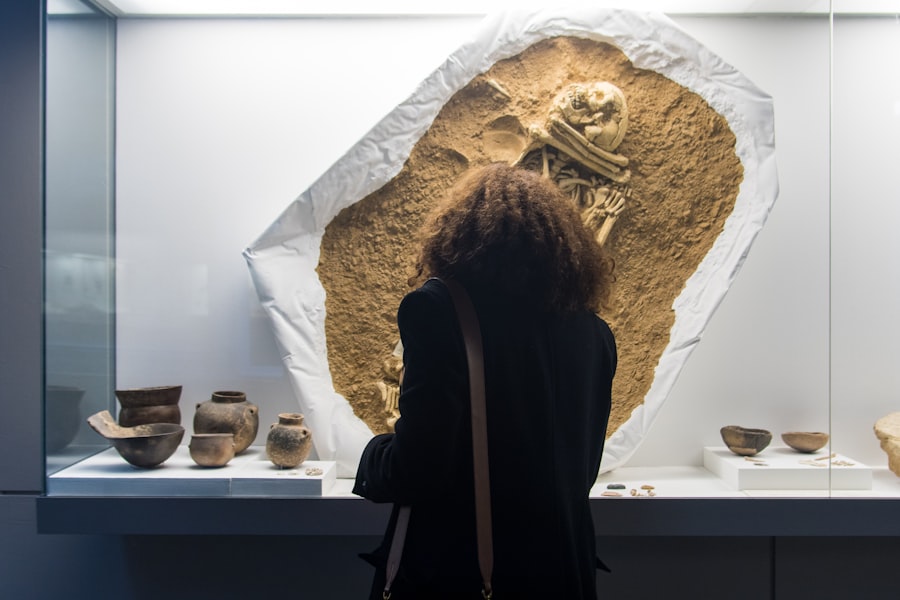
One of the most compelling aspects of modern archaeology is its ability to study human remains. “Uncovering the Past” presents bioarchaeology and paleoanthropology not as morbid curiosities, but as vital scientific disciplines that provide profound insights into the health, diet, lifestyle, and evolutionary journey of ancient populations.
Ancient DNA (aDNA) Analysis: Unlocking Genetic Histories
A groundbreaking segment is dedicated to ancient DNA (aDNA) analysis. The documentary explains how scientists can extract and sequence DNA from skeletal remains, revealing information about ancestry, kinship, migration patterns, and even the prevalence of certain diseases in past populations. The ethical considerations surrounding the study of human remains are also thoughtfully addressed, emphasizing respect and collaboration with descendant communities.
Isotope Analysis: Tracing Diet and Mobility
The film explores the power of stable isotope analysis, particularly carbon and nitrogen isotopes found in bones and teeth. This technique allows archaeologists to reconstruct the diets of ancient individuals, identifying whether they primarily consumed plant-based foods, meat, or fish. Strontium isotope analysis can even reveal the geographic origins of individuals, indicating their mobility patterns and whether they were born in the region where their remains were found.
Skeletal Trauma and Pathology: Understanding Life and Death
Archaeologists, in collaboration with physical anthropologists and bioarchaeologists, meticulously examine skeletal remains for signs of trauma, disease, and developmental anomalies. The documentary illustrates how evidence of healed fractures can speak to the dangers of ancient life, while signs of nutritional deficiencies or chronic illness offer insights into the health challenges faced by past societies. This analysis provides a direct link to the lived experiences of individuals long gone.
Chronometry: Pinpointing the Past in Time

Beyond understanding what happened and who was involved, a critical goal of archaeology is to determine when it happened. “Uncovering the Past” dedicates substantial time to the scientific methods used to establish timelines, showcasing techniques that provide precise dates for archaeological finds and events.
Radiocarbon Dating: The Golden Standard
The documentary introduces radiocarbon dating, often referred to as carbon-14 dating, as a cornerstone of chronological analysis. The process of radioactive decay is explained in accessible terms, illustrating how the predictable rate of decay of carbon-14 allows scientists to estimate the age of organic materials, such as bone, wood, and charcoal, up to approximately 50,000 years ago. The care taken in sample preparation and the statistical interpretation of results are emphasized to highlight the scientific rigor involved.
Calibration Curves: Refining the Dates
The film also touches upon the importance of calibration curves, which correct for fluctuations in atmospheric carbon-14 levels over time. This sophisticated process allows for more accurate and precise dating, transforming raw radiocarbon measurements into meaningful chronological frameworks.
Beyond Radiocarbon: Other Chronological Tools
While radiocarbon dating is widely known, the documentary also explores other critical dating techniques, demonstrating the breadth of chronological tools available to archaeologists.
Dendrochronology: The Tree Ring Record
Dendrochronology, the science of dating by tree rings, is presented as a highly accurate method for dating wooden artifacts and structures. The documentary explains how variations in tree ring width, influenced by annual climate conditions, create a unique regional “fingerprint” that can be matched to existing chronologies. This method can provide year-by-year precision for sites with well-preserved wood.
Thermoluminescence and Optically Stimulated Luminescence (OSL) Dating: Dating Inorganic Materials
The film introduces thermoluminescence (TL) and optically stimulated luminescence (OSL) dating, which are used to date inorganic materials like pottery, burnt flint, and sediments. These techniques measure the accumulation of trapped electrons within the crystalline structure of these materials, providing estimates of the time elapsed since they were last exposed to heat or sunlight, respectively. This allows archaeologists to date features and artifacts that are not organic.
Reconstructing Environments: The Past as a Living Ecosystem
Archaeology is not solely focused on human activity; it also seeks to understand the environmental contexts in which past societies lived. “Uncovering the Past” highlights the crucial role of paleoenvironmental reconstructions, demonstrating how scientists use a variety of proxies to bring the ancient landscapes back to life. This understanding of past climates and ecosystems is essential for interpreting human behavior and societal development.
Paleobotany and Palynology: The Stories in Seeds and Pollen
The documentary explores the fields of paleobotany and palynology. Paleobotanists study ancient plant remains, such as seeds, nuts, and wood fragments, to reconstruct the flora of past environments and understand ancient agricultural practices. Palynologists analyze pollen grains preserved in sediment cores, which can reveal the dominant vegetation types present at different times, offering insights into past climate and land use.
Archaeobotany: Diet and Agriculture
The film showcases how archaeobotanists meticulously sort and identify fossilized seeds and plant fragments recovered from archaeological sites. This provides direct evidence of the plants that ancient people ate, cultivated, and used for various purposes. The presence of domesticated plant species, for example, is a clear indicator of agricultural development.
Pollen Analysis: Reconstructing Ancient Landscapes
The visualization of pollen analysis data is particularly striking, showing how scientists can reconstruct the composition of ancient forests, grasslands, and wetlands. Changes in pollen assemblages over time can indicate significant shifts in climate, such as periods of increased rainfall or drought, and human impact on the landscape, such as deforestation for agriculture or fuel.
Zooarchaeology: Understanding Animal Use and Environments
Zooarchaeology, the study of animal remains, is another vital component of environmental reconstruction. The documentary explains how analyzing bones, teeth, and shells from archaeological sites can reveal information about the animals that ancient people hunted, herded, and consumed.
Fauna and Subsistence Patterns: What’s for Dinner?
By identifying the species of animals present and the condition of their remains (e.g., evidence of butchery), zooarchaeologists can reconstruct past subsistence strategies. This can indicate whether ancient populations were primarily hunter-gatherers or relied on domesticated livestock. The documentary shows how understanding the age and sex of animal remains can also reveal information about hunting strategies and animal husbandry practices.
Environmental Indicators: Animals as Clues
Certain animal species are highly sensitive to specific environmental conditions. The documentary illustrates how the presence or absence of particular fauna can serve as valuable indicators of past climate, habitat, and water availability, further enriching the paleoenvironmental picture.
In the fascinating realm of scientific archaeology, the exploration of ancient technologies continues to unveil secrets of our past. A related article that delves into this intriguing subject is available at Lost Secrets: Who Buried Advanced Ancient Tech?, which discusses the implications of advanced tools and techniques used by ancient civilizations. This documentary not only highlights the findings of archaeologists but also raises questions about the knowledge that may have been lost over time.
Challenges and the Future of Archaeological Science
| Documentary Title | Release Year | Director | Duration |
|---|---|---|---|
| Secrets of the Dead: The Lost Gardens of Babylon | 2014 | Rob Cowling | 60 minutes |
| Lost Worlds: The Story of Archaeology | 2000 | Phil Grabsky | 120 minutes |
| First Civilizations | 2018 | Multiple Directors | 4 episodes, 60 minutes each |
“Uncovering the Past” concludes by acknowledging the inherent challenges in archaeological research and looking towards the future of the discipline. The documentary emphasizes that archaeology is a dynamic field, constantly evolving with new technologies and theoretical frameworks. The ethical considerations surrounding the excavation and interpretation of human heritage are also highlighted, stressing the importance of collaboration with local communities and the responsible stewardship of cultural heritage.
The Anthropocene and Heritage Preservation: Protecting a Finite Resource
The film addresses the growing threat of the Anthropocene – the current geological epoch defined by human impact on the Earth’s systems – to archaeological sites worldwide. Erosion, urbanization, and climate change are all accelerating the destruction of irreplaceable heritage. The documentary underscores the urgent need for proactive preservation strategies and the invaluable role of scientific archaeology in documenting and understanding these sites before they are lost forever.
Big Data and Computational Archaeology: New Frontiers in Analysis
A forward-looking segment explores the emerging field of big data and computational archaeology. The documentary suggests that the vast amounts of data generated by modern archaeological surveys and analyses are now being harnessed through advanced computational methods. This includes sophisticated modeling techniques, artificial intelligence, and virtual reality to analyze complex datasets, simulate ancient processes, and create immersive reconstructions of past environments and societies.
Interdisciplinary Collaboration: A Holistic Understanding
Ultimately, “Uncovering the Past: Scientific Archaeology” powerfully argues that a holistic understanding of human history requires the integration of knowledge from a multitude of disciplines. From geologists and chemists to geneticists and anthropologists, the documentary showcases how a collaborative, interdisciplinary approach is essential for unlocking the full potential of archaeological discovery. The film leaves viewers with a profound appreciation for the intricate scientific endeavor that is modern archaeology, revealing how by meticulously studying the remnants of our ancestors, we gain invaluable insights into who we are and where we came from.

What Heated These Minerals? (The Abu Hureyra Mystery)
FAQs
What is scientific archaeology?
Scientific archaeology is the study of past human cultures and societies through the analysis of material remains such as artifacts, architecture, and ecofacts. It involves the use of scientific methods and techniques to uncover and interpret the past.
What is a documentary in the context of archaeology?
In the context of archaeology, a documentary is a non-fictional film or video that presents factual information about archaeological discoveries, research, and methodologies. It aims to educate and inform viewers about the scientific aspects of archaeology.
What can viewers expect from a scientific archaeology documentary?
Viewers can expect to learn about the latest archaeological discoveries, excavation techniques, scientific analyses of artifacts, and the interpretation of archaeological findings. Scientific archaeology documentaries often feature interviews with archaeologists and experts in the field.
How does scientific archaeology contribute to our understanding of history?
Scientific archaeology contributes to our understanding of history by providing tangible evidence of past human activities and behaviors. Through the analysis of archaeological remains, researchers can reconstruct ancient societies, economies, technologies, and cultural practices.
Why is it important to promote scientific archaeology through documentaries?
Promoting scientific archaeology through documentaries helps to raise public awareness about the importance of preserving and studying the past. It also fosters an appreciation for the scientific methods and ethical considerations involved in archaeological research.