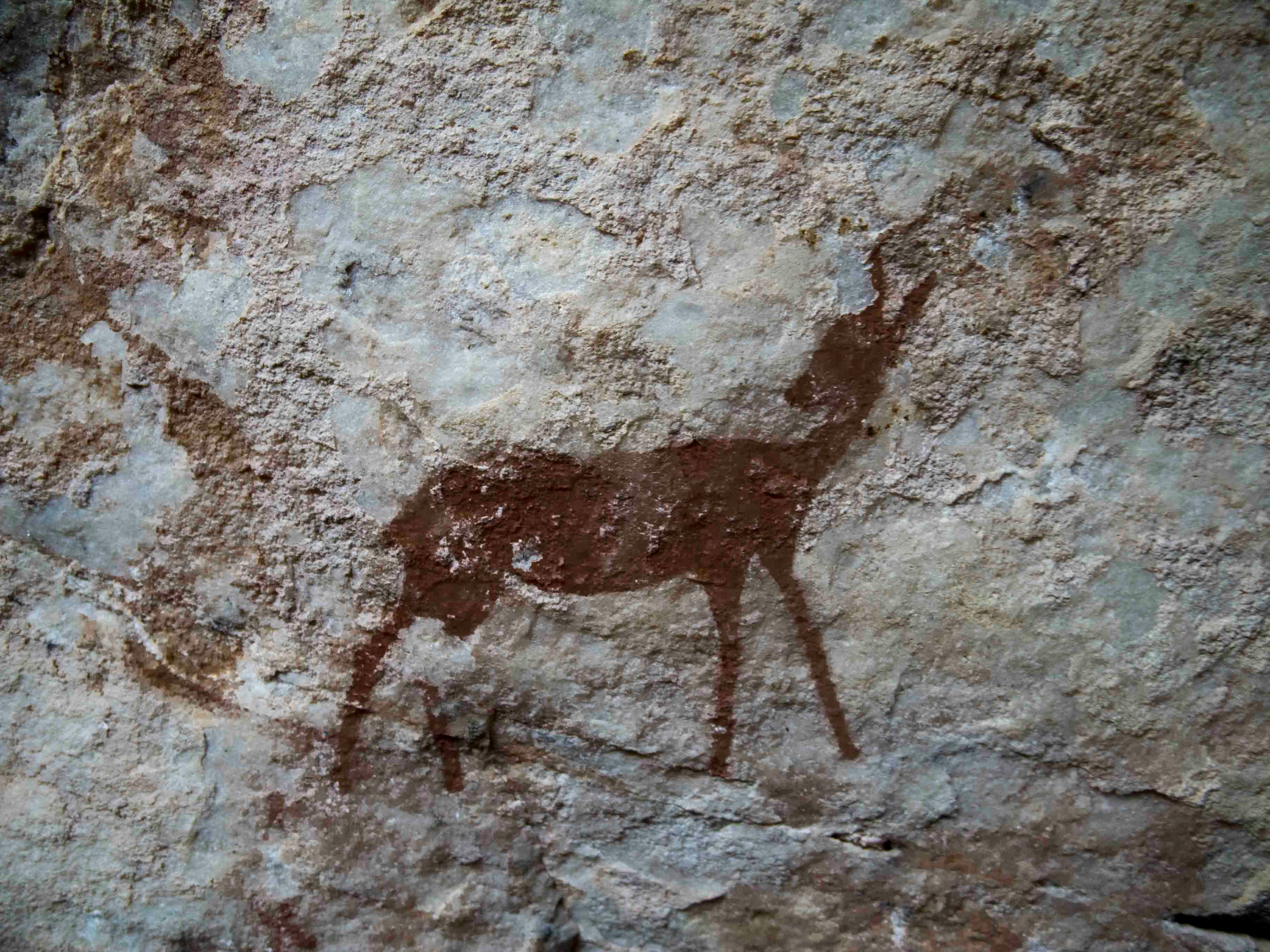
Unearthing the Past: History, Documentary, and Archaeology is a compelling exploration into the interwoven disciplines of history, documentary filmmaking, and archaeology, and how their collaborative efforts illuminate the human story. Each field, while distinct in its methodologies and immediate outputs, ultimately converges on the fundamental goal of understanding our origins, our societies, and the forces that have shaped our present. This article delves into the symbiotic relationship between these disciplines, examining their individual contributions and their synergistic power in reconstructing narratives from the fragmented echoes of time.
History, as an academic discipline, is the systematic study of the past. It is concerned with understanding human events, actions, and societies through the examination of evidence. This evidence can be remarkably diverse, ranging from written texts and oral traditions to material artifacts and environmental data. The historian’s task is to interpret this evidence, to identify patterns, connections, and causal relationships, and to construct coherent narratives that explain how and why past events unfolded as they did. The pursuit of historical knowledge is not merely an academic exercise; it is a fundamental human endeavor to comprehend our collective identity and to draw lessons from the experiences of those who came before.
The Historian’s Toolkit: Sources and Interpretation
The historian’s primary engagement is with sources. These are the raw materials from which historical understanding is built. Sources can be broadly categorized into two types: primary and secondary. Primary sources are contemporary accounts or artifacts from the period being studied. This could include letters, diaries, government documents, paintings, photographs, or physical remains like tools and buildings. Secondary sources, on the other hand, are interpretations and analyses of primary sources, often written by historians or other scholars after the fact. Textbooks, scholarly articles, and biographies are examples of secondary sources.
The interpretation of these sources is a complex and critical process. Historians must not only identify the source but also critically evaluate its origin, purpose, audience, and potential biases. A document written by a king, for example, will offer a different perspective than one written by a peasant. The historian must be aware of these differences and strive to understand the context in which the source was created. Furthermore, historical understanding is rarely static. New evidence can emerge, new analytical tools can be developed, and prevailing societal perspectives can shift, all of which can lead to re-interpretations of established historical narratives. This dynamic nature of historical inquiry underscores the importance of rigorous methodology and open-mindedness.
The Narrative Construction: Weaving the Threads of Time
Ultimately, history is about storytelling. However, it is a storytelling grounded in evidence and subject to critical scrutiny. Historians construct narratives to make sense of the past for their readers. These narratives are not simply chronological accounts of events; they aim to explain motivations, explore consequences, and highlight significant themes and turning points. The art of historical writing lies in its ability to engage the reader, to bring the past to life, and to convey the complexities and nuances of human experience without resorting to sensationalism or oversimplification. The ongoing debate and discussion among historians about different interpretations of the past are a healthy sign of a vibrant and evolving field.
In the realm of history documentary archaeology, the exploration of ancient construction techniques often leads to fascinating discoveries. A compelling article that delves into one such mystery is “Unraveling the Baalbek Stone Block Mystery,” which examines the colossal stone blocks at Baalbek, Lebanon, and the engineering prowess of the ancient civilizations that created them. For a deeper understanding of this archaeological enigma, you can read the article here: Unraveling the Baalbek Stone Block Mystery.
The Art of Revelation: Documentary as Historical Lens
Documentary filmmaking, at its best, acts as a powerful visual and auditory lens through which to view and understand history. While not a formal academic discipline in the same vein as history or archaeology, documentary film offers a unique medium for presenting historical research, making it accessible to a wider audience, and often, for generating new avenues of inquiry. Documentaries can bring historical sites to life, introduce viewers to historical figures through archival footage and re-enactments, and present complex historical arguments in an engaging and accessible format.
Visualizing the Past: Archival Footage and Re-enactments
One of the most potent tools in the documentary filmmaker’s arsenal is archival footage. This collection of existing film, photographs, and sound recordings from historical periods offers a direct, albeit often curated, glimpse into the past. The raw immediacy of genuine historical visual material can be deeply impactful, allowing viewers to witness events as they unfolded or to see historical figures as they lived. The careful selection and juxtaposition of archival materials can create powerful emotional resonance and provide undeniable evidence for historical claims.
Supplementing archival footage are re-enactments. These are dramatized portrayals of historical events or scenes, often filmed with actors dressed in period costumes and using historically accurate settings and props. While re-enactments can be invaluable for illustrating events for which no visual documentation exists, they also present significant interpretive challenges. Filmmakers must strive for historical accuracy in their portrayals, but it is crucial for audiences to understand that re-enactments are, by their nature, interpretations. The choices made by the director, the actors, and the scriptwriters inevitably shape the narrative and can carry their own biases or perspectives. When done responsibly, re-enactments can serve as powerful pedagogical tools, but transparency about their construction is essential.
The Power of Narrative: Crafting a Compelling Story
Beyond the visual elements, documentary filmmaking is fundamentally about storytelling. Documentaries are crafted narratives that guide the viewer through a particular historical subject. Filmmakers employ techniques such as interviews with historians and experts, voice-over narration, character-driven storylines, and thematic structuring to build a coherent and engaging account. The effectiveness of a historical documentary often hinges on its ability to transcend dry recitation of facts and to imbue the past with human drama, emotional resonance, and intellectual intrigue. A well-made documentary can foster empathy, provoke critical thinking, and leave a lasting impression on its audience, encouraging them to seek out further knowledge.
The Tangible Evidence: Archaeology’s Footprint

Archaeology offers a unique and indispensable counterpoint to textual and visual historical records. It is the scientific study of human history and prehistory through the excavation of sites and the analysis of artifacts and other physical remains. While history often relies on written accounts, many periods of human existence, particularly in deep prehistory, are bereft of such records. For these eras, and indeed to corroborate or challenge written accounts of later periods, archaeology provides the only direct evidence of how people lived, what they ate, what they believed, and how their societies were organized.
Excavation and Discovery: The Ground Beneath Our Feet
The cornerstone of archaeological practice is excavation. This is a meticulous and systematic process of digging into the earth to uncover buried evidence of past human activity. Archaeologists use sophisticated techniques to record the precise location and context of every find, understanding that the stratigraphic layers – the different levels of soil and sediment that build up over time – are crucial to dating and understanding the relationships between artifacts. Each shovel of dirt and every unearthed pottery shard or bone fragment is treated as a potential piece of a much larger puzzle.
The process of discovery in archaeology can be thrilling. Unearthing a perfectly preserved tool from millennia ago, a forgotten temple structure, or the remains of an ancient settlement provides a tangible link to our ancestors. These discoveries are not merely objects; they are silent witnesses to human ingenuity, adaptation, and resilience. The meticulous documentation and careful recovery of these finds are paramount, ensuring that their scientific value is maximized and that they can be preserved for future study and public appreciation.
Artifact Analysis: Unlocking Secrets in Stone, Bone, and Pottery
Once artifacts are excavated, they are subjected to rigorous analysis. This is where the scientific nature of archaeology truly shines. Pottery shards can reveal trade networks, technological capabilities, and even dietary habits through residue analysis. Stone tools provide insights into early human cognition, resourcefulness, and technological development. Animal and human skeletal remains offer information about diet, health, migration patterns, and social structures. The analysis of organic materials, through techniques like radiocarbon dating, provides crucial chronological frameworks for understanding the sequence of events and the development of cultures.
Archaeological science is a multidisciplinary endeavor, drawing on expertise from geology, biology, chemistry, and physical anthropology, among other fields. Increasingly, advanced technologies are revolutionizing artifact analysis. DNA sequencing can reveal ancestral origins and relationships, while isotopic analysis can trace an individual’s diet and geographic movements. These scientific methods allow archaeologists to extract unprecedented levels of information from seemingly humble remains, transforming fragments of the past into rich narratives.
The Synergistic Embrace: Collaboration and Cross-Pollination

The most compelling and comprehensive understanding of the past arises when history, documentary, and archaeology work in concert. Each discipline offers unique strengths that, when combined, create a richer, more nuanced, and more accessible portrayal of human history. This synergy is not merely additive; it is transformative, opening up new perspectives and strengthening the validity of findings.
Bridging the Gaps: Textual and Material Evidence
History, particularly for periods with abundant written records, often provides the overarching narrative framework. Archaeologists, however, can unearth material evidence that either supports, challenges, or expands upon these historical accounts. For instance, an ancient text might describe a grand temple, but an archaeological excavation reveals its actual dimensions, its architectural innovations, and the daily lives of the people who worked and worshiped there. Conversely, archaeological findings from periods lacking written records can provide initial clues that historians then explore through comparative analysis or by searching for tangential textual evidence.
Documentary films can serve as powerful bridges between these two areas. They can bring archaeological discoveries to life for a wider audience, explaining the significance of a dig site or the meaning of an unearthed artifact. By interviewing archaeologists and historians, a documentary can weave together the material evidence with the textual interpretations, offering a more complete picture. For example, a film about Roman Britain might combine footage of surviving Roman ruins with readings from Roman historians and discussions with archaeologists about the daily lives of the people who inhabited those spaces, based on their findings.
Reaching New Audiences: Accessibility and Engagement
One of the most significant benefits of the collaborative embrace between these disciplines is their combined power to reach and engage wider audiences. History, by its very nature, can sometimes be perceived as academic and inaccessible. Archaeology, while fascinating, often requires specialized knowledge to fully appreciate. Documentary films, with their inherent visual and narrative appeal, can democratize access to historical knowledge.
A documentary that expertly blends historical accounts with compelling archaeological evidence, and presents it through engaging storytelling and stunning visuals, can captivate viewers who might never pick up a scholarly monograph. This broadened engagement can inspire public interest in history and archaeology, leading to increased support for research, conservation efforts, and educational initiatives. The thrill of discovery, the human drama of past lives, and the profound questions about our origins can all be effectively conveyed through well-crafted documentaries, sparking curiosity and a lifelong engagement with the past.
In exploring the fascinating intersection of history and archaeology, one can gain deeper insights into the evolution of manufacturing in the United States. A related article discusses the significant shift to southern U.S. manufacturing, highlighting how this transition has influenced both economic and cultural landscapes. For a more in-depth understanding of these changes, you can read the article here. This piece not only sheds light on the historical context but also emphasizes the archaeological implications of such developments in the region.
Challenges and the Future: Evolving Methodologies and Ethical Considerations
| Documentary Title | Year Released | Director | Duration (minutes) |
|---|---|---|---|
| Secrets of the Dead: The Lost Gardens of Babylon | 2014 | Harvey Lilley | 60 |
| Lost Worlds: The Story of Archaeology | 2000 | Phil Grabsky | 180 |
| First Civilizations | 2018 | Michael Barnes | 240 |
Despite the immense potential of the convergence of history, documentary, and archaeology, significant challenges and ethical considerations remain. As technologies advance and our understanding of the past deepens, so too must the methodologies and ethical frameworks guiding these disciplines evolve.
The Ethics of Representation and Interpretation
The visual and narrative power of documentary film, while a strength, also presents ethical dilemmas. Ensuring accurate and responsible representation of historical figures, events, and cultures is paramount. The potential for sensationalism, the imposition of contemporary biases onto past events, and the misrepresentation of complex historical nuances are risks that filmmakers must actively mitigate. This requires close collaboration with historians and archaeologists, a commitment to thorough research, and transparency with the audience about the interpretive choices made.
Archaeology also faces ethical considerations regarding the treatment of human remains, the ownership of cultural heritage, and the potential impact of excavation on local communities and ecosystems. The decolonization of archaeology and history is an ongoing process, challenging established power structures and advocating for the repatriation of cultural artifacts and for the inclusion of diverse voices in the interpretation of the past.
Technological Advancements and Interdisciplinary Innovation
The future of unearthing the past is inextricably linked to technological innovation. Advancements in remote sensing technologies, such as LiDAR and ground-penetrating radar, are allowing archaeologists to discover and map sites with unprecedented detail and minimal disruption to the landscape. Digital humanities are transforming the way historical texts are analyzed and accessed. Virtual reality and augmented reality are opening up new possibilities for immersive historical experiences, potentially revolutionizing how documentaries engage audiences and how archaeological sites are experienced.
The continued interdisciplinary collaboration between historians, archaeologists, filmmakers, and technologists holds the key to a more comprehensive, nuanced, and accessible understanding of our shared past. By embracing new methodologies, confronting ethical challenges head-on, and fostering a spirit of shared inquiry, these fields will continue to illuminate the human story, connecting us to the generations who shaped our world and informing the path we forge into the future. The past is not a static entity; it is a living, breathing entity, continuously being revealed and reinterpreted through the dedicated efforts of these vital disciplines.

What Heated These Minerals? (The Abu Hureyra Mystery)
FAQs
What is a history documentary archaeology?
History documentary archaeology is a subfield of archaeology that focuses on using archaeological methods and techniques to study and understand historical events and periods. It often involves the use of documentary evidence, such as written records and historical accounts, to inform and guide archaeological investigations.
What are the goals of history documentary archaeology?
The goals of history documentary archaeology include gaining a deeper understanding of past societies, cultures, and events, as well as shedding light on historical processes and dynamics. It aims to complement and enhance the historical record by providing tangible evidence and material culture from the past.
How is history documentary archaeology different from other forms of archaeology?
History documentary archaeology differs from other forms of archaeology in its specific focus on historical periods and events. While traditional archaeology may focus on prehistoric or ancient societies, history documentary archaeology is more concerned with periods for which written records and historical documentation are available.
What are some examples of history documentary archaeology in practice?
Examples of history documentary archaeology in practice include excavations of historical sites, such as battlefields, ancient cities, and colonial settlements, as well as the analysis of artifacts and material culture from specific historical periods. It also involves the integration of historical research and archaeological fieldwork to reconstruct and interpret past events and societies.
What are the challenges of conducting history documentary archaeology?
Challenges of conducting history documentary archaeology include the need for interdisciplinary collaboration between archaeologists and historians, as well as the interpretation and integration of diverse sources of evidence, such as written records, oral histories, and material culture. Additionally, the preservation and protection of historical sites and artifacts are critical concerns in this field.