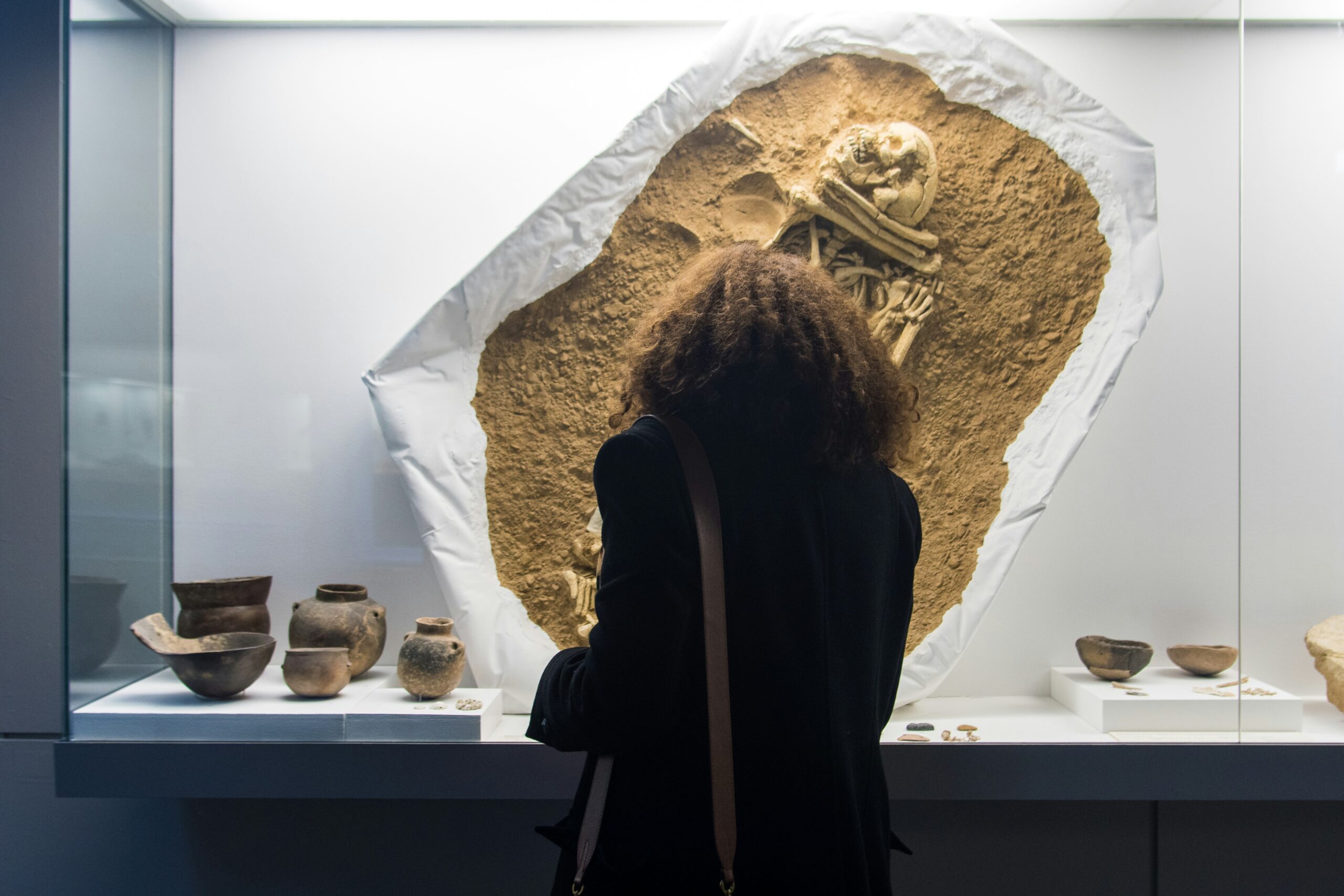
The silent stones of forgotten civilizations hold more than just stories of their builders; they whisper secrets of their ingenuity, particularly in the realm of materials science. For millennia, humanity has manipulated and transformed the very fabric of the earth to create tools, structures, and objects that have shaped history. Materials science archaeology, a dynamic and interdisciplinary field, is dedicated to unraveling these ancient technological achievements, moving beyond simple identification to a profound understanding of how and why these materials were crafted, and the scientific principles that underpinned their creation. This pursuit is not merely an academic exercise; it offers invaluable insights into human innovation, resourcefulness, and the complex interplay between culture, environment, and technology.
The earliest evidence of human technological prowess lies in our ability to modify raw materials. From the chipped flints of hominids to the polished obsidian of Neolithic settlements, the manipulation of stone marked the first great leap in materials science. These early artisans weren’t simply breaking rocks; they were consciously selecting specific stone types, understanding their fracture mechanics, and employing precise techniques to achieve desired forms and functionalities. The development of sharp edges for cutting, projectile points for hunting, and scrapers for processing hides all represent sophisticated applications of physical principles, even if they were not formally articulated.
The Art of Lithic Technology: Understanding Stone Tool Production
The study of lithic technology, the manufacturing of stone tools, is a cornerstone of materials science archaeology. Archaeologists meticulously analyze the debitage – the waste flakes and fragments produced during tool manufacture – to reconstruct the chaîne opératoire, the sequence of actions involved.
Percussion Flaking: The Forceful Shaping of Stone
Percussion flaking, the most rudimentary form of stone tool manufacture, involves striking one stone (the hammerstone) against another (the core) to detach flakes. The angle of impact, the force applied, and the type of hammerstone (hard vs. soft) all influence the characteristics of the detached flake. Materials scientists examine the microtopography of flake scars and the internal structure of the stone to determine the precise knapping techniques employed. Understanding how different stone types, such as flint, chert, obsidian, and quartzite, behave under impact is crucial. For instance, flint’s conchoidal fracture, the smooth, curved fracture pattern, was highly prized for its ability to produce sharp and predictable edges.
Pressure Flaking: Precision and Refinement
Pressure flaking represents a more advanced technique, involving the application of localized pressure to detach smaller, more controlled flakes. This method was used to refine edges, create serrations, and develop intricate designs. Experimental archaeology plays a vital role here, with modern archaeologists attempting to replicate ancient tools to understand the physical demands and skill required. Materials analysis can reveal subtle evidence of pressure flaking, such as microscopic shear planes on the edge of a tool, which are distinct from those produced by percussion.
Materials science plays a crucial role in archaeology, particularly in understanding the composition and properties of artifacts from ancient civilizations. A related article that explores contemporary shifts in manufacturing and its implications for global supply chains can be found here: Exploring the Shift: Companies Flocking to Mexico from China. This article provides insights into how modern materials and manufacturing processes are influencing economic trends, which can also reflect the historical context of material use in archaeological findings.
Metals and Metallurgy: A Revolutionary Leap in Material Properties
The discovery and mastery of metals marked a profound paradigm shift in human technological capabilities. The ability to extract metals from ores, refine them, and shape them through melting and casting opened up a new world of possibilities. Metallurgy, the science and technology of metals, became a driving force behind societal development, influencing warfare, agriculture, trade, and artistic expression.
The Bronze Age: Alloys and Their Advantages
The Bronze Age, named for the widespread use of bronze – an alloy of copper and tin – stands as a testament to early materials science innovation. The creation of bronze was not a happy accident; it required a deep understanding of specific ore sources and a controlled process of alloying.
The Chemistry of Alloying: Unlocking Superior Properties
Pure copper is relatively soft and prone to corrosion. The addition of even small amounts of tin dramatically alters its properties, making it harder, more durable, and easier to cast. Materials scientists analyze the precise composition of bronze artifacts using techniques like X-ray fluorescence (XRF) to determine the copper-to-tin ratio, often finding variations that reflect localized resource availability and intended applications. Understanding the eutectic point of copper and tin, the specific temperature at which the alloy melts most easily, is key to comprehending casting techniques.
- Casting Techniques: From lost-wax casting to open molds, the ability to melt and pour metal allowed for the creation of complex shapes that were impossible with stone. Archaeologists meticulously examine casting sprues, vents, and internal voids in artifacts to reconstruct these ancient casting procedures.
- Smelting and Refining: The extraction of copper and tin from their respective ores involved high-temperature smelting processes. Analyzing slag inclusions within metal artifacts can reveal the types of ores used and the firing temperatures achieved. This provides insights into the fuel sources and furnace technologies employed.
The Iron Age: The Challenge and Triumph of a Reactive Metal
The transition to the Iron Age presented a new set of challenges and opportunities. Iron ore is abundant, but iron can be more difficult to smelt and work with than copper alloys. The mastery of iron metallurgy, particularly the development of steel, was a slow and iterative process.
From Bloomery to Blast Furnace: Advancing Iron Production
Early iron production often occurred in bloomery furnaces, where iron was produced as a spongy mass (a bloom) interspersed with slag. This required extensive hammering and folding to consolidate the metal and expel impurities. Later developments, leading to blast furnaces, allowed for higher temperatures and the production of cast iron.
- The Significance of Carbon Content: The difference between iron and steel lies in their carbon content. Steel, with a controlled amount of carbon (typically between 0.2% and 2.1% by weight), possesses superior strength and hardness. Materials science archaeology investigates the carbon content of iron artifacts through metallographic analysis, examining the microstructure of the metal under a microscope. This reveals the presence of carbides and other phases that contribute to steel’s properties.
- Heat Treatment: The ability to harden iron and steel through processes like quenching and tempering was a crucial development. Quenching involves rapidly cooling the heated metal, while tempering involves reheating it to a lower temperature to reduce brittleness. Microstructural analysis can reveal the characteristic structures formed by these heat treatments, demonstrating the sophistication of ancient blacksmiths.
Ceramics and Glass: Harnessing the Power of Fired Earth

Ceramics and glass, both born from the manipulation of inorganic compounds at high temperatures, represent another monumental achievement in materials science archaeology. The ability to transform readily available clays and sands into durable, versatile, and often beautiful objects revolutionized daily life.
The Ubiquity of Pottery: Functionality and Firing Technologies
Pottery, one of the oldest manufactured materials, served a vast array of purposes, from cooking and storage to ritual and artistic expression. The sheer diversity of ceramic forms and decorative styles speaks to a deep understanding of clay plasticity, drying behavior, and firing properties.
Clay Mineralogy and Tempering: Tailoring for Performance
Archaeologists analyze the mineral composition of pottery clays using techniques like X-ray diffraction (XRD) to identify the types of clays used. The addition of tempering materials, such as sand, grog (crushed pottery), or organic matter, was common practice to reduce shrinkage, prevent cracking during drying and firing, and improve thermal shock resistance. The type and quantity of temper can offer clues about local resources and the intended function of the pottery.
- Firing Temperatures and Atmospheres: The color and properties of fired ceramics are heavily influenced by the firing temperature and the atmosphere (oxidizing or reducing) within the kiln. Archaeological kiln excavations, coupled with analysis of ceramic petrography (examining thin sections of pottery under a microscope), can reveal the firing technologies employed and the care taken to achieve specific results. For instance, a uniformly black, reduced ware often indicates a carefully controlled reducing atmosphere.
- Glazes and Decoration: The development of glazes, a form of glass coating applied to pottery, not only enhanced its aesthetics but also made it waterproof and easier to clean. The chemical composition of ancient glazes, often revealed through elemental analysis, provides insights into the raw materials and firing processes used.
The Marvels of Ancient Glass: Transparency and Transformation
The creation of glass, a seemingly miraculous transformation of sand into a transparent, workable material, was a significant technological leap. Ancient glassmakers mastered complex recipes and firing techniques to produce a wide range of objects, from functional vessels to exquisite decorative items.
Silicates and Fluxes: The Chemistry of Glassmaking
The primary ingredient in glass is silica (sand). However, pure silica requires extremely high temperatures to melt. Ancient glassmakers discovered the use of fluxes, such as soda ash (sodium carbonate) or potash (potassium carbonate), to lower the melting point of silica, making it easier to work with.
- Coloring Agents: The vibrant colors of ancient glass, from Egyptian faience to Roman millefiori, were achieved by adding trace amounts of metal oxides. For example, copper oxides produce blues and greens, while iron oxides can create a range of colors from yellow to black, depending on their oxidation state and other ingredients. Neutron activation analysis (NAA) and X-ray fluorescence spectrometry (XRF) are powerful tools for identifying these trace elements and reconstructing ancient glass recipes.
- Glassmaking Techniques: From core-formed vessels to blown glass, the evolution of glassmaking techniques reflects a growing understanding of the material’s viscosity and rheology at different temperatures. Archaeologists reconstruct these processes by examining tool marks, mold residues, and the internal structure of glass artifacts.
Biomaterials and Organic Technologies: The Unseen Ingenuity
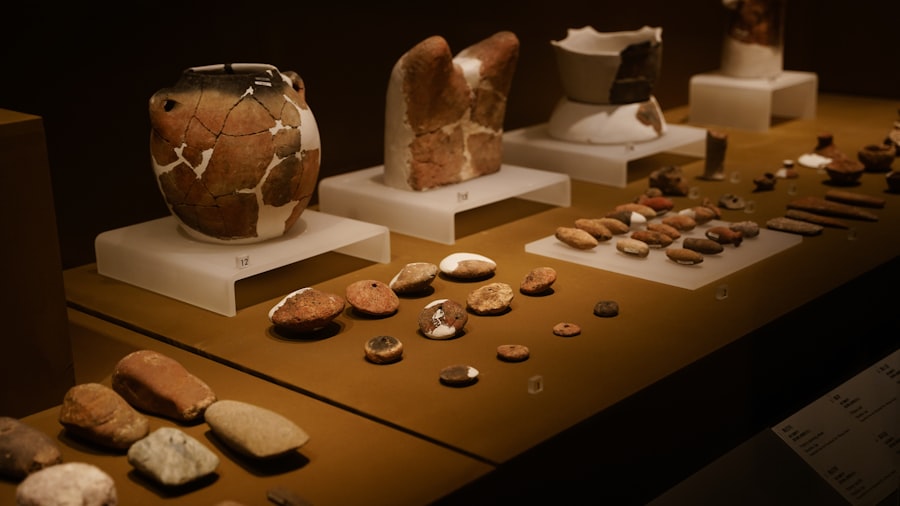
While the focus often falls on inorganic materials, materials science archaeology also delves into the ingenious utilization and manipulation of organic materials. Wood, bone, textiles, leather, and even plant fibers were transformed through sophisticated techniques.
The Preservation and Analysis of Organic Remains
The survival of organic materials is highly dependent on environmental conditions. However, in anaerobic environments like bogs or well-preserved tombs, archaeologists can find remarkably intact examples of ancient organic technologies.
Woodworking and Preservation: Adapting to a Biodegradable Resource
Wood was a fundamental building material, used for construction, tools, vehicles, and more. Understanding ancient woodworking techniques involves analyzing tool marks left on wooden artifacts, identifying the types of wood used (through dendrochronology and wood anatomy), and reconstructing the methods of joining and shaping. The presence of wood preservation techniques, such as charring or coating with oils, can also reveal advanced knowledge of material degradation.
- Bone and Antler Tools: The durability and inherent strength of bone and antler made them ideal for crafting tools, needles, awls, and decorative items. Microscopic analysis of wear patterns on bone tools can reveal their function and the materials they were used to process.
- Textile Production: Weaving and Dyeing: The production of textiles, from fibers to finished cloth, represents a complex sequence of processes. Archaeologists analyze textile fragments for fiber type (wool, flax, cotton), weave structure, and the presence of dyes. Advanced analytical techniques can identify the chemical compounds of ancient dyes, offering insights into dyeing technologies and trade networks.
Materials science plays a crucial role in archaeology, particularly in understanding historical artifacts and structures. A fascinating article that delves into the intersection of these fields is available at Unraveling the Civil War: A Deep Analysis, which explores how advanced materials analysis techniques can provide insights into the past. By examining the composition and properties of materials used in historical contexts, researchers can uncover valuable information about the technologies and practices of earlier civilizations.
Replicating the Past: Experimental Archaeology and Modern Science
| Materials Science Archaeology Metrics | Value |
|---|---|
| Carbon dating of materials | 5000 years |
| Analysis of pottery shards | 1000 pieces |
| Study of metal artifacts | 200 samples |
| Examination of ancient textiles | 300 fabric fragments |
The ultimate goal of materials science archaeology is not just to understand the past but to bridge the gap between ancient knowledge and modern comprehension. Experimental archaeology plays a crucial role in this endeavor, allowing researchers to replicate ancient technologies firsthand.
The Hands-On Approach to Ancient Craftsmanship
By meticulously following ancient texts, analyzing artifact wear patterns, and utilizing period-appropriate tools and materials, experimental archaeologists can recreate ancient objects. This hands-on approach provides invaluable data on the skill, effort, and time required for these ancient feats of engineering and craftsmanship. For instance, recreating a Bronze Age bronze casting involves sourcing appropriate ores, smelting them, creating molds, and executing the casting process, all while facing similar challenges to those faced by ancient metallurgists.
The Synergy of Traditional and Modern Analytical Methods
The collaboration between archaeologists, materials scientists, chemists, physicists, and other specialists is essential. Modern analytical techniques, such as scanning electron microscopy (SEM) for high-resolution surface imaging, transmission electron microscopy (TEM) for ultrastructural analysis, and mass spectrometry (MS) for isotopic analysis, provide unprecedented detail about the composition, structure, and formation of ancient materials. These techniques complement traditional archaeological methods, offering a deeper and more nuanced understanding of ancient technologies.
Materials science archaeology is far more than the study of old objects. It is a profound exploration of human ingenuity, resourcefulness, and our enduring relationship with the material world. By “reading” the materials left behind, we gain a richer appreciation for the scientific understanding and technological prowess of our ancestors, recognizing that their innovations, though ancient, laid the groundwork for much of our modern technological landscape. The silent stones and humble artifacts tell a compelling story of human progress, a narrative woven from the very elements of the earth.

What Heated These Minerals? (The Abu Hureyra Mystery)
FAQs
What is materials science archaeology?
Materials science archaeology is a field that combines the study of ancient materials and artifacts with modern scientific techniques to understand the composition, structure, and properties of these materials. It involves the use of advanced analytical tools to uncover information about the manufacturing processes, trade routes, and cultural practices of ancient civilizations.
What are some common materials studied in materials science archaeology?
Common materials studied in materials science archaeology include ceramics, metals, glass, stone, and organic materials such as wood, bone, and textiles. These materials provide valuable insights into the technological advancements, artistic expressions, and daily life of past societies.
How does materials science archaeology contribute to our understanding of history?
Materials science archaeology contributes to our understanding of history by providing detailed information about the materials and technologies used by ancient civilizations. This knowledge helps archaeologists and historians reconstruct the social, economic, and cultural aspects of past societies, as well as track the development and spread of specific materials and techniques.
What are some techniques used in materials science archaeology?
Techniques used in materials science archaeology include optical microscopy, scanning electron microscopy, X-ray diffraction, spectroscopy, and chemical analysis. These methods allow researchers to examine the microstructure, composition, and properties of ancient materials, as well as identify any changes or degradation over time.
What are the practical applications of materials science archaeology?
The practical applications of materials science archaeology include conservation and restoration of cultural heritage, authentication of artifacts, understanding ancient manufacturing processes, and informing modern material science and engineering. This interdisciplinary approach also helps in the preservation and interpretation of archaeological sites and museum collections.