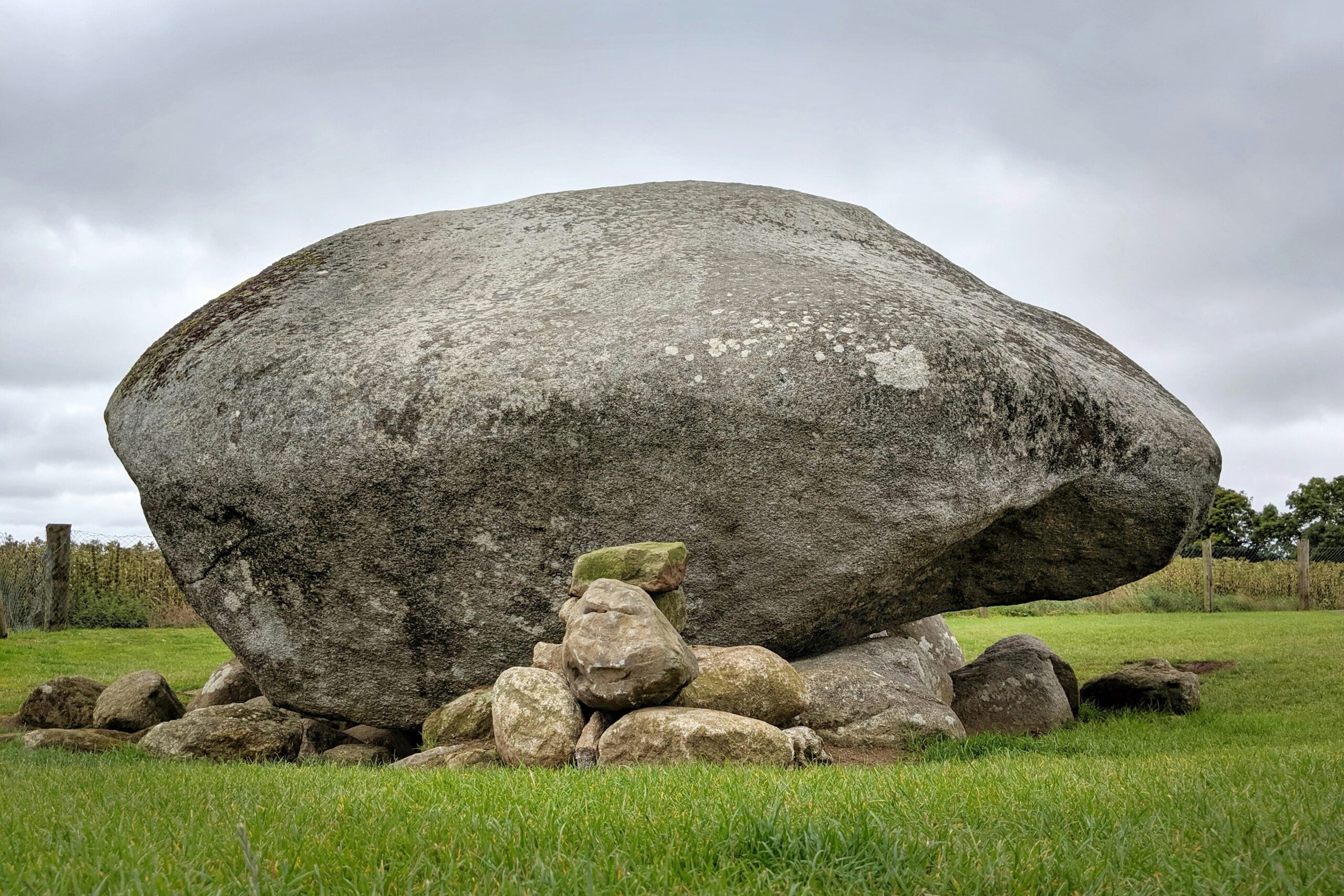
Nature, in its boundless artistry and immense power, has sculpted the Earth’s surface with a profound and enduring touch. Among its most awe-inspiring creations are the giant glacial erratics, colossal stones that stand as silent sentinels of a bygone era. These gargantuan boulders, plucked from their native bedrock, transported across vast distances by the inexorable force of glaciers, and then unceremoniously deposited, offer a tangible connection to the planet’s dynamic geological past. Discovering these ancient marvels is not merely an observation of a large rock; it is an invitation to unravel a captivating narrative of ice, time, and the Earth’s relentless transformations.
The mere presence of a massive boulder, often starkly different in composition and appearance from the surrounding bedrock, sparks immediate curiosity. This geological anomaly is the hallmark of a glacial erratic. Unlike boulders that might have been dislodged by rockfalls or river erosion, erratics possess a distinct origin story rooted in the immense power of ice. Understanding their formation requires delving into the cataclysmic events of past ice ages, when vast continental glaciers reshaped the very face of the land.
What Exactly is a Glacial Erratic?
At its core, a glacial erratic is a piece of rock that has been transported by a glacier from its original location to a new one, often many miles away. The key differentiator is the mode of transport: the immense, slow-moving rivers of ice that once covered significant portions of the Earth’s continents. These glaciers acted like nature’s most powerful bulldozers and conveyor belts, picking up, carrying, and eventually dropping rocks of all sizes, from pebbles to mountains of stone. The term “erratic” itself implies a deviation from the norm, a wandering stone that doesn’t belong to its current geological setting.
The Ice Age Connection: A World of Glaciers
The story of glacial erratics is inextricably linked to the Pleistocene Epoch, commonly known as the Ice Age. This period, which spanned roughly from 2.6 million to 11,700 years ago, was characterized by repeated cycles of glaciation. During these frigid periods, massive ice sheets, in places thousands of feet thick, advanced and retreated across the continents of North America, Europe, and Asia. These ice sheets were not static; they flowed outward from polar regions, driven by gravity and their own immense weight. As they moved, they ground against the underlying landscape, carving out valleys, scouring mountainsides, and, crucially, picking up and transporting vast quantities of rock and sediment.
Distinguishing Erratics from Other Boulders
While any large displaced rock might seem like an erratic, geologists employ specific criteria to identify them. The most significant identifier is the lithology – the study of the rock type. An erratic is typically composed of a rock that is foreign to the local bedrock. For instance, if a granite boulder is found resting on a bedrock of sandstone, it is highly likely to be a glacial erratic, as granite and sandstone have different origins and are not naturally found together in that configuration.
Another clue is the shape and surface features. Glaciers often round off the edges of the rocks they transport. Furthermore, erratics may exhibit striations or grooves on their surfaces, evidence of being dragged and abraded against other rocks and the glacier’s “bed” of debris. The sheer size of an erratic can also be an indicator, though not always definitive, as some geological processes can also produce large boulders. Finally, the distribution pattern of erratics across a landscape can provide further evidence. If similar types of erratics are found scattered in a broad directional pattern, it strongly suggests glacial transport.
Giant glacial erratics are fascinating geological formations that tell the story of ancient glacial movements and the forces of nature that shaped our landscapes. For those interested in exploring how natural phenomena can lead to intriguing discoveries, a related article discusses the enigmatic Baghdad Battery, which has sparked debates about ancient technology and its potential uses. You can read more about this captivating subject in the article found here: Unlocking the True Purpose of the Baghdad Battery.
Unveiling Their Journey: The Mechanics of Glacial Transport
The process by which these colossal stones are moved is a testament to the immense power and slow, inexorable march of glaciers. It’s a story of erosion, transportation, and deposition, each stage playing a vital role in creating the landscape we see today.
Plucking and Abrasion: The Glacier’s Grasp
As a glacier advances, it exerts immense pressure on the underlying bedrock. Two primary erosional processes are at play:
- Plucking: Freeze-thaw cycles are key to plucking. Water seeps into cracks and fissures in the bedrock. During colder periods, this water freezes, expands, and widens the cracks. When the ice thaws, the loosened rock fragments are then encased in the flowing ice and plucked from the ground. Over time, this process can dislodge incredibly large pieces of rock.
- Abrasion: The ice itself is laden with sediment and rock fragments, acting like sandpaper. As the glacier flows, these embedded particles grind against the bedrock and against each other, eroding and smoothing the ground surface. This abrasive action can carve deep gouges and polish rock surfaces.
The Long Haul: Ice as a Conveyor Belt
Once rocks are incorporated into the glacier, they become part of its internal flow. The movement of glaciers is not uniform; the ice flows like a very viscous fluid, with faster movement in the center and upper layers and slower movement near the base and edges where friction is greater. Rocks embedded within the ice are thus transported along with the glacial mass. This transport can occur over hundreds, or even thousands, of miles. The immense weight of the ice and the slow, persistent motion ensure that even the largest boulders are carried along.
Deposition: The Glacier’s Retreat and Release
The journey of an erratic comes to an end when the glacier melts or retreats. As the ice melts, the rocks and sediments it carries are deposited. This deposition can occur in several ways:
- Till Deposits: When glaciers melt directly, they release all the debris they have been carrying. This unsorted mixture of clay, sand, gravel, and boulders is known as till. Erratics are often found embedded within these till deposits, sometimes alone, sometimes alongside many other smaller rocks.
- Meltwater Streams: As glaciers melt, powerful meltwater streams are formed. These streams can carry away some of the finer glacial debris, sorting it by size and depositing it as outwash plains. However, larger erratics can also be moved short distances by these powerful meltwater channels before being left behind.
- Terminal and Recessional Moraines: When a glacier reaches the limit of its advance, it deposits a ridge of till called a terminal moraine. As the glacier subsequently retreats, it may pause, forming smaller ridges of till known as recessional moraines. Erratics are frequently found within these moraine formations, often appearing as prominent features due to their size.
Locating These Stone Giants: A Treasure Hunt for Geologists and Amateurs Alike
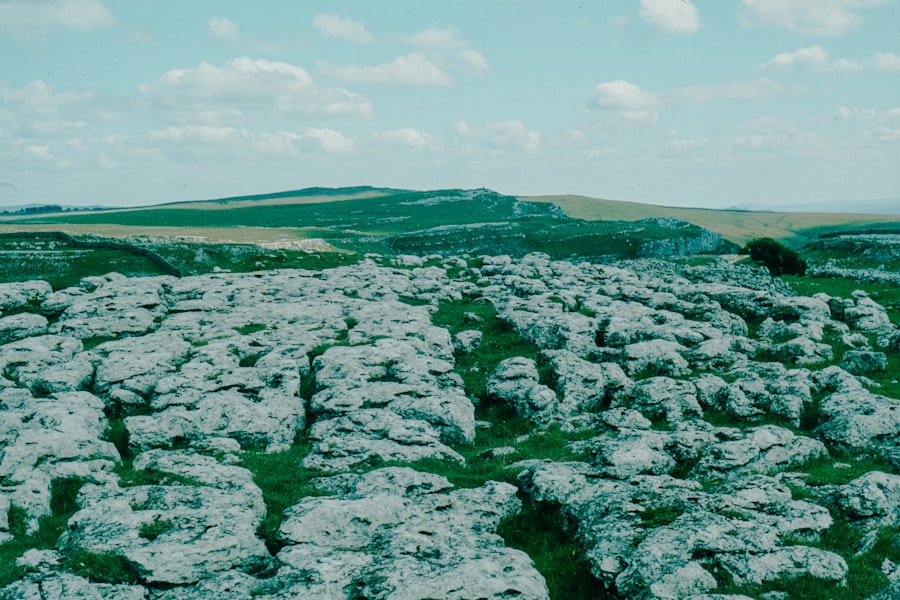
The pursuit of glacial erratics transforms the landscape into a vast, open-air museum, inviting discovery through careful observation and an understanding of the underlying geological processes. Geologists have long relied on the systematic study of erratics to reconstruct past glacial limits and understand ice flow patterns, but their allure extends to anyone with a sense of curiosity and an appreciation for nature’s grand narratives.
Mapping the Ice Flow: Erratics as Paleoglaciological Clues
For glaciologists and geomorphologists, erratics are invaluable tools for reconstructing the history of ice sheets. By identifying the source bedrock of an erratic and tracing the direction it was likely transported, scientists can map the ancient pathways of glaciers. This helps answer fundamental questions about ice sheet dynamics, such as:
- Ice Sheet Extent: The presence of erratics of a specific lithology in a region far from its origin clearly delineates the furthest reach of a glacier.
- Ice Flow Directions: By studying the distribution and source lithology of erratics, researchers can determine the direction in which the ice flowed. This is crucial for understanding how massive ice sheets moved and molded the landscape.
- Ice Thickness: The size of erratics that were transported can sometimes provide clues about the thickness and erosive power of the glaciers. Larger erratics required more force and a thicker ice mass for transport.
- Subglacial Processes: The study of erratics, along with other glacial landforms, helps us understand the complex processes occurring beneath the ice, including erosion, entrainment, and transport of debris.
Fieldwork and Observation: The Thrill of the Chase
Discovering a glacial erratic often involves dedicated fieldwork. This can range from systematic geological surveys to casual explorations of natural landscapes. Key areas to search include:
- Moraines: Ridges of glacial debris are prime locations. Terminal moraines, marking the furthest extent of a glacier, are often particularly rich in large erratics.
- Outwash Plains: Areas formed by meltwater streams can contain erratics that were transported by water after being dropped by the ice.
- Scoured Bedrock Areas: Regions that were directly exposed to glacial abrasion and plucking can sometimes reveal erratics that were left behind as the ice moved over them.
- Elevated Plateaus and Open Fields: Large, exposed areas where the subtle details of the landscape are visible are excellent places to spot prominent boulders that stand out from their surroundings.
The Role of Local Knowledge and Citizen Science
Community engagement plays a significant role in identifying and documenting erratics. Local residents, hikers, and amateur geologists often stumble upon these impressive stones. Organizations dedicated to natural history or geology may encourage citizen science initiatives, where individuals can report their findings, often with photographs and location data. This crowdsourced information can be invaluable for researchers, expanding the geographical coverage of surveys and identifying previously undocumented erratics. Sharing these discoveries fosters a wider appreciation for our geological heritage and contributes to scientific understanding.
Remarkable Examples: Nature’s Stone Sculptures Across the Globe
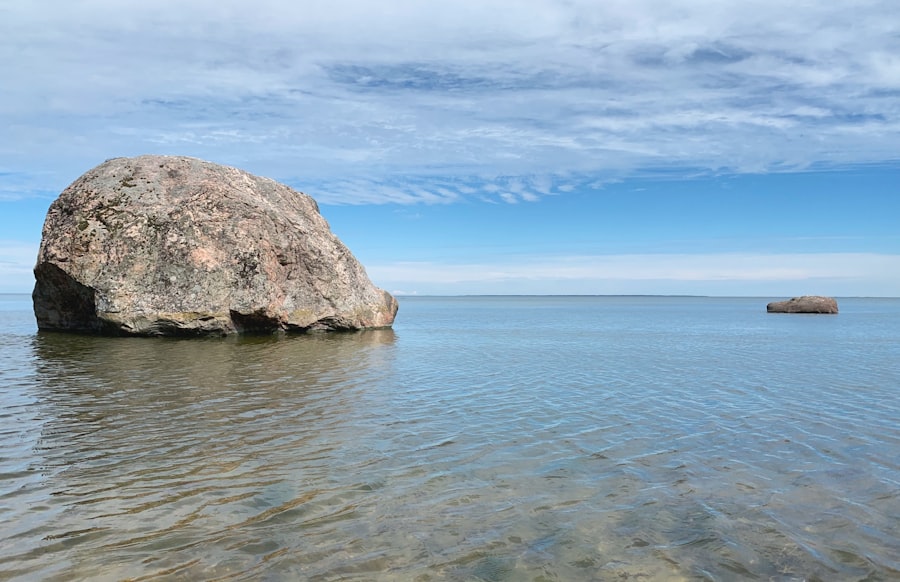
Across the planet, numerous giant glacial erratics have captured the human imagination, standing as enduring testaments to the immense power of ancient ice. These stones, often imbued with local folklore and named for their striking appearance or location, serve as popular landmarks and points of geological interest.
North American Giants: Echoes of the Laurentide Ice Sheet
North America, extensively covered by the vast Laurentide Ice Sheet during the last glacial period, boasts an abundance of spectacular glacial erratics. Many of these boulders are composed of hard, erosion-resistant rocks like granite and basalt, which have withstood the ravages of time.
- The Great Stone Dome (Bighorn Mountains, Wyoming, USA): A massive granite boulder, this erratic is a prominent feature in its mountainous setting, a stark contrast to the surrounding sedimentary rocks. Its sheer size and solitary presence evoke a sense of ancient displacement.
- Random Rock (Vermont, USA): Aptly named, this enormous boulder is a familiar sight in its Vermont landscape, a testament to the glaciated history of New England. It’s a common destination for local exploration and a symbol of the region’s geological past.
- The Great Boulder of Douai (Quebec, Canada): Located near the St. Lawrence River, this massive erratic is a striking example of glacial transport into areas that might not be immediately associated with continental ice sheets. Its presence highlights the extensive reach of glacial activity.
European Monumental Stones: Traces of Fennoscandian Ice
Europe, particularly Scandinavia and its surrounding regions, was also heavily impacted by the Fennoscandian Ice Sheet. The resulting glacial erratics are scattered across the landscape, often marking ancient glacial margins and meltwater channels.
- The Rock of Gibraltar (Gibraltar): While not a typical glacial erratic in the sense of being transported from a distant geological formation, the immense limestone mass of the Rock of Gibraltar itself has been sculpted by various geological processes, including glacial action in its vicinity during past ice ages. However, smaller, true erratics are also found on its upper reaches, transported by ice from mainland Spain.
- Henge Monuments and Megalithic Sites (Various locations in Northern Europe): While many of these were deliberately placed by ancient peoples, the sheer size and portability of some of the stones used in structures like Stonehenge or the Carnac stones are thought to have been aided by glacial transport. Some of these might have been incorporated into glacial deposits before being quarried, or found and then moved by early human communities, blurrring the lines between natural and human interventions.
- Numerous Boulders in Scandinavia: Across Sweden, Norway, and Finland, countless erratics, often composed of granite and gneiss, dot the landscape. Many are local landmarks, sometimes incorporated into village folklore or serving as natural meeting points.
Southern Hemisphere Remnants: Evidence of Antarctic Ice
While the Northern Hemisphere is more renowned for its dramatic glacial erratics due to the extent of its ice sheets, the Southern Hemisphere also holds examples, particularly in regions impacted by Antarctic ice.
- South Georgia Island: This sub-Antarctic island is littered with massive erratics, remnants of the Antarctic Ice Sheet’s expansion during glacial periods. These stones, composed of materials foreign to the island’s endemic geology, are powerful reminders of the glacier’s reach.
- Patagonia (Argentina and Chile): The dramatic landscapes of Patagonia bear the indelible marks of Andean glaciers, which extended significantly during glacial maxima. Large boulders, foreign to the immediate bedrock, are common in glacial valleys and moraines, showcasing the erosive and transportive power of these ice flows.
Giant glacial erratics are fascinating geological formations that tell the story of ancient ice movements and climate changes. These massive boulders, often found far from their original locations, provide valuable insights into the Earth’s history. For those interested in the broader implications of environmental changes, a related article explores how technology influences societal evolution and the potential consequences of neglecting our natural world. You can read more about this intriguing topic in the article on the downfall of civilization and tech’s role by following this link: the downfall of civilization and tech’s role.
The Enduring Significance of Glacial Erratics
| Location | Size | Age | Formation |
|---|---|---|---|
| Canada | 20 meters | 10,000 years | Glacial movement |
| United States | 15 meters | 12,000 years | Glacial deposition |
| Sweden | 25 meters | 8,000 years | Glacial retreat |
Beyond their geological importance, ancient glacial erratics possess a profound aesthetic and symbolic value, connecting us to the deep time of our planet and the forces that have shaped it. They serve as enduring monuments, silent storytellers of a world vastly different from our own.
A Tangible Link to Earth’s Deep Past
In an era increasingly focused on the present and future, glacial erratics offer a rare and powerful connection to the distant past. They are physical manifestations of the immense geological forces that operated over timescales that dwarf human experience. Holding a piece of rock that was once buried deep within a glacier, frozen for millennia, and then transported across continents, is a humbling and awe-inspiring sensation. It invites contemplation of Earth’s dynamic history, its cycles of freezing and thawing, and the planet’s capacity for monumental change.
Aesthetic Wonders and Natural Monuments
The sheer scale and often unusual placement of glacial erratics lend them an inherent aesthetic appeal. They can be striking features in a landscape, drawing the eye and sparking the imagination. Some are solitary sentinels on a vast plain, others are grouped in dramatic moraine formations, and some are even incorporated into more recent human structures. These ‘natural monuments’ have often inspired local folklore, myths, and legends, with people attributing their presence to giants, gods, or other supernatural forces, a testament to their uncanny and powerful appearance.
Inspiring Conservation and Appreciation for the Geological Heritage
The discovery and appreciation of glacial erratics can foster a sense of responsibility for their preservation. These geological relics are vulnerable to human activity, from construction to vandalism. Recognizing their scientific and cultural value encourages efforts to protect them. Educational initiatives, guided geological tours, and public awareness campaigns can highlight the significance of these natural wonders, ensuring that future generations can also marvel at these ancient marvels. They remind us that our planet is a living, evolving entity, constantly shaped by powerful, albeit slow-moving, natural forces. The giant glacial erratics stand as enduring reminders of this grand geological narrative, inviting us to look closer, imagine further, and appreciate the profound artistry of our planet’s ice-sculpted past.

The Boulder That Shouldn’t Exist
FAQs
What are giant glacial erratics?
Giant glacial erratics are large boulders that were transported and deposited by glaciers during the last ice age. These boulders can be found in areas that were once covered by glaciers, and are often composed of different types of rock than the surrounding landscape.
How were giant glacial erratics formed?
Giant glacial erratics were formed when glaciers picked up large boulders from the bedrock and carried them along as the ice advanced. When the glaciers melted, the boulders were left behind in the landscape, often far from their original source.
Where can giant glacial erratics be found?
Giant glacial erratics can be found in areas that were once covered by glaciers, such as parts of North America, Europe, and Asia. They are often located in regions with evidence of past glacial activity, such as moraines, drumlins, and other glacial landforms.
What is the significance of giant glacial erratics?
Giant glacial erratics provide valuable information about the movement and behavior of past glaciers. They also serve as important geological and archaeological landmarks, and can be used to study the history of glaciation in a particular area.
Are giant glacial erratics protected or preserved?
In some cases, giant glacial erratics are protected or preserved as natural landmarks or geological features. They may be included in national or state parks, and efforts may be made to prevent their destruction or removal.