The Earth breathes in cycles of warmth and cold, of burgeoning life and profound stillness. For much of its history, our planet has been a frigid wonderland, locked in colossal ice sheets. Among these periods of extreme glaciation, the Last Ice Age, often referred to as the Pleistocene Epoch, holds a particular fascination. It was a time when vast swathes of continents were reshaped by colossal glaciers, when megafauna roamed a dramatically different landscape, and when our own ancestors navigated a world vastly unlike the one we inhabit today. Unraveling the mysteries of this epoch is not merely an academic pursuit; it is a journey into the deep past that illuminates the forces that have shaped our planet and, by extension, ourselves.
The Pleistocene Epoch, broadly spanning from approximately 2.6 million years ago to about 11,700 years ago, is commonly known as the Last Ice Age. However, this designation is something of a misnomer. The Earth has experienced multiple glacial periods throughout its geological history, with the Pleistocene being but the most recent manifestation of this cyclical pattern. Scientists often use the term “glacial periods” for the cold phases and “interglacial periods” for the warmer phases within the broader Pleistocene. The Last Glacial Period, specifically, refers to the most recent and intense period of glaciation within the Pleistocene, reaching its peak around 20,000 years ago.
The Glacial Maximum: A World Transformed
The peak of the Last Glacial Period, often called the Last Glacial Maximum (LGM), witnessed the Earth transformed by ice. Gigantic ice sheets, originating from polar regions, expanded with incredible force and scale.
The North American Ice Sheet: A Blanket of Frozen Power
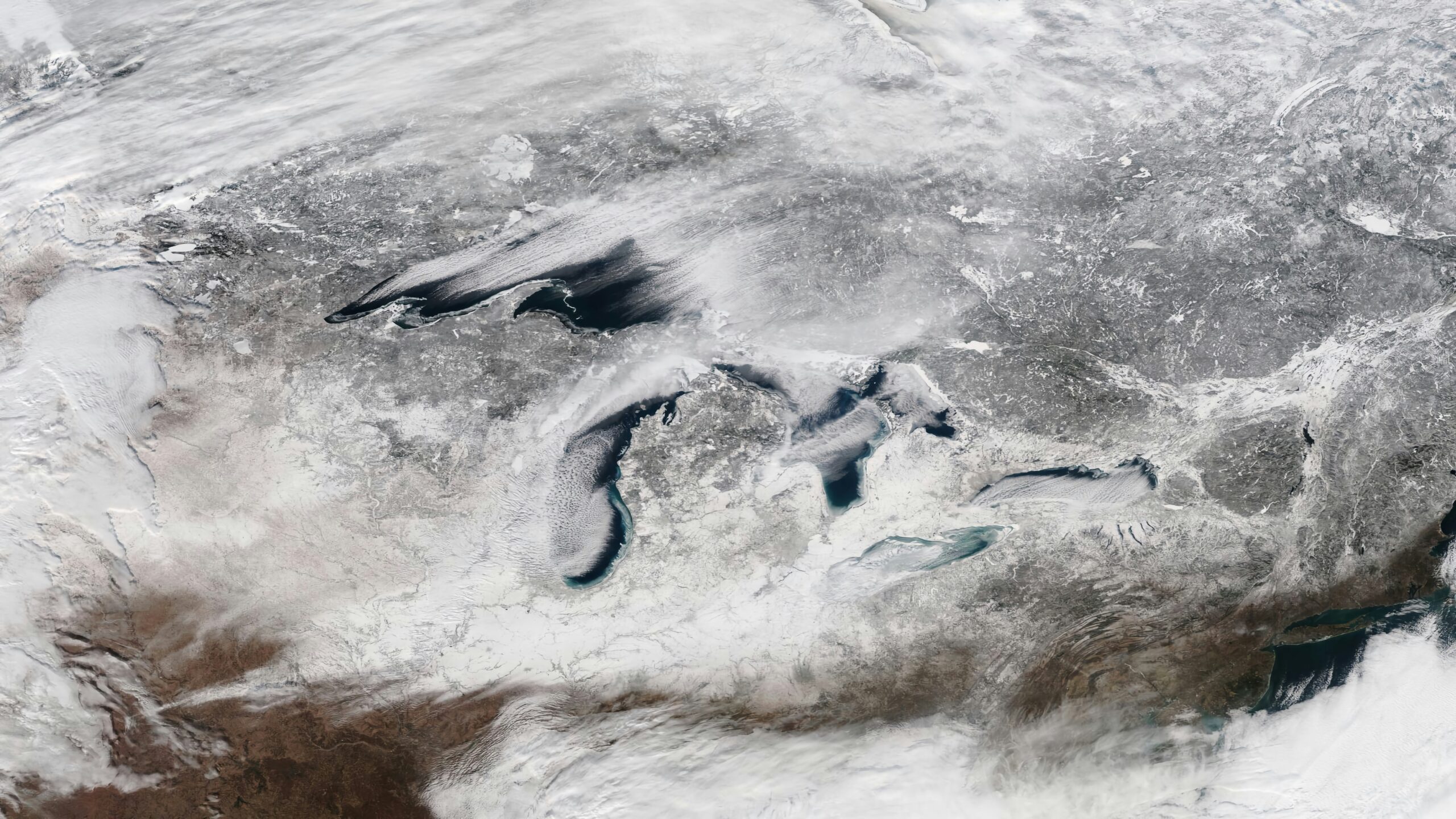
In North America, the Laurentide Ice Sheet covered most of modern-day Canada and extended down into the northern United States. This colossal mass of ice, in places thousands of meters thick, sculpted the landscape with immense power. Glacial erosion carved out the Great Lakes, creating the vast freshwater bodies we know today. The immense weight of the ice depressed the Earth’s crust, a phenomenon known as isostatic depression, which continues to rebound even today.
The Fennoscandian Ice Sheet: Sculpting Eurasia
Across the Atlantic, the Fennoscandian Ice Sheet covered much of Scandinavia, the Baltic region, and parts of northern Russia. Similar to its North American counterpart, this ice sheet profoundly shaped the European landscape, leaving behind moraines, drumlins, and fjords that bear testament to its erosive power.
Other Glacial Centers: A Global Phenomenon
While North America and Eurasia bore the brunt of the most extensive ice sheets, glaciation was a global phenomenon. Mountain ranges across the world, from the Alps to the Himalayas, were covered in extensive glaciers. Even in the Southern Hemisphere, ice caps formed over Patagonia and parts of New Zealand.
The Interglacial Respite: A Brief Warming Breath
Between these intensely cold glacial periods, the Earth experienced warmer interglacial periods, allowing for the expansion of forests and the migration of species that could not survive in the icy extremities. The current Holocene Epoch, in which we live, is the most recent interglacial period, a period of relative stability and warmth that has persisted for nearly 12,000 years.
The last Ice Age, a significant period in Earth’s climatic history, has been the subject of extensive research, shedding light on its profound impact on human civilization and the environment. For those interested in exploring how historical climatic shifts influenced societal development, a related article titled “The Decline of Literacy After the Dark Ages: Factors and Consequences” provides valuable insights into the broader implications of environmental changes on human progress. You can read more about this fascinating topic by following this link: The Decline of Literacy After the Dark Ages: Factors and Consequences.
The Breath of the Planet: Tracing the Causes of Glacial Cycles
The question of what triggers these grand, cyclical shifts between frigid glaciation and warmer interglacial periods has long been a central pursuit of paleoclimatology. While numerous factors contribute, a few key mechanisms stand out as primary drivers.
Milankovitch Cycles: The Earth’s Orbital Dance
Foremost among the proposed causes are the Milankovitch cycles, named after the Serbian astrophysicist Milutin Milankovitch. These cycles describe long-term variations in the Earth’s orbit around the Sun and its axial tilt, which subtly alter the amount and distribution of solar radiation reaching the planet’s surface.
Eccentricity: The Elliptical Path
The Earth’s orbit is not a perfect circle but an ellipse, and the degree of this ellipticity, or eccentricity, varies over approximately 100,000-year cycles. When the orbit is more eccentric, the difference in solar radiation received between perihelion (closest to the Sun) and aphelion (farthest from the Sun) is more pronounced, leading to more extreme seasonal variations.
Obliquity: The Waning and Waxing Tilt
The Earth’s axial tilt, also known as obliquity, currently at about 23.5 degrees, also fluctuates over cycles of approximately 41,000 years. A greater tilt leads to more extreme seasons, with hotter summers and colder winters, while a lesser tilt results in milder seasons.
Precession: The Wobbling Top
The Earth’s axis also wobbles like a spinning top, a phenomenon called precession. This wobble affects the timing of the solstices and equinoxes relative to the Earth’s position in its orbit. Over cycles of about 26,000 years, the precession can cause the Northern Hemisphere to receive more direct sunlight during its summer when the Earth is closest to the Sun, or less.
The Feedback Loops: Amplifying the Shifts
While Milankovitch cycles provide the initial trigger, they are not sufficient on their own to explain the magnitude of glacial and interglacial shifts. A complex web of feedback mechanisms amplifies these orbital variations, turning subtle changes in solar radiation into dramatic climatic transformations.
Albedo Effect: The Reflective Power of Ice
One of the most significant feedback loops is the albedo effect. Ice and snow are highly reflective, meaning they bounce a large proportion of incoming solar radiation back into space. As glaciers expand, more of the Earth’s surface is covered in ice and snow, increasing the planet’s albedo. This leads to less solar energy being absorbed, further cooling the planet and promoting more ice growth – a positive feedback loop driving glaciation. Conversely, as ice melts during interglacial periods, darker land and ocean surfaces are exposed, absorbing more solar radiation and leading to further warming.
Greenhouse Gases: The Atmospheric Thermostat
Atmospheric concentrations of greenhouse gases, particularly carbon dioxide (CO2) and methane (CH4), play a crucial role in regulating Earth’s temperature. During glacial periods, lower sea levels and reduced biological activity lead to a decrease in the release of these gases into the atmosphere. This reduction in greenhouse gases further amplifies the cooling effect initiated by orbital variations and albedo changes. Conversely, during interglacial periods, ocean circulation patterns and increased biological productivity can lead to a rise in greenhouse gas concentrations, contributing to warming.
Ocean Circulation: The Global Heat Conveyor
The vast network of ocean currents acts as a global conveyor belt, transporting heat around the planet. Changes in ocean circulation patterns can significantly influence regional and global climates. For instance, disruptions to the Atlantic Meridional Overturning Circulation (AMOC), a major system of currents that transports warm surface water northward in the Atlantic, have been implicated in rapid climate shifts during the Pleistocene.
Echoes of Ice: The Landscape Remnants
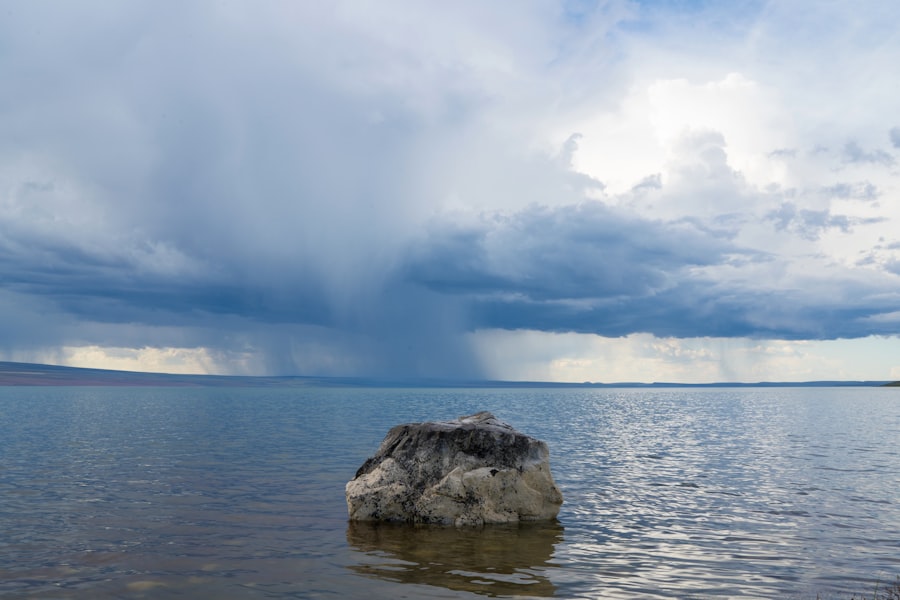
The immense power of glaciers has left an indelible mark on the Earth’s surface, creating distinct landforms that serve as visible records of the Last Ice Age. Geologists and geomorphologists study these features to reconstruct past glacial extents and understand the processes involved.
The last Ice Age, a significant period in Earth’s history, has been the subject of extensive research and discussion. Understanding the climatic shifts and their impact on the environment can provide insights into various phenomena, including the development of unique materials like Egyptian blue pigment. For a deeper exploration of this fascinating topic, you can read more about it in the article on the properties of Egyptian blue pigment found here. This connection highlights how ancient cultures adapted to their changing surroundings, much like the adaptations seen during the Ice Age.
Valley Glaciers: Sculpting Mountains
In mountainous regions, valley glaciers carve out distinctive U-shaped valleys, in stark contrast to the V-shaped valleys formed by river erosion. These glaciers also create cirques, armchair-shaped hollows at the head of valleys, and arêtes, sharp, knife-edged ridges separating adjacent cirques.
Continental Ice Sheets: Reshaping Plains

The Boulder That Shouldn’t Exist
FAQs
What was the last Ice Age?
The last Ice Age, also known as the Pleistocene Epoch, occurred approximately 2.6 million years ago and lasted until about 11,700 years ago. It was a period of time when large portions of the Earth’s surface were covered in ice sheets and glaciers.
What caused the last Ice Age?
The last Ice Age was primarily caused by variations in the Earth’s orbit and tilt, which led to changes in the distribution of sunlight and the amount of solar energy reaching the Earth’s surface. These changes in solar radiation, known as Milankovitch cycles, are believed to have triggered the onset and duration of the Ice Age.
How did the last Ice Age impact the Earth’s climate and geography?
During the last Ice Age, global temperatures were significantly lower, leading to the expansion of ice sheets and glaciers across large parts of the Northern Hemisphere. This resulted in lower sea levels, altered ocean currents, and changes in precipitation patterns, which in turn affected the distribution of plant and animal species.
What evidence do scientists use to study the last Ice Age?
Scientists use a variety of methods to study the last Ice Age, including analyzing ice cores, studying fossil records, examining sediment layers, and using computer models to simulate past climate conditions. These methods provide valuable insights into the environmental and climatic changes that occurred during the Ice Age.
How did the last Ice Age come to an end?
The last Ice Age came to an end due to a combination of natural climate variability and the influence of human activities. As the Earth’s orbit and tilt continued to change, global temperatures gradually increased, causing the ice sheets to retreat. Additionally, the rise of human civilization and the development of agriculture and industry have also contributed to changes in the Earth’s climate.