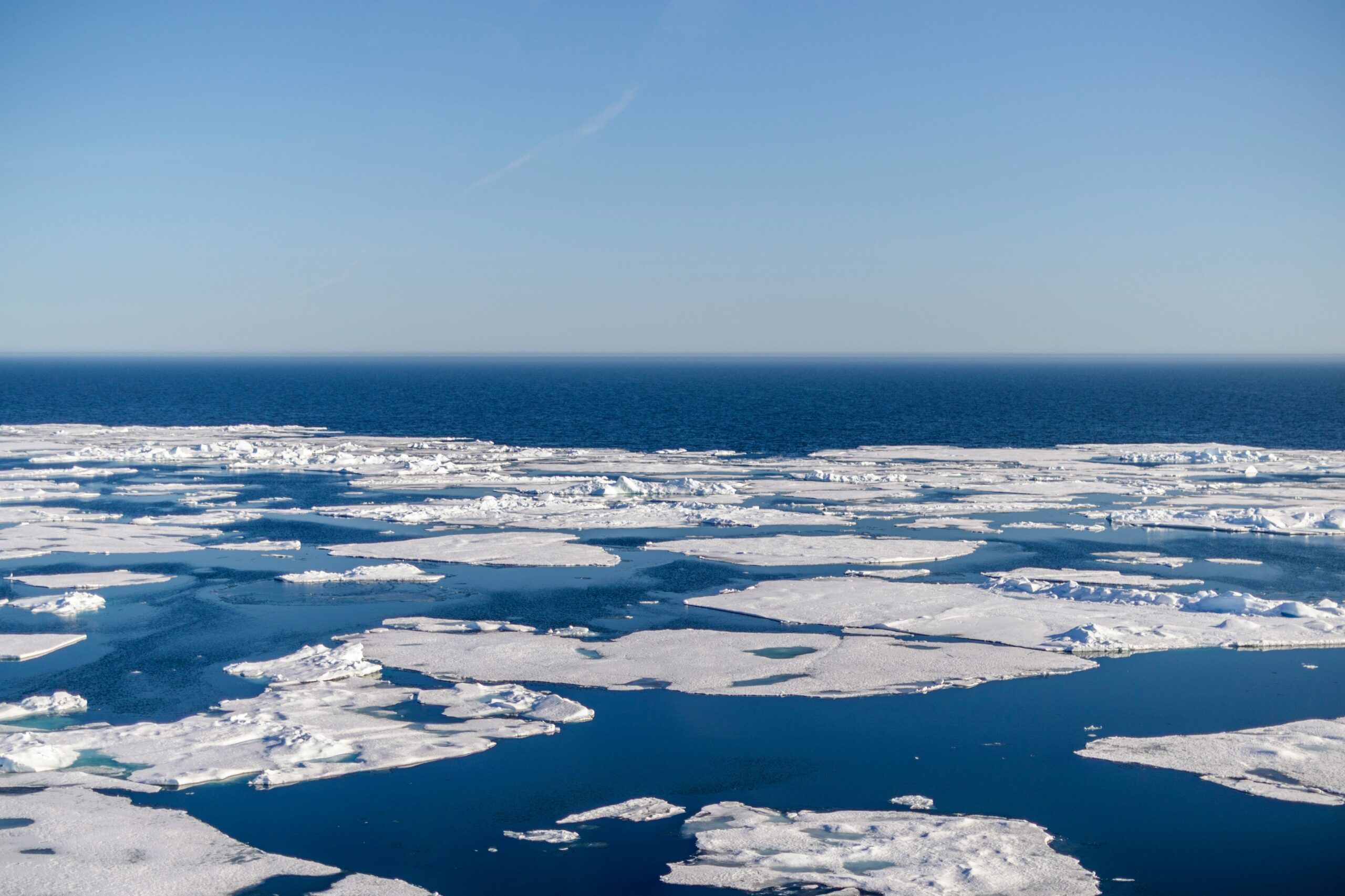
Continental ice sheets, colossal blankets of ice covering vast landmasses, are one of Earth’s most dramatic and influential geological features. They represent immense reservoirs of frozen water, profoundly shaping landscapes, influencing global climate, and impacting sea levels. Understanding these frozen giants requires delving into their formation, dynamics, morphology, historical significance, and their crucial role in the Earth’s current and future climate system. This comprehensive explanation aims to shed light on the intricate world of continental ice sheets, offering a complete picture of their nature and importance.
Continental ice sheets are not merely large glaciers; they are distinct entities formed under specific conditions and developing over immense timescales through a complex process of accumulation and transformation. Their birth and subsequent growth are a testament to the delicate balance of Earth’s climate.
Prerequisites for Ice Sheet Formation
The fundamental requirement for the formation of a continental ice sheet is prolonged periods of cold temperatures. This means that average annual temperatures must consistently remain below the freezing point of water, particularly during summer months when melting is most prevalent. High latitudes and high altitudes are naturally conducive to these conditions. However, sustained cold is not enough. There must also be sufficient precipitation, primarily in the form of snow. This snow needs to fall in quantities that exceed the rate of melting and sublimation (the direct conversion of ice to water vapor). Over thousands of years, this continuous snowfall acts as the raw material for ice sheet growth. Remote, stable landmasses, often located on continents or large islands, are also crucial. These areas provide a stable foundation for ice to accumulate without being readily dispersed by ocean currents or continental drift.
The Accumulation and Transformation of Snow
The journey from fallen snow to solid glacial ice is a gradual yet relentless process. Freshly fallen snow consists of delicate ice crystals with many air pockets. As more snow accumulates on top, the weight of the overlying layers begins to compress the snow beneath. The sharp, feathery edges of the ice crystals break off, and the snow particles become more rounded and compact. This transformation leads to the formation of firn, an intermediate stage between snow and glacial ice. Firn is denser than snow and has lost much of its original air content. With continued pressure and time, typically spanning decades to centuries, the air pockets within the firn are further squeezed out, and the ice crystals begin to fuse together. This process, known as recrystallization, results in the formation of dense, crystalline glacial ice. The pressure can be immense, reaching thousands of pounds per square inch in the deeper parts of an ice sheet, forcing the ice molecules into a more tightly packed structure. Impurities like rock dust, volcanic ash, and atmospheric gases become trapped within the ice during its formation, providing valuable historical records of past environments.
Factors Influencing Ice Sheet Growth
The rate at which an ice sheet grows is influenced by a multitude of factors. The most significant is the prevailing climate. During glacial periods, when global temperatures are lower, snowfall increases, and melting decreases, facilitating rapid ice sheet expansion. Conversely, during interglacial periods, temperatures rise, leading to increased melting and potentially significant ice sheet retreat. Topography also plays a vital role. Inland basins and depressions can act as natural collection points for snow, promoting thicker ice accumulation. Mountain ranges can shield certain areas from prevailing weather patterns, influencing snowfall distribution. The presence of large bodies of water can also affect growth; proximity to oceans can lead to increased precipitation in coastal areas, while a distant interior can experience drier conditions. Furthermore, the albedo effect, or reflectivity, of the ice itself contributes to its growth. As an ice sheet expands, its white surface reflects more solar radiation back into space, further cooling the region and reinforcing the conditions for ice accumulation.
Continental ice sheets play a crucial role in understanding climate change and its impact on global sea levels. For a deeper exploration of how government policies can influence environmental management and resource allocation, you may find the article on government-controlled assets insightful. It provides a comprehensive overview of how various assets are managed and the implications for climate-related initiatives. You can read more about it here: Government Controlled Assets: A Comprehensive Overview.
The Dynamic Nature of Continental Ice Sheets
Continental ice sheets are far from static entities. They are constantly in motion, flowing under their own immense weight, and interacting with the underlying bedrock and atmosphere in complex ways. This dynamic behavior dictates their shape, size, and their impact on the Earth’s surface.
Ice Flow Mechanisms
The sheer weight of continental ice sheets, which can be kilometers thick, generates tremendous internal stresses. This causes the ice to deform and flow, much like a very viscous fluid. There are two primary mechanisms of ice flow:
- Internal Deformation: Within the ice sheet, ice crystals can slide past one another, and under immense pressure, they can also deform and recrystallize. This process is analogous to how a thick syrup slowly flows. The rate of internal deformation is dependent on factors like ice temperature, grain size, and the presence of impurities within the ice. Warmer ice flows more readily than very cold ice.
- Basal Sliding: In many cases, the ice sheet doesn’t just slide on its own; it can also slide over the bedrock beneath it. This is facilitated by a thin layer of meltwater or saturated sediment that can form at the base of the ice. This meltwater acts as a lubricant, allowing the ice sheet to move more rapidly. The presence of this basal layer is influenced by geothermal heat from the Earth, friction from ice movement, and the insulating properties of the overlying ice. If the ice at the base is frozen to the bedrock, basal sliding is significantly reduced.
Ice Streams and Outlet Glaciers
Within larger ice sheets, areas of faster-flowing ice, known as ice streams, are common. These are channels where the ice flows at significantly higher velocities than the surrounding ice. They act like conveyor belts, transporting ice from the interior of the ice sheet towards the ocean. Ice streams are often characterized by their streamlined surface topography, deep crevasses, and turbulent flow patterns. They are crucial for the overall mass balance of an ice sheet, as they are responsible for a substantial portion of ice discharge into the sea. Outlet glaciers are the seaward extension of ice streams, often terminating in ice shelves or calving directly into the ocean as icebergs. These are the most dynamic parts of an ice sheet, experiencing rapid melting, calving, and break-off events that significantly influence ice sheet stability.
Mass Balance and Its Implications
The mass balance of an ice sheet refers to the difference between the amount of ice gained through accumulation (snowfall) and the amount of ice lost through melting, sublimation, and calving. A positive mass balance means the ice sheet is growing, while a negative mass balance indicates it is shrinking. Maintaining a state of equilibrium, where accumulation roughly equals loss, is crucial for ice sheet stability. When an ice sheet experiences a sustained negative mass balance, it leads to ice loss, which directly contributes to sea-level rise. Conversely, a positive mass balance can lead to increased ice sheet volume and potentially lower sea levels. Monitoring ice sheet mass balance is a critical component of climate change research, as it provides direct evidence of how ice sheets are responding to warming temperatures. Sophisticated remote sensing techniques, such as satellite altimetry and gravimetry, are used to measure changes in ice sheet volume and mass.
The Geological Footprints of Continental Ice Sheets
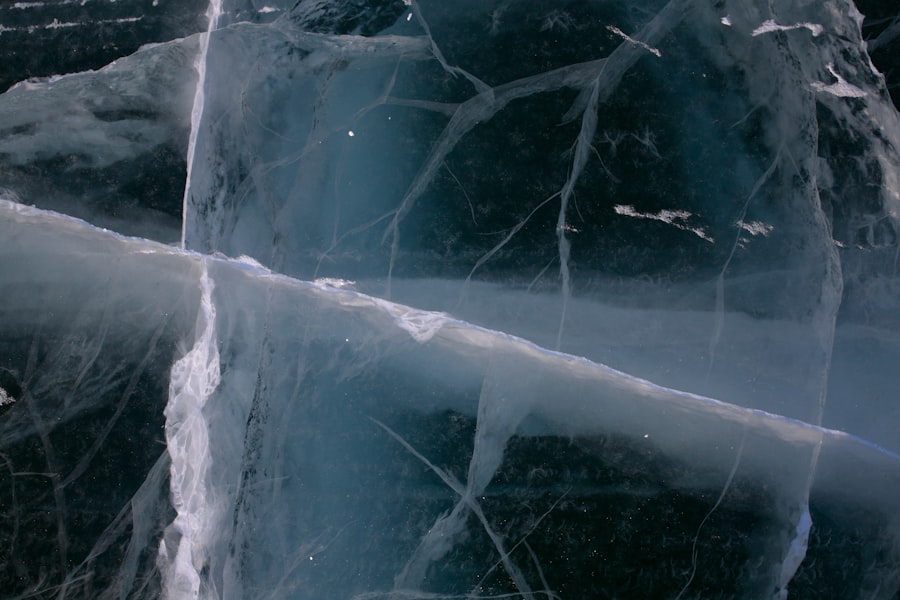
As continental ice sheets advance and retreat across the landscape, they are incredibly powerful agents of erosion and deposition, leaving behind distinctive geological features that tell the story of their past presence and movements.
Glacial Erosion
The immense weight and slow, grinding motion of ice sheets are highly effective at eroding the underlying bedrock. This process, known as glacial erosion, can dramatically reshape landscapes over geological timescales.
- Abrasion: As the ice flows, embedded rocks, sediment, and ice crystals act like sandpaper, grinding and scouring the bedrock. This process polishes the rock surface, creating features like striations (long, parallel grooves) and chatter marks (crescent-shaped fractures).
- Plucking (Quarrying): Water can seep into cracks in the bedrock and freeze. As the ice moves, the expanding ice can break off large chunks of rock, a process called plucking or quarrying. This creates jagged, uneven surfaces on the bedrock.
Erosional Landforms
The combined forces of abrasion and plucking sculpt the landscape into characteristic glacial erosional landforms.
- Cirques: These are bowl-shaped depressions carved into mountainsides by the headward erosion of glaciers. They often form the source regions for valley glaciers.
- U-shaped Valleys: Unlike the V-shaped valleys carved by rivers, glaciers widen and deepen existing valleys, transforming them into broad, steep-sided, U-shaped troughs.
- Fjords: When glacial valleys are carved below sea level, they can become flooded by the sea after the ice retreats, forming deep, steep-sided inlets known as fjords.
- Horns: If cirques erode into a mountain from multiple sides, they can create sharp, pyramid-shaped peaks called horns.
Glacial Deposition
As ice sheets melt and retreat, the vast amounts of sediment and rock they have transported are deposited, creating distinct depositional landforms.
- Till: This is unsorted, unstratified glacial sediment deposited directly by melting ice. It can range in size from fine clay to large boulders and is a characteristic material found in areas that were once covered by ice sheets.
- Moraines: These are ridges or mounds of till deposited at the edges or base of a glacier. Different types of moraines are formed depending on where the till was dropped:
- Terminal Moraines: Formed at the furthest extent of a glacier’s advance.
- Lateral Moraines: Deposited along the sides of a valley glacier.
- Medial Moraines: Formed when two glaciers merge, carrying debris from their inner edges.
- Ground Moraines: A blanket of till deposited as the ice sheet retreats.
- Drumlins: These are elongated, streamlined hills formed under the ice. They are typically found in clusters and have a blunt, upslope end and a tapering downslope end, indicating the direction of ice flow.
- Eskers: These are long, sinuous ridges of sand and gravel deposited by meltwater streams flowing within, under, or on top of a glacier.
- Kames: These are irregular mounds or small hills of sand, gravel, and till deposited by meltwater streams draining from a stagnant ice mass.
The Historical Significance of Continental Ice Sheets
Continental ice sheets have played a pivotal role in shaping Earth’s history, dramatically influencing its climate, sea levels, and the evolution of life, including the migration and development of human civilizations.
Glacial Cycles and Earth’s Climate History
The Earth’s climate has not been static; it has fluctuated through cycles of glaciation (glacial periods) and warmer interglacial periods. These cycles, driven by variations in Earth’s orbit (Milankovitch cycles), solar activity, and atmospheric composition, have dramatically altered the planet’s surface. During glacial periods, continental ice sheets expanded to cover vast portions of North America and Eurasia, significantly lowering global sea levels as water was locked up in ice. These ice sheets acted as massive thermostats, reflecting solar radiation and further cooling the planet, creating a positive feedback loop. Conversely, interglacial periods have seen ice sheets retreat, allowing for the colonization of newly exposed landmasses and a significant rise in sea levels. Studying ice cores, which contain trapped air bubbles and dust from ancient atmospheres, provides invaluable insights into past atmospheric composition, temperature, and the history of ice sheet growth and decay.
Impact on Biodiversity and Evolution
The waxing and waning of ice sheets have had profound impacts on biodiversity and the course of evolution. During glacial periods, large areas of the planet became inhospitable, forcing species to migrate to warmer refugia or to adapt to colder conditions. This led to periods of extinction and also created opportunities for adaptation and the development of new species. The formation of land bridges during periods of low sea level also facilitated the migration of animals and humans across continents, influencing the genetic makeup and distribution of populations. Following glacial retreat, newly deglaciated landscapes provided fresh habitats for recolonization and the development of new ecosystems. The distribution of many modern species can be traced back to these historical migrations and adaptations driven by glacial cycles.
Human Migration and Civilization
Continental ice sheets have directly influenced human history, particularly in terms of migration patterns and the development of civilizations. The Bering Land Bridge, exposed during periods of low sea level when vast amounts of water were locked in ice sheets, is believed to have been a key pathway for the migration of humans from Asia into the Americas. Similarly, land exposed during glacial retreat allowed for the settlement of new territories and the development of agriculture and early human societies. The availability of freshwater from glacial meltwater has also been crucial for the development of many human settlements and civilizations throughout history. Conversely, the retreat of ice sheets has also led to significant changes in coastlines and river systems, shaping the patterns of settlement and trade.
Continental ice sheets play a crucial role in understanding climate change and its impact on global sea levels. For those interested in exploring how advancements in space technology, such as SpaceX’s Starship, can influence our understanding of Earth’s systems, you might find this article insightful. It discusses the shifting dynamics of space geopolitics and how these developments could affect scientific research on our planet. You can read more about it in the article here.
Continental Ice Sheets in the Modern World and Future Projections
| Ice Sheet | Location | Area (sq km) | Thickness (m) |
|---|---|---|---|
| Antarctic Ice Sheet | Antarctica | 14,000,000 | Unknown |
| Greenland Ice Sheet | Greenland | 1,710,000 | Up to 3,000 |
| Arctic Ice Sheet | Arctic region | Unknown | Unknown |
In the contemporary era, continental ice sheets are not only a testament to Earth’s past but also a critical indicator and influencer of its future, particularly in the context of global climate change. Their ongoing response to warming temperatures is a primary concern for scientists and policymakers worldwide.
Ice Sheets as Climate Change Indicators
Continental ice sheets, particularly the massive ice sheets of Greenland and Antarctica, are highly sensitive to changes in global temperature. They act as Earth’s frozen thermometers. As global temperatures rise due to increased greenhouse gas concentrations, these ice sheets are experiencing accelerated melting and increased ice discharge. The rate at which they are losing mass serves as a crucial indicator of the magnitude and pace of climate change. Satellite monitoring of ice sheet thickness, velocity, and gravity anomalies provides direct evidence of this mass loss. For instance, the Greenland Ice Sheet has been losing billions of tons of ice annually in recent decades, a phenomenon directly linked to rising air and ocean temperatures.
Contribution to Sea-Level Rise
The melting of continental ice sheets is a major contributor to global sea-level rise. While thermal expansion of ocean water also plays a significant role, the contribution from ice sheet melt is projected to become increasingly dominant in the coming decades and centuries. The Greenland and Antarctic ice sheets hold enough water to raise global sea levels by approximately 65 meters, an amount that, if fully melted, would have catastrophic consequences for coastal populations and ecosystems worldwide. Even partial melting of these ice sheets can lead to significant sea-level rise, threatening low-lying islands, coastal cities, and vital infrastructure. Understanding the dynamics of ice sheet melt is therefore paramount for predicting future sea levels and planning adaptation strategies.
Future Projections and Uncertainties
Predicting the future behavior of continental ice sheets is a complex scientific challenge. While models indicate that continued warming will lead to further ice loss and sea-level rise, there are significant uncertainties regarding the rate and ultimate extent of this change. Factors such as the stability of ice shelves in Antarctica, the potential for dynamic ice sheet collapse, and the role of feedback mechanisms like the melting of subglacial lakes are areas of active research. However, the general consensus among climate scientists is that future warming will lead to a substantial increase in ice loss from both Greenland and Antarctica, with significant implications for global sea levels and coastal communities. Mitigation efforts to reduce greenhouse gas emissions are considered essential to limit the extent of future ice sheet melt and its associated impacts. The ongoing research and monitoring of these colossal ice formations are vital for understanding our planet’s changing climate and preparing for the future.

The Boulder That Shouldn’t Exist
FAQs
What are continental ice sheets?
Continental ice sheets are massive layers of ice that cover vast areas of land, typically in polar regions. They are much larger than alpine glaciers and can be several kilometers thick.
How do continental ice sheets form?
Continental ice sheets form over thousands of years as snow accumulates and compacts into ice. The weight of the ice causes it to flow outward from the center, spreading across the land and covering everything in its path.
What impact do continental ice sheets have on the environment?
Continental ice sheets have a significant impact on the environment, influencing global climate patterns and sea levels. As they melt, they contribute to rising sea levels and can also affect ocean currents and weather patterns.
What are some examples of continental ice sheets?
The two largest continental ice sheets on Earth today are the Antarctic Ice Sheet, which covers the continent of Antarctica, and the Greenland Ice Sheet, which covers most of Greenland. These ice sheets hold the majority of the world’s fresh water.
How are continental ice sheets studied and monitored?
Scientists study and monitor continental ice sheets using a variety of methods, including satellite imagery, ice core samples, and on-the-ground measurements. This research helps to understand the dynamics of ice sheet behavior and its potential impact on the planet.