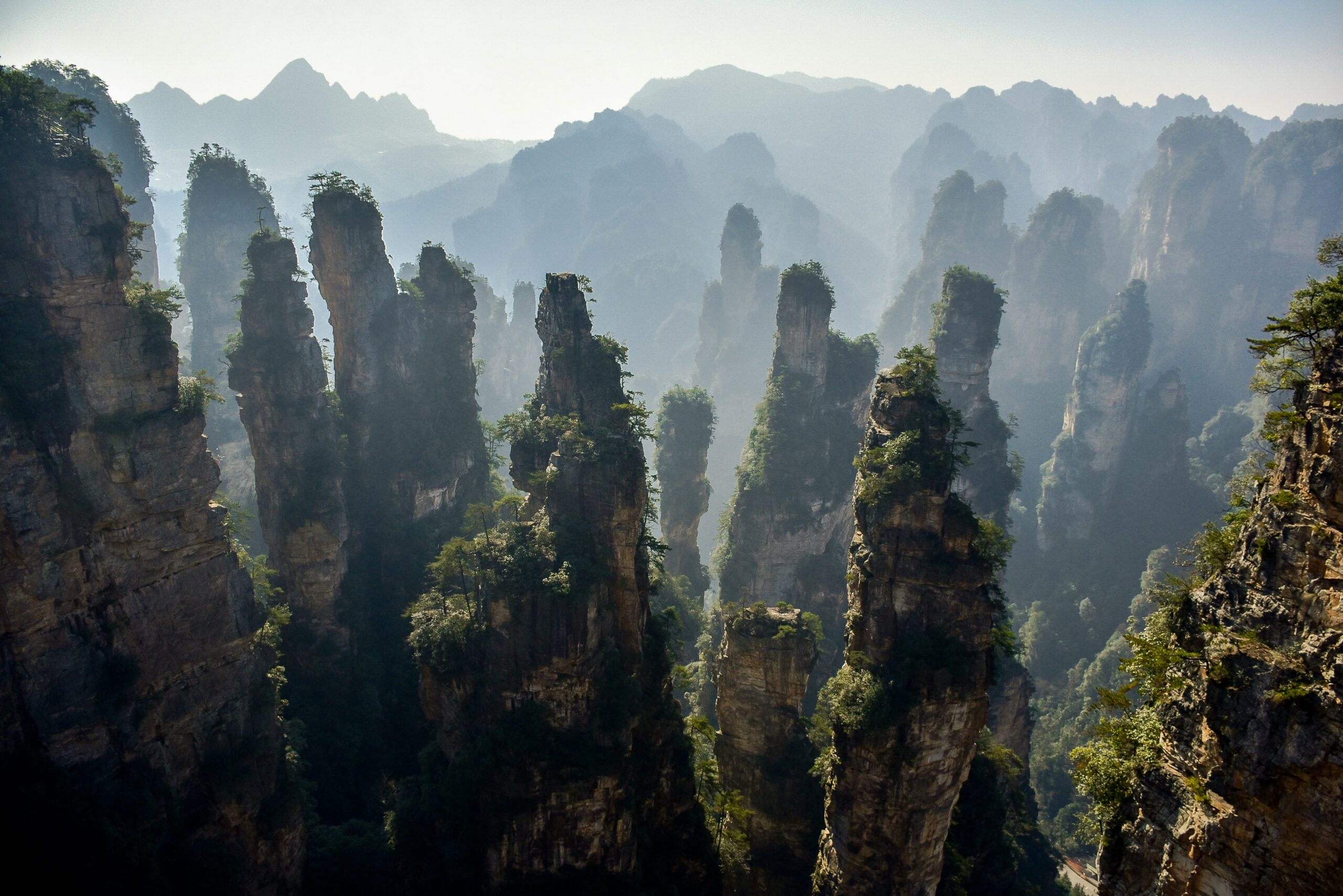
The world beneath our feet holds a tapestry of untold stories, a chronicle etched in stone, shaped by colossal forces and spanning billions of years. “Unearthing Earth’s Secrets: A Geology Science Documentary” embarks on a breathtaking journey to decipher this ancient script, revealing the dynamic processes that have sculpted our planet and continue to influence life as we know it. This ambitious documentary eschews dry lectures for vivid visuals and compelling narratives, transforming abstract geological concepts into tangible, awe-inspiring realities. From the fiery genesis of continents to the silent, relentless march of glaciers, the film employs cutting-edge CGI, stunning on-site footage, and interviews with leading geologists to illuminate the profound forces that have shaped, and continue to shape, our terrestrial home.
The documentary immediately plunges viewers into the maelstrom of Earth’s formation, a period of cataclysmic events that laid the foundation for everything that followed. The initial episodes meticulously recreate the chaotic dance of dust and gas coalescing under immense gravitational pressure, the very genesis of our planet from a swirling nebula.
From Cosmic Dust to Molten Core
The journey begins with the raw materials of our solar system. Viewers witness the accretion of planetesimals, their collisions generating unimaginable heat. The documentary vividly illustrates how this inferno melted the nascent Earth, differentiating into distinct layers – a dense, metallic core, a molten mantle, and a nascent crust. The sheer scale and violence of this primordial stage are conveyed through stunning visual effects, making the abstract concept of planetary formation an visceral experience. It becomes clear that Earth was not born gently, but forged in a crucible of fire and impact.
The Great Sinking: Formation of the Lunar Companion
A pivotal moment in Earth’s early history, the giant impact hypothesis, is brought to life with scientifically informed CGI. The documentary posits that a Mars-sized protoplanet, often referred to as Theia, collided with early Earth. This cataclysmic event, depicted with both terrifying power and scientific precision, is shown to have ejected a significant amount of material from both bodies, which then coalesced to form our Moon. The formation of the Moon, far from being a mere celestial neighbor, is presented as intrinsically linked to Earth’s own evolution, influencing tides and stabilizing its axial tilt, crucial factors for the development of life.
The Arrival of Water: A Cosmic Gift
The question of Earth’s water, a fundamental element for life, is explored with fascinating scientific speculation. “Unearthing Earth’s Secrets” examines the leading theories, including the delivery of water by comets and asteroids that bombarded early Earth. The documentary utilizes animated sequences to depict these icy travelers from the outer solar system, carrying their precious cargo across the vastness of space. This segment highlights the serendipitous nature of our planet’s habitability, suggesting that the presence of water was not preordained but a fortunate consequence of cosmic events.
For those interested in the fascinating intersection of geology and historical cartography, the article “Uncovering the Source Documents of the Piri Reis Map” provides an intriguing exploration of how ancient maps can reveal geological features and historical insights. This article delves into the origins of the Piri Reis map, shedding light on the geological knowledge of the time and its implications for modern science. To read more about this captivating subject, visit the article here: Uncovering the Source Documents of the Piri Reis Map.
The Reshaping Hands: Plate Tectonics in Action
The documentary then transitions to the slow, inexorable, and incredibly powerful forces of plate tectonics, the driving engine behind Earth’s ever-changing surface. This section emphasizes that the Earth’s crust is not a monolithic shell but a broken mosaic of lithospheric plates that constantly move, interact, and reshape continents and oceans.
The Shifting Continents: A Global Jigsaw Puzzle
Viewers are treated to a mesmerizing visualization of continental drift. The documentary uses time-lapse CGI to demonstrate how continents have moved over millions of years, splitting apart and colliding to form supercontinents like Pangaea. The visual storytelling effectively conveys the immense timescale involved, illustrating how seemingly static landmasses are in perpetual motion. The implications of this movement are profound, influencing climates, ecosystems, and the distribution of geological resources.
Convergent Boundaries: Where Continents Collide and Oceans Vanish
The dramatic consequences of plates colliding are brought to life. The documentary explains the different types of convergent boundaries: oceanic-continental, oceanic-oceanic, and continental-continental.
The Forging of Mountains: Orogenesis Revealed
The formation of massive mountain ranges, such as the Himalayas, is depicted with stunning detail. The film shows how the Indian plate relentlessly pushes into the Eurasian plate, causing the crust to buckle, fold, and uplift. The visceral imagery of colossal rock formations being squeezed and contorted underscores the immense pressures involved. The documentary emphasizes that these mountains are not static monuments but dynamic geological features, still growing today.
Subduction Zones: The Fiery Underbelly of the Oceans
Understanding subduction zones, where one tectonic plate slides beneath another, is crucial. “Unearthing Earth’s Secrets” uses CGI to illustrate the process of oceanic plates sinking into the Earth’s mantle. This sinking material, rich in water-bearing minerals, triggers melting in the overlying mantle wedge, leading to the formation of volcanoes. The documentary highlights the destructive and creative power of subduction, responsible for both deep ocean trenches and explosive volcanic arcs.
Divergent Boundaries: Rifts and New Beginnings
The inverse of collision, divergence, is equally vital. The film explores how tectonic plates pull apart, creating new crust and vast geological features.
Mid-Ocean Ridges: Birthplaces of New Ocean Floor
The documentary ventures to the abyssal plains to explore mid-ocean ridges. Using submersible footage and animated sequences, it reveals the molten rock that erupts from the Earth’s mantle to form new oceanic crust. This process, occurring continuously along thousands of kilometers of ridges, is essentially the Earth’s way of recycling its crust. The sheer scale of this geological engine is a testament to the planet’s enduring dynamism.
Rift Valleys: The Seeds of New Continents
The process of continental rifting, the initial stages of a continent splitting apart, is illustrated with examples like the East African Rift Valley. The documentary shows how the crust thins and stretches, leading to the formation of vast valleys and volcanic activity. This provides a glimpse into the future, hinting at the eventual formation of new oceans and continents over eons.
The Sculptors of the Surface: Erosion and Deposition

While plate tectonics builds the grand architecture of the Earth, the forces of erosion and deposition are the meticulous sculptors that refine its features, shaping everything from majestic canyons to rolling plains. This section emphasizes the constant interplay between uplifting forces and the relentless agents of change.
Water’s Persistence: Rivers and Oceans as Architects
The documentary dedicates significant attention to the erosive power of water. Viewers are taken on a journey along iconic rivers, witnessing how they carve through solid rock.
Grand Canyons: Masterpieces of Erosion
The Grand Canyon serves as a prime example of the long-term power of fluvial erosion. The film meticulously details how the Colorado River, over millions of years, has cut through layers of rock, revealing a spectacular geological cross-section of Earth’s history. The scale of this natural wonder is emphasized by breathtaking aerial photography and detailed explanations of the rock strata.
Coastal Sculptures: The Embrace of the Sea
The dynamic interaction between oceans and coastlines is also explored. The documentary showcases how wave action, currents, and tides sculpt shorelines, creating sea stacks, cliffs, and beaches. The constant reshaping of coastal environments highlights the ongoing geological processes that shape our planet’s edges.
Wind’s Gentle Caress and Furious Blows
The less dramatic, but equally significant, role of wind erosion is also brought to the forefront. The documentary showcases how wind, especially in arid regions, can transport sand and dust, shaping landscapes through abrasion and deflation.
Desert Dunes: Shifting Sands of Time
The mesmerizing formations of sand dunes are presented not just as beautiful scenery but as dynamic geological elements shaped by the wind. The documentary explains how wind patterns dictate the size and shape of these ever-moving formations.
The Power of Dust Storms: Global Connectors
The broader impact of wind in transporting fine particles is also discussed, highlighting how dust storms can carry sediment across vast distances, influencing soil fertility and even atmospheric composition.
Ice’s Slow, Unyielding Power: Glacial Grandeur
The colossal power of glaciers is a focal point of this section. The documentary reveals how these massive rivers of ice have sculpted significant portions of the Earth’s surface over geological time.
Carved Valleys and Fjords: Monuments of Ice
Viewers witness the dramatic U-shaped valleys, fjords, and moraines left behind by retreating glaciers. The film uses CGI and on-location footage to illustrate how the immense weight and slow movement of ice can grind down mountains and transport vast quantities of rock and sediment, leaving behind distinctive landforms.
The Impact of Ice Ages: A Cyclical Story
The documentary also delves into the cyclical nature of ice ages, explaining the climatic factors that lead to glacial periods and their profound impact on global landscapes and sea levels.
The Veins of the Earth: Mineral Resources and Their Origins
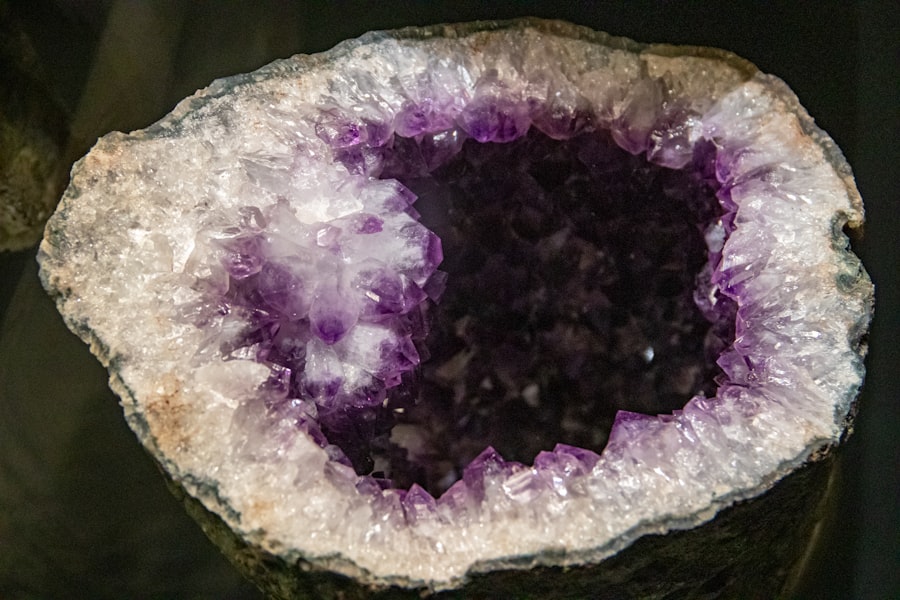
This segment delves into the Earth’s hidden treasures, exploring the origin and significance of the mineral and fossil fuel resources that have fueled civilization. It emphasizes that these resources are not randomly distributed but are products of specific geological processes.
The Alchemy of the Mantle: Magmatic Formation of Minerals
The documentary explains how heat and pressure within the Earth’s mantle drive the formation of various minerals. Magma chambers, the reservoirs of molten rock beneath the surface, are depicted as natural crucibles where elements combine and crystallize.
Gemstones: Jewels of Geological Pressure
The formation of precious gemstones like diamonds and rubies is explained through their specific geological environments, emphasizing the extreme conditions required for their creation. The documentary showcases the fascinating journey from deep within the Earth to the surface, often brought up by volcanic eruptions.
Metallic Ores: The Building Blocks of Industry
The origin of essential metallic ores, such as iron, copper, and gold, is linked to processes like hydrothermal alteration and magmatic differentiation. The documentary illustrates how these valuable elements are concentrated in specific geological settings, making their extraction both a scientific and economic endeavor.
Ancient Sunlight: The Formation of Fossil Fuels
The origins of coal, oil, and natural gas are explored, tracing their transformation from ancient organic matter to energy sources over millions of years.
Coal: Carbon’s Ancient Legacy
The documentary depicts prehistoric swamps and forests, showing how plant material accumulated and was buried under layers of sediment. The immense pressure and heat over geological time are illustrated as the driving forces behind the conversion of this organic matter into coal.
Oil and Gas: Biomass to Black Gold
The formation of oil and natural gas is explained through the deposition and burial of marine organisms. The documentary highlights the specific conditions of temperature and pressure required for the “maturation” of these hydrocarbons, emphasizing their origin from ancient life forms. This section underscores the profound connection between life on Earth and the energy resources that power our modern world.
In exploring the fascinating world of geology, one might find the documentary “The Story of Earth” particularly enlightening, as it delves into the planet’s formation and the dynamic processes that shape its surface. For those interested in the broader implications of geological changes on human activities, a related article on trade agreements, such as the USMCA, can provide valuable insights into how these agreements are influenced by natural resources and environmental considerations. You can read more about it in this article.
Earth’s Future: Lessons from the Past, Challenges for Tomorrow
| Documentary Title | Release Year | Duration (minutes) | Rating |
|---|---|---|---|
| Earth: The Inside Story | 2014 | 60 | 8.5/10 |
| Geologic Journey | 2007 | 240 | 9/10 |
| Deep Time History | 2018 | 90 | 7.8/10 |
The documentary concludes by looking forward, emphasizing that understanding Earth’s geological history is crucial for navigating the challenges of the future. It highlights how geological processes continue to shape our planet and how human activities are interacting with these forces in unprecedented ways.
Natural Hazards: The Ever-Present Forces
The film addresses the inherent geological hazards that are part of living on a dynamic planet, including earthquakes, volcanic eruptions, and tsunamis. It explains the underlying geological mechanisms that cause these events, emphasizing that they are not random occurrences but predictable consequences of Earth’s internal processes. The documentary stresses the importance of geological understanding for preparedness and mitigation.
Climate Change: A Human Imprint on Geological Cycles
A significant portion of the concluding segment is dedicated to the impact of human activities on Earth’s geological systems, particularly in the context of climate change. The documentary connects human-induced greenhouse gas emissions to long-term geological cycles, illustrating how our actions are altering the planet’s energy balance and influencing processes like sea-level rise and glacial melt.
Sustainable Stewardship: A Geological Responsibility
The documentary ends with a call for responsible stewardship of the planet. It underscores that a deep understanding of Earth’s geology is not just an academic pursuit but a fundamental necessity for ensuring a sustainable future. By appreciating the immense timescales and powerful forces that have shaped our world, humanity can better understand its place within these ongoing processes and strive to live in harmony with the planet’s ancient rhythms. “Unearthing Earth’s Secrets” leaves viewers with a profound sense of wonder, a deeper appreciation for the intricate systems that govern our planet, and a renewed commitment to safeguarding its future.

The Boulder That Shouldn’t Exist
FAQs
What is a science documentary about geology?
A science documentary about geology is a film or television program that explores the scientific study of the Earth’s structure, materials, and processes. It typically includes footage of geological formations, interviews with geologists, and explanations of geological concepts.
What topics are typically covered in a science documentary about geology?
A science documentary about geology may cover a wide range of topics, including plate tectonics, rock formations, mineral resources, geological hazards (such as earthquakes and volcanoes), and the history of the Earth’s formation.
How are science documentaries about geology produced?
Science documentaries about geology are typically produced by a team of filmmakers and scientists. The process may involve extensive research, fieldwork, interviews with experts, and the use of advanced filming techniques to capture geological phenomena.
What are the benefits of watching a science documentary about geology?
Watching a science documentary about geology can provide viewers with a deeper understanding of the Earth’s processes and history. It can also inspire curiosity about the natural world and the work of geologists, and raise awareness about environmental issues related to geology.
Where can I watch science documentaries about geology?
Science documentaries about geology can be found on streaming platforms, television networks, and educational websites. They may also be available for purchase or rental on DVD or Blu-ray. Additionally, some museums and science centers may screen geology documentaries as part of their programming.