
Planet Earth, a sapphire jewel suspended in the vast cosmic ocean, is a world brimming with enigmas that have captivated humanity for millennia. From the deepest trenches of its oceans to the loftiest peaks of its mountains, and even beneath its seemingly solid crust, lays a tapestry of unresolved mysteries, each whispering tales of its formation, evolution, and the intricate web of life it supports. Scientists, thinkers, and adventurers alike have dedicated their lives to unraveling these profound questions, pushing the boundaries of knowledge with relentless curiosity. This exploration delves into some of the most enigmatic aspects of our home planet, seeking to shed light on the phenomena that continue to perplex and inspire.
The story of Earth’s birth is an epic of cosmic proportions, a violent yet ultimately life-giving event that shaped the planet we inhabit today. Understanding this initial phase is crucial to deciphering many of Earth’s subsequent mysteries, from the composition of its core to the presence of liquid water. The prevailing scientific narrative paints a picture of a chaotic yet purposeful formation, a process that laid the groundwork for all that was to come.
The Accretion Disks and the Protoplanetary Cloud
The formation of Earth, like all planets in our solar system, began within the swirling nebula of gas and dust that surrounded our nascent Sun. This protoplanetary disk, a flat, rotating structure, was the birthplace of planets. Gravitational forces caused smaller particles to clump together, forming planetesimals, which then collided and merged, growing larger over time. This process, known as accretion, was not a gentle one; collisions were frequent and energetic, shaping the early, molten Earth.
The Role of Jupiter and Planetary Migration
The gravitational influence of Jupiter, the giant of our solar system, is thought to have played a significant role in Earth’s formation and early evolution. Some theories suggest that Jupiter’s migration, its jostling inwards and outwards within the protoplanetary disk, may have dispersed material and even ejected embryonic planets, thereby influencing the final size and composition of Earth. Without this cosmic ballet, Earth might have been vastly different, or perhaps might not have formed at all.
The Giant Impact Hypothesis: The Moon’s Puzzling Origin
One of the most persistent and compelling mysteries surrounding Earth’s early history is the origin of its singular, large moon. The prevailing scientific hypothesis, known as the Giant Impact Hypothesis, posits that a Mars-sized protoplanet, often referred to as Theia, collided with proto-Earth. This cataclysmic impact would have ejected a massive amount of material into orbit around Earth, which then coalesced to form the Moon.
Evidence from Lunar Samples and Isotopic Signatures
The remarkable similarity in isotopic composition between Earth’s rocks and lunar samples provides strong support for the Giant Impact Hypothesis. If the Moon were formed from the same primordial material as Earth, their geochemical fingerprints should be nearly identical. While some minor discrepancies exist, the overall match is compelling. However, the exact angle and velocity of the impact, as well as the precise proportion of material contributed by Theia versus Earth, remain areas of active research and ongoing debate. Further analysis of lunar rocks, and perhaps future sample return missions from the Moon, will undoubtedly continue to refine our understanding of this monumental event.
The Differentiation of Earth’s Layers: A Molten Crucible
Following its initial formation, Earth underwent a process called differentiation. The intense heat generated by collisions and radioactive decay caused the planet to become largely molten. Denser materials, such as iron and nickel, sank to the center to form the core, while lighter silicate materials rose to the surface, forming the mantle and crust. This layering is fundamental to Earth’s geological processes, driving plate tectonics and generating its magnetic field.
The Unknowable Depths: The Iron Core’s Secrets
The Earth’s core, a realm of immense pressure and temperature, remains one of the most inaccessible and enigmatic frontiers of scientific inquiry. While seismology provides indirect evidence of its liquid outer core and solid inner core, the precise composition and dynamics of these regions are still poorly understood. The way in which heat is transferred from the core to the mantle is critical for driving plate tectonics, and understanding this process sheds light on volcanic activity, earthquakes, and mountain formation.
One intriguing aspect of planet Earth mysteries is the exploration of ancient civilizations and their connection to the natural world. For those interested in understanding how societies have adapted to environmental changes, a related article can be found at Safe Havens: Protecting Your Assets During a Currency Crisis. This article delves into the strategies used by communities throughout history to safeguard their resources, which can provide valuable insights into how humanity has navigated the challenges posed by our planet’s unpredictable nature.
The Dynamic Skin of Our Planet: Unraveling Plate Tectonics
Plate tectonics, the theory that Earth’s outer shell is divided into several plates that glide over the mantle, is a cornerstone of modern geology. This continuous, slow-motion dance of tectonic plates shapes continents, creates oceans, and fuels dramatic geological events. Yet, the precise mechanisms that drive these colossal movements, and the long-term implications of their interactions, continue to present fascinating puzzles.
Convection Currents in the Mantle: The Engine of Motion
The driving force behind plate tectonics is believed to be convection currents within the Earth’s mantle. Heat from the Earth’s core causes material in the mantle to rise, cool, and then sink, creating a slow but powerful circulation. This convective flow exerts forces on the overlying tectonic plates, causing them to move. However, the exact nature of these convection currents, including their speed, patterns, and the presence of “plumes” of hotter material rising from the deep mantle, is still a subject of intense study.
The Mystery of Mantle Plumes and Hotspots
Mantle plumes are thought to be upwellings of unusually hot rock from deep within the mantle. As these plumes rise, they can melt the overlying lithosphere, creating volcanic activity at the surface, often referred to as “hotspots.” The Hawaiian Islands, for instance, are a classic example of a hotspot track, where volcanism occurred as the Pacific plate moved over a stationary plume. However, the origin of these plumes, their precise location, and their long-term stability are still debated. Are they remnants of ancient impact events, or a more continuous process driven by the Earth’s internal heat?
The Dance of Subduction Zones: Where Plates Collide
Subduction zones are areas where one tectonic plate slides beneath another. This process is responsible for the formation of deep ocean trenches, volcanic arcs, and powerful earthquakes. The immense forces involved in subduction create compelling geological features, but the details of how an entire tectonic plate can bend, fracture, and plunge into the mantle are complex.
The Deep Earth and the Fate of Subducted Slabs
The ultimate fate of the subducted lithosphere is a significant enigma. Does it melt completely, or does it sink all the way to the core-mantle boundary? Evidence from seismic tomography suggests that remnants of subducted slabs can indeed be found deep within the mantle, influencing mantle dynamics. Understanding how these slabs behave at extreme pressures and temperatures is crucial for comprehending the Earth’s long-term geological evolution and the recycling of material within the planet.
The Generation of Earthquakes: Unpredictable Tremors
Earthquakes, sudden releases of energy in the Earth’s crust, are a stark reminder of the dynamic forces at play beneath our feet. While scientists have made significant progress in understanding the mechanics of fault rupture and seismic wave propagation, predicting the exact timing, location, and magnitude of earthquakes remains an elusive goal.
Slow Slip Events and Foreshocks: Early Warnings?
Recent discoveries of “slow slip events,” where tectonic plates move over long periods without generating significant seismic waves, have added another layer of complexity to earthquake prediction. These events, along with the study of “foreshocks” that sometimes precede larger earthquakes, offer tantalizing clues but definitive predictive models are still years in the future. The intricate interplay of stress, strain, and friction along fault lines creates a chaotic system that is incredibly difficult to model with perfect accuracy.
The Ocean’s Abyss: A Realm of Unknowns
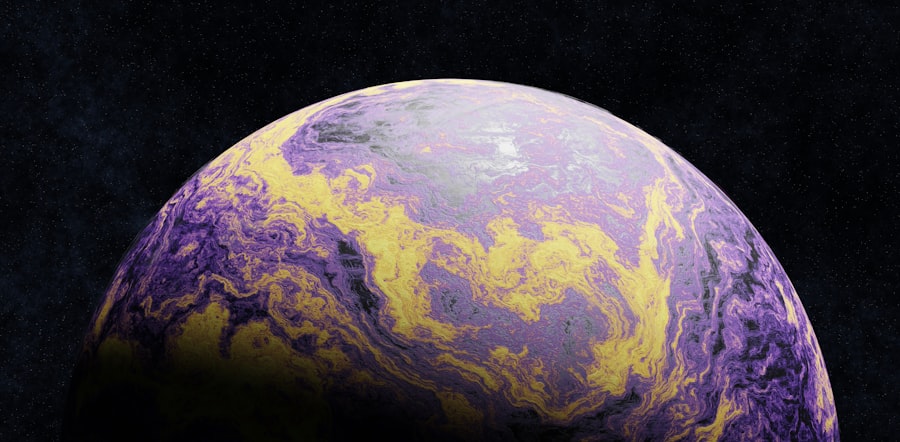
The oceans, covering over 70% of Earth’s surface, are the planet’s largest and arguably most mysterious biome. Their vast depths hold a staggering array of life forms, geological formations, and phenomena that are still largely unexplored. The secrets locked within these watery realms continue to challenge our understanding of biology, geology, and even the origins of life itself.
The Deep Sea Trenches: Extreme Environments and Unique Life
The deepest parts of the ocean, such as the Mariana Trench, are characterized by crushing pressures, extreme cold, and perpetual darkness. Despite these seemingly inhospitable conditions, a diverse array of life has adapted to survive and thrive. The evolution of these extremophiles, their remarkable biochemical adaptations, and their ecological roles are areas of ongoing scientific fascination.
Hydrothermal Vents: Oases of Life and Chemical Energy
Hydrothermal vents, cracks in the seafloor where superheated, mineral-rich water spews forth, are remarkable ecosystems. Here, chemosynthetic bacteria form the base of the food web, utilizing chemical energy instead of sunlight. The discovery of these oases has revolutionized our understanding of life’s potential to exist in extreme environments, leading to speculation about the possibility of life on other planets and moons where similar conditions might prevail. The source of the heat and chemicals driving these vents, and their geological and biological significance, are still areas of intensive research.
The Ocean’s Circulation: A Global Conveyor Belt
The ocean’s currents, driven by a complex interplay of temperature, salinity, and wind, form a global conveyor belt that circulates heat and nutrients around the planet. This oceanic circulation plays a crucial role in regulating Earth’s climate. However, the precise mechanisms and variability of these currents, particularly in response to climate change, are not fully understood.
The Impact of Melting Ice Sheets on Ocean Currents
The melting of polar ice sheets, driven by global warming, poses a significant threat to established ocean circulation patterns. Changes in the influx of fresh water can alter salinity and density, potentially disrupting the thermohaline circulation that drives major ocean currents. Understanding these potential feedbacks is critical for predicting future climate scenarios.
The Uncharted Territories: The Seafloor’s Secrets
Vast swathes of the ocean floor remain unmapped and unexplored. Sonar technology has provided us with a glimpse of the topography, revealing mountains, valleys, and plains, but the detailed geological processes shaping these features, and the potential for undiscovered mineral resources, are still largely unknown.
Deep-Sea Mining and the Ethical Dilemma
The potential for deep-sea mining for valuable minerals like cobalt, nickel, and rare earth elements is raising significant ethical and environmental concerns. The long-term impact of such activities on fragile deep-sea ecosystems, many of which are still poorly understood, is a major unknown. Balancing the potential economic benefits with the need for conservation is a pressing challenge.
The Atmosphere’s Breath: Weather, Climate, and the Ozone Paradox
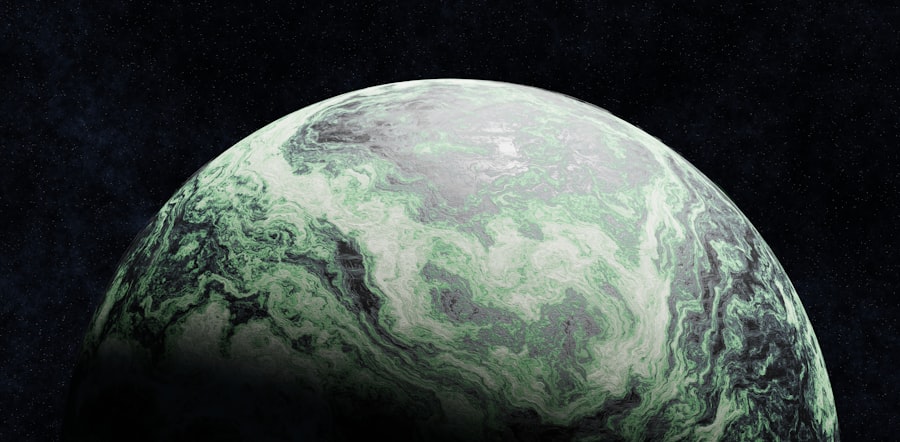
Earth’s atmosphere, a dynamic blanket of gases, provides the air we breathe, regulates temperature, and shields us from harmful solar radiation. While we experience its effects daily, the intricate complexities of atmospheric processes, from the formation of clouds to the long-term trends in climate, continue to present profound scientific challenges.
The Elusive Nature of Weather Prediction
Despite advancements in meteorology, predicting weather with perfect accuracy remains a formidable task. The chaotic nature of atmospheric systems, with their myriad interacting variables, makes long-range forecasting exceptionally difficult. Tiny variations in initial conditions can lead to vastly different outcomes, a phenomenon famously described by the “butterfly effect.”
Chaos Theory and the Limits of Predictability
Chaos theory, which studies complex systems that are highly sensitive to initial conditions, provides a framework for understanding the inherent limitations of weather prediction. While models are becoming increasingly sophisticated, the fundamental unpredictability of the atmosphere means that pinpoint accuracy beyond a certain timeframe may always be out of reach.
The Enigma of Climate Change: Beyond the Greenhouse Effect
While the scientific consensus on human-induced climate change is robust, the precise regional impacts, the tipping points of critical systems, and the effectiveness of various mitigation strategies are still subjects of intense research and debate. Understanding the intricate feedbacks within the Earth system is crucial for accurate projections.
The Role of Aerosols and Cloud Feedback
The role of aerosols (tiny particles in the atmosphere) and cloud formation in modulating climate change is a significant area of ongoing research. Clouds can have both warming and cooling effects, and their behavior under changing climatic conditions is a complex puzzle. Precisely quantifying these feedbacks is crucial for refining climate models.
The Ozone Layer’s Recovery and the Montreal Protocol’s Legacy
The story of the ozone layer is a remarkable testament to human ingenuity and international cooperation. The Montreal Protocol, an international treaty signed in 1987, successfully phased out the production of ozone-depleting substances. The subsequent recovery of the ozone layer serves as a beacon of hope, demonstrating that collective action can address environmental challenges. However, the long-term stability of this recovery and the potential for unforeseen impacts from new chemicals are still monitored closely.
The mysteries of planet Earth continue to captivate scientists and enthusiasts alike, with many phenomena still waiting to be fully understood. For those interested in exploring the intricate relationship between our planet and various global challenges, a related article discusses effective strategies for safeguarding wealth against hyperinflation. This connection highlights how environmental changes can impact economies and personal finances. To learn more about these strategies, you can read the full article here.
The Biosphere’s Tapestry: Life’s Origins and Evolutionary Mysteries
| Mystery | Description |
|---|---|
| Bermuda Triangle | An area in the western part of the North Atlantic Ocean where a number of aircraft and ships are said to have disappeared under mysterious circumstances. |
| Nazca Lines | Geoglyphs located in the Nazca Desert in southern Peru, created by the Nazca culture between 500 BCE and 500 CE. The purpose of the lines is still unknown. |
| Stonehenge | A prehistoric monument located in Wiltshire, England, consisting of a ring of standing stones. Its exact purpose and the methods used to construct it are still a mystery. |
| Alien Life | The question of whether life exists beyond Earth is one of the greatest mysteries in science. |
The sheer diversity and resilience of life on Earth are perhaps its most profound mysteries. From the earliest single-celled organisms to the complex ecosystems we see today, the story of life is one of constant adaptation, innovation, and an enduring drive to survive. Understanding the origins of life and the intricate web of its evolution is a quest that continues to push the boundaries of scientific discovery.
The Enigmatic Origins of Life: Abiogenesis’s Puzzle
The question of how life first arose from non-living matter, a process known as abiogenesis, remains one of the most fundamental and challenging scientific enigmas. While numerous hypotheses exist, including the primordial soup theory and the RNA world hypothesis, the exact sequence of chemical reactions and environmental conditions that led to the emergence of self-replicating molecules is still not fully understood.
Early Earth Environments and the Search for Extraterrestrial Life
The study of early Earth environments, including volcanic activity, the composition of the ancient atmosphere and oceans, and the presence of simple organic molecules, is crucial for unraveling the puzzle of abiogenesis. Furthermore, understanding these processes offers insights into the potential for life to arise on other planets and moons within our solar system and beyond. The search for signs of ancient or present-day life on Mars, Europa, and Enceladus is driven by these very questions.
The Tree of Life: Unraveling Evolutionary Relationships
The remarkable diversity of life on Earth is organized by the concept of the “tree of life,” tracing evolutionary relationships back to common ancestors. However, with the advent of genomics and deeper understanding of microbial life, the traditional branching tree is becoming more complex, revealing horizontal gene transfer and symbiotic relationships that blur the lines of direct lineage.
Horizontal Gene Transfer and the Blurring Lines of Evolution
Horizontal gene transfer, the movement of genetic material between unrelated organisms, is a common phenomenon, particularly in microbial communities. This process can complicate our understanding of evolutionary pathways, as genes can be acquired from various sources, not just passed down vertically from parent to offspring. Deciphering these complex webs of genetic exchange is an ongoing challenge.
The Mystery of Extinction Events: Drivers and Consequences
Earth’s history is punctuated by periods of mass extinction, where a significant percentage of species disappear from the planet. Understanding the causes of these events, from asteroid impacts to massive volcanic eruptions, and their long-term consequences on the evolutionary trajectory of remaining species, is crucial for comprehending the fragility and resilience of life. The ongoing debate about the potential for a sixth mass extinction event, driven by human activity, highlights the enduring relevance of this enigma.
The Human Animal: A Unique Place in the Biosphere
As the dominant species on Earth, humanity presents its own set of enigmas. Our complex cognitive abilities, our capacity for both creation and destruction, and our impact on the global biosphere are subjects of ongoing scientific and philosophical inquiry. Understanding our own evolutionary journey, our place within the web of life, and our responsibility to the planet are perhaps the most critical enigmas we face.
In conclusion, Planet Earth, in all its complexity and grandeur, continues to present an inexhaustible wellspring of mysteries. From the fiery crucible of its formation to the intricate dance of its evolving life forms, each unresolved question serves as an invitation for further exploration and discovery. The pursuit of these answers not only expands our scientific knowledge but also deepens our appreciation for the extraordinary planet we call home, inspiring a sense of wonder and a commitment to its preservation for generations to come. The enigmatic tapestry of Earth continues to unfold, promising endless fascination for those who dare to unravel its secrets.

The Boulder That Shouldn’t Exist
FAQs
What are some of the mysteries surrounding planet Earth?
Some of the mysteries surrounding planet Earth include the origin of life, the formation of the moon, the existence of unexplained geological formations, and the presence of unidentified flying objects.
What is the origin of life on Earth?
The origin of life on Earth is still a mystery, with various theories proposed but no definitive answer. Some scientists believe that life may have originated from simple organic molecules in the primordial soup, while others suggest that it may have been brought to Earth from outer space.
How was the moon formed?
The formation of the moon is a mystery that has puzzled scientists for centuries. The leading theory is the giant impact hypothesis, which suggests that a Mars-sized body collided with the early Earth, ejecting debris that eventually coalesced to form the moon.
What are some unexplained geological formations on Earth?
There are several unexplained geological formations on Earth, such as the Moeraki Boulders in New Zealand, the Stone Spheres of Costa Rica, and the Fairy Circles in Namibia. These formations have puzzled scientists and continue to be the subject of research and speculation.
What are unidentified flying objects (UFOs) and why are they considered a mystery?
Unidentified flying objects (UFOs) are objects or phenomena observed in the sky that cannot be readily identified. While many UFO sightings can be explained as natural or man-made phenomena, there are still a small percentage of cases that remain unexplained, leading to ongoing speculation and mystery.