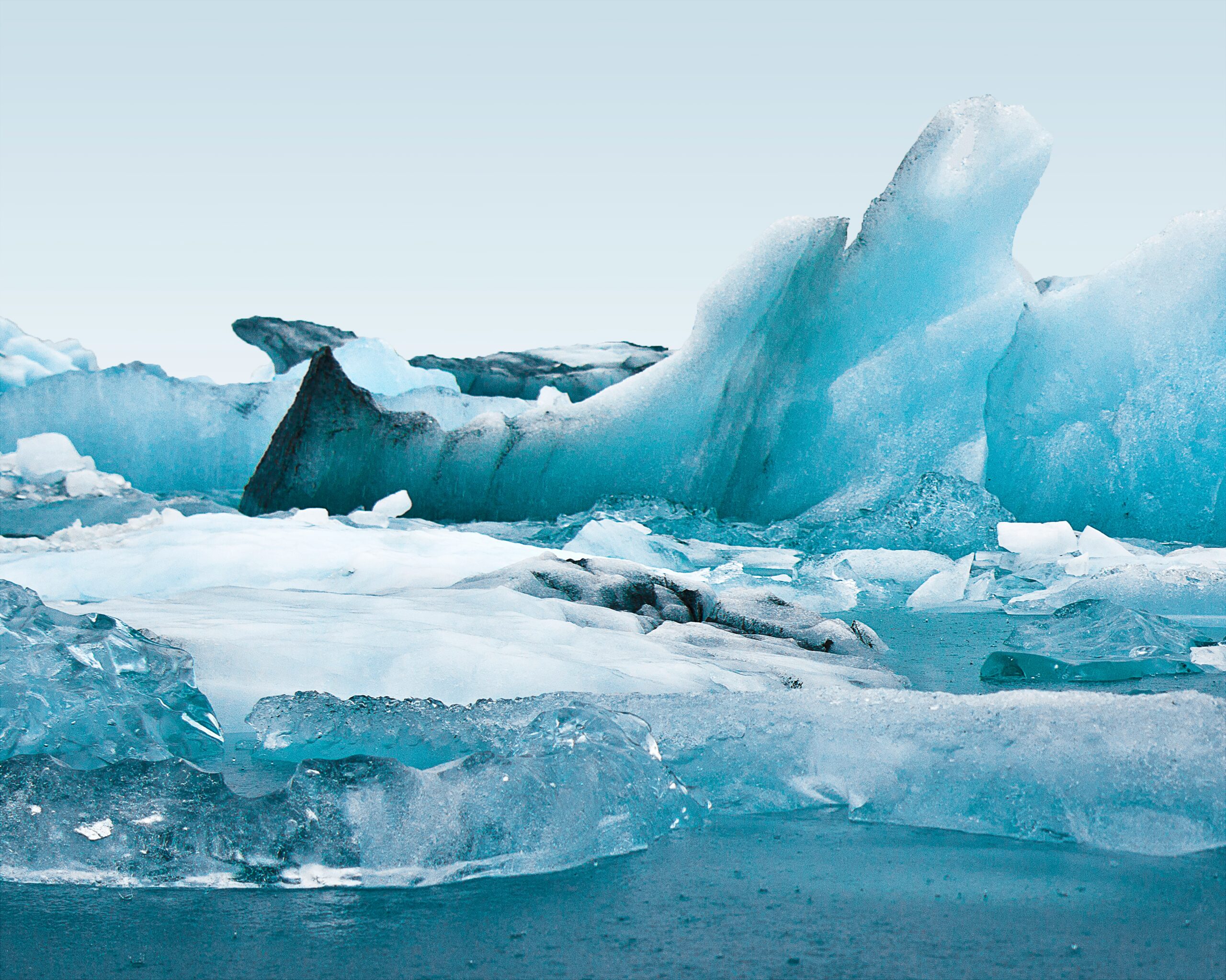
The Earth’s past is a tapestry woven with epochs of dramatic climatic shifts, and none are as captivating or as impactful as the Ice Age. This prolonged period of glaciations, characterized by vast ice sheets covering significant portions of the continents, profoundly reshaped landscapes, sculpted ecosystems, and challenged the very existence of life. For centuries, humanity has gazed upon the remnants of these frozen eras, sensing a forgotten history etched into the land. Uncovering evidence of the Ice Age has been a painstaking yet exhilarating scientific endeavor, a detective story played out across millennia, piecing together clues buried deep within rocks, ice, and the very genetic makeup of living organisms. This article delves into the multifaceted ways scientists have unearthed the story of the Ice Age, revealing a world vastly different from our own.
The initial encounters with Ice Age evidence were often serendipitous, leading to profound shifts in scientific understanding. Before the formal concept of an “Ice Age” took hold, observers noted peculiar geological features that defied conventional explanations. These were the first whispers of a colder, icier past.
Glacial Erraticism: Stones Out of Place
One of the most striking pieces of evidence for past glaciation is the widespread presence of glacial erratics. These are rocks and boulders, often of a type not found in the immediate vicinity, deposited seemingly at random across landscapes. Early naturalists were puzzled by these misplaced stones, some of which were kilometers from their parent bedrock. Theories abounded, including catastrophic floods and even divine intervention. However, the consistent pattern of these erratics – often found at the end of long, sculpted valleys – began to suggest a more uniform and powerful force at play. The sheer weight and size of some erratics made explanations like wind or rivers untenable. It was proposed that a slow-moving, immense force must have transported these stones, grinding them along and depositing them as it retreated. This gradual accumulation of understanding, driven by direct observation of these anomalous rocks, laid the groundwork for later, more comprehensive theories.
Valley Sculpting and U-Shaped Troughs
Beyond erratics, scientists observed that many valleys, particularly in mountainous regions like the Alps and the Scandinavian highlands, possessed a distinct U-shape. This contrasted sharply with the V-shaped valleys typically carved by rivers. The broad, flat floors and steep, often smooth walls of these valleys were highly suggestive of erosion by something far wider and more powerful than flowing water. The presence of glacial striations – long, parallel scratches and grooves on exposed bedrock – further reinforced this idea. These striations were seen as direct evidence of the abrasive action of ice and rocks embedded within it. The consistent correlation between these U-shaped valleys and the presence of erratics pointed towards an overarching process capable of both transporting massive rocks and dramatically reshaping entire landscapes.
The Birth of the Glacial Theory
The pivotal shift in understanding came with the work of pioneers like Ignaz Venetz, Louis Agassiz, and G.B. De Saussure in the early to mid-19th century. Agassiz, in particular, is credited with popularizing the concept of a widespread “Ice Age” or “diluvium.” While Venetz had observed the former extent of glaciers in the Alps, it was Agassiz’s extensive fieldwork and comparative studies that cemented the idea. He meticulously documented the glacial landforms and erratics across Europe, synthesizing previous observations into a coherent theory. His famous lecture at the Neuchâtel Scientific Society in 1837, and his subsequent publications, presented compelling evidence that enormous ice sheets had once covered vast swathes of the continent, analogous to the glaciers of Greenland and Antarctica today. This was a radical departure from previous explanations and met with significant skepticism, but the overwhelming geological evidence gradually won over the scientific community.
The concept of the Ice Age has been a topic of extensive research and discussion, particularly in relation to how it shaped the Earth’s climate and ecosystems. For those interested in exploring the broader implications of historical climatic events, a related article can be found at The Rise of Nearshoring: Mexico’s Growing Appeal, which discusses how environmental changes influence economic trends and migration patterns. Understanding these connections can provide valuable insights into how past climatic shifts, such as the Ice Age, continue to impact modern society.
Unveiling the Grand Design: Ice Sheets and Their Footprints
Once the concept of an Ice Age was established, the focus shifted to understanding the scale and impact of these massive ice sheets. Scientists began to map their extent, decipher their movement, and comprehend the profound geological transformations they wrought.
Continental Ice Sheets: Architects of the Landscape
The most compelling evidence for the Ice Age comes from the direct remnants of continental ice sheets. These were not just localized glaciers but colossal expanses of ice, kilometers thick, that covered entire continents. In North America, the Laurentide Ice Sheet stretched from the Arctic southwards towards the present-day Great Lakes and even into the Midwestern United States. In Europe, the Fennoscandian Ice Sheet dominated Scandinavia and covered much of Northern Europe, extending into the British Isles and parts of Russia. The sheer scale of these ice sheets is difficult to comprehend. Scientists use various methods to reconstruct their boundaries and thickness, including analyzing the distribution of glacial landforms, the extent of erratics, and sedimentary records. The evidence suggests that these ice sheets waxed and waned over hundreds of thousands of years, with multiple glacial and interglacial periods.
Moraines: The Accumulation of Glacial Debris
As ice sheets advanced and retreated, they acted as enormous bulldozers, accumulating and depositing vast quantities of rock and sediment. These deposited materials form distinctive landforms known as moraines. Terminal moraines mark the farthest extent of an ice sheet’s advance, often appearing as long, hummocky ridges of unsorted debris. Lateral moraines form along the edges of glaciers, while recessional moraines mark pauses in the ice sheet’s retreat. Studied in detail, the pattern and composition of moraines provide critical information about the direction of ice flow, the extent of glaciation, and the dynamics of glacier melting. Dating these moraine deposits allows scientists to build chronologies of glacial advances and retreats, painting a picture of the fluctuating Ice Age climate.
Fjords and Drumblins: The Sculpted Survivors
Further evidence of glacial sculpting can be seen in landforms like fjords and drumlins. Fjords are long, narrow inlets of the sea with steep sides, carved into a valley by a glacier. Their distinctive steep sides and deep bottoms are a clear indication of glacial erosion. Many of the coastlines of Norway, Greenland, and New Zealand are marked by these dramatic geological features. Drumlins, on the other hand, are elongated hills with a blunt upstream end and a tapered downstream end, shaped like overturned spoons. They are formed by the passage of ice, with the ice flow dictating their orientation. The overwhelming presence and consistent orientation of thousands of drumlins in glaciated regions serve as irrefutable evidence of past ice movement.
Delving Deeper: Sedimentary Records and Proxy Archives
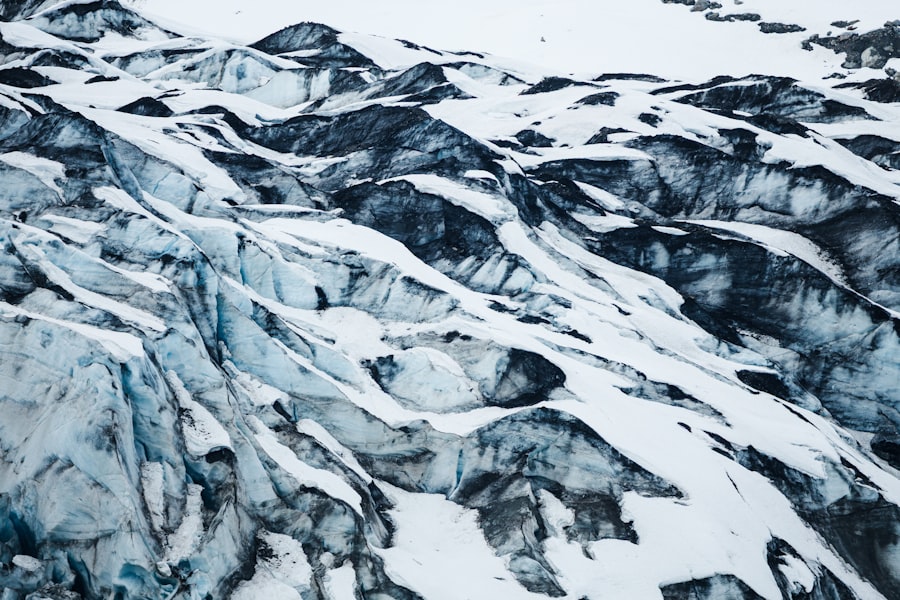
While direct observation of landforms provides compelling evidence, scientists also extract information from more subtle indicators: the layers of sediment and the preserved remains of ancient ecosystems. These proxy archives offer a window into the past climate and environmental conditions that prevailed during the Ice Age.
Varved Sediments: The Earth’s Calendar
In lakes and marine basins that existed adjacent to glaciers, distinct layered sediments called varves can be found. These layers represent annual cycles of deposition. In the spring and summer, when meltwater from glaciers is abundant, finer, lighter-colored sediments are deposited. In the winter, when melt is minimal, coarser, darker sediments accumulate. By counting and analyzing these varves, scientists can create highly detailed chronologies of glacial activity and climate change over thousands of years. The thickness and composition of varves can also reveal information about the intensity of meltwater flow, sediment load, and even temperature fluctuations. This fine-grained sedimentary record provides a precise temporal framework for understanding Ice Age events.
Paleosols: Buried Histories of Ancient Surfaces
Paleosols, or ancient soils, buried beneath layers of glacial till or outwash, offer insights into interglacial periods. During warmer interglacial intervals, soils would have developed on the surface. The characteristics of these paleosols – their structure, composition, and the types of organic matter they contain – can indicate the prevailing climatic conditions, such as temperature and rainfall. By studying the sequence and nature of these buried soils, scientists can infer the duration and severity of warmer periods between glaciations, providing crucial context for the glacial cycles. The presence of distinct soil horizons within a sequence of sedimentary layers is a strong indicator of a significant period of stability and relatively milder climate conditions.
Marine Sediments and Foraminifera: Ocean Climate Clues
The world’s oceans are vast repositories of climate information. Marine sediment cores, extracted from the ocean floor, contain layers of fossilized microorganisms, most notably foraminifera. These tiny shelled creatures, which drift in the plankton, incorporate isotopes of oxygen from the surrounding seawater into their shells. The ratio of different oxygen isotopes (specifically oxygen-18 and oxygen-16) in these shells is directly related to the global ice volume and ocean temperature. During glacial periods, when much of the Earth’s water was locked up in ice sheets, the proportion of oxygen-18 in the ocean increased. Conversely, during warmer interglacial periods, the proportion of oxygen-16 was higher. Analyzing these isotopic ratios in foraminifera across long sediment cores provides a detailed and continuous record of global climate change, spanning hundreds of thousands, and even millions, of years.
The Frozen Libraries: Ice Cores and Atmospheric Archives
Perhaps the most direct and revealing evidence of Ice Age conditions comes from the frozen archives of ancient ice itself. Ice cores, extracted from the deep ice sheets of Greenland and Antarctica, contain trapped air bubbles and layers of dust and volcanic ash, offering an unparalleled glimpse into the past atmosphere and climate.
Greenland and Antarctic Ice Cores: Trapped Worlds
Drilling ice cores is an arduous and technically challenging process, but the information yielded is invaluable. As snow falls and accumulates over millennia, it compacts to form ice, trapping tiny bubbles of air from the atmosphere at the time of its formation. These air bubbles act as miniature time capsules, preserving samples of the ancient atmosphere. By analyzing the composition of gases within these bubbles, scientists can reconstruct past atmospheric concentrations of greenhouse gases like carbon dioxide and methane. This is crucial because these gases play a significant role in regulating Earth’s temperature. Furthermore, the isotopic composition of the water molecules in the ice itself (specifically oxygen and hydrogen isotopes) can reveal information about past temperatures. Layers of dust and volcanic ash within the ice can also be dated and used to correlate different ice cores and understand past volcanic activity and atmospheric circulation patterns.
Greenhouse Gas Fluctuations: A Direct Link to Temperature
The analysis of ice cores has revealed a remarkable correlation between past temperatures and the concentration of greenhouse gases. During glacial periods, atmospheric carbon dioxide and methane levels were significantly lower than during interglacial periods. Conversely, as temperatures rose leading to interglacial warmth, greenhouse gas concentrations increased. This strong correlation provides compelling evidence for the role of greenhouse gases in driving Earth’s climate cycles, including the Ice Age. This evidence is particularly significant in understanding potential future climate change, as it demonstrates the profound impact of these atmospheric components on global temperatures. The smooth, sinusoidal patterns of these fluctuations across hundreds of thousands of years are striking.
Volcanic Eruptions and Dust Layers: Atmospheric Signatures
Ice cores also contain layers of dust and volcanic ash, providing a historical record of atmospheric conditions. Dust concentrations can indicate the aridity of continental interiors and wind intensity. Increased dust during glacial periods suggests drier conditions and stronger winds. Volcanic ash layers, identified by their unique chemical composition, can be precisely dated and used to synchronize different ice cores and sedimentary records. Major volcanic eruptions can inject large amounts of ash and gases into the atmosphere, potentially influencing global climate. By studying these layers, scientists can assess the frequency and magnitude of past volcanic events and their potential climatic impacts, adding another layer of complexity to the Ice Age narrative.
The study of the Ice Age has revealed significant insights into Earth’s climatic history and its impact on human evolution. Researchers have uncovered evidence that supports the existence of this frigid period, highlighting how it shaped the landscapes we see today. For a deeper understanding of how environmental changes can lead to crises, you might find it interesting to explore the urgent situation in Yemen, as discussed in a related article. This piece emphasizes the importance of international aid in response to environmental challenges, which can be linked to the broader themes of survival and adaptation throughout history. You can read more about it in the article here: Yemen Crisis: The Urgent Need for International Aid.
Reconstructing Life in a Frozen World: Paleoecology and Genetics
| Metrics | Data |
|---|---|
| Temperature | Estimated to be 5-10 degrees Celsius lower than today |
| Glacial coverage | Ice sheets covered about 30% of the Earth’s surface |
| Duration | Lasted for about 2.6 million years |
| Sea level | Estimated to be about 130 meters lower than today |
The Ice Age was not a lifeless expanse of ice. The dramatic environmental shifts profoundly influenced the distribution, evolution, and survival of life on Earth. Scientists reconstruct these ancient ecosystems and the adaptations of organisms through the study of fossils and the application of modern genetic techniques.
Fossil Flora and Fauna: Survivors of the Cold
The fossil record provides direct evidence of the plants and animals that inhabited Earth during the Ice Age. Paleontologists unearth fossilized remains of megafauna like mammoths, mastodons, saber-toothed cats, and giant ground sloths, often remarkably preserved in permafrost or peat bogs. The distribution of these fossil finds helps map out ancient habitats and migration routes. Similarly, fossil plant remains, such as pollen and seeds found in sedimentary layers, reveal the types of vegetation that could survive in colder climates, indicating the extent of tundra, boreal forests, and grasslands during glacial and interglacial periods. The study of tooth wear patterns on herbivore fossils can also provide insights into the types of plants available for consumption.
The Emergence of Modern Humans: Adaptation and Migration
The Ice Age was a critical period in the evolution and dispersal of Homo sapiens. As glaciation advanced, vast land bridges, like Beringia connecting Asia and North America, emerged, facilitating human migration across continents. Archaeological sites containing ancient tools, hearths, and skeletal remains reveal the resourcefulness and adaptability of early humans. These sites provide evidence of their hunting strategies, their ability to create shelter, and their social organization in challenging environments. The genetic makeup of modern human populations also holds clues about these ancient migrations, with genetic divergence patterns reflecting movements and isolations during Ice Age conditions.
Genetic Clues: Tracing Evolutionary Journeys
Paleogenomics, the study of ancient DNA, has revolutionized our understanding of Ice Age life. By extracting and analyzing DNA from fossilized remains and sediments, scientists can reconstruct the evolutionary histories of extinct species and understand their relationships to modern organisms. It allows for precise tracking of population movements, interbreeding between species (like Neanderthals and Homo sapiens), and the selection pressures that drove evolutionary adaptations to cold climates. For example, genetic studies have revealed adaptations in cold-adapted mammals, such as changes in fur thickness and metabolic rates, that were crucial for surviving the harsh Ice Age environments. This molecular evidence complements the morphological and stratigraphical evidence, providing a comprehensive picture.
In conclusion, the uncovering of evidence of the Ice Age is a testament to the power of scientific inquiry, combining meticulous observation, innovative technology, and interdisciplinary collaboration. From the conspicuous landscape features sculpted by immense ice sheets to the subtle isotopic signatures locked within ancient ice and the genetic blueprints of long-extinct creatures, the story of Earth’s frozen past is being steadily revealed. Each discovery deepens our appreciation for the dynamic nature of our planet and offers crucial insights into the forces that shape its future. The ongoing quest to unravel the mysteries of the Ice Age continues to push the boundaries of scientific understanding, reminding us of the profound climatic transformations that have shaped, and will continue to shape, the world we inhabit.

The Boulder That Shouldn’t Exist
FAQs
What is the Ice Age?
The Ice Age is a period of time in Earth’s history when the climate was significantly colder and ice sheets covered large parts of the planet.
When did the Ice Age occur?
The Ice Age occurred during the Pleistocene epoch, which began about 2.6 million years ago and ended around 11,700 years ago.
What evidence supports the existence of the Ice Age?
Evidence for the Ice Age includes geological features such as glacial moraines, drumlins, and erratic boulders, as well as the presence of ancient ice sheets and ice cores.
How did the Ice Age impact the Earth’s landscape and ecosystems?
During the Ice Age, large ice sheets and glaciers carved out valleys, created lakes, and reshaped the Earth’s surface. Many species of plants and animals adapted to the cold climate, while others became extinct.
What are the lasting effects of the Ice Age on the Earth today?
The Ice Age had a profound impact on the Earth’s geography, shaping the landforms and influencing the distribution of plant and animal species. Additionally, the melting of ice sheets during the end of the Ice Age contributed to rising sea levels and the formation of modern coastlines.