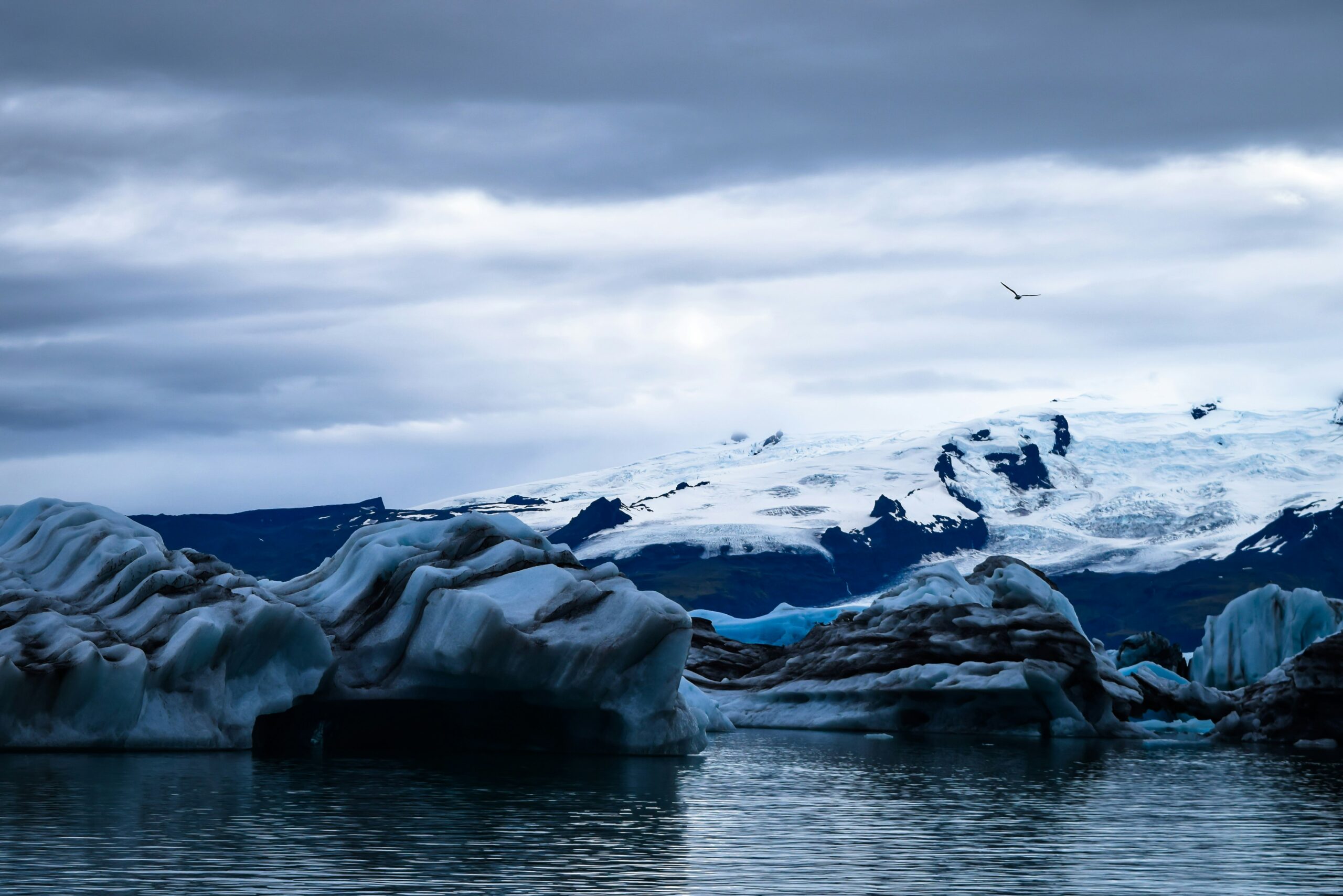
The Earth’s past is a tapestry woven with dramatic climatic shifts, and among the most profound were the periods of glaciation, commonly known as Ice Ages. These epochs, characterized by the extensive growth and advance of massive ice sheets, sculpted the landscapes we see today and left behind a rich legacy of evidence for their existence. The story of these frozen eras is indelibly etched in glacial deposits, the remnants of ice movement and deposition, and in the fossil records, the preserved remains of life that endured or adapted to these frigid conditions. By meticulously examining these geological and biological archives, scientists have pieced together a compelling narrative of Earth’s cryogenic chapters, revealing a planet transformed by colossal glaciers.
The most tangible and widespread evidence of past Ice Ages comes from the unmistakable landforms and materials deposited by moving ice. Glaciers, in their slow but relentless march, are powerful agents of erosion and deposition. As they advance, they scour the underlying bedrock, carrying vast quantities of rock and sediment. When these ice sheets eventually retreat, they leave behind a diverse array of deposits that bear the signature of glacial action. These deposits are not random accumulations; they are organized and patterned in ways that distinctly indicate their origin from ice. Understanding these features is paramount to reconstructing the extent and behavior of past ice sheets, offering a physical blueprint of the Ice Ages.
Till: The Unsorted Fingerprint of Ice
Perhaps the most characteristic glacial deposit is till, a heterogeneous mixture of clay, silt, sand, gravel, and even large boulders, all unsorted and unstratified. This jumbled collection of debris is directly plucked from the bedrock or picked up by the moving ice, and then dropped indiscriminately as the ice melts. The texture and composition of till can vary depending on the source rocks from which it was derived, but its defining feature is its lack of sorting. Unlike deposits formed by flowing water, where particles are typically separated by size, till remains a chaotic mass, a direct testament to the bulldozing and dumping action of a glacier. Studying the rock fragments within till can even reveal the path a glacier once took, by tracing the origin of exotic lithologies found far from their parent bedrock.
Erratics: Ancient Travelers of the Ice
Within till, and often found isolated in otherwise dissimilar landscapes, are glacial erratics. These are large boulders or rocks that have been transported by glaciers for significant distances, sometimes hundreds of kilometers, from their original source. Their presence in areas where the underlying bedrock is entirely different is a dead giveaway of glacial transport. Imagine a massive granite boulder resting atop a formation of limestone; this clearly indicates that the granite must have been carried to this location by an agent capable of moving such immense weight over long distances, an agent that points unequivocally to a past Ice Age. The size and composition of erratics offer clues about the power and reach of the ice sheets that carried them, acting as solitary witnesses to ancient journeys.
Stratified Drift: The Sorted Legacy of Meltwater
While till speaks of the direct deposition of ice, other glacial deposits are formed by the meltwater streams and rivers that flow from and beneath glaciers. These meltwater-fed rivers are often incredibly powerful and carry large volumes of sediment. As the water flows, it sorts the material by size, depositing coarser materials closer to the ice source and finer sediments further away. These sorted deposits are known as stratified drift, characterized by distinct layers or strata of sand, gravel, and silt. The presence of stratified drift indicates periods of melt and water activity associated with glacial margins, offering insights into the dynamics of ice retreat and the environmental conditions during interglacial periods or at the edges of ice sheets.
Outwash Plains: Vast Spreading Grounds of Sediment
One common form of stratified drift is the outwash plain, a broad, relatively flat area formed by meltwater streams spreading out from the terminus of a glacier. These plains are composed of extensive layers of sand and gravel, deposited as the velocity of the meltwater decreases. Outwash plains can be vast in extent, forming wide plains in front of former mountain glaciers or vast outwash fans stretching for kilometers from the main ice sheet. Their formation signifies a period of significant melt and sediment transport, and the patterns within them can reveal information about the drainage systems of past ice sheets.
Eskers: Meandering Rivers Trapped in Ice
Eskers are sinuous ridges of sand and gravel that often wind their way across the landscape, sometimes for many kilometers. These features are formed by meltwater streams flowing within, beneath, or along the margins of a glacier. These subglacial or englacial rivers deposit their sediment in channels, and when the ice eventually melts away, these sediment-filled channels are left standing as elevated ridges. The winding nature of eskers directly reflects the meandering paths of these ancient ice-confined rivers, providing a unique glimpse into the intricate internal plumbing of a glacier.
Kames: Piles of Debris from Melting Ice
Kames are irregular mounds or small hills composed of stratified sand and gravel. They form when meltwater streams deposit sediment into depressions or holes on the surface of a stagnant or melting glacier. As the ice melts around these sediment-filled cavities, the debris slumps down and forms irregular, often conical, mounds. Kames, therefore, represent localized accumulations of meltwater-deposited material directly associated with the disintegration of ice.
Recent studies have provided compelling evidence of the Ice Age, shedding light on the climatic conditions that shaped early human history and the environment. One intriguing aspect of this research is the impact of ancient microbial blooms on ecosystems during this period. For a deeper understanding of how these microbial changes influenced life on Earth, you can read more in the article titled “The Silent Plague: Ancient Microbial Bloom” available at this link.
Fossil Evidence: Life in the Frost
The direct physical evidence of ice sheets is complemented by a wealth of biological clues preserved in the fossil record. While intense glaciation would have rendered many regions uninhabitable for most life, the fringes of ice sheets, interglacial periods, and refugia offer significant insights into the flora and fauna that coexisted with these frozen expanses. Fossils found in sediments deposited during or between Ice Age glacial and interglacial periods provide crucial information about the environmental conditions, the adaptations of organisms to cold climates, and the patterns of species distribution and migration.
Pollen: Whispers of Ancient Vegetation
Pollen grains, the microscopic reproductive units of plants, are remarkably well-preserved in sediments. The study of fossil pollen, known as palynology, is a powerful tool for reconstructing past vegetation and, by extension, past climates. During glacial periods, areas once covered by forests would have been dominated by cold-hardy vegetation like grasses, sedges, and dwarf shrubs. Conversely, interglacial periods, characterized by warmer temperatures, would have seen the return of forests. By analyzing pollen assemblages in sediment cores – layers of soil and rock accumulated over time – scientists can create detailed timelines of vegetation changes that correspond to glacial and interglacial cycles. This allows them to understand the extent of ice sheets and the conditions of the landscapes surrounding them.
Indicator Species: Vegetational Barometers
Certain plant species are particularly sensitive to temperature and moisture conditions. Their presence or absence in the fossil pollen record can serve as an indicator of the prevailing climate. For instance, the abundance of pollen from species adapted to periglacial environments, such as certain types of Arctic wildflowers or willows, signifies proximity to glacial ice. Conversely, the presence of pollen from trees like pine, spruce, or even deciduous trees would suggest warmer, more temperate conditions typical of interglacial periods.
Macrofossils: Tangible Traces of Past Biota
Beyond pollen, larger fossil remains – macrofossils – offer direct evidence of the organisms that lived during the Ice Ages. These can include fragments of plants, bones of animals, and even preserved soft tissues in exceptionally rare circumstances. The types of macrofossils found provide a snapshot of the biodiversity that existed, and their distribution can reveal migration patterns and habitat preferences.
Megafauna: Giants of the Frozen World
The Pleistocene epoch, often referred to as the “Ice Age,” is famously associated with its large mammals, or megafauna. The fossil record is replete with the remains of mammoths, mastodons, woolly rhinoceroses, saber-toothed cats, and giant ground sloths. These animals were not only adapted to cold environments but often thrived in the open grasslands and tundra-like landscapes that characterized much of the world during glacial periods. Their presence in specific fossil sites provides direct evidence of the ecological conditions at the time and their association with glacial landscapes. The presence of mammoth bones in close proximity to glacial deposits, for example, firmly anchors these animals to the Ice Age.
Aquatic Life: Clues from the Watery Realm
Even aquatic environments provide crucial fossil evidence. Remains of diatoms (single-celled algae), ostracods (tiny crustaceans), and fish in sediment cores from lakes and oceans can indicate the temperature and salinity of the water, as well as the overall health of the ecosystem. For instance, a shift towards cold-water species of diatoms in a lake sediment core would strongly suggest a period of cooling temperatures, consistent with a glacial advance.
Ancient DNA: Unlocking Genetic Histories
In recent decades, the extraction and analysis of ancient DNA (aDNA) from fossils have revolutionized our understanding of Ice Age life. By sequencing the genetic material of extinct organisms like mammoths and Neanderthals, scientists can reconstruct their evolutionary relationships, population structures, and even their physiological adaptations to cold climates. This genetic information offers unparalleled insights into how life responded to and evolved during these dramatic climatic shifts.
Adaptation to Cold: Genetic Signatures of Survival
Analysis of aDNA from Ice Age animals has revealed genetic adaptations that were crucial for survival in frigid environments. For example, studies on mammoth hair and skin have identified genes related to fat metabolism and insulation, suggesting physiological adaptations for conserving heat. Similarly, genetic studies of extinct humans like Neanderthals and Denisovans have uncovered genes associated with adaptations to cold, such as a modified respiratory system that may have been better suited for breathing frigid air.
Reconstructing Ice Sheet Extent: The Reach of the Glaciers

By meticulously mapping and interpreting the distribution of glacial deposits and fossil records, scientists can reconstruct the maximum extent of past ice sheets. This allows for a detailed understanding of how much of the Earth’s surface was covered by ice and the dramatic sea-level changes that accompanied these periods of glaciation and deglaciation.
Moraines: The Accumulative Boundaries of Ice
Moraines are landforms created by the accumulation of till. As glaciers advance, they push and pile up debris along their margins, forming distinct ridges. Different types of moraines provide crucial information about the dynamics of ice sheets.
Terminal Moraines: The Furthest Reach
A terminal moraine marks the furthest extent of a glacier’s advance. It’s essentially the accumulated debris pushed to the front of the ice sheet. These features are often massive and can extend for hundreds of kilometers, serving as unambiguous markers of the Ice Age boundary. Mapping these terminal moraines globally allows for a comprehensive reconstruction of the ice sheets’ reach.
Lateral and Medial Moraines: Ice Flow Pathways
Lateral moraines form along the sides of glaciers, where the ice scrapes against the valley walls. Medial moraines are formed when two glaciers merge, and the lateral moraines of each join together. The presence and orientation of these moraines within mountainous regions provide detailed information about the direction of ice flow and the pathways taken by ancient glaciers.
Striations and Roches Moutonnées: The Scars of Movement
The bedrock beneath moving glaciers is often scarred by glacial action. Striations are long, parallel grooves or scratches gouged into the rock by rocks and debris embedded in the base of the moving ice. These grooves indicate the direction of glacial movement, acting like natural compasses carved into the Earth. Roches moutonnées are also a product of glacial abrasion and plucking. They are asymmetrical rock formations, with a smoothly abraded, gently sloping upstream side and a steep, fractured downstream side, indicating the direction of ice flow.
Interglacials and the Cycles of Ice
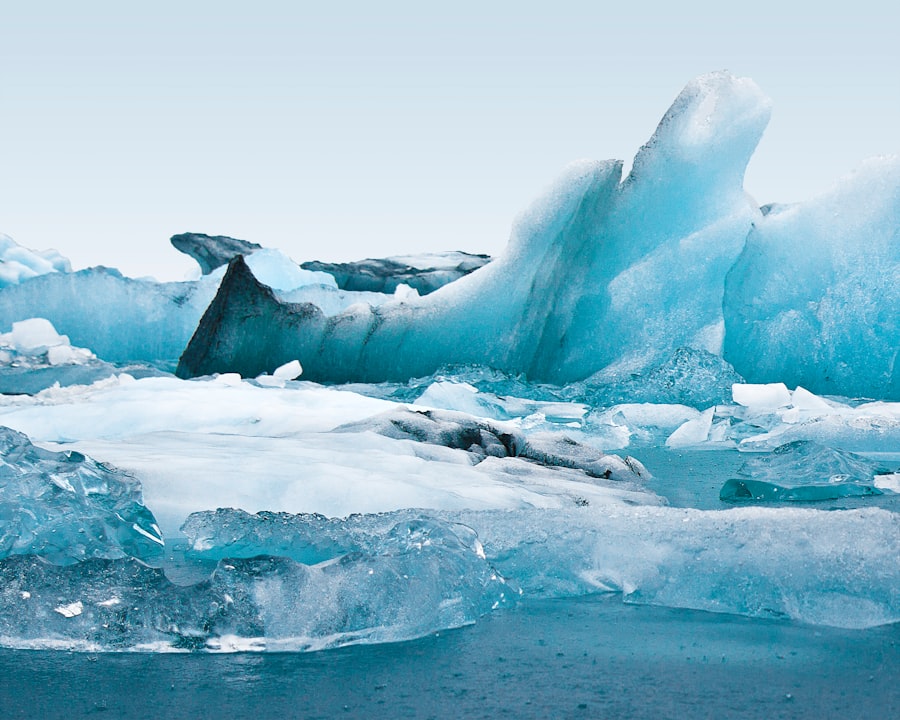
The evidence of glacial deposits and fossil records not only points to periods of intense glaciation but also highlights the intervening warmer periods, known as interglacials. The Earth’s climate has not been a steady state but has oscillated between these frigid and temperate phases, driven by complex Earth system processes.
Ice Core Records: Time Capsules of Climate History
Ice cores, drilled from the vast ice sheets of Greenland and Antarctica, are invaluable archives of past climate. As snow accumulates year after year, it traps air bubbles and dust particles. By analyzing the composition of these trapped air bubbles, scientists can determine the concentration of greenhouse gases like carbon dioxide and methane in the atmosphere at different points in time. They can also infer past temperatures from the isotopic composition of the ice itself. These ice cores provide a continuous and detailed record of atmospheric composition and temperature fluctuations spanning hundreds of thousands of years, clearly illustrating the cyclical nature of glacial and interglacial periods.
Greenhouse Gas Fluctuations: A Climate Driver
The remarkable correlation between atmospheric greenhouse gas concentrations and temperature shown in ice cores is a cornerstone of our understanding of climate change. During glacial periods, greenhouse gas levels were significantly lower, correlating with colder temperatures. Conversely, during interglacial periods, greenhouse gas levels rose, coinciding with warmer conditions. This direct evidence from ice cores strongly links greenhouse gases to Earth’s climate and provides crucial context for understanding the drivers of the Ice Ages.
Sea Level Changes: A Global Response to Ice Volume
The growth and retreat of massive ice sheets have a profound impact on global sea levels. During glacial periods, vast amounts of water are locked up in ice, leading to a significant drop in sea level. Conversely, during interglacial periods, as ice melts and returns to the oceans, sea levels rise. Evidence for these sea level changes can be found in submerged coastal features, raised beaches, and changes in the distribution of marine fossils.
Raised Beaches and Submerged Landforms: Echoes of Shifting Tides
Raised beaches, terraces of former shorelines found inland and above the current sea level, are a direct consequence of lower sea levels during glacial times. Conversely, submerged landforms like ancient river valleys carved during glacial lowstands are now found beneath the ocean surface, indicating much higher sea levels during interglacial periods. These geomorphological features are silent but powerful witnesses to the dramatic fluctuations in global sea level driven by the waxing and waning of Ice Age glaciers.
Recent discoveries have provided fascinating insights into the evidence of the Ice Age, revealing how ancient climates shaped the landscapes we see today. Researchers have uncovered tools and remnants of prehistoric life that offer a glimpse into the survival strategies of early humans during this harsh period. For a deeper understanding of these findings and their implications, you can explore a related article that discusses the latest research and discoveries in this field. Check it out here.
The Modern Perspective: Lessons from the Frozen Past
| Location | Period | Evidence |
|---|---|---|
| North America | Pleistocene Epoch | Glacial moraines, drumlins, and eskers |
| Europe | Pleistocene Epoch | Glacial striations and erratic boulders |
| Antarctica | Pleistocene Epoch | Ice cores and glacial landforms |
The study of glacial deposits and fossil records not only illuminates Earth’s past but also provides crucial context for understanding present-day climate change. The evidence from the Ice Ages offers a stark reminder of the planet’s capacity for dramatic climatic shifts and the profound impact these changes have had on life.
Paleoclimatic Analogues: Understanding Future Scenarios
The past glacial and interglacial cycles provide valuable paleoclimatic analogues for understanding potential future climate scenarios. The evidence of how ecosystems responded to past temperature shifts and sea-level changes can help scientists predict the potential impacts of current warming trends. By studying the adaptations and extinctions of species during past Ice Ages, we gain insights into the resilience and vulnerabilities of modern biodiversity.
The Human Story: Migration and Adaptation
The Ice Ages also shaped the trajectory of human evolution and migration. Early humans, their ancestors, and various hominin species had to adapt to the challenges and opportunities presented by these dramatic climatic fluctuations. The fossil record of hominins, coupled with evidence of their tool use and settlement patterns, reveals how they navigated glacial landscapes, utilized resources during colder periods, and migrated across continents as ice sheets advanced and retreated.
A Call to Action: Learning from Earth’s Frozen History
The overwhelming evidence from glacial deposits and fossil records serves as a powerful testament to the dynamic nature of our planet’s climate. Understanding the causes and consequences of past Ice Ages is not merely an academic exercise; it is essential for informed decision-making in the face of contemporary climate change. The lessons learned from these frigid eras underscore the interconnectedness of Earth’s systems and the profound impact of climatic shifts on life. By continuing to study these frozen chapters of Earth’s history, scientists gain invaluable knowledge to both interpret our present and safeguard our future. The Earth’s story is written in ice, in stone, and in the remnants of life, and the Ice Ages provide some of its most dramatic and informative passages.

The Boulder That Shouldn’t Exist
FAQs
What is the Ice Age?
The Ice Age is a period of time in Earth’s history when the climate was much colder than it is today, resulting in the expansion of ice sheets and glaciers.
When did the Ice Age occur?
The Ice Age occurred during several periods in Earth’s history, with the most recent one ending around 11,700 years ago.
What evidence supports the existence of the Ice Age?
Evidence of the Ice Age includes geological features such as moraines, drumlins, and glacial erratics, as well as the presence of ancient ice sheets and glaciers.
How did the Ice Age impact the Earth’s landscape?
During the Ice Age, large ice sheets and glaciers carved out valleys, created lakes, and shaped the land in many regions, leaving behind distinct geological features.
What impact did the Ice Age have on plant and animal life?
The Ice Age led to the extinction of many species, while others adapted to the changing climate and migrated to different regions. The cold climate also influenced the distribution of plant life and the development of new ecosystems.