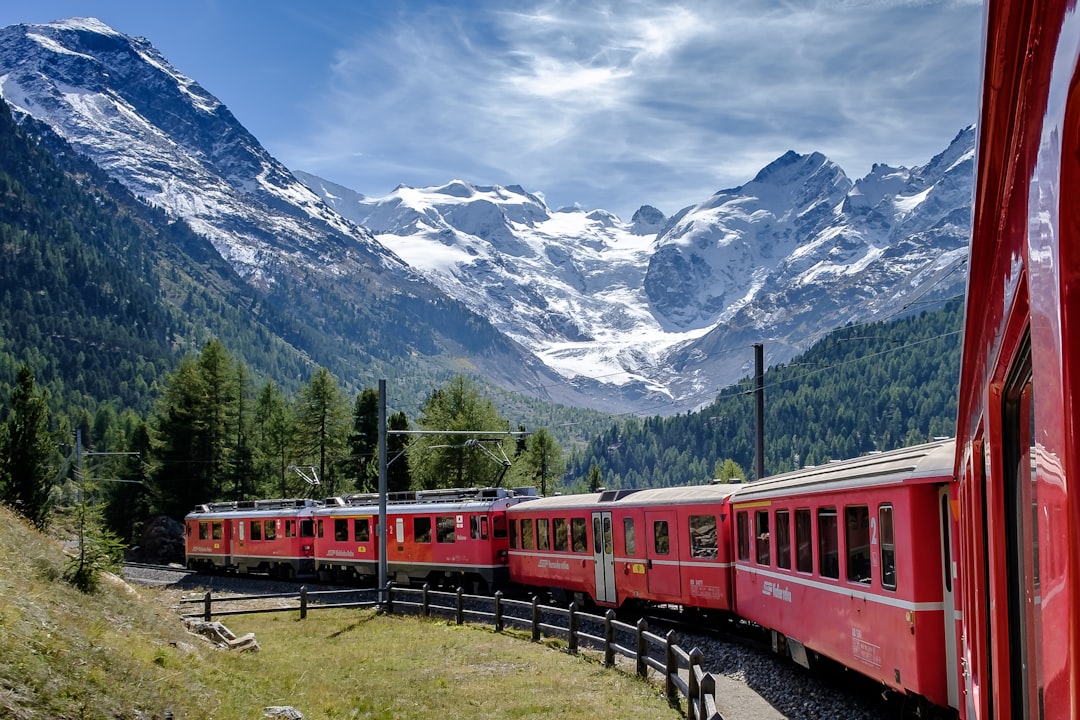
The slow, inexorable power of ice has shaped landscapes across the globe, leaving behind a legacy etched in stone and earth. Glacial transport, the process by which glaciers move and deposit rocks and sediment, is a fundamental force in geomorphology. It operates on timescales that dwarf human experience, yet its results are undeniably visible, from the towering erratics that dot pastoral plains to the deep, U-shaped valleys that carve through mountain ranges. Understanding glacial transport is key to deciphering Earth’s history, recognizing the origins of geological formations, and appreciating the immense sculpturing power of ice.
Before delving into the rocks’ journey, it is crucial to understand the engine driving this colossal operation: the glacier. Glaciers are not simply static bodies of ice; they are dynamic rivers of frozen water, constantly in motion, albeit at a pace that can seem glacial in the truest sense of the word. Their formation begins in high-altitude regions or polar areas where the accumulation of snow over centuries exceeds its melting and sublimation. As layers of snow are compressed under their own weight, they transform into firn, a granular intermediate stage, and eventually into dense, crystalline glacial ice.
The Anatomy of a Glacier
Snowfall and Accumulation: The Birthplace of Glacial Ice
The process begins with snowfall in accumulation zones, typically found at high elevations or in polar regions. For glacier formation to occur, the rate of snowfall must consistently exceed the rate of snowmelt and sublimation over extended periods. This occurs in environments where temperatures remain below freezing for much of the year, allowing snow to accumulate rather than melt away. The sheer weight of accumulating snow starts the transformation.
Compression and Recrystallization: From Flakes to Ice
As new snow falls, it buries the older layers. The increasing pressure from the overlying snowpack compresses the snow crystals, squeezing out air and causing them to break apart and reform. This process, known as recrystallization, leads to the formation of firn, a granular, semi-frozen material that is denser than fresh snow. Firn is a crucial transitional phase, bridging the gap between loose snow and solid glacial ice. Further compression and continued recrystallization further densify the firn, eventually leading to the formation of glacial ice, a highly compacted and crystalline form of water ice. This ice, while appearing solid, behaves like a very viscous fluid under pressure.
The Movement of a Glacier: A Slow and Steady Flow
Once formed, glacial ice is not static. Under the immense pressure of its own weight and the influence of gravity, glacial ice deforms and flows, much like a very thick liquid. This movement is typically slow, ranging from a few centimeters to several meters per day, but it is this subtle, persistent motion that enables glacial transport. The flow is driven by internal deformation within the ice itself and by basal sliding, where the glacier slides over its underlying bedrock.
Internal Deformation: The Rigidity Giving Way
As the weight of the glacier increases, the ice crystals within it are subjected to immense stresses. These stresses cause the ice crystals to deform and slide past one another. This process, akin to how a deck of cards can be slid over each other, allows the glacier to flow downslope. The rate of internal deformation is influenced by factors such as temperature, ice thickness, and the presence of impurities within the ice.
Basal Sliding: The Slippery Foundation
In many instances, glacial ice is not directly in contact with the underlying bedrock due to a thin layer of meltwater or saturated till. This meltwater acts as a lubricant, allowing the entire glacier to slide over its bed. Basal sliding is a significant contributor to glacial movement, especially in warmer glaciers where basal melting is more prevalent. The presence of a lubricating layer drastically increases the speed of glacial transport.
Glaciers are powerful agents of erosion, transporting a variety of rocks and sediments as they move. This process not only shapes the landscape but also contributes to the study of geological formations. For those interested in the fascinating properties of materials influenced by natural processes, a related article discusses the unique characteristics of Egyptian blue pigment, which has historical significance and intriguing properties. You can read more about it here: Unveiling the Properties of Egyptian Blue Pigment.
The Rock’s Ride: Mechanisms of Entrapment
Rocks and debris are not passively swept along by glaciers; they are actively incorporated into the ice mass. This entrainment, the process by which glacial ice picks up and carries material, is fundamental to glacial transport. The type of material entrained and the mechanism of its incorporation significantly influence the subsequent journey and eventual deposition of the rocks.
Englacial Transport: The Iceburg Analogy
The most direct and often visually impactful form of glacial transport occurs when rocks are frozen directly into the glacial ice. This is known as englacial transport. Imagine a massive iceberg calving from a glacier – it often carries detached rocks within its frozen mass. Similarly, as a glacier moves, debris can fall into crevasses or be plucked from the bedrock and subsequently become encased in the ice.
Plucking and Quarrying: The Rip and Tear
One of the primary mechanisms for entraining rocks into the ice is plucking or quarrying. As a glacier flows over bedrock, meltwater can seep into cracks and fissures. When temperatures drop, this water freezes, expanding and widening the cracks. The overlying ice then exerts pressure, and as the glacier moves, it can literally rip chunks of bedrock away. These detached rock fragments become frozen within the ice, continuing their journey. This process is particularly effective on brittle rocks.
Crevasse Fillings: Hidden Cargo
Crevasses, the deep cracks that form within a glacier due to differential stress, can also serve as collection points for debris. Rocks and sediment that fall into these fissures become frozen into the ice walls, effectively becoming part of the glacier’s cargo. These debris-laden ice segments are then transported downslope as the glacier flows.
Subglacial Transport: The Unseen Cargo
Beneath the mighty flow of glacial ice, another significant process of rock transport is underway: subglacial transport. This occurs at the base of the glacier, where immense pressures and the presence of meltwater facilitate the movement of sediment and rock fragments.
Basal Till: The Grinding Paste
The most common form of subglacial transport involves the abrasion and incorporation of material into the glacial sole. As the glacier slides over its bed, the ice, laden with sharp rock fragments, acts like a giant sandpaper, grinding and abrading the underlying bedrock. This pulverized material, mixed with finer sediment and gravel, forms a thick, unconsolidated layer known as basal till. This till is then dragged along beneath the ice, effectively becoming a part of the moving glacier.
Bedrock Abrasion and Striation: The Scars of Passage
The relentless grinding action of subglacial debris leaves its mark on the underlying bedrock. Rocks embedded in the base of the glacier scrape and polish the bedrock surface, creating features known as glacial striations. These are parallel grooves or scratches that indicate the direction of past ice flow. In some cases, larger rocks can create more significant gouges, known as chatter marks or crescentic gouges, further evidence of the abrasive power of glacial transport.
The Landscape’s Canvas: Erosional Features

As glaciers move, they are not merely passive carriers; they are powerful agents of erosion, fundamentally reshaping the land. The forces of plucking, quarrying, and abrasion at the glacier’s base carve out distinctive landforms that are hallmarks of glaciated regions.
Valleys Carved by Ice: From V to U
One of the most dramatic erosional impacts of glacial transport is the transformation of river valleys. Prior to glaciation, river valleys typically possess a characteristic V-shape, carved by the erosive power of flowing water. However, as glaciers occupy these valleys, their immense mass and erosive power sculpt them into a characteristic U-shape, with steep, often sheer sides and a broad, relatively flat floor.
Cirques: The Amphitheaters of Ice
At the head of many glaciated valleys, one can find cirques, which are bowl-shaped depressions carved by the erosive action of ice, particularly during the early stages of glacier formation. Headward erosion by ice, combined with freeze-thaw cycles and debris removal, excavates these amphitheater-like features. Often, they are filled with small lakes known as tarns.
Fjords: Submerged Valleys of the Sea
In coastal mountainous regions, glacially carved U-shaped valleys that have been inundated by the sea are known as fjords. These are testament to the immense erosive power of glaciers extending down to sea level, their depth often exceeding that of the surrounding land.
Other Erosional Remnants: From Horns to Roche Moutonné
Glacial erosion produces a variety of other striking landforms. Horns, such as the iconic Matterhorn, are pyramidal peaks formed by the convergence of multiple cirques eroding from different sides. Aretes are sharp, knife-edge ridges formed between adjacent cirques. Roche moutonné are distinctive bedrock formations that are streamlined by glacial abrasion. They are typically asymmetrical, with a smooth, gently sloping upstream (stoss) side that has been polished by the ice, and a steep, plucked or fractured downstream (lee) side where the ice has detached rock fragments.
The Grand Finale: Depositional Landforms
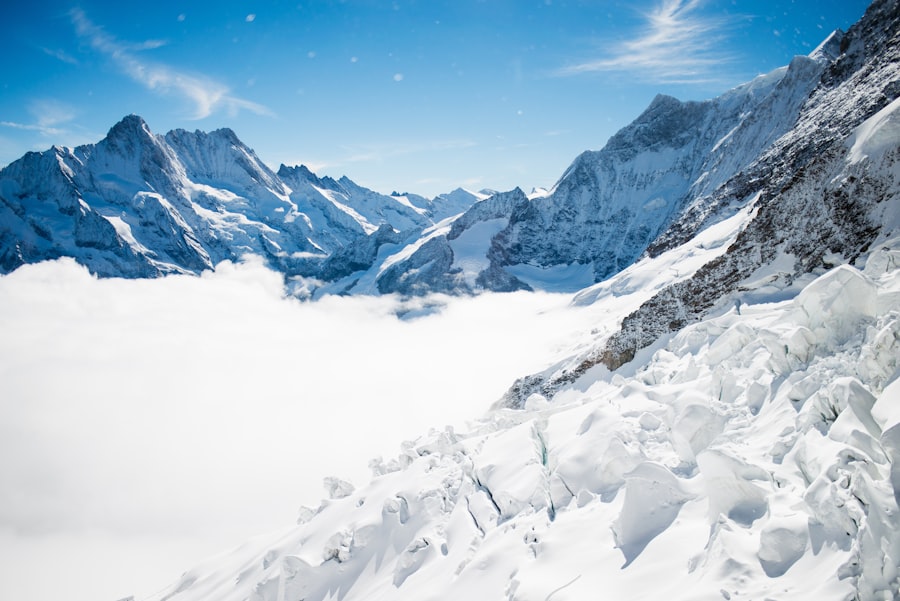
Eventually, the relentless journey of glacial transport culminates in deposition. As glaciers melt and retreat, the vast quantities of rock and sediment they have carried are released, forming a diverse array of depositional landforms that map the history of ice cover.
Till Deposits: The Unsorted Legacy
The most fundamental depositional material left by glaciers is till. This is unsorted, unstratified sediment deposited directly by glacial ice. It can range from fine clay and silt to large boulders, all mixed together without any discernible layering, reflecting the chaotic nature of deposition from melting ice.
Moraines: Ridges of Accumulated Debris
Moraines are the most recognizable till landforms. They are ridges or mounds of till that mark the margins of a glacier. Different types of moraines indicate different stages of glacial retreat or advance. Terminal moraines form at the furthest extent of a glacier’s advance. Lateral moraines form along the sides of a glacier. Medial moraines form where two glaciers merge, carrying debris from their adjacent lateral moraines.
Drumlins: Streamlined Hills of Till
Drumlins are elongated hills made of till, often having a streamlined, egg-like shape. They are typically found in swarms and are oriented parallel to the direction of past ice flow, with their steeper, blunter end facing the direction from which the ice advanced. Their formation is still debated, but it is thought to involve the molding and shaping of basal till by overriding ice.
Fluvioglacial Deposits: The Work of Meltwater Rivers
While till is deposited directly by ice, meltwater rivers originating from glaciers, known as fluvioglacial rivers, also play a crucial role in shaping the landscape by transporting and depositing sediment. These deposits are typically sorted and stratified, unlike till.
Outwash Plains: Broad Expanses of Sand and Gravel
As glaciers melt, large volumes of water carry away sediment, depositing it in broad, gently sloping plains downstream of the glacial margin. These outwash plains are characterized by layers of sand, gravel, and cobbles, sorted by the flowing water.
Eskers: Winding Ridges of Sand and Gravel
Eskers are long, sinuous ridges of sand and gravel deposited by meltwater streams flowing within or beneath the ice. These streams often flowed in tunnels within the glacier, and as the ice melted, the sediment they carried was deposited, forming these serpentine landforms.
Kames: Irregular Hills of Sorted Sediment
Kames are irregular, often conical mounds of sand and gravel deposited by meltwater streams at the glacial margin. They can form in several ways, including sediment deposition in depressions on the ice surface or in cavities within the ice.
Glaciers are fascinating natural phenomena that not only shape landscapes but also transport a variety of materials, including rocks, as they move. This process of glacial transport plays a significant role in the geological features we observe today. For a deeper understanding of how environmental factors influence geological processes, you might find this article on the impact of environmental degradation on civilization collapse particularly insightful. It discusses various aspects of how our planet’s changing environment can affect both natural and human systems. You can read more about it here.
The Modern Relevance of Glacial Transport
| Glacier | Rocks Carried | Location |
|---|---|---|
| Mer de Glace | Millions of tons | French Alps |
| Columbia Glacier | Large boulders | Alaska, USA |
| Franz Josef Glacier | Varied sizes | New Zealand |
The study of glacial transport is not merely an academic pursuit confined to understanding past ice ages. It has tangible relevance in the present day and for the future.
Resource Exploration: From Gold to Gravel
Understanding glacial transport is crucial for the exploration and exploitation of natural resources. Many placer deposits of valuable minerals, such as gold, diamonds, and tin, have been concentrated by glacial transport. Prospectors have long followed glacial drainage systems and analyzed moraine composition to locate these deposits. Furthermore, sand and gravel extracted for construction purposes are often sourced from fluvioglacial deposits.
Paleoclimate Reconstruction: Reading the Ice’s Diary
Glacial deposits serve as invaluable archives of past climates. By analyzing the composition, grain size, and distribution of glacial till and other sediments, scientists can infer the extent and behavior of past ice sheets. Ice cores drilled from glaciers themselves provide even more detailed information about past atmospheric conditions, temperature, and even the presence of ancient dust.
Geohazard Assessment: The Legacy of Moving Ice
The processes of glacial transport continue to influence landscapes today, posing potential geohazards. Rapid glacial melt can lead to the formation of glacial lakes, which, when they breach their moraine dams, can cause catastrophic floods. Understanding the stability of moraine dams and the dynamics of glacial retreat is vital for mitigating these risks. Furthermore, areas that were once glaciated are prone to landslides and debris flows, particularly when the underlying till is saturated.
In conclusion, glacial transport is a powerful testament to the dynamic nature of Earth’s systems. From the slow, colossal movement of ice to the meticulous work of meltwater, the journey of rocks carried by glaciers sculpts landscapes, preserves Earth’s history, and continues to influence our present and future. The seemingly inert stones on our lands are often silent storytellers, whispering tales of ancient ice and the immense, transformative power of glacial transport.

The Boulder That Shouldn’t Exist
FAQs
What are rocks carried by glaciers?
Rocks carried by glaciers are known as glacial erratics. These are large rocks that have been transported and deposited by glaciers, often far from their original source.
How do glaciers transport rocks?
Glaciers transport rocks through a process called glacial plucking and abrasion. Glacial plucking occurs when the ice freezes around rocks and then carries them as the glacier moves. Abrasion happens when the rocks trapped in the ice scrape and carve the underlying bedrock as the glacier moves.
Where can glacial erratics be found?
Glacial erratics can be found in a variety of landscapes, including areas that were once covered by glaciers but are now ice-free. They can also be found in regions where glaciers are currently active, such as polar regions and high mountain ranges.
What can glacial erratics tell us about past glaciation?
Glacial erratics can provide valuable information about the extent and movement of past glaciers. By studying the size, shape, and composition of glacial erratics, scientists can reconstruct the history of glaciation in a particular area.
Are glacial erratics important for understanding climate change?
Yes, glacial erratics can be important for understanding climate change. By studying the distribution and characteristics of glacial erratics, scientists can gain insights into past climate conditions and how they have changed over time. This information can help us better understand and predict future climate change.