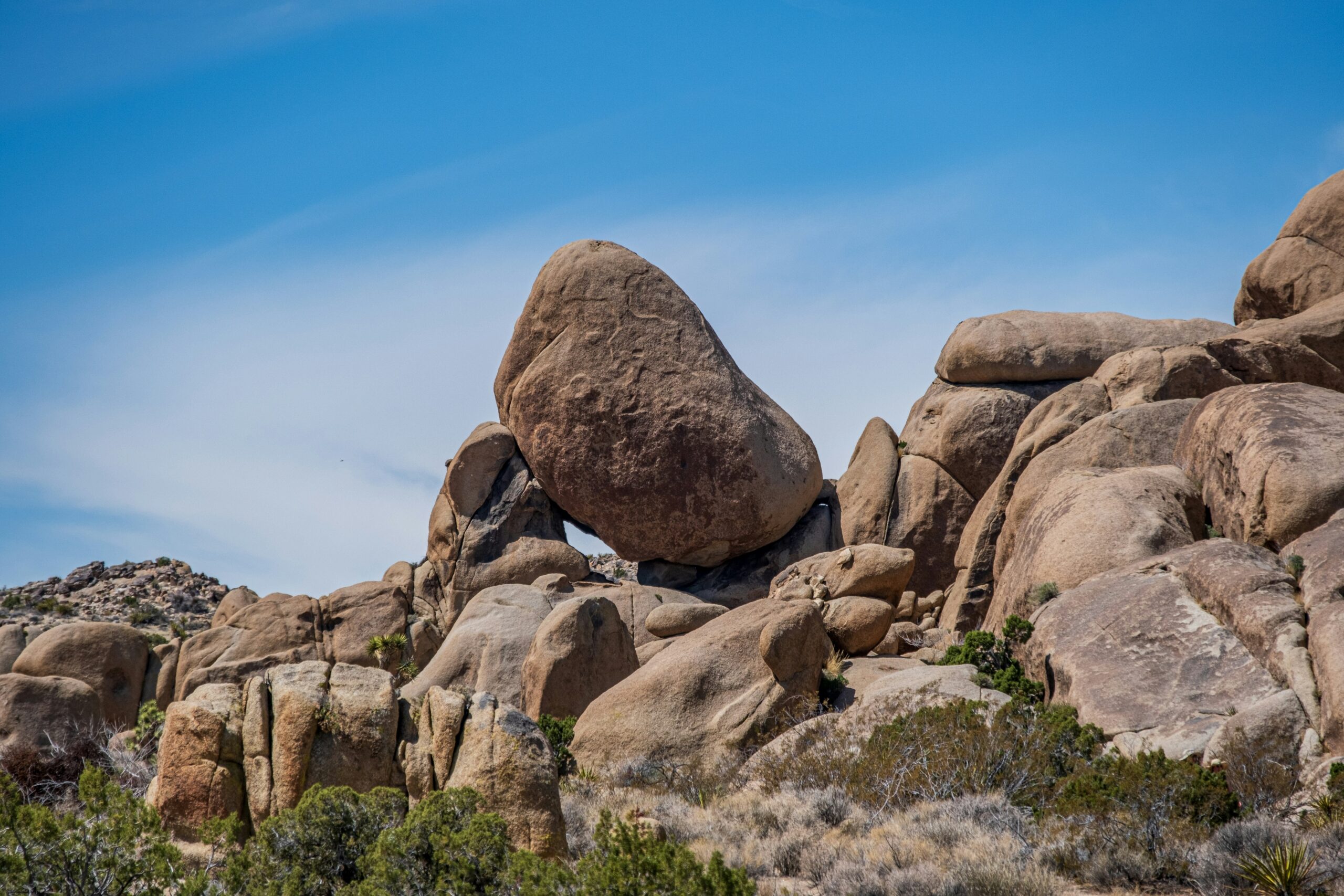
The world, often perceived as a tapestry woven from predictable geological processes, occasionally presents us with enigmas that defy easy explanation. Among these captivating puzzles are the giant boulders—colossal masses of rock, often found in seemingly impossible locations, their sheer scale and incongruous placement igniting a profound sense of curiosity and wonder. These “unlikely landmarks” are more than just geological formations; they are silent storytellers, their presence whispering tales of ancient forces, forgotten landscapes, and the enduring mystery of our planet.
The human mind is wired to seek patterns and explanations. When confronted with something that deviates dramatically from the norm, our innate investigative spirit is stirred. Giant boulders, by their very definition, are deviations. They are not the neatly ordered blocks of a building or the eroded remnants of a mountain range that feel contextually appropriate. Instead, they are often solitary titans, deposited seemingly by chance in fields, atop hills, or even precariously balanced on smaller rock bases. This inherent incongruity is precisely what fuels their allure.
A Challenge to Conventional Wisdom
The presence of a boulder the size of a small house in the middle of a flat plain, for instance, immediately prompts a question: how did it get there? Without clear answers, the imagination begins to fill the void. Theories, ranging from the scientifically plausible to the decidedly fantastical, begin to surface, each attempting to reconcile the boulder with its surroundings. This intellectual challenge is a fundamental aspect of their appeal.
Connecting with the Ancient Past
These gargantuan stones are often incredibly old, remnants of geological epochs long past. Their surfaces might bear the scars of millennia of weathering, tales etched in the very rock of their being. Standing before one of these immense formations can be a humbling experience, a tangible connection to a world vastly different from our own, a world shaped by forces far grander and slower than human comprehension. They serve as powerful reminders of the deep time that underlies our present reality.
The Aesthetic of the Sublime
There is an undeniable aesthetic quality to giant boulders. Their immense scale can evoke feelings of awe, a sense of the sublime. The sheer weight and solidity of these objects, their silent endurance against the elements, can inspire a profound appreciation for the raw power and beauty of nature. They are natural sculptures, shaped by processes so vast they transcend our everyday understanding of artistry. The contrast between their immense, often irregular forms and the more delicate textures of their surroundings often creates striking visual juxtapositions.
The phenomenon of giant boulders appearing in seemingly out-of-place locations has intrigued scientists and geologists for years, prompting various theories about their origins and movements. One related article that delves into the broader implications of geological anomalies and their potential impact on society is titled “Preparing for a US Debt Crisis: What You Need to Know.” This article explores how unexpected events, much like the sudden appearance of massive boulders, can disrupt economic stability and necessitate preparedness. For more insights, you can read the article here: Preparing for a US Debt Crisis: What You Need to Know.
Unraveling the Geological Enigmas: The Science Behind the Stones
While the mystery of giant boulders can be fertile ground for speculation, science offers a compelling, albeit sometimes complex, set of explanations for their existence. The primary culprits are generally understood to be glacial action and periglacial processes, though other geological phenomena can also play a role.
Glacial Transport: The Ultimate Movers
Perhaps the most common explanation for the placement of errant giant boulders, particularly in regions that were once covered by ice sheets, is glacial transport. During ice ages, massive glaciers acted as colossal bulldozers, scraping across the landscape and picking up enormous quantities of rock and debris, including massive boulders. As these glaciers advanced, they carried this material, sometimes for hundreds or even thousands of miles, embedded within their icy bulk.
The Unstoppable Force of Ice
Glaciers, driven by their immense weight and the slow, relentless creep of ice, possess incredible power. They can scour bedrock, rearrange entire landscapes, and transport objects of staggering size. When a glacier melts and retreats, it deposits the load it has been carrying. These deposited boulders, known as glacial erratics, are often found far from their original source, incongruously situated in areas with entirely different geological compositions. The sheer distance and scale of this transport are what make these erratics so remarkable.
Evidence in the Landscape
Identifying glacial erratics often involves comparing the composition and structure of the boulder to the bedrock in the surrounding area. If the boulder’s rock type is not native to its current location, and if the region shows other signs of glacial activity such as polished bedrock, moraines, or U-shaped valleys, then glacial transport is a highly probable explanation. The lack of any geological feature capable of moving such a massive object by terrestrial means further strengthens the glacial hypothesis.
Periglacial Processes: The Thaw and Freeze Cycle
In regions that were not directly covered by glaciers but were situated in cold climates, periglacial processes can also contribute to the movement and deposition of large rocks. These processes occur in environments where the ground is unfrozen for only part of the year and the rest of the time is characterized by permafrost.
Freeze-Thaw Cycles and Rock Jumbles
Repeated cycles of freezing and thawing can cause significant stress on rocks. Water seeps into cracks, freezes, expands, and wedges the rock apart. Over long periods, this can break down larger formations or mobilize smaller ones. In areas with steep slopes, this process can lead to talus slopes, where broken rock fragments accumulate at the base. In periglacial environments, cycles of frost heaving can also lift and move rocks.
Solifluction: The Slow Creep of Frozen Ground
Solifluction is a process where the active layer of soil above permafrost becomes saturated with water during warmer periods and slowly flows downhill. This downslope movement can carry rocks, including larger ones, contributing to their displacement and accumulation in unexpected places. While solifluction is generally a slower process than glacial movement, over vast timescales and on gentle slopes, it can lead to the relocation of substantial geological materials.
Beyond Glaciers: Other Contributors to Boulder Placement
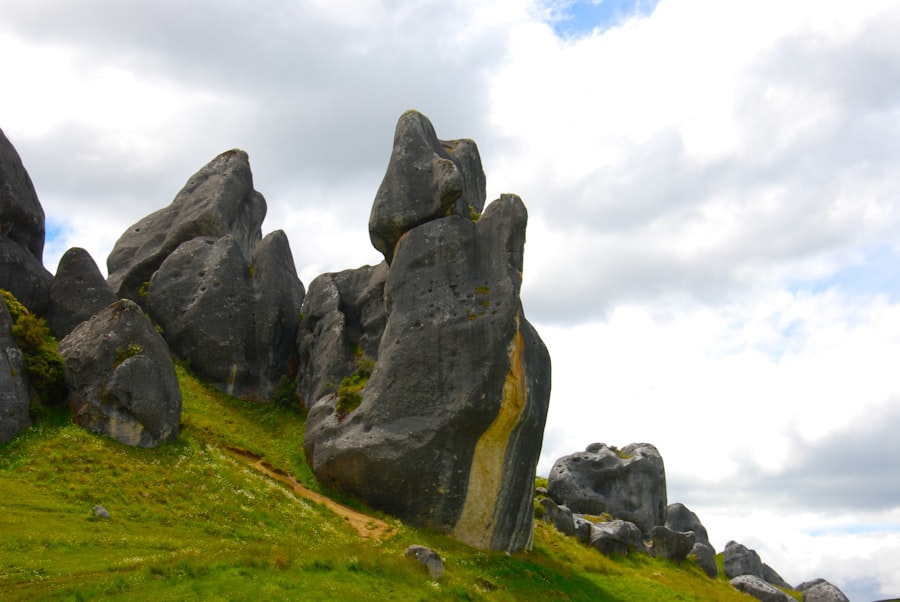
While glaciers and periglacial processes are the most common explanations for the widespread distribution of giant boulders, other geological forces can also create or relocate these impressive structures. These include mass wasting events, fluvial action, and even volcanic activity.
Mass Wasting: The Power of Gravity
Mass wasting encompasses a range of downslope movements of earth materials, driven primarily by gravity. This can include landslides, rockfalls, and debris flows.
Landslides and Rockfalls: Sudden and Dramatic Relocations
Large landslides can dislodge entire sections of mountainsides, carrying massive boulders considerable distances. Similarly, rockfalls, where large blocks of rock break away and tumble down slopes, can leave behind impressive isolated specimens. The steepness of the terrain and the presence of unstable rock formations are key factors in these events. The remaining debris field or the dramatic drop from which the boulder originated can often provide clues to this type of relocation.
Debris Flows: A Muddy, Rocky Avalanche
Debris flows are fast-moving mixtures of water, sediment, and rock fragments that can transport boulders of considerable size. These events are often triggered by heavy rainfall or rapid snowmelt in mountainous areas. The energy of the flow can carry even very large rocks, depositing them when the flow loses momentum. The chaotic distribution of rocks and sediment often characterizes areas affected by debris flows.
Fluvial Action: Rivers as Sculptors and Transporters
Rivers, with their persistent flow and erosive power, can also contribute to the movement and deposition of large rocks, particularly in mountainous or hilly terrain.
Flash Floods and Their Mighty Cargo
Flash floods, characterized by sudden and intense surges of water, can exert immense force. During a severe flood, boulders that were previously embedded in riverbeds or on adjacent slopes can be dislodged and carried downstream. The sheer volume and velocity of the water can enable the transport of rocks that would otherwise be immobile. The size of the boulder and its smooth, rounded edges (due to abrasion by water and other debris) are often indicators of fluvial transport.
Ancient Riverbeds and Deposited Giants
In some cases, giant boulders may be found in areas that are no longer actively eroding riverbeds but were once part of ancient fluvial systems. As the river’s course changed or its erosive power diminished, these boulders could have been left behind. Their current location, far from any modern watercourse, might simply be a testament to a bygone hydrological landscape.
Volcanic Activity: Eruptions and Their Byproducts
While less common as a direct cause of randomly placed erratic boulders in the way glaciers are, volcanic activity can create and deposit immense rock masses.
Volcanic Bombs and Their Impact
During explosive volcanic eruptions, molten rock fragments can be ejected into the air. These can cool and solidify as they travel, forming volcanic bombs. Some of these bombs can be quite large and, upon falling, can create impact craters and leave behind significant geological features. While these are typically associated with volcanic landscapes, their origin is undeniable.
Lahars and Pyroclastic Flows: Fiery Rivers of Rock
Volcanic lahars (mudflows) and pyroclastic flows (fast-moving currents of hot gas and volcanic matter) can also transport vast quantities of rock, including large boulders, distances from the volcanic vent. These events are characterized by immense destructive power and can reshape entire landscapes.
The Human Element: Myths, Legends, and Artistic Inspiration
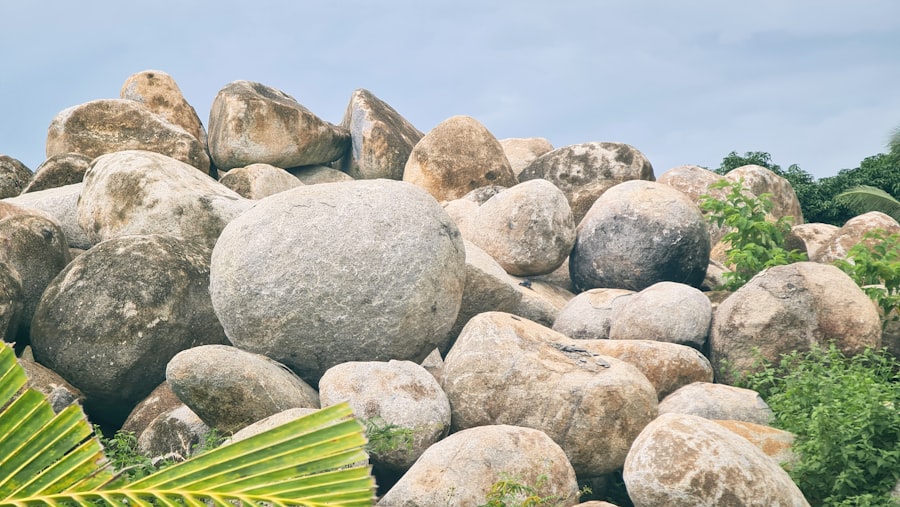
The sheer unexplained nature of many giant boulders has, across cultures and throughout history, spurred the creation of myths, legends, and artistic interpretations. These stories often imbue the stones with supernatural or mythical origins, reflecting a deep human desire to understand the inexplicable.
Giants and Their Ancient Games
In many cultures, tales of giants feature prominently in the explanation of giant boulder placement. Stories abound of ancient giants who used these massive stones as toys, weapons, or building materials. The almost mythical strength required to move such objects naturally lends itself to legends of super-human beings.
Folklore and the Supernatural
These tales are not merely childish fantasies. They represent a pre-scientific attempt to grapple with the immense forces that shaped the world. The act of a giant hurling a boulder across the landscape is a vivid, albeit imaginary, portrayal of powerful geological processes. The enduring nature of these stories speaks to the deep impression these stones leave on the human psyche.
Sacred Sites and Ancient Rituals
Many giant boulders have been incorporated into ancient ritual sites and sacred landscapes. Their prominent and unusual presence made them natural focal points for human activity, likely associated with spiritual beliefs and ceremonies.
Megalithic Structures and Spiritual Significance
From Stonehenge to smaller, isolated standing stones, large boulders have often been positioned or incorporated into human-made structures. The precise purpose of these arrangements is often debated, but their sacred significance is rarely in doubt. The sheer effort involved in moving and positioning these stones suggests profound importance within the societies that created them.
Artistic Endeavors: Capturing the Awe
The captivating presence of giant boulders has also inspired artists, writers, and photographers for centuries. They serve as dramatic subjects, their imposing forms and intriguing locations offering a rich palette for creative expression.
Landscapes of Wonder and Mystery
Artists often seek to capture the sense of awe and mystery that these geological formations evoke. They might highlight the contrast between the boulder’s ruggedness and the surrounding environment, or focus on the play of light and shadow that accentuates their monumental scale. These artistic representations help to disseminate the fascination with these natural wonders to a wider audience.
The presence of giant boulders in areas where they seem out of place has puzzled researchers for years, leading to various theories about their origins and transportation. Many scientists believe that these massive stones may have been moved by ancient civilizations for construction purposes or as part of ceremonial sites. For a deeper understanding of how ancient societies manipulated their environment, you can explore a related article that discusses the fascinating techniques used in building ancient cities, which may shed light on the potential methods behind the relocation of these boulders. To read more about this intriguing topic, visit this article.
The Enduring Mystery and Future Exploration
| Reasons why giant boulders are out of place |
|---|
| 1. Geological processes such as erosion and glaciation can move boulders from their original location. |
| 2. Human activities such as construction and mining can displace boulders from their natural setting. |
| 3. Natural disasters like earthquakes and landslides can cause boulders to shift from their original position. |
| 4. Climate change can alter the landscape and lead to the movement of boulders. |
| 5. Tectonic movements can result in the displacement of boulders over time. |
Despite advances in geology and our understanding of Earth’s history, the mystery of giant boulders, particularly their most enigmatic placements, continues to fuel research and ignite public imagination. Each new discovery, each refined scientific explanation, adds another layer to our understanding, yet the inherent wonder persists.
Ongoing Scientific Inquiry
Geologists continue to study the distribution and composition of giant boulders, using advanced techniques to trace their origins and understand the forces that moved them. Dating methods, geochemical analysis, and sophisticated modeling are constantly refining our understanding of Earth’s dynamic past.
New Technologies, New Insights
The advent of technologies like LiDAR (Light Detection and Ranging) has allowed for incredibly detailed mapping of landscapes, revealing subtle geological features and patterns that might have previously gone unnoticed. This can provide new clues about glacial pathways or historical land movements that could explain boulder placements.
Preserving These Natural Wonders
As our appreciation for these unique geological features grows, so too does the importance of their preservation. Many giant boulders are protected as natural heritage sites, ensuring that future generations can also marvel at these improbable landmarks.
Conservation Efforts and Education
Understanding the geological significance and the processes that formed these boulders is crucial for their effective conservation. Educational initiatives can foster appreciation and encourage responsible stewardship of these natural treasures.
In conclusion, the giant boulders scattered across our planet are much more than mere rocks. They are testaments to Earth’s powerful and ancient forces, silent witnesses to dramatic geological transformations, and enduring sources of human curiosity and inspiration. Whether sculpted by the relentless march of glaciers, the slow creep of frozen soil, or the dramatic power of gravity, these unlikely landmarks continue to captivate us, inviting us to ponder the profound mysteries of our planet. They remind us that even in the most familiar landscapes, there are often stories untold, waiting to be discovered, and wonders that transcend our everyday experience.

The Boulder That Shouldn’t Exist
FAQs
1. What are giant boulders?
Giant boulders are large, naturally occurring rocks that have been transported and deposited by glaciers, landslides, or other geological processes.
2. Why are giant boulders considered “out of place”?
Giant boulders are considered “out of place” when they are found in areas where they do not naturally occur, such as on flat plains or in the middle of a forest. This can be due to the movement of glaciers or other geological events that have transported the boulders to their current location.
3. How do giant boulders impact their surroundings?
Giant boulders can impact their surroundings by altering the landscape and creating obstacles for natural processes such as water flow and plant growth. They can also serve as important geological markers for understanding past geological events.
4. What causes giant boulders to be moved from their original location?
Giant boulders can be moved from their original location by glaciers, landslides, or other geological events that transport and deposit the rocks in new areas.
5. What can we learn from the presence of giant boulders in unexpected locations?
The presence of giant boulders in unexpected locations can provide valuable insights into past geological events, such as the movement of glaciers or the occurrence of landslides. Studying these boulders can help scientists better understand the Earth’s geological history.