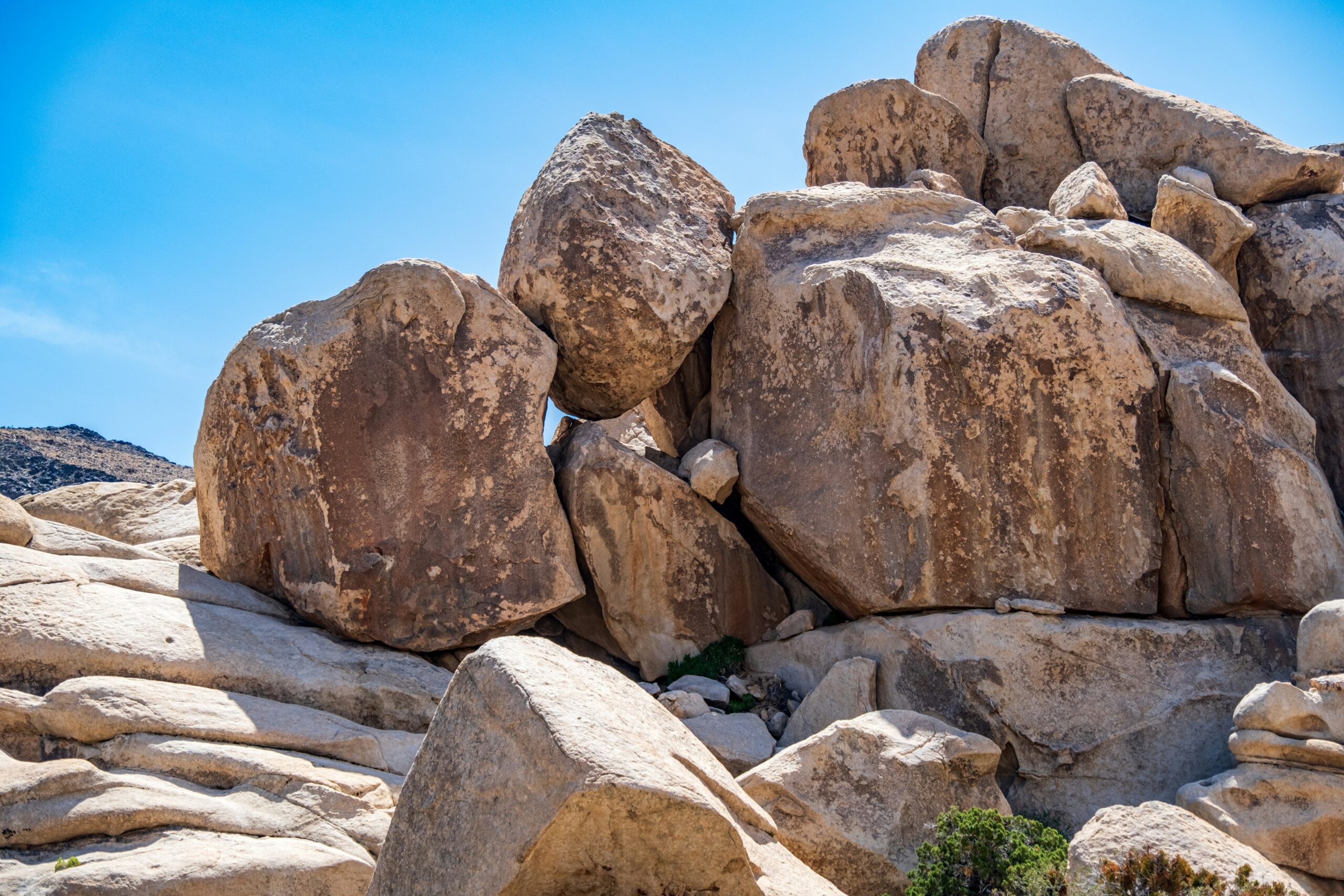
The world is a canvas of geological wonders, painted with strokes of immense power and timeless artistry. Among these breathtaking formations, massive boulders stand as silent sentinels, defying explanation and sparking endless fascination. These colossal stones, scattered across landscapes from remote deserts to verdant valleys, have long been the subject of wonder, awe, and scientific inquiry. Their sheer size and often improbable placements ignite a primal curiosity within humanity, prompting questions about their origins, the forces that shaped them, and the stories they might whisper through the ages. Uncovering the enigma of massive boulders is not merely an exercise in geology; it is a journey into the very fabric of our planet’s history and the dramatic events that have sculpted its surface.
The existence of massive boulders is not a mystery born of supernatural forces, but rather the profound and often slow-acting consequences of powerful geological and environmental processes. Understanding these mechanisms is the first step in demystifying these stone giants. While specific formations vary, a few key natural phenomena consistently contribute to the creation and deposition of these monumental rocks.
Weathering: The Gradual Disintegration of Rock
Weathering is the cornerstone of boulder origin. It is the natural process by which rocks are broken down into smaller pieces. For massive boulders to form, this process must occur in reverse, in a sense, allowing large sections of rock to remain intact while the surrounding material erodes away, or for large cohesive masses to form and then be liberated.
Physical Weathering: The Power of Force and Expansion
Physical or mechanical weathering involves the breakdown of rock without a change in its chemical composition. The most prevalent agents of physical weathering are temperature fluctuations and the actions of water.
Freeze-Thaw Cycles: The Frost-Wedging Effect
In regions with fluctuating temperatures around the freezing point, water plays a crucial role. Water seeps into cracks and fissures within bedrock. When temperatures drop below freezing, this water turns to ice, expanding by about 9%. This expansion exerts immense pressure on the surrounding rock, widening existing cracks. As this cycle repeats day after day, year after year, the cracks grow larger and deeper. Eventually, the rock can fracture along these planes of weakness, liberating large blocks that, over extended periods and with continued erosion of the surrounding material, can become isolated as massive boulders. The sheer force of expanding ice, repeated over millennia, is a powerful sculptor.
Thermal Expansion and Contraction: The Sun’s Influence
Temperature changes can also cause rocks to expand when heated and contract when cooled. This constant expansion and contraction, especially pronounced in deserts with extreme diurnal temperature variations, can create stress within the rock. Over time, this can lead to the formation of cracks and the eventual spalling (flaking off) of rock layers, contributing to the detachment of large pieces.
Abrasion: The Grinding Power of Nature
Another significant physical weathering process is abrasion, which involves the grinding and scraping of rock surfaces by other rocks, sand, or ice. This can occur through the movement of wind-blown sand, the flow of glacial ice, or the movement of water carrying sediment. While abrasion typically breaks down rocks into smaller particles, in certain contexts, it can carve out softer material surrounding harder, more resistant rock masses, thus accentuating their prominence as detached boulders.
Chemical Weathering: The Transformation Through Dissolution and Reaction
Chemical weathering involves the breakdown of rock through chemical reactions. While this process often leads to the disintegration of rocks into smaller particles and dissolved ions, it can also play a role in shaping massive boulders.
Dissolution: The Water’s Solvent Action
Water, particularly when it contains dissolved substances like carbon dioxide, can become a weak acid. This acidic water can dissolve certain minerals within rocks, like calcite in limestone. Over vast timescales, this dissolution can carve out intricate shapes within rock formations and, in a similar vein to physical weathering, can lead to the isolation of resistant rock masses as boulders as the less durable material is carried away.
Oxidation and Hydrolysis: Altering Mineral Structures
Oxidation, similar to rust formation, can weaken rocks by altering iron-bearing minerals. Hydrolysis involves the chemical reaction of water with minerals, breaking down their structures. While these processes generally lead to decomposition, they can weaken specific parts of a rock mass, making it more susceptible to physical weathering and eventual detachment.
Erosion: The Carrying Away of What Was Left Behind
Erosion is the process by which weathered material is transported from one place to another. It is the complementary force to weathering, responsible for the removal of the overburden and the exposure of massive boulders.
Water as an Agent of Erosion: Rivers, Rain, and Runoff
Moving water is a powerful erosional force. Rivers carve canyons and valleys, carrying away vast amounts of sediment. Heavy rainfall and surface runoff can also strip away soil and smaller rocks, exposing larger ones. In some instances, the sheer force of floodwaters can dislodge and transport large rocks, leaving them in new locations as prominent boulders.
Wind: The Sculptor of Arid Landscapes
In arid and semi-arid regions, wind is a significant erosional agent. Wind-blown sand can scour and abrade rock surfaces, gradually wearing them down. This process can also expose large rock masses by eroding the surrounding softer material, leading to the formation of striking boulder fields.
Glaciers: The Unstoppable Force of Ice
Glaciers are some of the most powerful erosional agents on Earth. As they move, they grind against the bedrock, plucking rocks and carrying them along. This glacial debris, ranging from fine dust to huge erratics (boulders transported by glaciers), can be deposited when the glacier melts, leaving behind massive boulders in locations far from their original source.
Mass Wasting: The Downhill Movement of Rock
Mass wasting encompasses the downslope movement of rock and soil under the influence of gravity. This includes phenomena like landslides, rockfalls, and creep.
Rockfalls and Landslides: Sudden Dislodgement
When weathered rock faces become unstable, gravity can cause large sections to detach and tumble down slopes. These rockfalls and landslides can deposit massive boulders at the base of the slope, often in dramatic arrangements. The geological structure of the rock, the presence of fissures, and the level of saturation in the soil can all contribute to the likelihood of mass wasting events.
The mystery of giant boulders has fascinated researchers and adventurers alike, prompting numerous theories about their origins and purpose. One intriguing aspect of ancient civilizations is their remarkable ability to manipulate natural resources, as highlighted in a related article discussing the advanced water filtration techniques of the Maya. This article delves into how the Maya utilized their environment to create pure water systems, showcasing their ingenuity and connection to the land. To learn more about this fascinating topic, you can read the article here: Pure Water: The Power of Maya Filtration.
Glacial Giants: The Role of Ice in Boulder Placement
Perhaps no single force has played a more significant role in the distribution of massive boulders across the globe than glaciers. These immense rivers of ice, over thousands of years, have acted as powerful transport mechanisms, relocating rocks of unimaginable size from their native bedrock to entirely new landscapes. The remnants of their passage are often the most striking examples of giant boulders encountered by humanity.
Glacial Till and Erratics: The Evidence of Polar Power
As glaciers advance across the land, they pick up and incorporate debris of all sizes into their icy mass. This material, known as glacial till, can range from fine clay to enormous rocks. When glaciers melt, they deposit this accumulated debris, often creating unique geological features.
The Formation of Erratics: A Journey of Thousands of Miles
Among the most intriguing glacial deposits are “erratics.” These are boulders that are distinctly different from the bedrock in the area where they are found. Their presence is a clear indicator that they were transported by a glacier from a distant location. The immense power of glacial ice is capable of plucking even the largest rocks from their original settings and carrying them, sometimes for hundreds or even thousands of miles, before depositing them when the ice retreats. The sheer scale of this transport is a testament to the immense forces involved.
Depositional Features: Moraines and Drumlinoid Boulders
Glaciers leave behind characteristic landforms that are often studded with massive boulders. Moraines, which are ridges of till deposited at the edges or terminus of a glacier, frequently contain numerous large rocks. Similarly, boulder fields, vast areas covered in scattered boulders, are common in regions that were once glaciated. Sometimes, individual boulders can be so large and so uniquely shaped that they draw particular attention.
Pre-Glacial Landscapes Reshaped
Before glaciation, landscapes would have had their own pre-existing rock formations. Glaciers, however, did not simply respect these existing structures. They carved and sculpted the land, often dislodging and transporting large sections of these pre-existing formations, further contributing to the diversity of boulder locations and appearances. The interaction between the moving ice and the underlying bedrock is a crucial factor in how boulders are liberated and subsequently transported.
Waterways and Waterfronts: The Influence of Rivers and Oceans
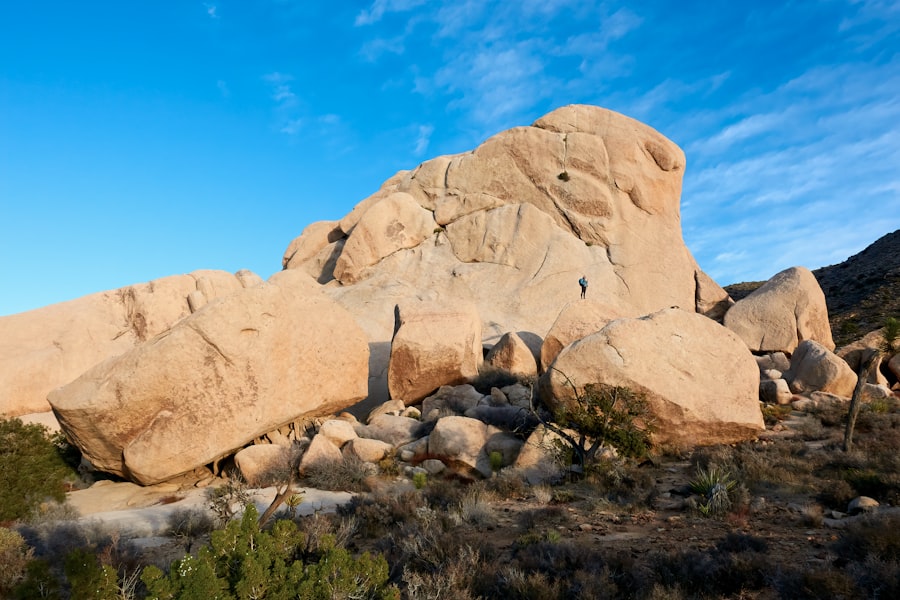
While glaciers dominate the narrative of boulder transport, water in its liquid form – both freshwater from rivers and saltwater from oceans – has also been a significant force in shaping and depositing colossal stones. The relentless power of flowing water, combined with the vastness of oceanic currents, can move and arrange rocks in ways that are equally awe-inspiring.
Riverine Transport: The Power of Flood and Flow
Rivers possess an incredible capacity to move sediment, and under specific conditions, this includes massive boulders. While everyday river flows are unlikely to budge these giants, exceptionally powerful events can dramatically alter the landscape.
Flash Floods and Cataclysmic Events: Unlocking the Power of Water
In areas prone to flash floods, or in the aftermath of major storms, rivers can swell to extraordinary proportions. The increased volume and velocity of water, coupled with the immense amount of suspended sediment, can generate immense hydraulic forces. These forces can overcome the static friction holding boulders in place, allowing them to be lifted, rolled, and carried downstream. The evidence of such events is often found in large boulders deposited in stream beds or on adjacent floodplains, sometimes in locations that seem impossibly distant from their source bedrock.
Long-Term Abrasion and Sorting: The Riverbed’s Sculpting
Even without extraordinary events, the constant flow of water over long periods, carrying abrasive materials like sand and gravel, can gradually wear down and move smaller rocks, and over geological timescales, it can contribute to the shaping and sometimes the liberation of larger boulders. The smoother, rounded appearance of many river-worn boulders is a direct result of this prolonged abrasion.
Coastal Dynamics: Waves and Currents as Movers
Coastal environments, with their ceaseless interaction between land and sea, also contribute to the presence of massive boulders. The power of waves, coupled with the movement of ocean currents, can relocate and shape rocks along coastlines.
Wave Action and Undercutting: The Sea’s Persistent Pounding
The relentless pounding of waves against rocky coastlines can lead to erosion and the detachment of large rock fragments. This process is often exacerbated by the presence of fissures and cracks in the bedrock. Once detached, these rocks can be further shaped by the abrasive action of the waves and carried along the coastline by currents.
Tidal Forces and Longshore Drift: Gradual Relocation
Tidal forces, although generally less powerful than storm surges, can also contribute to the movement of smaller boulders and cobbles along shorelines over extensive periods. Longshore drift, the movement of sediment parallel to the coastline, can also transport rocks, especially during periods of storm activity.
Tectonic Tales and Volcanic Visions: Deep Earth’s Influence

The origins of massive boulders are not solely confined to surface processes; the deep forces of plate tectonics and the dramatic eruptions of volcanoes also play crucial, albeit often more localized, roles in their formation and placement. These internal geological engines can create, fracture, and transport rock on a colossal scale.
Tectonic Uplift and Faulting: Creating the Conditions for Detachment
The slow but immense movements of Earth’s tectonic plates are responsible for much of the planet’s dramatic topography. Uplift and faulting can expose bedrock to the elements and create the inherent stresses that lead to rock fracturing.
Uplifted Bedrock and Exposure: Laying the Foundation
When tectonic forces uplift vast sections of the Earth’s crust, previously buried bedrock is brought to the surface. This newly exposed rock is then subject to the full force of weathering and erosion, creating the conditions for large masses to eventually break free. Mountain ranges, for instance, are prime examples of areas where tectonic uplift has exposed and fractured rock, leading to the formation of numerous boulders.
Fault Lines and Stress Fractures: Weakening the Structure
Tectonic activity often involves the movement of rock along fault lines. These movements generate significant stress within the crust. This stress can manifest as fractures and cracks within the rock mass. These pre-existing weaknesses make large blocks of rock more susceptible to detachment through weathering and erosion, eventually leading to their formation as individual boulders.
Volcanic Activity: Eruptions and Their Rocky Remnants
Volcanoes, the fiery vents of Earth’s interior, are capable of producing and distributing massive rocks in a variety of ways. From molten magma to solidified lava, volcanic processes are significant contributors to the boulder landscape in volcanic regions.
Volcanic Bombs and Blocks: Ejected Material
During volcanic eruptions, molten rock can be ejected into the air. These incandescent projectiles, known as volcanic bombs, can cool and solidify in mid-air, often taking on rounded or spindle-like shapes. Larger fragments of solid rock, known as volcanic blocks, can also be ejected. These can range in size from small rocks to massive boulders, landing considerable distances from the eruption site. The force of ejection and the subsequent solidification of these materials contribute to their large size and often irregular shapes.
Lahars and Pyroclastic Flows: Transporting Existing Rock
Volcanic eruptions can also trigger secondary phenomena like lahars (volcanic mudflows) and pyroclastic flows (fast-moving currents of hot gas and volcanic matter). These incredibly powerful flows can pick up and transport enormous amounts of rock and debris, including large boulders, over significant distances. The scale and force of these events can result in the deposition of substantial rocks in areas far from the original volcanic source.
Cooling Lava and Columnar Basalt: Natural Fragmentation
As lava cools and solidifies, it can contract, leading to the formation of cracks and fractures. In some cases, this process results in the formation of columnar basalt, where the lava cools uniformly, creating near-perfect hexagonal columns. Over time, these columns can break apart, and individual large pieces can become detached, forming prominent boulder-like structures.
The mystery of giant boulders has intrigued researchers and enthusiasts alike, sparking numerous theories about their origins and purposes. Some believe these massive stones were used as ancient markers or even as part of a larger energy system. For those interested in exploring this topic further, a related article discusses the debate on ancient power sources and their potential connections to these enigmatic formations. You can read more about it in this insightful piece on ancient power sources.
Human Intervention and Artistic Interpretation: Man-Made and Perceived Marvels
| Location | Size | Composition | Age |
|---|---|---|---|
| Death Valley, California | Up to hundreds of pounds | Various types of rocks | Estimated to be thousands of years old |
| Sailing Stones | Varies in size | Rock and ice | Unknown |
While nature is undoubtedly the primary architect of massive boulders, human history and ingenuity have also contributed to their presence and perception. From ancient megalithic structures to modern artistic installations, humans have either intentionally manipulated large rocks or found inspiration in them.
Ancient Megalithic Constructions: The Effort of Giants
Throughout history, human civilizations have demonstrated an extraordinary ability to move and arrange massive stones, often with rudimentary tools and immense collective effort. These ancient feats of engineering continue to inspire wonder and fuel speculation about the capabilities of our ancestors.
Stonehenge and its Kin: Moving the Immovable
Sites like Stonehenge, the Easter Island Moai, and various ancient European passage tombs are prime examples of human manipulation of colossal boulders. The transport and erection of these stones, some weighing hundreds of tons, required sophisticated planning, immense labor, and an intimate understanding of physics and engineering principles (even if not scientifically articulated as such). The very existence of these structures suggests that what appears geologically impossible might be achievable through human determination.
The Purpose and Mystery: From Ritual to Astronomy
The exact purposes of these megalithic constructions are often debated, ranging from astronomical observatories and religious sites to burial chambers and territorial markers. Regardless of their specific functions, they stand as undeniable testaments to humanity’s capacity to work with and shape the natural world on a monumental scale.
Modern Art and Landscaping: Aesthetic Placement
In contemporary times, artists and landscapers have continued the tradition of utilizing massive rocks for aesthetic purposes. These interventions, while often on a smaller scale than ancient megaliths, still demonstrate the enduring appeal of large stone formations.
Sculptural Installations: Nature as a Medium
Artists often employ large boulders as key elements in their sculptures and installations. They leverage the inherent beauty and power of these natural forms, integrating them into designed landscapes to evoke specific emotions or convey particular messages. The thoughtful placement and arrangement of these rocks transform them into curated elements of artistic expression.
Landscape Design: Enhancing Natural Beauty
In landscape architecture and garden design, large boulders are frequently used to create focal points, add textural interest, and mimic natural geological formations. Their imposing presence can lend a sense of permanence and grandeur to a designed space, demonstrating how humans continue to appreciate and incorporate the raw power of geology into their creations.
The Psychology of the Gigantic: Our Fascination with Scale
Beyond their geological or historical significance, massive boulders hold a unique psychological appeal. Their sheer size evokes a sense of awe and wonder, often prompting us to contemplate our own place in the grand scheme of the universe. This fascination with the gigantic is a deeply ingrained human trait, and massive boulders offer a tangible connection to immense natural forces that dwarf our own existence. They spark imagination, encourage storytelling, and remind us of the extraordinary power and artistry of the natural world, even as we strive to understand the scientific explanations behind their being.

The Boulder That Shouldn’t Exist
FAQs
What are giant boulders?
Giant boulders are large rocks that are typically found in natural landscapes such as mountains, cliffs, and coastal areas. These boulders can range in size from a few feet to several meters in diameter.
How are giant boulders formed?
Giant boulders can be formed through a variety of natural processes such as erosion, weathering, and tectonic activity. For example, glaciers can transport and deposit large boulders as they move, while coastal erosion can break off and transport boulders to new locations.
What causes giant boulders to move?
Giant boulders can be moved by a variety of natural forces such as landslides, earthquakes, and even the force of water. In some cases, the movement of boulders can be attributed to human activity such as quarrying or construction.
Where are giant boulders commonly found?
Giant boulders can be found in a variety of natural landscapes including mountainous regions, coastal areas, and deserts. They are often a prominent feature in areas with significant geological activity.
What is the mystery of giant boulders?
The mystery of giant boulders refers to the unanswered questions surrounding the origins and movements of these massive rocks. Scientists continue to study and research the formation and movement of giant boulders to better understand the natural processes that contribute to their presence in the environment.