Unraveling Ancient History: A Brief Explanation
The Immense Tapestry of Time
Ancient history, a realm that stretches back to the dawn of human civilization and extends to the fall of empires like Rome, represents a vast and intricate tapestry woven with the threads of human experience, innovation, and societal development. It is not merely a collection of dates and dry facts; rather, it is the foundational narrative of who we are, how we came to be, and the enduring legacies that continue to shape our modern world. To unravel this ancient history is to embark on a journey of discovery, uncovering the triumphs and tribulations of peoples long gone, their ingenious solutions to life’s challenges, and the profound ideas that laid the groundwork for so much of what we hold dear today. It is a testament to the enduring human spirit, demonstrating our capacity for both remarkable creativity and profound destruction.
The study of ancient history is a dynamic and ever-evolving field. New archaeological discoveries, advancements in scientific dating techniques, and fresh interpretations of existing evidence constantly reshape our understanding of the past. What was once accepted as definitive fact can be nuanced or even overturned by the insights gleaned from a meticulously excavated tomb or a deciphered ancient script. This constant process of revision and refinement makes the exploration of ancient history a perpetually engaging and intellectually stimulating pursuit.
The scope of ancient history is immense, encompassing diverse geographies and a multitude of cultures. From the fertile crescent of Mesopotamia to the majestic pyramids of Egypt, from the philosophical schools of ancient Greece to the vast empire of Rome, and extending to the intricate civilizations of the Indus Valley and the Yellow River, each region offers a unique perspective on the human story. Examining these disparate yet interconnected societies allows for a comparative understanding of human ingenuity, social organization, and the universal human drives that have persisted across millennia.
The importance of understanding ancient history cannot be overstated. It provides context for our present. The political systems, legal frameworks, artistic expressions, philosophical inquiries, and even the languages we use today bear the indelible marks of ancient civilizations. By studying how ancient societies grappled with issues of governance, justice, religion, and social order, we gain valuable insights into the enduring challenges and recurring patterns of human civilization. It offers a mirror to our own time, revealing both the progress we have made and the persistent echoes of past struggles.
This exploration will delve into some of the key facets of unraveling ancient history, touching upon its definition, the methods employed by historians and archaeologists, the pivotal moments that mark its expanse, and the enduring impact it has on our contemporary existence.
The Epochal Sweep of Time
Defining the precise temporal boundaries of ancient history is a subject of ongoing scholarly debate, with different historians and disciplines offering varying starting and ending points. However, a widely accepted consensus places the beginning of ancient history with the advent of writing systems, which allowed for the recording of human deeds and thoughts, marking a transition from prehistory to history. This crucial development typically dates back to around 3000 BCE.
The Dawn of Written Records
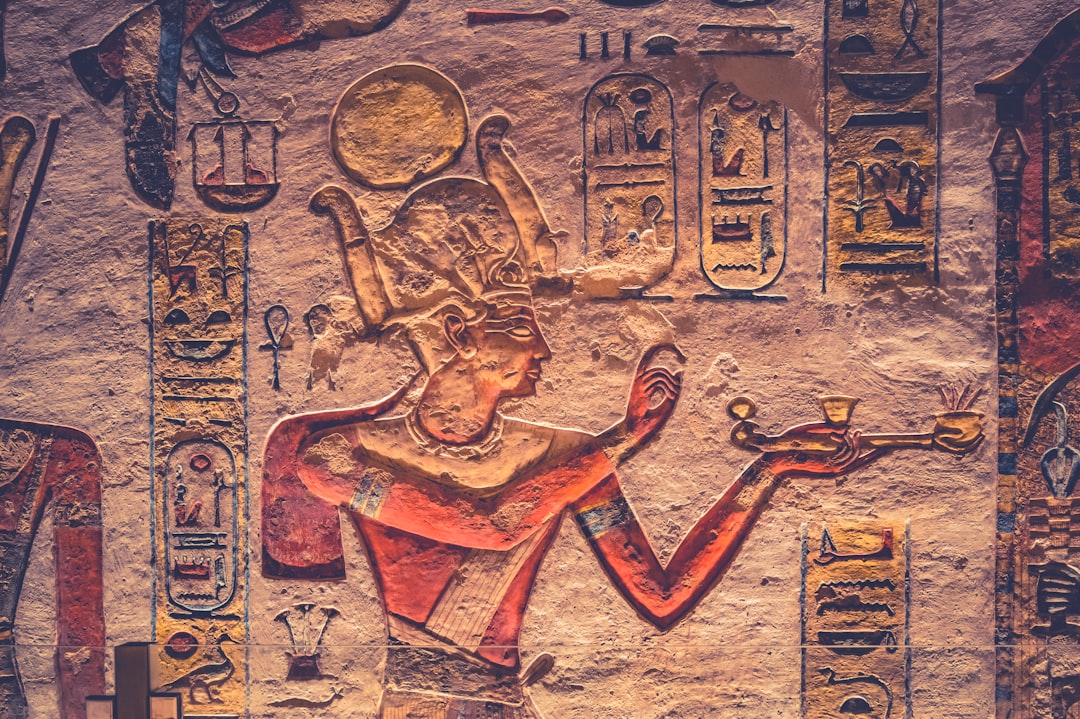
The invention of writing was a revolutionary leap for humanity. Prior to this, our understanding of early human societies was primarily derived from material remains – tools, pottery, settlements, and burial sites. While invaluable, these artifacts offer a silent testimony, requiring interpretation and often leaving significant gaps in our knowledge. Writing, however, provided a voice to the past. It enabled the recording of laws, religious beliefs, administrative accounts, literature, and personal narratives, offering a more direct and nuanced window into the lives, motivations, and societal structures of ancient peoples. The cuneiform script of Mesopotamia and the hieroglyphs of Egypt are prime examples of these foundational writing systems, each ushering in a new era of historical documentation.
The Event Horizon: When Does Ancient History Conclude?
The Fall of Empires and the Rise of New Eras
The end of ancient history is generally marked by significant political transitions that fundamentally altered the global landscape. The most commonly cited endpoint is the fall of the Western Roman Empire in 476 CE. This event is often viewed as a watershed moment, signifying the collapse of a vast and influential political entity and ushering in the Middle Ages in Europe. However, it’s important to recognize that this date is a symbolic marker and not a definitive global cessation.
Regional Nuances in Historical Transitions
While the fall of Rome is a prominent marker in Western historiography, the end of antiquity varied across different regions. For instance, in the East, the Byzantine Empire, the continuation of the Roman Empire in the East, persisted for another thousand years, preserving and transmitting classical knowledge. Similarly, in other parts of the world, the transition from antiquity to subsequent historical periods was marked by different events and timelines. The rise of new dynasties, the spread of new religions, and major societal upheavals all played a role in defining the end of the ancient period in their respective cultural spheres. Therefore, while 476 CE is a useful reference point, a more nuanced understanding acknowledges these regional variations.
For those interested in the fascinating world of ancient history, a related article that delves into the intriguing discoveries of artifacts is available at this link: Unearthed: Impossible Artifacts Found. This article explores various artifacts that challenge our understanding of ancient civilizations and their technological capabilities, providing a deeper insight into the mysteries of our past.
Unearthing the Past: The Tools of the Ancient Historian
The Archaeologist’s Spade and the Historian’s Pen
The unraveling of ancient history is a multidisciplinary endeavor, relying on the complementary skills of archaeologists and historians. Archaeology provides the tangible evidence, the physical remnants of past societies, while history synthesits and interprets this evidence, often in conjunction with written records, to construct narratives and understand the broader context.
The Science of Excavation: Uncovering Material Culture
Archaeology is the scientific study of human past through the excavation and analysis of material remains. Archaeologists meticulously sift through layers of earth, carefully documenting the location and context of every artifact unearthed. This process is crucial because the position of an object within the soil – its stratigraphy – provides clues about its age and its relationship to other finds. Pottery shards, tools, weapons, architectural fragments, human and animal remains, and even traces of ancient food can all offer invaluable insights into the daily lives, technologies, economies, and social practices of ancient peoples. Radiocarbon dating and other scientific methods are employed to determine the age of organic materials, providing a crucial chronological framework.
The Scribe’s Legacy: Deciphering Ancient Texts
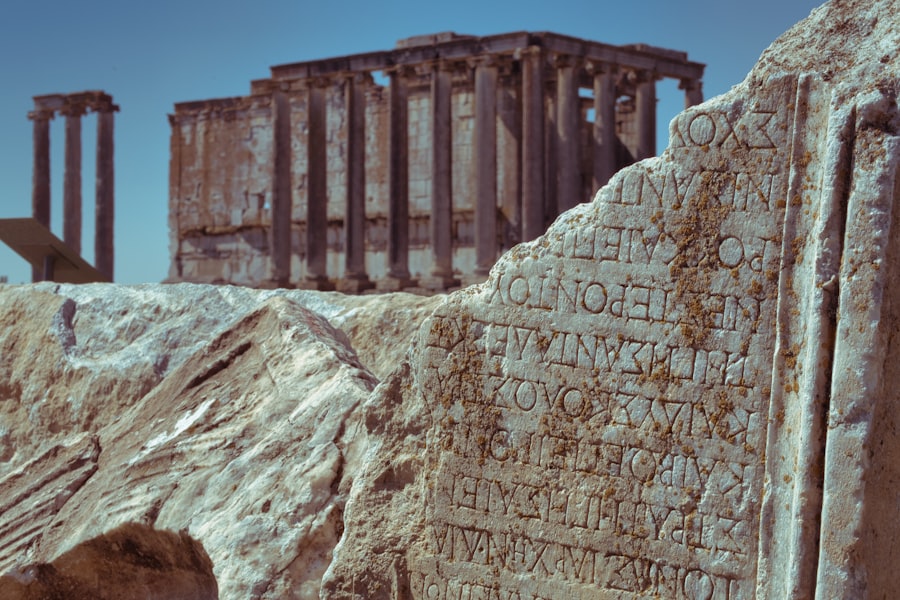
The ability to read and interpret ancient texts is paramount for historians. This involves the field of paleography, the study of ancient handwriting, and epigraphy, the study of inscriptions on durable materials like stone and metal. Deciphering lost languages, such as hieroglyphs or cuneiform, is a monumental achievement in itself, unlocking vast volumes of previously inaccessible information. Written records provide direct testimony from ancient peoples, offering insights into their political structures, legal systems, religious beliefs, economic transactions, and their understanding of the world around them. The translation and analysis of these texts allow historians to reconstruct events, understand motivations, and gain a deeper appreciation of the intellectual and cultural achievements of ancient civilizations.
Ancient history is filled with fascinating events and transformations that have shaped civilizations over millennia. One intriguing aspect of this history is the concept of state collapse, which can provide valuable insights into the vulnerabilities of societies. For a deeper understanding of how these collapses can occur and their implications for modern governance, you might find this article on the threat of state collapse particularly enlightening. It explores the factors that lead to the disintegration of states, drawing parallels with ancient civilizations and offering lessons that resonate even today.
Critical Analysis: Weaving the Narrative
Evaluating Sources: The Historian’s Skepticism
Historians do not simply accept ancient texts or archaeological findings at face value. A crucial aspect of their work is the critical evaluation of sources. This involves questioning the origin of a document, its author’s potential biases, the intended audience, and the purpose for which it was created. Similarly, archaeological interpretations are subject to scrutiny, considering potential limitations in excavation, preservation, and the inherent difficulties in inferring meaning from material remains. Understanding the context of a source is vital for accurate interpretation, ensuring that the evidence is used responsibly to build a coherent and valid historical narrative.
Synthesis and Interpretation: Constructing the Past
Once evidence has been gathered and critically evaluated, historians engage in the process of synthesis and interpretation. This involves weaving together disparate pieces of information – archaeological finds, textual evidence, and comparative studies with other cultures – to construct a comprehensive understanding of past events and societies. It is a creative as well as analytical process, requiring the historian to formulate hypotheses, identify patterns, and draw conclusions based on the available evidence. The ultimate goal is to present a clear, compelling, and historically accurate account of the ancient world, making it accessible and meaningful to a modern audience.
The Pillars of Antiquity: Key Civilizations and Their Contributions
Mesopotamia: The Cradle of Civilization
Innovators of the Fertile Crescent
Located in the fertile land between the Tigris and Euphrates rivers, Mesopotamia is often hailed as the “cradle of civilization” due to its pioneering achievements. The Sumerians, Akkadians, Babylonians, and Assyrians, who flourished in this region, made groundbreaking contributions that profoundly impacted the course of human development.
The Birth of Writing and Urban Life
The Sumerians, credited with developing the first known writing system, cuneiform, laid the foundation for recorded history. This innovation facilitated complex administration, the codification of laws, and the development of literature. Mesopotamia also witnessed the emergence of some of the world’s earliest cities, such as Ur and Uruk, characterized by their sophisticated urban planning, monumental architecture like ziggurats, and complex social structures. The development of irrigation systems transformed the arid landscape into a productive agricultural heartland, supporting burgeoning populations.
Legal Codes and Mathematical Advancements
The Code of Hammurabi, a Babylonian legal text dating back to around 1754 BCE, is one of the earliest and most complete written legal codes discovered. It provided a structured framework for justice, outlining punishments for various offenses and demonstrating a sophisticated understanding of societal order. Mesopotamians also made significant advancements in mathematics, developing a sexagesimal (base-60) number system that influenced our modern system of timekeeping, dividing the hour into 60 minutes and the minute into 60 seconds. They also made contributions to astronomy, charting celestial bodies and developing early forms of time prediction.
Ancient Egypt: The Land of the Pharaohs
Monumental Achievements and Enduring Legacies
Ancient Egypt, a civilization that thrived along the Nile River, is renowned for its monumental architecture, advanced religious beliefs, and unique cultural achievements that have captivated the world for millennia.
Pyramids, Temples, and the Afterlife
The iconic pyramids of Giza, built as tombs for pharaohs, stand as enduring testaments to the Egyptians’ engineering prowess, organizational skills, and their profound belief in the afterlife. Beyond pyramids, magnificent temples like Karnak and Luxor showcase their artistic and architectural talents, adorned with intricate hieroglyphic inscriptions that tell stories of their gods, rulers, and daily life. The Egyptian concept of the afterlife was central to their culture, influencing their elaborate burial practices, mummification, and the construction of elaborate tombs filled with provisions for the deceased.
Hieroglyphs, Papyrus, and Medical Knowledge
Egyptian hieroglyphs, a complex system of pictorial writing, provided a rich source of information about their history, religion, and administration. The development of papyrus, a writing material made from reeds, facilitated the widespread dissemination of knowledge. Ancient Egyptians also possessed advanced medical knowledge, with medical papyri detailing surgical procedures, remedies for various ailments, and an understanding of anatomy, albeit limited by their religious beliefs regarding dissection. Their contributions to astronomy, calendar systems, and agriculture, particularly their understanding of the Nile’s annual flood cycle, were also crucial to their enduring prosperity.
Ancient Greece: The Birthplace of Western Philosophy and Democracy
Intellectual Giants and Political Innovations
Ancient Greece, a collection of independent city-states, laid the intellectual and political foundations for much of Western civilization. Its contributions to philosophy, art, science, and political thought are immeasurable.
The Golden Age of Philosophy and Science
Thinkers like Socrates, Plato, and Aristotle are revered as the fathers of Western philosophy, their ideas shaping our understanding of ethics, logic, metaphysics, and politics. The scientific inquiries of figures like Archimedes and Euclid made groundbreaking contributions to mathematics, physics, and engineering. The Greeks also excelled in the arts, developing dramatic forms like tragedy and comedy, and creating sculptures of unparalleled beauty and realism. The Olympic Games, originating in ancient Greece, promoted physical fitness and friendly competition, a tradition that continues to this day.
Democracy and the Polis
The development of democracy in Athens was a revolutionary political experiment, where citizens participated directly in government decision-making. The concept of the “polis,” the independent city-state, fostered a strong sense of civic identity and responsibility. While Athenian democracy was limited in its inclusivity, excluding women, slaves, and foreigners, it nevertheless planted the seeds for later democratic ideals. Greek literature, particularly the epic poems of Homer, the histories of Herodotus and Thucydides, and the plays of Sophocles and Euripides, provide invaluable insights into their values, beliefs, and historical consciousness.
The Roman Empire: Engineering, Law, and Administration
An Empire That Shaped the World
The Roman Empire, forged through military might, sophisticated engineering, and a remarkable capacity for governance, left an indelible mark on the Western world and beyond. Its influence can be seen in our languages, legal systems, architecture, and infrastructure.
Infrastructure Marvels and Legal Systems
The Romans were prodigious builders, constructing vast networks of roads, aqueducts, bridges, and public buildings that facilitated trade, communication, and the administration of their sprawling empire. Their engineering feats, such as the Colosseum and the Pantheon, continue to awe visitors today. Roman law, with its emphasis on codified principles and procedures, formed the basis for many modern legal systems. The concept of “ius civile” or civil law, emphasizing rights and responsibilities, has had a profound and lasting global impact.
Administration, Language, and the Spread of Culture
The Romans developed a highly efficient administrative system to govern their vast territories, incorporating conquered peoples and establishing a sense of Romanitas – a shared cultural identity. Latin, the language of Rome, became the lingua franca of the Western Roman Empire and the foundation for the Romance languages (Italian, Spanish, Portuguese, French, and Romanian) spoken today. The Roman adoption and adaptation of Greek culture, including its art, philosophy, and literature, facilitated the dissemination of classical ideas throughout their empire and beyond. The spread of Roman influence played a crucial role in shaping the cultural landscape of Europe for centuries to come.
The Enduring Echoes: Ancient History’s Impact Today

Relevance in a Modern World
The study of ancient history is far from being an academic exercise confined to dusty libraries and archaeological digs. Its lessons and legacies continue to resonate profoundly in our contemporary world, shaping our institutions, our values, and our understanding of ourselves.
Political and Legal Frameworks
The democratic ideals born in ancient Athens, despite their limitations, have served as an inspiration for countless subsequent political movements and governmental structures. Roman law, with its emphasis on justice, equity, and the rule of law, continues to inform legal systems across the globe. Concepts like citizenship, representation, and the separation of powers can trace their lineage back to ancient Greece and Rome. Understanding these historical precedents allows us to better appreciate the evolution of governance and the ongoing pursuit of just and equitable societies.
Cultural and Intellectual Foundations
Much of our Western art, literature, and philosophy draws deeply from the wellspring of ancient Greek and Roman achievements. The architectural styles, artistic forms, and literary genres developed in antiquity continue to influence contemporary creative expression. The philosophical inquiries of the ancient Greeks into the nature of reality, ethics, and human existence remain relevant to contemporary discussions and debates. Our very languages, particularly those of European descent, are saturated with words and grammatical structures inherited from ancient tongues.
Learning from the Past: Insights for the Future
Patterns of Civilization and Collapse
By examining the rise and fall of ancient empires, historians can identify recurring patterns in societal development, factors that contribute to prosperity and stability, and the seeds of decline and collapse. These insights offer valuable lessons for contemporary societies, highlighting the importance of responsible governance, economic stability, social cohesion, and the avoidance of overextension and internal division. The study of ancient history encourages critical thinking about the long-term consequences of our actions and the cyclical nature of human endeavors.
The Human Condition: Enduring Themes
Despite the vast temporal distance, ancient history reveals the enduring aspects of the human condition. The universal desires for belonging, meaning, justice, and a better future, as well as the persistent struggles with conflict, inequality, and the search for purpose, are all vividly portrayed in the annals of ancient civilizations. By connecting with the experiences of people who lived thousands of years ago, we gain a deeper understanding of our shared humanity and the timeless challenges that continue to define our existence. The unraveling of ancient history, therefore, is not just an academic pursuit but a profound journey of self-discovery, offering invaluable wisdom for navigating the complexities of the present and shaping a more informed future.

The Lost City That Was Never Really Lost
FAQs
What is ancient history?
Ancient history refers to the time period from the development of writing (around 3000 BCE) to the fall of the Western Roman Empire in 476 CE. It encompasses the early civilizations of Mesopotamia, Egypt, Greece, Rome, and other ancient cultures.
What are some key events in ancient history?
Some key events in ancient history include the construction of the pyramids in Egypt, the founding of the city of Rome, the reign of Alexander the Great, the rise and fall of the Persian Empire, and the development of democracy in ancient Greece.
What were some important ancient civilizations?
Some important ancient civilizations include the Mesopotamian civilizations of Sumer, Babylon, and Assyria; the ancient Egyptian civilization along the Nile River; the ancient Greek city-states; and the Roman Empire.
What were the major contributions of ancient civilizations to the world?
Ancient civilizations made significant contributions to the world in areas such as architecture, art, literature, philosophy, mathematics, science, and governance. For example, the ancient Greeks made important advancements in philosophy and mathematics, while the Romans developed advanced engineering techniques.
How do we study ancient history today?
Today, ancient history is studied through archaeological excavations, the analysis of ancient texts and artifacts, and the use of modern technologies such as carbon dating and satellite imaging. Historians and archaeologists work together to piece together the story of ancient civilizations and understand their impact on the modern world.