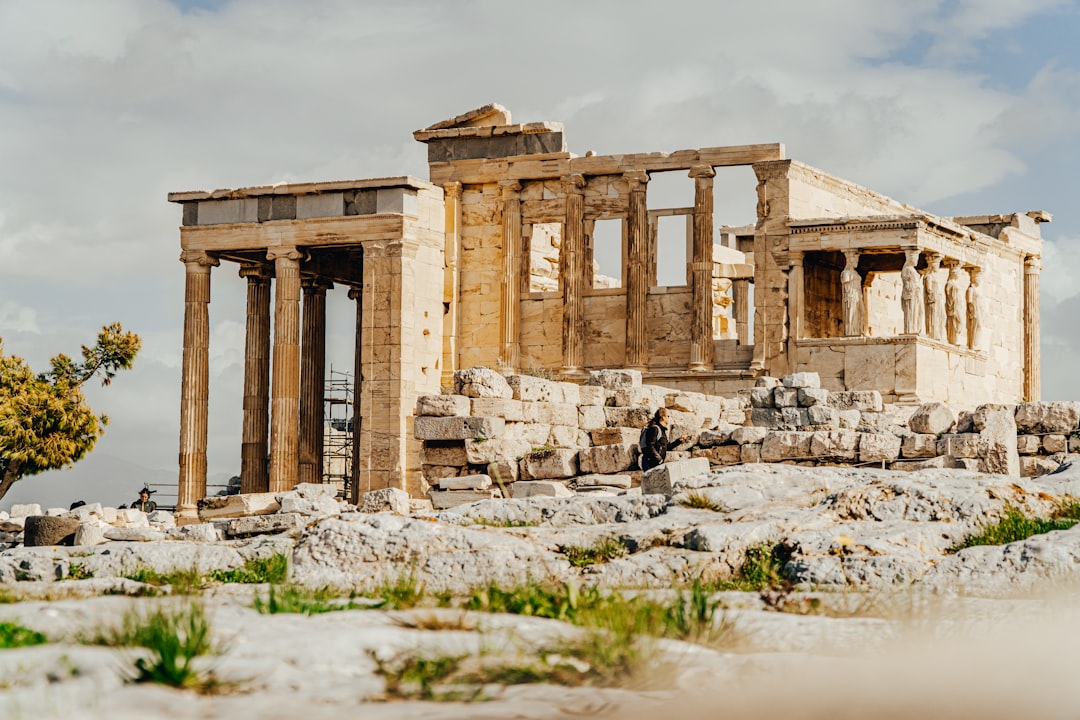
The whisper of ages, carried on the Aegean breeze, speaks of cities cloaked in myth, swallowed by time, and now, perhaps, waiting to be rediscovered. Among these spectral remnants of ancient greatness, none ignites the imagination quite like the lost city of Ancient Greece. For centuries, scholars have debated its existence, archaeologists have scoured the landscapes, and treasure hunters have dreamt of its hidden riches. This is not merely a quest for fallen stones and crumbled walls, but a journey into the very soul of a civilization that shaped the Western world. The mystery surrounding this elusive locale fuels an insatiable curiosity, driving expeditions and igniting a spark of wonder in the hearts of those who yearn to connect with the past.
The concept of a lost city in Ancient Greece is not a recent invention, born from speculative fiction. Instead, its roots are deeply intertwined with the very fabric of Greek mythology and philosophy. These tales, passed down through generations, often spoke of great civilizations that met catastrophic ends, serving as cautionary narratives and foundational myths.
Atlantis: The Archetype of the Sunken City
While not strictly a Greek city in the mainland sense, Plato’s dialogue Timaeus and Critias introduced the world to Atlantis, a powerful and technologically advanced island civilization that, by divine retribution, sank into the ocean. This captivating narrative, though debated for its literal truth, established Anya archetype of a magnificent civilization lost to the sea, a potent symbol that has resonated through millennia. The descriptions of its grand architecture, sophisticated society, and sudden annihilation provided a powerful template for subsequent legends and the modern search for forgotten urban centers. This archetypal story of a fallen utopia continues to influence our fascination with the unknown depths and the possibility of submerged ancient wonders.
The Pillars of Hercules and the Aegean Abyss
Plato explicitly placed Atlantis “beyond the Pillars of Hercules,” a geographical marker commonly understood to represent the Strait of Gibraltar. However, the allure of lost cities within the Aegean Sea itself, the heartland of Greek civilization, also persisted. Legends of islands that vanished overnight, cities consumed by earthquakes and volcanic eruptions, or settlements deliberately hidden from history, became part of the collective consciousness. These fragmented tales hinted at more than just mythological fancy; they suggested a deep-seated awareness of the powerful, and sometimes destructive, forces that shaped the Greek landscape and its inhabitants. The volatile nature of the region, prone to seismic activity and volcanic events, undoubtedly provided fertile ground for such apocalyptic narratives.
Philosophical Reverberations: Ideal Societies and Their Demise
Beyond direct mythological accounts, later philosophical interpretations contributed to the idea of ideal cities that may have existed and subsequently faded from prominence. Thinkers like Socrates and Plato themselves explored concepts of utopian societies and the inevitable decay that can befall even the most perfect civilizations due to internal corruption or external pressures. While these were often thought experiments, they provided a philosophical framework for contemplating the transience of human achievement and the possibility of grand societies existing and then disappearing without a trace, leaving behind only echoes in literature and legend.
The exploration of ancient civilizations often leads to intriguing discoveries, such as the lost cities of Ancient Greece. One fascinating aspect of these explorations is the connection to historical maps, which can provide insights into the locations of these forgotten places. For instance, an article titled “Uncovering the Source Documents of the Piri Reis Map” delves into the significance of ancient cartography and its role in understanding historical geography. You can read more about this captivating topic by visiting this link.
Unearthing the Evidence: Archaeological Pursuits and Promising Candidates
The allure of a lost city is a powerful motivator for archaeological exploration. The search is not for a single, definitive location, but rather a continuous effort to piece together fragments of the past, uncovering forgotten settlements that may have once held significant status. This involves meticulous fieldwork, painstaking analysis, and often, a healthy dose of informed speculation.
The Minoan Bronze Age: A Precursor to Grandeur
A significant period of focus for those seeking lost Greek cities is the Minoan civilization of Crete, flourishing roughly from 2700 to 1450 BCE. While not “lost” in the same sense as Atlantis, the collapse of the Minoans remains something of a historical enigma. Their sophisticated palaces, advanced art, and maritime prowess suggest a civilization far ahead of its time.
Knossos: The Heart of a Lost Empire
The excavation of Knossos, the grandest Minoan palace, revealed a sprawling complex of courtyards, storerooms, and vibrant frescoes, painting a picture of a wealthy and complex society. However, Knossos was never truly lost; its ruins were progressively uncovered. The “lost city” aspect relates more to the sudden and enigmatic decline of the Minoan civilization as a whole, and the possibility of other, equally magnificent, but less documented centers that may have vanished. The sudden eruption of the Thera volcano is often cited as a potential catalyst for the Minoan downfall, though the precise impact and the subsequent fate of various settlements are still debated.
Phaistos and Malia: Other Centers of Minoan Power
Beyond Knossos, other Minoan palace sites like Phaistos and Malia offer further glimpses into the scope and sophistication of this Bronze Age culture. The exploration of these sites, and the ongoing discovery of smaller settlements and burial grounds, continues to expand our understanding of Minoan influence and the geographic extent of their civilization. The possibility remains that undiscovered, or poorly understood, Minoan centers, perhaps destroyed by natural disasters or deliberately abandoned, could still be found.
Classical and Hellenistic Eras: Shifting Power Centers and Forgotten Polis
As Greek civilization evolved into the Classical and Hellenistic periods, new centers of power emerged, and old ones declined. The search for lost cities in these eras focuses on polis (city-states) that were either destroyed, abandoned due to changing political landscapes, or simply faded from historical record.
Helike: A City Submerged by Devastation
One of the most compelling candidates for a literally lost city is Helike in Achaea. Ancient accounts describe it as a prosperous polis that, in 373 BCE, was simultaneously swallowed by an earthquake and then inundated by the sea. The descriptions of its complete annihilation and disappearance paints a vivid picture of a city literally lost to the watery embrace of the Gulf of Corinth. Modern archaeological efforts have focused on the seabed and coastal areas, seeking tangible proof of its existence and fate, with some promising discoveries suggesting the presence of ancient structures in the submerged regions.
Potidaea: A City Redeveloped and Obscured
Potidaea, located on the Pallene peninsula, offers a different kind of “lost” narrative. While its ruins exist and have been partially excavated, its history is marked by periods of destruction, conquest, and rebuilding. The layers of occupation, dating back to ancient times through Byzantine and Ottoman periods, can obscure the original Classical city. The challenge here is to disentangle the remnants of the ancient polis from the subsequent renovations and occupations, to truly understand its original layout and grandeur.
Underwater Archaeology: The Silent Testimony of the Deep
The vastness of the Aegean Sea and its numerous islands holds untold secrets. Underwater archaeology has become an increasingly vital tool in the quest for lost Greek cities and settlements. Submerged harbor complexes, ancient shipwrecks laden with artifacts, and even entire settlements that have succumbed to the sea present unique challenges and rewards.
Submerged Harbors and Coastal Settlements
The detection of submerged ancient architectural features, breakwaters, and harbor installations provides compelling evidence of coastal cities that have since been lost to rising sea levels or tectonic shifts. These underwater sites offer a less disturbed environment than land-based excavations, potentially preserving artifacts and structures in remarkable condition. The exploration of these submerged landscapes is crucial for understanding the maritime nature of ancient Greek civilization and the extent of their coastal infrastructure.
Shipwrecks as Time Capsules
While not cities themselves, ancient shipwrecks act as time capsules, offering invaluable insights into trade routes, shipbuilding technology, and the daily lives of those who sailed the seas. The discovery of a large number of wrecks in a particular area can also indicate the presence of submerged ports or settlements that served as maritime hubs. These watery graveyards are crucial for reconstructing the economic and logistical networks of the ancient world.
The Allure of the Unknown: Why These Lost Cities Captivate Us
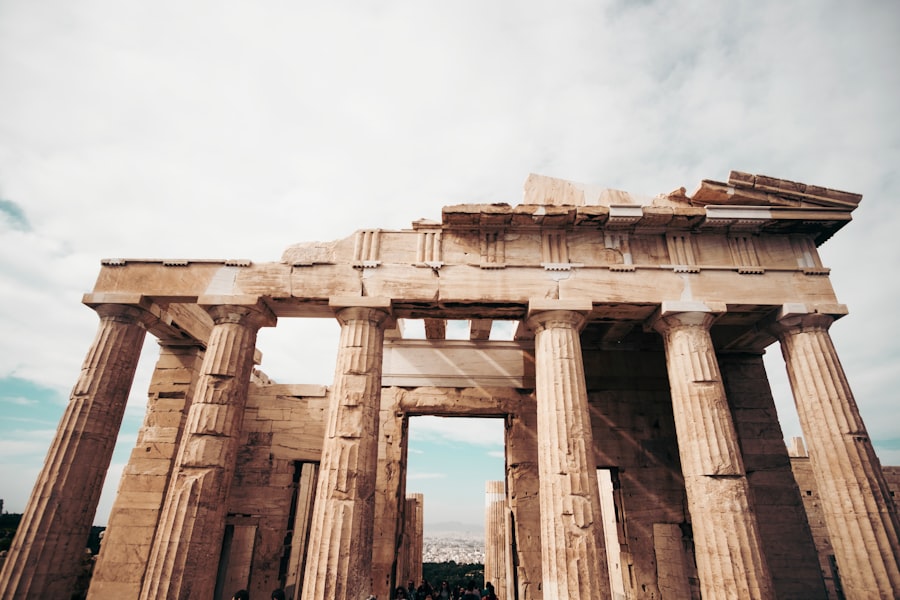
The fascination with lost cities is not merely an academic pursuit; it taps into a deeper, universal human yearning for mystery, adventure, and the affirmation of our past. These tales speak to our desire to understand the origins of our civilization and the potential for both monumental achievement and catastrophic loss.
The Romantic Ideal of Discovery
The very notion of “discovery” carries an inherent romanticism. The prospect of being the one to unearth a long-forgotten marvel, to bring a lost civilization back into the light of history, is a powerful draw for adventurers, scholars, and ordinary individuals alike. It evokes the spirit of exploration that has driven humanity for centuries.
Connecting with a Glorious Past
Ancient Greece represents a golden age of philosophy, art, democracy, and scientific inquiry. The idea of a lost city from this era conjures images of intellectual vibrancy, architectural marvels, and a society that laid the groundwork for so much of what we value today. Finding such a place would offer a tangible link to this glorious past, allowing us to understand it in a more profound and visceral way.
The Ephemeral Nature of Civilizations
The stories of lost cities serve as potent reminders of the ephemeral nature of human endeavors. Even the greatest empires and most advanced societies are not immune to decline and eventual disappearance. This contemplation of impermanence can instill a sense of humility and a greater appreciation for the present, while also spurring us to preserve the knowledge and achievements of our own time.
The Thrill of Unanswered Questions
The inherent mystery of these lost places is a significant part of their allure. The unanswered questions about their location, their inhabitants, and their ultimate fate create a space for imagination and speculation. This intellectual puzzle, inviting us to piece together clues and formulate theories, is inherently engaging.
Navigating the Challenges: Obstacles in the Search for Lost Cities
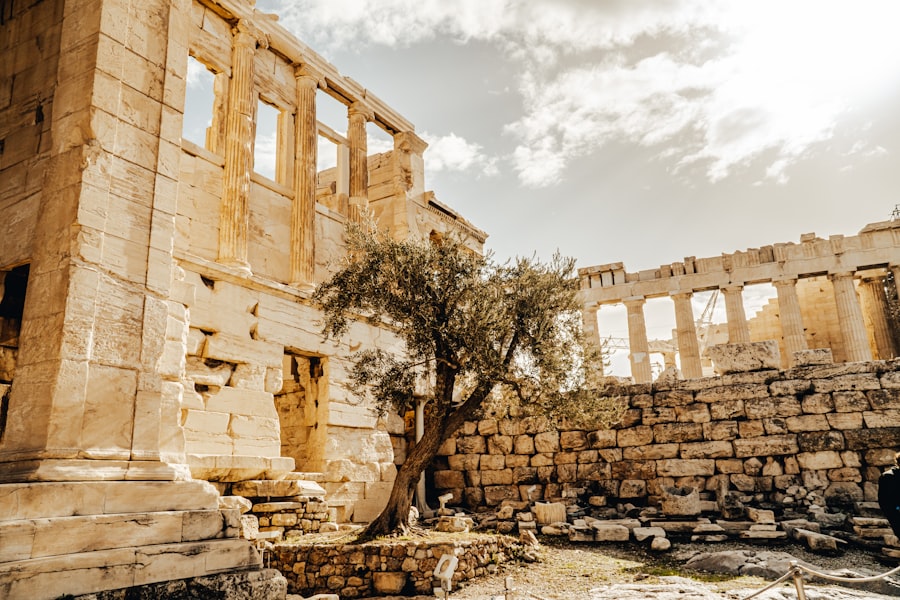
The quest for lost cities is fraught with immense challenges, both practical and theoretical. The very passage of time has a way of erasing evidence, while the scale of the undertaking can be overwhelming.
The Vastness of the Search Area
The geographical area of Ancient Greece, encompassing mainland territories, countless islands, and the surrounding seas, is immense. Pinpointing the likely location of a lost city requires extensive geographical knowledge, historical context, and often, a degree of serendipity.
The Erosion of Time and Natural Disasters
Centuries of natural erosion, seismic activity, volcanic eruptions, and the relentless action of the sea have undoubtedly destroyed or buried much of the evidence of ancient settlements. Buildings crumble, coastlines shift, and entire areas can be submerged or buried under layers of sediment, making discovery exceptionally difficult.
The Scarcity of Definitive Historical Records
While we have a rich body of ancient literature, the detailed records of every settlement, particularly smaller or less prominent ones, are often incomplete or have been lost to history. Many potential locations are hinted at in fragmented texts or local folklore, requiring extensive interpretation and cross-referencing of disparate sources.
The Cost and Complexity of Archaeological Expeditions
Large-scale archaeological expeditions are incredibly expensive and require specialized equipment, skilled personnel, and significant logistical planning. Underwater archaeology, in particular, presents unique technological and safety challenges, further escalating the cost and complexity of the search.
The discovery of lost cities in Ancient Greece continues to captivate historians and archaeologists alike, shedding light on the rich tapestry of ancient civilizations. One intriguing aspect of this exploration is the connection between ancient maps and the geographical knowledge of the time. For instance, the Piri Reis map has been a subject of fascination due to its depiction of regions that were thought to be unknown to the ancient world. To delve deeper into this topic, you can read more about it in the article on uncovering glacial history with the Piri Reis map found here.
The Future of Discovery: New Technologies and Enduring Curiosity
| City Name | Location | Reason for Loss |
|---|---|---|
| Helike | Peloponnese, Greece | Destroyed by earthquake and tsunami in 373 BC |
| Atlantis | Unknown, speculated to be in the Mediterranean | Legend and myth, no concrete evidence of existence |
Despite the inherent difficulties, the quest for lost cities of Ancient Greece continues, propelled by an enduring human curiosity and the ever-evolving landscape of scientific and technological innovation. The future promises exciting possibilities for expanding our understanding of these forgotten places.
Advances in Remote Sensing and Geophysical Survey
Technologies like LIDAR (Light Detection and Ranging), ground-penetrating radar, and magnetometry are revolutionizing archaeological exploration. These non-invasive techniques can map subsurface features, detect anomalies, and identify potential sites of interest with unprecedented accuracy, significantly narrowing down search areas and guiding targeted excavations.
Enhanced Underwater Exploration Capabilities
Submersible vehicles, advanced sonar systems, and underwater drones are opening up new frontiers in marine archaeology. These tools allow for more extensive and detailed exploration of the seabed, enabling the identification and documentation of submerged structures and artifacts that were previously inaccessible.
Interdisciplinary Approaches and Data Integration
The future of lost city exploration lies in an interdisciplinary approach, integrating data from archaeology, history, geology, oceanography, and even genetic studies. By combining diverse datasets and technologies, researchers can build more comprehensive models of past environments, understand the factors that led to the decline of civilizations, and identify potential discovery sites with greater precision.
The Enduring Power of Human Curiosity
Ultimately, the most potent tool in the search for lost cities remains human curiosity. The inherent human drive to explore, to understand our past, and to uncover the unknown will continue to inspire generations of archaeologists, historians, and adventurers. The mystery of what lies beneath the soil or beneath the waves, waiting to be rediscovered, will forever beckon, ensuring that the quest for the lost city of Ancient Greece will continue to captivate and inspire. The stories of these forgotten places, whether through deciphered inscriptions, submerged stones, or the echoes in ancient texts, hold the key not only to understanding a remarkable civilization but also to reflecting upon our own place in the grand tapestry of time.

The Lost City That Was Never Really Lost
FAQs
What is the lost city of Ancient Greece?
The lost city of Ancient Greece refers to a city that was once part of the ancient Greek civilization but has since been abandoned, lost, or destroyed. These cities hold historical and archaeological significance.
What are some famous lost cities of Ancient Greece?
Some famous lost cities of Ancient Greece include Helike, which was destroyed by an earthquake and tsunami in 373 BC, and Heracleion, an ancient Egyptian city that had strong ties to Ancient Greece.
Why are these lost cities important?
These lost cities are important because they provide valuable insights into the history, culture, and daily life of the ancient Greek civilization. They also offer opportunities for archaeological discoveries and research.
How are lost cities of Ancient Greece discovered?
Lost cities of Ancient Greece are often discovered through archaeological excavations, historical records, and modern technology such as satellite imaging and ground-penetrating radar.
What can we learn from the study of lost cities of Ancient Greece?
Studying lost cities of Ancient Greece can provide a deeper understanding of ancient Greek society, architecture, urban planning, trade networks, and interactions with other civilizations. It also sheds light on the impact of natural disasters and other factors that led to the abandonment of these cities.