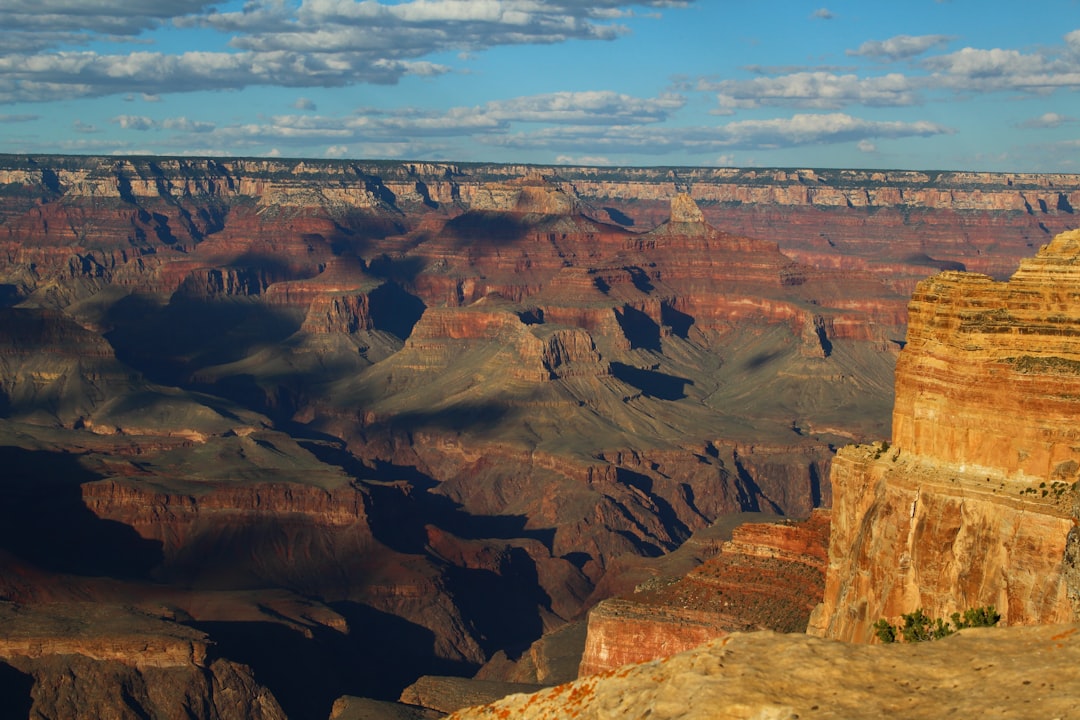
The ancient Earth, a canvas painted with the stories of eons, holds within its rocky layers a silent, yet profound, chronicle of existence. Geology, the science of the Earth, is the dedicated archivist of this grand narrative, meticulously deciphering the language of rocks and minerals to reveal the planet’s past. It is through the study of geological formations that humanity gains an understanding of its own origins, the evolution of life, and the dramatic forces that have shaped our world. This discipline, often perceived as static and remote, is in fact a vibrant and dynamic field, constantly unearthing new insights and reinforcing the truth that the ground beneath our feet is a treasure trove of history, preserved through time.
Geology is not merely the examination of inert substances; it is the interpretation of a living, breathing history book. Each stratum of rock, each fossil entombed within, is a page turned, offering glimpses into distinct epochs. The discipline’s ability to preserve history is unparalleled, providing a window into millennia and even millions of years before human civilization left its ephemeral mark.
Sedimentary Layers: Earth’s Own Archive
The most readily apparent method by which geology preserves history is through sedimentary rock formation. Over vast stretches of time, material eroded from mountains and other landforms – sand, silt, and clay – is transported by rivers, wind, and ice and eventually deposited in basins. These layers of sediment, often accumulating in distinct, horizontal beds, act as time capsules.
Stratigraphy: The Art of Reading Layers
The fundamental principle of stratigraphy, the study of rock layers, is the law of superposition. This law dictates that in an undisturbed sequence of sedimentary rocks, the oldest layers will be found at the bottom, and the youngest layers will be found at the top. Geologists meticulously map and analyze these layers, recognizing distinct formations that can be traced across vast distances. This allows for the correlation of geological events and the reconstruction of ancient environments.
Unconformities: Gaps in the Record
While sedimentary layers provide a continuous record, unconformities represent breaks in this depositional history. These represent periods of erosion or non-deposition, where sections of rock have been removed or deposition ceased for a significant duration. Understanding unconformities is crucial, as they represent lost chapters in Earth’s story, periods where vital clues may have been erased. Identifying the type of unconformity – whether angular, disconformity, or nonconformity – provides further insights into the geological events that transpired during these breaks.
Paleocurrents and Depositional Environments
Within sedimentary rocks, subtle clues reveal the conditions under which they were formed. The orientation of sand grains, the presence of ripple marks, and the shape of sedimentary structures like cross-bedding all speak to the direction and force of ancient water currents or wind. This allows geologists to reconstruct the types of environments that existed – a vast, shallow sea, a windswept desert, or a meandering river system.
Fossil Evidence: The Echoes of Life
Perhaps the most evocative aspect of geological history preservation is the fossil record. Fossils are the preserved remains or traces of ancient organisms, offering tangible evidence of the life forms that once inhabited our planet.
Paleontology: The Study of Ancient Life
Paleontology, a sub-discipline of geology, is dedicated to the study of fossils. Through the meticulous excavation and analysis of fossilized remains, paleontologists can reconstruct the anatomy of extinct creatures, understand their behavior, and trace the evolutionary lineage of life on Earth. Each fossil is a testament to a moment in time, a snapshot of an organism caught in the geological process.
Types of Fossilization
The remarkable preservation of fossils occurs through various processes. Permineralization, where minerals fill the pore spaces within organic material, is a common method, turning bone and shell into rock. Molds and casts preserve the shape of an organism when its original material dissolves, leaving an imprint. Carbonization, a process that occurs under heat and pressure, leaves behind a thin film of carbon, often preserving delicate plant matter. Even trace fossils, such as footprints, burrows, and coprolites (fossilized feces), offer invaluable insights into the behavior of ancient life.
The Unfolding Story of Evolution
The fossil record is a cornerstone of evolutionary theory. It demonstrates the gradual change and diversification of life forms over geological time. From the earliest microbial mats to the majestic dinosaurs and the emergence of our own ancestors, the fossil record provides irrefutable evidence of evolution in action, a narrative etched in stone.
Geology plays a crucial role in preserving the history of our planet, capturing the intricate details of past environments, climate changes, and biological evolution through layers of rock and sediment. For a deeper understanding of how geological processes intersect with human endeavors, you might find the article on cislunar space traffic management insightful. It explores the implications of human activity beyond Earth and how our geological understanding can inform future explorations. You can read more about it here: Navigating the Future: Cislunar Space Traffic Management.
The Geological Calendar: Dating Earth’s Past
Understanding the age of rocks and the events they represent is fundamental to deciphering Earth’s history. Geology employs a sophisticated suite of dating techniques to establish a chronological framework for the planet’s evolution.
Relative Dating: Placing Events in Order
Relative dating techniques establish the sequence of geological events without assigning specific numerical ages. These methods rely on fundamental principles of stratigraphy and geological relationships.
The Law of Superposition (Revisited)
As previously mentioned, the principle of superposition is a cornerstone of relative dating. Older rocks lie beneath younger rocks in undisturbed sequences.
The Principle of Original Horizontality
Sedimentary rocks are generally deposited in horizontal layers. If these layers are found tilted or folded, it indicates that geological processes have acted upon them after deposition.
The Principle of Cross-Cutting Relationships
Any geological feature, such as a fault or an igneous intrusion, that cuts across existing rock layers is younger than the layers it cuts. This principle allows geologists to date events like faulting and volcanic activity relative to the surrounding rock formations.
The Principle of Faunal Succession
This principle, closely tied to paleontology, states that fossil organisms appear in a particular order in the rock layers. This order is consistent globally, allowing geologists to identify and correlate rock layers from different locations based on their fossil content.
Absolute Dating: Unveiling Numerical Ages
Absolute dating, also known as radiometric dating, provides numerical ages for rocks and geological events. These methods rely on the predictable decay of radioactive isotopes.
Radiometric Dating Techniques
The decay of radioactive isotopes, such as Uranium-Lead, Potassium-Argon, and Carbon-14, occurs at a constant and measurable rate, known as a half-life. By measuring the ratio of parent radioactive isotopes to their stable daughter products within a rock sample, geologists can calculate the time elapsed since the rock solidified.
Uranium-Lead Dating
Uranium isotopes decay into Lead isotopes over very long timescales, making this method ideal for dating very old rocks, such as those found in continental crust.
Potassium-Argon Dating
The decay of Potassium-40 to Argon-40 is a reliable method for dating volcanic rocks and minerals that have been heated, as Argon gas can escape from the rock, and its accumulation can be precisely measured.
Carbon-14 Dating
Carbon-14 dating is effective for dating relatively young organic materials, up to around 50,000 years old. It is widely used in archaeology but also has applications in dating recent geological deposits containing organic matter.
The Geologic Time Scale
The integration of relative and absolute dating methods has allowed geologists to construct the Geologic Time Scale, a chronological chart that divides Earth’s history into eons, eras, periods, and epochs. This scale provides a framework for understanding the timing and duration of major geological and biological events.
The Dynamic Earth: Forces Sculpting History
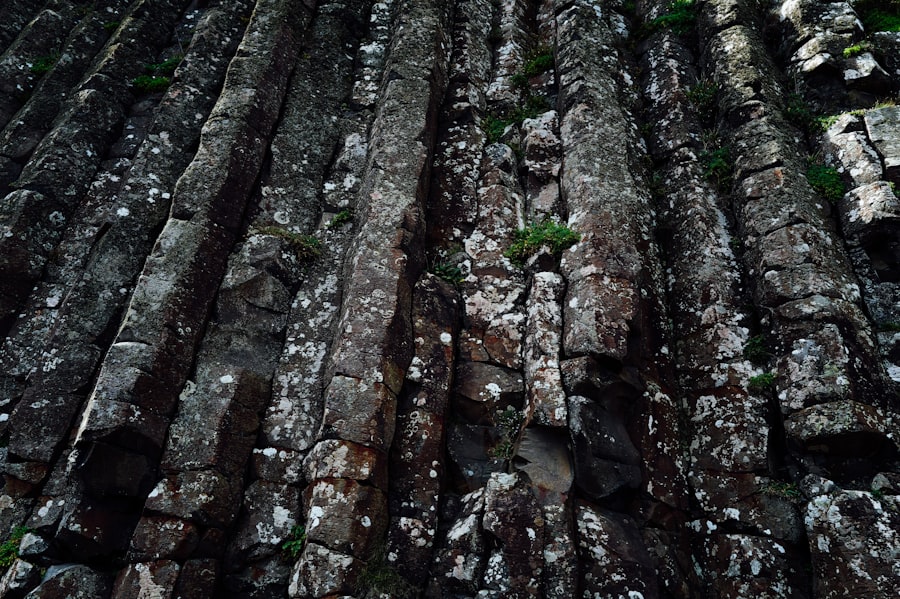
Geology reveals that Earth is not a static sphere but a dynamic planet constantly undergoing transformation. The forces operating on and within the Earth are the architects of its history, shaping landscapes and influencing the course of life.
Plate Tectonics: The Grand Unifier
The theory of plate tectonics is the most significant unifying concept in modern geology. It describes the Earth’s outer shell, the lithosphere, as being broken into large plates that float and move on the semi-fluid asthenosphere beneath.
Continental Drift: A Historical Pondering
The idea of continents drifting across the Earth’s surface was first proposed by Alfred Wegener in the early 20th century. While his initial evidence was compelling, the mechanism for such movement remained elusive until the development of plate tectonics.
Plate Boundaries: Sites of Geological Action
The interactions between these moving plates at their boundaries are responsible for much of Earth’s geological activity.
Divergent Boundaries: Creating New Crust
At divergent boundaries, plates move apart, allowing molten rock from the mantle to rise and solidify, forming new crust. This process is responsible for mid-ocean ridges and rift valleys.
Convergent Boundaries: Destruction and Creation
At convergent boundaries, plates collide. This can lead to the subduction of one plate beneath another, resulting in volcanic mountain ranges and deep ocean trenches. In continental-continental collisions, immense mountain ranges like the Himalayas are formed.
Transform Boundaries: Slipping Past Each Other
At transform boundaries, plates slide past each other horizontally, causing significant earthquakes, such as those along the San Andreas Fault.
Volcanism and Earthquakes: Violent Expressions of Internal Power
The internal heat of the Earth drives volcanic activity and earthquakes, powerful geological events that have profoundly shaped landscapes and had significant impacts on life.
Volcanic Eruptions: Shaping Landscapes
Volcanoes are vents in the Earth’s crust through which molten rock, ash, and gases erupt. These eruptions can create new landforms, such as islands and mountains, and can also release vast amounts of material that influence climate. The geological record of past volcanic eruptions, preserved in ash layers and lava flows, provides evidence of past climatic changes and catastrophic events.
Earthquakes: The Shifting Crust
Earthquakes are the result of the sudden release of energy in the Earth’s crust, typically caused by the movement of tectonic plates. The seismic waves generated by earthquakes can travel through the Earth, providing geologists with an understanding of the planet’s internal structure. The geological record of past earthquakes, identified through fault scarps and liquefaction features, helps in assessing seismic hazards.
The Geological Record and Climate Change: Lessons from the Past
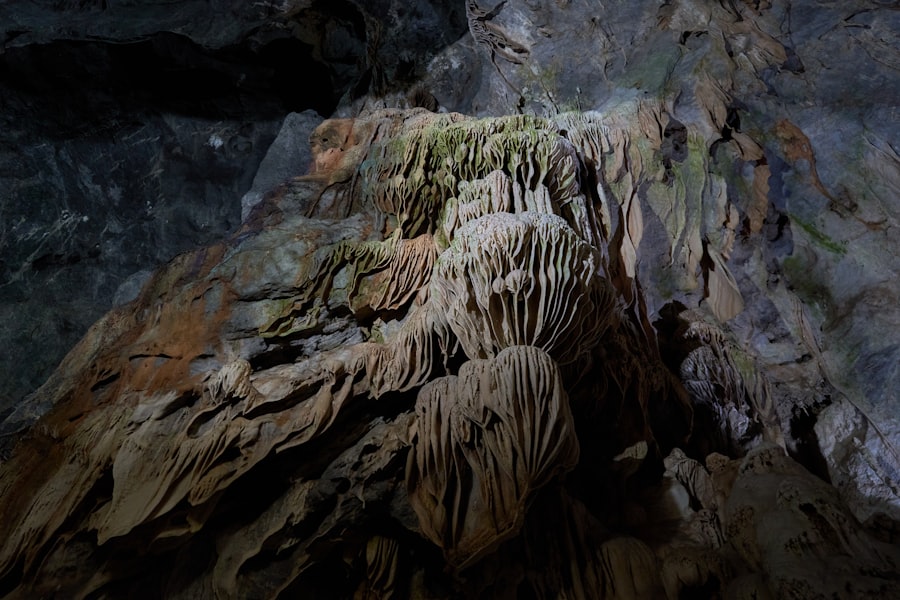
The Earth’s climate has not been static throughout its history. The geological record offers invaluable data on past climate shifts, providing crucial context for understanding contemporary climate change.
Past Climatic Episodes: A Diverse Spectrum
Geological evidence reveals periods of extreme glaciation, known as “Snowball Earth” episodes, and periods of intense warmth, with significantly higher sea levels and different atmospheric compositions.
Ice Cores: Frozen Archives of Atmospheric History
Ice cores, drilled from glaciers and ice sheets, contain trapped air bubbles that represent samples of the Earth’s past atmosphere. Analyzing the composition of these gases, particularly carbon dioxide and methane, provides a direct record of atmospheric changes over hundreds of thousands of years.
Isotopic Analysis: Revealing Past Temperatures
The isotopic composition of water molecules within ice cores can also be used to reconstruct past temperatures. Lighter isotopes of oxygen and hydrogen are preferentially incorporated into water vapor at higher temperatures, while heavier isotopes are favored at lower temperatures.
Sediment Cores: A Proxy for Past Conditions
Oceanic and lake sediment cores also provide valuable proxy data for past climate. The types of microscopic organisms (foraminifera, diatoms) living in these water bodies are sensitive to temperature and salinity. Their fossilized remains in sediment layers offer clues about past environmental conditions.
Pollen Analysis: Vegetation as a Climate Indicator
The analysis of fossilized pollen grains within sediment cores can reveal the types of plants that grew in an area, which are directly influenced by climate. This allows for the reconstruction of past vegetation patterns and, by extension, past climatic regimes.
Anthropogenic Climate Change: A Geological Perspective
The geological record, particularly the rapid increase in greenhouse gas concentrations observed in recent ice cores and atmospheric monitoring, highlights the unprecedented speed and magnitude of current climate change. Geologists can use their understanding of past climate dynamics to assess the potential long-term consequences of these changes.
The Carbon Cycle: Past and Present
Geological processes play a crucial role in the Earth’s carbon cycle. Volcanic outgassing releases carbon dioxide, while weathering of rocks and formation of carbonate rocks sequester carbon. Understanding the past balance of these processes provides a baseline against which to evaluate the impact of human-induced carbon emissions.
Sea Level Changes: Evidence from Coastal Geology
Past sea level fluctuations, preserved in coastal geological formations like ancient shorelines and coral reefs, offer vital data for predicting future sea level rise due to melting ice sheets and thermal expansion of ocean water.
Geology plays a crucial role in preserving the history of our planet, offering insights into past climates, ecosystems, and even the evolution of life itself. For those interested in how innovative technologies can enhance our understanding of geological resources, a fascinating article discusses the potential of in-situ resource utilization (ISRU) technology. This approach not only maximizes resources but also provides a deeper connection to the geological processes that shape our world. You can explore this topic further in the article about maximizing resources with ISRU technology.
Preserving Geological Heritage: Safeguarding Our Planet’s Encyclopedia
| Geological Process | Preservation of History |
|---|---|
| Sedimentation | Formation of sedimentary rocks that can contain fossils and record past environments. |
| Volcanism | Creation of volcanic rocks that can preserve evidence of past volcanic eruptions and geological events. |
| Erosion | Exposure of underlying rock layers and geological formations, providing insight into Earth’s history. |
| Metamorphism | Transformation of rocks under high pressure and temperature, preserving mineral compositions and geological changes. |
Just as historians preserve ancient manuscripts, geologists recognize the importance of preserving geological sites and formations. These natural laboratories hold invaluable information for both scientific research and public understanding.
Geological Heritage Sites: Natural Monuments
Recognizing the scientific and educational significance of certain geological features, many countries have designated geological heritage sites. These can include unique rock formations, fossil beds, important mineral deposits, and areas of significant geological activity.
World Heritage Sites: Global Recognition
Some of the most exceptional geological sites have been recognized by UNESCO as World Heritage sites, acknowledging their universal value and the need for their protection. These sites often showcase dramatic geological processes and offer unparalleled insights into Earth’s history.
National Parks and Reserves: Protecting Natural Laboratories
Many national parks and protected areas encompass significant geological features, providing opportunities for both scientific study and public appreciation. These areas act as natural archives, safeguarding geological processes and their manifestations from destructive human activities.
Paleontological and Mineralogical Collections: The Libraries of Earth Science
Museums and research institutions house vast collections of fossils, rocks, and minerals. These collections are essential for ongoing research, providing comparative material and access to specimens that might no longer be accessible in the field.
The Importance of Curation and Accessibility
Proper curation and accessibility of these collections are vital for the advancement of geological science. Detailed cataloging, preservation, and making these resources available to researchers worldwide are crucial for unlocking new discoveries.
Citizen Science and Public Engagement
Increasingly, citizen science initiatives are engaging the public in geological data collection and observation. This not only aids scientific research but also fosters a greater appreciation for the geological heritage of our planet. Educational programs and outreach activities are vital for communicating the importance of geology in preserving our history.
In conclusion, geology’s role in preserving history through time is multifaceted and profound. From the macroscopic layers of sedimentary rock to the microscopic details within fossils and isotopic signatures, the Earth itself is an open book, and geologists are its skilled interpreters. By understanding the planet’s dynamic processes, its long climatic cycles, and the evolutionary journey of life, we gain a deeper appreciation for our place on Earth and the immense timescale of its existence. The preservation of geological heritage is not just about safeguarding rocks; it is about protecting the very story of our planet and, by extension, our own story within it.

The Lost City That Was Never Really Lost
FAQs
What is geology?
Geology is the study of the Earth’s history, structure, and processes that have shaped the planet over time. It involves the study of rocks, minerals, fossils, and the forces that have shaped the Earth’s surface.
How does geology preserve history?
Geology preserves history through the study of rock layers, fossils, and other geological features that provide evidence of past environments, climates, and life forms. By analyzing these geological records, scientists can reconstruct the Earth’s history and understand how it has changed over millions of years.
What are some examples of how geology preserves history?
Examples of how geology preserves history include the study of sedimentary rock layers, which can reveal information about past environments and climate change, and the analysis of fossils, which provide insights into the evolution of life on Earth. Additionally, the study of volcanic rocks and impact craters can provide information about past geological events.
How does geology contribute to our understanding of the past?
Geology contributes to our understanding of the past by providing a record of Earth’s history through the study of rock formations, fossils, and other geological features. By analyzing these records, scientists can reconstruct past environments, climate changes, and the evolution of life on Earth.
Why is it important to study how geology preserves history?
Studying how geology preserves history is important because it helps us understand the Earth’s past, present, and future. By learning from the geological record, we can gain insights into past environmental changes, natural disasters, and the evolution of life, which can inform our understanding of current environmental issues and help us make informed decisions about the future.