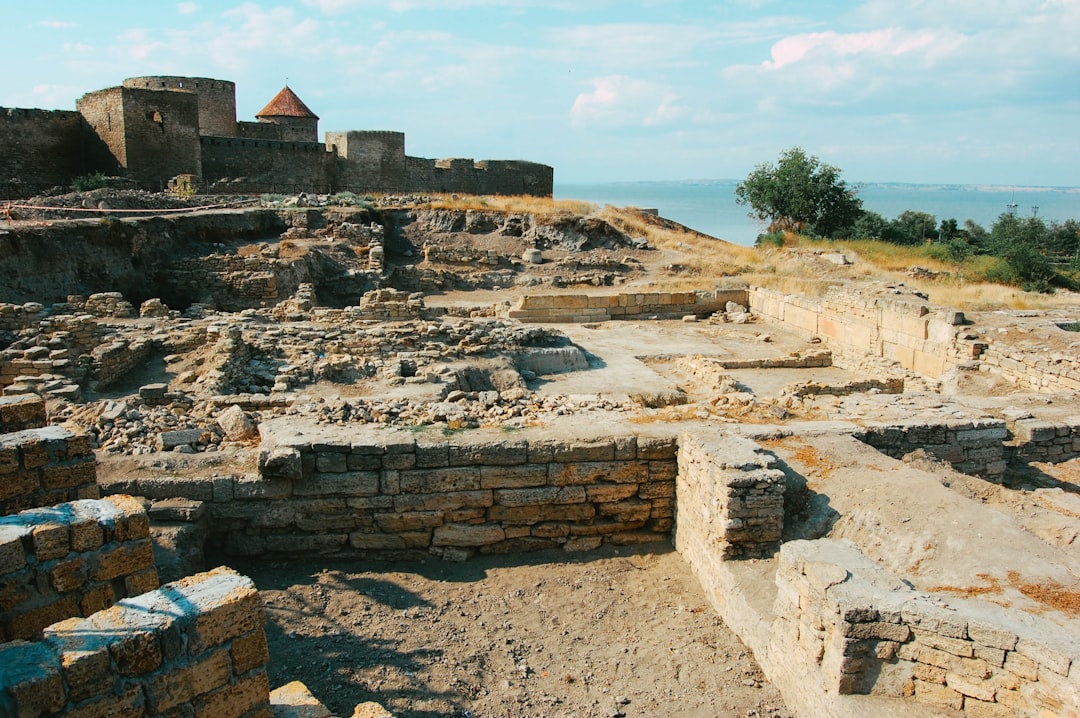
The earth holds its secrets close, a silent sentinel guarding millennia of human endeavor. Beneath the churned soil, windblown sands, and overgrown landscapes lie the spectral outlines of forgotten settlements, vibrant hubs of life now rendered to dust and memory. Unearthing these ancient buried sites is not merely an archaeological pursuit; it is a profound intellectual journey, a meticulous excavation of the human past that allows us to reconstruct narratives of our ancestors, their societies, and their enduring impact on the world. This endeavor, requiring patience, ingenuity, and a deep respect for the fragmented whispers of history, offers invaluable insights into the evolution of civilization, technology, and human behavior.
The impulse to uncover what lies beneath the surface is deeply ingrained in the human psyche. It speaks to a fundamental curiosity about our origins, a desire to connect with those who walked the earth before us. Buried settlements are not just collections of artifacts; they are tangible remnants of lived experiences. They represent the foundations of our present, the bedrock upon which modern societies have been built. The allure lies in the detective work, the piecing together of fragmented evidence to understand social structures, economic systems, religious beliefs, and daily routines of people long gone.
Echoes of Daily Life
The most compelling aspect of unearthing these sites is the glimpse they offer into the mundane, the everyday existence of past populations. Imagine finding a perfectly preserved hearth, the ashes still suggesting recent warmth, or a collection of cooking pots, each bearing the marks of tireless use. These are not grand monuments, but intimate windows into family life, communal meals, and the practicalities of survival. Pottery shards, tool fragments, and even discarded food remains speak volumes about diet, craftsmanship, and resourcefulness.
Tracing the Threads of Civilization
Every unearthed settlement adds a crucial thread to the intricate tapestry of human civilization. By studying the layout of streets, the design of houses, the presence of public buildings, and the artifacts found within, archaeologists can reconstruct the social hierarchy, the division of labor, and the governance of these ancient communities. The advancements in agriculture, trade routes, and the development of complex technologies are often revealed through the meticulous study of buried settlements. These discoveries help us understand how societies organized themselves, how they interacted with their environment, and how they adapted to changing circumstances.
The Landscape as a Historical Text
The very land on which a settlement was built is a historical text in itself. Archaeological surveys, utilizing advanced remote sensing technologies, can identify subtle changes in topography, vegetation patterns, and soil composition that hint at buried structures. This non-invasive approach allows for a preliminary understanding of the site’s extent and potential before the arduous task of excavation begins. The relationship between the settlement and its surrounding environment – water sources, arable land, and natural resources – provides crucial context for understanding its prosperity and eventual decline.
Ancient settlements buried beneath the sands of time often reveal fascinating insights into past civilizations, and understanding these historical contexts can enhance our appreciation of contemporary issues. For instance, the ongoing conflict in Sudan, which has deep historical roots, is intricately linked to the region’s rich archaeological heritage. To explore how the struggle for peace in Sudan intersects with its ancient history, you can read more in this related article: Sudan Conflict: A Continuing Struggle for Peace.
The Tools of Revelation: Methods and Technologies
Unearthing buried settlements is a sophisticated process that has evolved dramatically over time. Modern archaeology is a fusion of traditional fieldwork with cutting-edge technologies, each playing a vital role in extracting information with minimal disturbance. The days of treasure hunting and indiscriminate digging are long past, replaced by methodical, scientific approaches.
Ground-Penetrating Radar (GPR) and Magnetometry: Seeing Through the Earth
Before a single shovel breaks the soil, geophysicists and archaeologists employ non-invasive techniques to map the subsurface. Ground-Penetrating Radar (GPR) emits radio waves into the ground, which bounce back when they encounter anomalies such as buried walls, ditches, or floors. The patterns of these reflections create a three-dimensional image of what lies beneath. Similarly, magnetometry measures variations in the Earth’s magnetic field, which can be altered by the presence of fired clay (like hearths or kilns) or buried metal objects. These technologies allow archaeologists to identify potential features and plan excavation strategies efficiently.
Aerial and Satellite Imagery: The Bird’s-Eye View
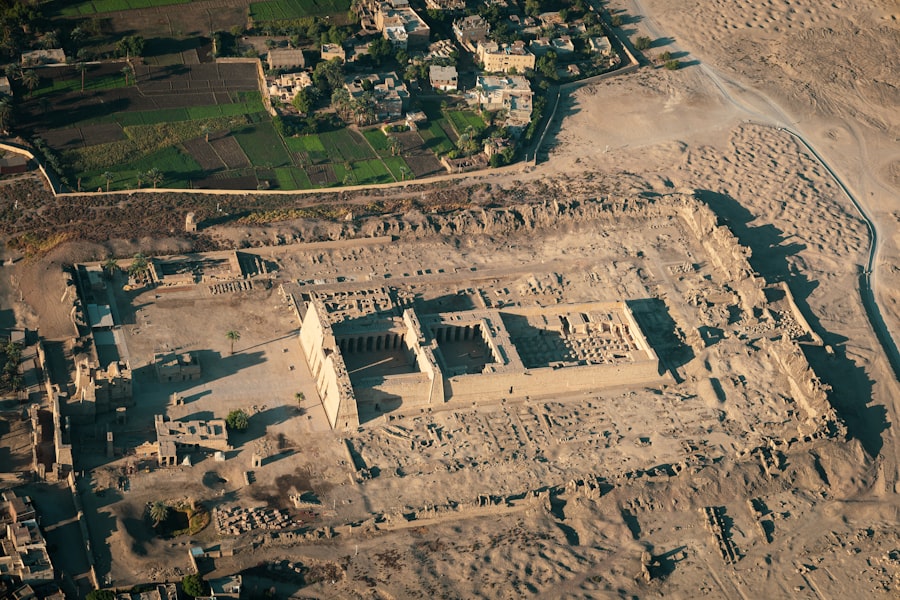
Historical aerial photographs, modern satellite imagery, and drone photography provide invaluable perspectives on a potential site. Subtle variations in crop growth (crop marks), differences in soil color, or even faint outlines of buried structures can become apparent from an aerial vantage point, especially during drier periods. These images can reveal the extent of settlements, the presence of defensive features like ditches and ramparts, and the spatial relationships between different structures, guiding the fieldwork below.
Stratigraphy and Soil Analysis: Reading the Layers of Time
Once excavation begins, the principle of stratigraphy becomes paramount. This is the study of the superimposed layers of rock or soil. Archaeologists meticulously excavate in distinct layers, recognizing that each stratum represents a specific period of deposition. The artifacts found within each layer help to date that period and understand the activities that occurred. Soil analysis provides further clues, revealing information about past agricultural practices, the presence of refuse areas, and even the types of materials used in construction and daily life.
Artefact Recovery and Preservation: Preserving Fragile Legacies
The recovery of artifacts is a delicate and crucial part of the process. Tools range from trowels and brushes for fine excavation to more sophisticated tools for larger features. Once unearthed, artifacts are meticulously documented, photographed, and cataloged. Preservation is then a key concern, with techniques ranging from cleaning and stabilization to more extensive conservation efforts, depending on the material’s susceptibility to decay. This ensures that these tangible pieces of the past can be studied, displayed, and understood for generations to come.
From Ruin to Reconstruction: Interpreting the Findings
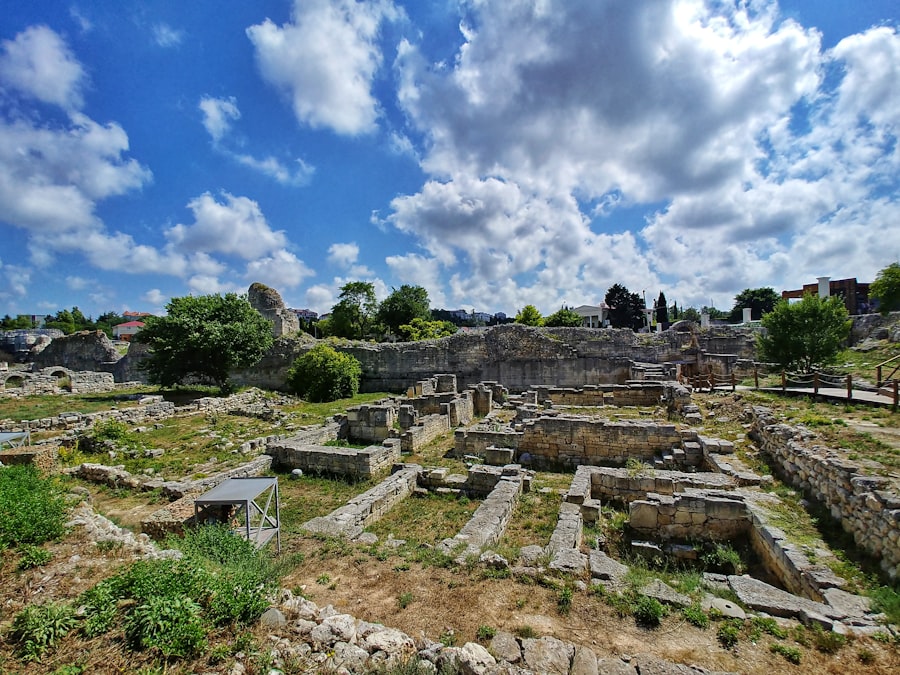
The act of excavation is only the first step. The true wonder lies in the interpretation of the recovered evidence, the process of transforming shattered fragments into coherent narratives of human existence. This is where the archaeologist becomes a storyteller, weaving together the material and contextual information to reconstruct lost worlds.
Reconstructing Architecture and Urban Planning
The physical remains of buildings – foundations, walls, doorways, and floors – provide the blueprints for reconstructing ancient dwellings, public spaces, and defensive structures. By understanding construction techniques, material usage, and architectural styles, archaeologists can recreate the appearance of these settlements. The layout of streets, the proximity of houses to workshops, and the presence of communal areas reveal insights into the urban planning and social organization of the inhabitants.
Understanding Subsistence and Economy
The analysis of organic remains such as animal bones, plant seeds, and pollen provides crucial information about what ancient people ate and how they obtained their food. Evidence of agriculture, animal husbandry, hunting, and fishing paints a picture of their subsistence strategies. The discovery of trade goods, workshops, and manufacturing debris shedding light on their economic activities, their networks of exchange, and their technological capabilities.
Unraveling Social and Religious Life
The nature and distribution of artifacts within a settlement can illuminate social structures and religious beliefs. The presence of distinct dwelling sizes, differences in the quality of grave goods, or the location of workshops can suggest social stratification. The discovery of temples, altars, religious iconography, or burial practices offers profound insights into the spiritual world of the inhabitants, their deities, their rituals, and their understanding of life and death.
The Context is King: Interpreting in Situ
The principle of in situ interpretation cannot be overstated. The location and relationship of an artifact to its surrounding context are as important as the artifact itself. A pot found in a kitchen hearth tells a different story than the same pot discovered in a burial. Understanding the stratigraphic layers and the spatial associations of all discoveries provides the essential framework for accurate interpretation, preventing misinterpretations and ensuring that the past is understood as it was lived.
Challenges and Innovations in the Field
The pursuit of buried settlements is not without its hurdles. Environmental factors, looting, and the sheer scale of some sites present considerable challenges. However, the field of archaeology is constantly evolving, driven by innovation and a commitment to responsible exploration.
The Threat of Looting and the Ethics of Excavation
One of the most significant challenges is the illicit removal of artifacts from archaeological sites. This practice not only robs us of invaluable historical information by destroying context but also perpetuates a black market in cultural heritage. Ethical archaeology prioritizes the preservation of sites and the responsible management of cultural property, often working with local communities to protect their heritage.
Environmental Factors and Site Preservation
Nature itself can be both a preserver and a destroyer. The waterlogged conditions of bogs can preserve organic materials for millennia, while arid deserts can prevent decay. Conversely, erosion, seismic activity, and drastic climate change can obliterate or damage ancient sites. Archaeologists must often work against the clock, racing against natural forces to document and preserve what remains.
The Role of Citizen Science and Public Engagement
Increasingly, citizen scientists are playing a valuable role in archaeology, from reporting potential sites to assisting with data analysis. Public engagement through museums, documentaries, and accessible academic publications is crucial for fostering understanding and appreciation of our shared past, encouraging support for archaeological research and conservation efforts.
Advancements in Digital Archaeology and Virtual Reconstruction
The digital revolution has transformed archaeology. 3D scanning, virtual reality, and augmented reality are allowing for detailed digital reconstructions of sites and artifacts, making them accessible to a global audience. Geographic Information Systems (GIS) are used to map and analyze vast amounts of data, revealing complex patterns and relationships that might otherwise be missed. These digital tools not only aid in research but also offer innovative ways to share the excitement of discovery with the public, making ancient worlds come alive.
Ancient settlements buried beneath layers of earth often hold secrets that can reshape our understanding of history. For instance, the discovery of these hidden sites can provide insights into the cultures that once thrived in those areas. A fascinating exploration of related topics can be found in an article discussing the enigmatic Piri Reis and the mystery surrounding lost maps, which sheds light on how ancient navigators perceived the world. You can read more about this intriguing subject in the article here.
The Legacy of Unearthing: Why It Matters
| Settlement | Location | Age | Excavation Status |
|---|---|---|---|
| Catalhoyuk | Turkey | 7500-5700 BCE | Partially Excavated |
| Pompeii | Italy | 6th century BCE | Fully Excavated |
| Mohenjo-daro | Pakistan | 2500 BCE | Partially Excavated |
The unearthing of ancient buried settlements is more than just an academic exercise. It is a vital endeavor that enriches our understanding of humanity, provides context for our present, and offers timeless lessons for the future. Each recovered artifact, each reconstructed wall, each interpreted social practice contributes to a grander narrative of human resilience, innovation, and adaptation.
Understanding Human Adaptation and Resilience
By studying how past societies coped with environmental challenges, resource scarcity, and social upheaval, we gain invaluable insights into human adaptability. The successes and failures of ancient civilizations offer cautionary tales and inspire innovative solutions for contemporary problems, from sustainable resource management to effective governance.
Fostering Cultural Heritage and Identity
Discoveries of buried settlements connect us to our collective cultural heritage, providing a tangible link to our ancestors. This connection fosters a sense of identity and belonging, underscoring our shared humanity and the rich tapestry of human experiences that have shaped the world we inhabit. Protecting these sites is an act of preserving this heritage for future generations.
Inspiring Future Generations
The thrill of discovery inherent in unearthing ancient settlements has the power to inspire young minds and ignite a passion for history, science, and exploration. By sharing these stories of the past, we encourage critical thinking, curiosity, and a deeper appreciation for the complexities of human civilization, potentially shaping the archaeologists, historians, and problem-solvers of tomorrow.
A Continuous Dialogue with the Past
The work of unearthing buried settlements is never truly finished. The earth continues to hold its secrets, and new discoveries are made every day. This ongoing dialogue with the past allows us to continually refine our understanding of human history, challenging existing paradigms and revealing new perspectives. It is a testament to the enduring fascination with our origins and the profound insights that can be gleaned from the silent whispers of buried civilizations. Each fulfilled excavation is a victory for knowledge, a step closer to understanding the intricate journey of humankind.

The Lost City That Was Never Really Lost
FAQs
What are ancient settlements buried?
Ancient settlements buried refer to historical sites or cities that have been covered or hidden over time by natural processes such as erosion, sedimentation, or volcanic activity.
How are ancient settlements buried?
Ancient settlements can be buried through various natural processes such as sedimentation, erosion, volcanic eruptions, or even human activities such as construction or urban development.
Why are ancient settlements buried significant?
Ancient settlements buried are significant because they provide valuable insights into the history, culture, and daily life of past civilizations. They also offer opportunities for archaeological research and discovery.
What are some famous ancient settlements buried?
Famous ancient settlements buried include Pompeii and Herculaneum in Italy, the lost city of Petra in Jordan, and the ancient city of Mohenjo-Daro in Pakistan.
How are ancient settlements buried discovered and excavated?
Ancient settlements buried are often discovered through archaeological surveys, remote sensing technologies, or accidental findings. Once discovered, they are carefully excavated by archaeologists using specialized tools and techniques to preserve and study the artifacts and structures.