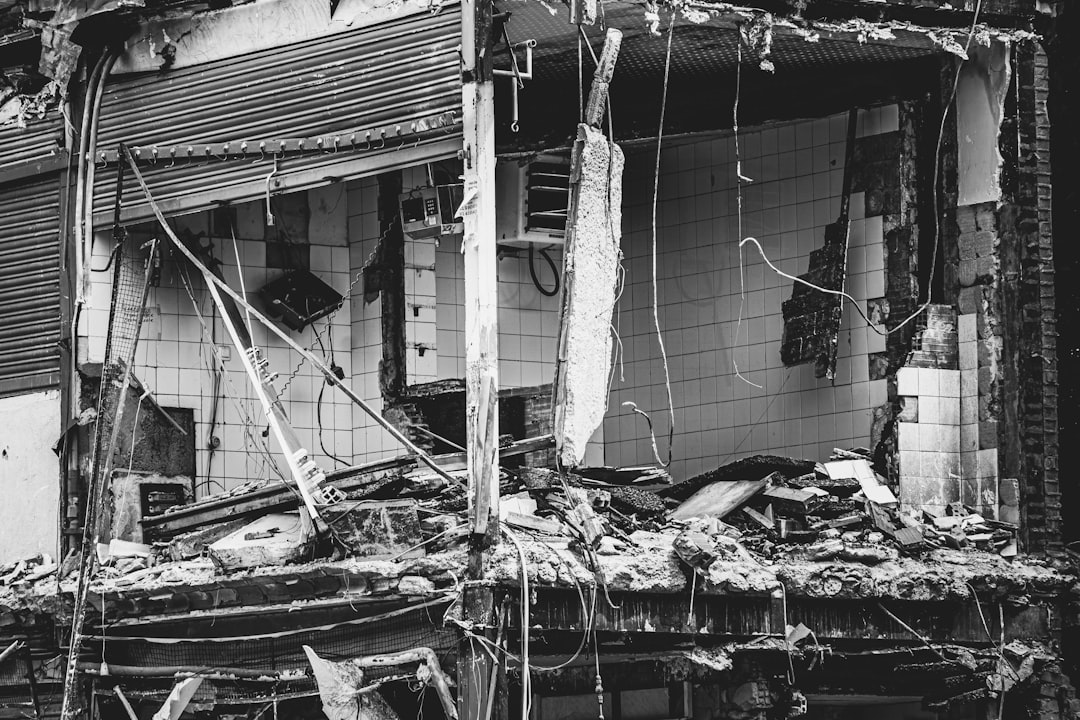
The year 373 BC marks a chilling chapter in ancient history, a year etched into the collective memory by a cataclysmic event that reshaped the landscape and extinguished a vibrant city in a single, terrifying night. The devastating Helike earthquake of 373 BC stands as a stark reminder of nature’s awesome and destructive power, a testament to the vulnerability of even the most established civilizations. This earthquake, along with the subsequent tsunami, not only obliterated the Achaean city of Helike but also had far-reaching consequences, influencing geological understanding and leaving behind a legacy of myth and scientific inquiry that continues to resonate millennia later.
The Golden Age of Helike
Helike, situated on the northern coast of the Peloponnese in Achaea, was a city of considerable importance and prestige in the early 4th century BC. It had experienced a period of remarkable growth and prosperity, establishing itself as a dominant force in the region. Its strategic location, boasting a fine harbor and access to fertile agricultural lands, contributed significantly to its economic strength. Helike was renowned for its magnificent temple dedicated to Apollo, which was a major pilgrimage site and a testament to the city’s religious and cultural influence. The temple was said to house a colossal statue of Apollo, crafted by the legendary sculptor Patrocles, further solidifying Helike’s reputation as a center of artistic and spiritual devotion.
Trade and Influence
The city’s prosperity was further fueled by its vibrant trade networks. Helike was a key player in maritime commerce, its ships plying the waters of the Aegean and beyond, exchanging goods and ideas with other city-states and far-flung settlements. This economic prowess translated into significant political influence, with Helike often playing a crucial role in regional alliances and disputes. Its democratic institutions, while not unparalleled, were considered well-functioning, contributing to a sense of civic pride and stability. The citizens of Helike prided themselves on their city, its achievements, and its enduring legacy. They lived in a city of stone and marble, of bustling marketplaces and grand temples, a city they believed, perhaps, was touched by divine favor.
The Helike earthquake of 373 BC, which led to the submergence of the ancient city of Helike in the Gulf of Corinth, remains a significant event in the study of seismic activity and its impact on human settlements. This catastrophic event is often discussed in the context of how natural disasters can affect property and land ownership. For a contemporary perspective on the implications of government actions on real estate, you can read an insightful article on the topic at Is Real Estate Safe From Government Seizure?.
The Unforeseen Cataclysm
A Night of Terror
The fateful night of 373 BC arrived like any other, the moon casting its silvery light over the sleeping city. But soon, the earth began to tremble. Ancient accounts describe a terrifying and sudden onset of seismic activity, unlike anything the inhabitants had ever experienced. The ground beneath their feet bucked and swayed with ferocious intensity. Buildings, sturdy constructions built to withstand the elements, began to groan and splinter. The sounds of cracking stone and panicked screams filled the air. It was a symphony of destruction, orchestrated by an unseen force of immense power.
The Earth Swallows Helike
As the earthquake raged, the very foundations of Helike began to crumble. The earth opened up in gaping fissures, swallowing entire buildings and sections of the city. The once solid ground turned into a treacherous, shifting landscape. Accounts suggest that parts of the city sank dramatically, disappearing beneath the waves. The accounts of survivors, though few and often fragmented, speak of the earth literally devouring the city. It was not a slow erosion or a gradual decline, but an abrupt and violent obliteration. Imagine the terror of standing on solid ground only to watch it give way beneath you, plunging you into darkness or the churning sea.
The Wrath of the Sea: The Tsunami

A Devastating Companion
The earthquake was not the sole agent of Helike’s destruction. Following the violent tremors, a colossal wave, a tsunami of unprecedented scale, crashed upon the Achaean coast. The receding earth and the violent seismic shocks had displaced a massive volume of water, creating a wall of churning destruction that surged inland with unstoppable force. Ancient Greek historians, including the esteemed Thucydides in his account of the earlier Phlegraean Fields earthquake, and later writers like Strabo and Pausanias, describe the devastating impact of this marine adversary.
Erasing the City from Existence
The tsunami swept through the ruins of Helike, further dismantling what little remained. It inundated the city, carrying away debris, human remains, and any semblance of order. The fertile plains surrounding Helike were submerged, and the once proud city and its surrounding lands were transformed into a watery grave. The sheer force of the wave is difficult to comprehend, capable of not just flooding but completely erasing a city, leaving behind a changed coastline and a submerged testament to its demise. Survivors who managed to escape the initial earthquake and the subsequent inundation would have witnessed a scene of utter desolation, a landscape reshaped by the sea’s vengeful embrace.
The Aftermath and Legacy
A City Lost to the Waves
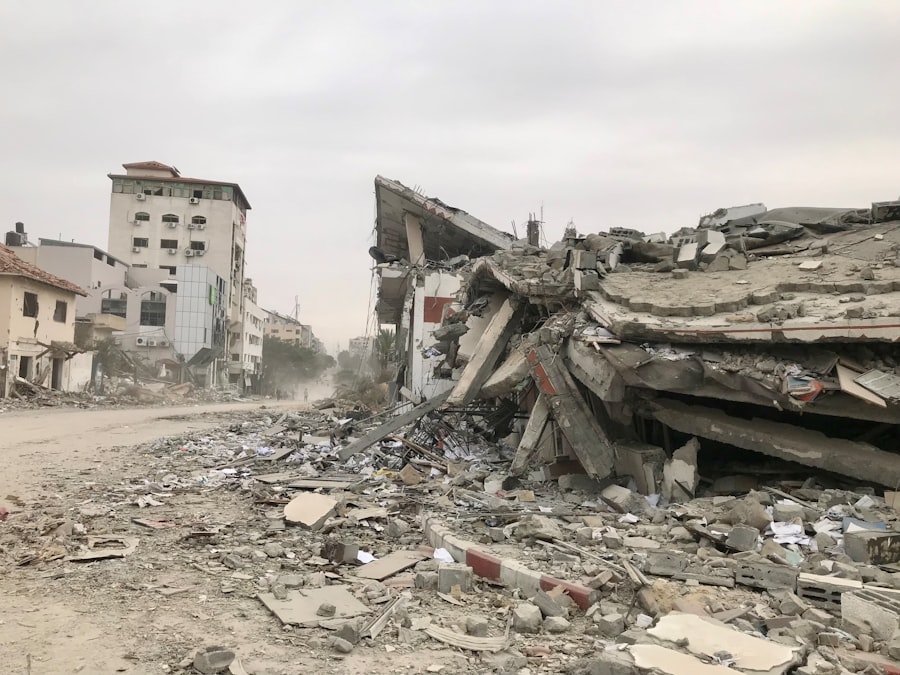
In the immediate aftermath of the earthquake and tsunami, Helike ceased to exist as a living city. Its inhabitants were either killed in the disaster, drowned in the inundation, or forced to flee, leaving behind their homes and their lives. The once-thriving port and religious center was reduced to rubble and submerged ruins. The Achaean League, which Helike had been a prominent member of, lost a vital component of its strength and influence. The economic and political vacuum left by Helike’s destruction would have had ripple effects throughout the region.
Myth and Legend
The sudden and absolute destruction of Helike gave rise to myths and legends that permeated ancient Greek culture. Some believed the earthquake and tsunami were divine punishment for the city’s hubris or some offense against the gods. The idea of divine retribution for human arrogance was a common theme in ancient Greek thought, and the fate of Helike provided a dramatic and terrifying example. These stories served to explain the inexplicable and to reinforce moral and religious beliefs. The memory of Helike became a cautionary tale, a stark reminder of human mortality and the power of the gods.
The Helike earthquake of 373 BC is a significant event in ancient history, often overshadowed by other seismic occurrences. This catastrophic event not only led to the destruction of the city of Helike but also raised questions about the understanding of earthquakes in ancient times. For those interested in exploring how ancient wisdom has been overlooked in modern interpretations of historical events, a related article discusses the broader implications of such erasure. You can read more about this intriguing topic in the article found here.
The Quest for Understanding
| Event | Helike earthquake 373 BC |
|---|---|
| Location | Gulf of Corinth, Greece |
| Magnitude | Estimated 7.5 – 8.5 |
| Impact | Caused the submergence of the city of Helike |
| Consequences | Resulted in significant loss of life and destruction |
| Historical Significance | Considered one of the most notable ancient earthquakes |
Early Geological Observations
Despite the largely mythological explanations prevailing in antiquity, there were early attempts to understand the natural causes of the disaster. Ancient Greek philosophers and naturalists, though limited by the scientific understanding of their time, began to observe patterns and speculate about the earth’s movements. While they didn’t possess the sophisticated seismological tools of today, individuals like Aristotle, in his work “Meteorology,” attempted to categorize and explain earthquakes, attributing them to subterranean disturbances and the movement of air within the earth. The Helike earthquake, given its magnitude and impact, would have undoubtedly fueled such discussions and observations.
The Search for the Lost City
The exact location of submerged Helike became an enduring mystery and a subject of considerable fascination. For centuries, archaeologists and historians debated its whereabouts, poring over ancient texts and geographical descriptions. The ambiguity of ancient geographic accounts, coupled with the dramatic changes to the coastline caused by seismic activity and sediment deposition, made pinpointing the lost city a formidable challenge. The search for Helike represented not just an academic pursuit but a desire to uncover tangible evidence of this ancient tragedy, to bring a lost piece of history back to light.
Modern Rediscovery and Scientific Insight
The late 20th century witnessed a significant breakthrough in the quest for Helike. Through meticulous research and the application of modern technologies, including sonar and underwater archaeological surveys, archaeologists began to zero in on potential sites. The work of archaeologists like Dora Katsonopoulou and Steven Soter in the 1990s and early 2000s proved pivotal. They meticulously matched ancient descriptions with geological evidence, identifying a promising area near the modern town of Rizomylos in Achaea.
Subaquatic Archaeology and Geological Evidence
Underwater excavations and surveys gradually revealed compelling evidence of a submerged ancient settlement. Artifacts, architectural remains, and the distinctive geomorphological features of the area began to piece together the story of Helike’s watery demise. Geophysical surveys helped to map buried structures, while scuba diving and underwater excavation uncovered pottery, coins, and building foundations, all consistent with the period and the city described in ancient texts. The discovery of these buried remnants provided undeniable proof of a significant settlement that had been dramatically submerged.
Reconstructing the Event
The rediscovery of Helike has allowed for a more scientific understanding of the 373 BC earthquake and its associated tsunami. Geological studies of the fault lines in the region, coupled with seismic data from historical accounts and more recent seismic events, have helped geologists to reconstruct the likely magnitude and epicenter of the earthquake. Paleoseismological studies, examining the geological layers for evidence of past earthquakes, have provided further insights into the seismic history of the area. This interdisciplinary approach, combining archaeology, geology, and historical analysis, has transformed our understanding of the Helike event from a mythical catastrophe into a scientifically explainable natural disaster.
Lessons for the Present
The story of Helike is not just a historical footnote; it offers profound lessons for the present day. The catastrophic impact of the earthquake and tsunami serves as a potent reminder of the vulnerability of coastal communities to seismic and tsunamigenic events. The advancements in geological understanding and the methods employed in the rediscovery of Helike highlight the importance of scientific research in mitigating the risks associated with natural disasters. Studying past events like the Helike earthquake helps us to better understand the forces at play, to improve our early warning systems, and to develop more resilient infrastructure. The submerged remains of Helike stand as a silent, powerful monument, urging us to learn from history and to respect the immense power of the natural world. The devastating Helike earthquake of 373 BC, though a tragedy for its time, offers invaluable insights that continue to shape our understanding of Earth’s dynamic processes and our place within its powerful embrace.

The Lost City That Was Never Really Lost
FAQs
What was the Helike earthquake of 373 BC?
The Helike earthquake of 373 BC was a major earthquake that struck the ancient Greek city of Helike, causing widespread destruction and loss of life.
What were the effects of the Helike earthquake?
The earthquake caused the city of Helike to be submerged underwater, leading to its eventual abandonment. It also triggered a tsunami that affected the surrounding coastal areas.
What is the significance of the Helike earthquake in history?
The Helike earthquake is significant in history as it is one of the earliest recorded instances of a major earthquake and its associated tsunami. It also has cultural and mythological significance in ancient Greek history.
How did the Helike earthquake impact ancient Greek society?
The earthquake and its aftermath had a profound impact on ancient Greek society, leading to changes in religious beliefs and practices, as well as influencing the development of seismology and natural disaster awareness.
What lessons can be learned from the Helike earthquake?
The Helike earthquake serves as a reminder of the destructive power of natural disasters and the importance of preparedness, early warning systems, and disaster response planning. It also highlights the need for ongoing research and understanding of seismic activity.