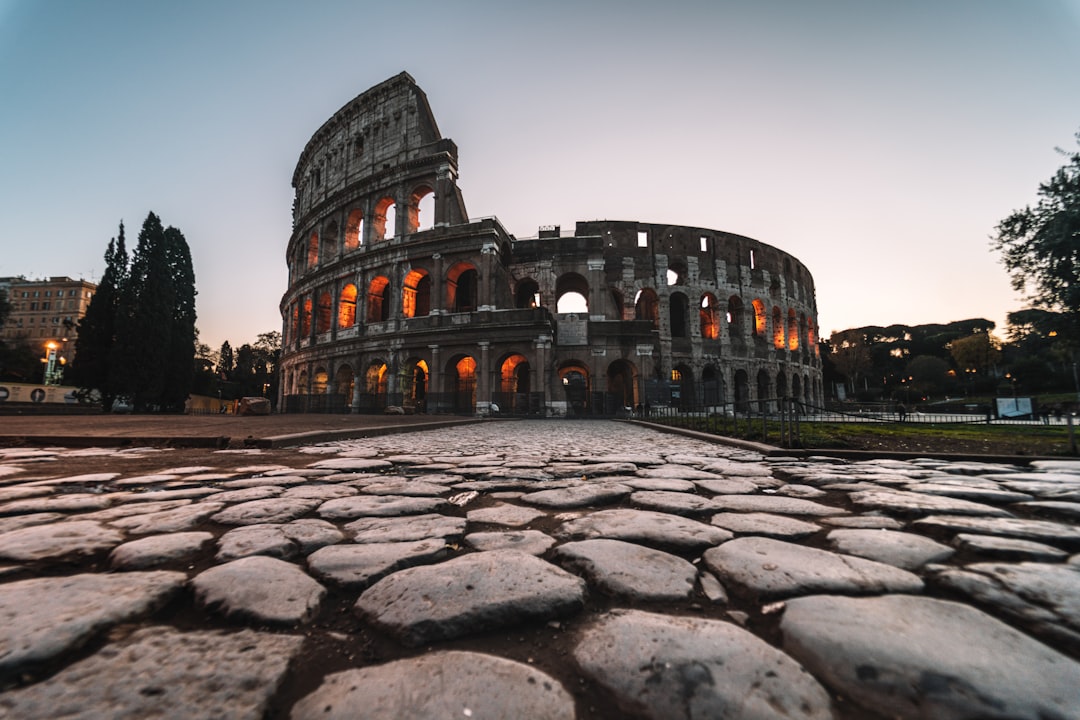
Beneath the seemingly ordinary surface of our world lies a vast and intricate tapestry of history, a silent testament to the lives, struggles, and triumphs of those who came before us. Far from being confined to dusty archives or grand monuments, this history is literally beneath our feet, waiting to be uncovered. Archaeological excavation, the meticulous process of unearthing the past, transforms our understanding of human civilization, revealing forgotten stories and challenging preconceived notions. The earth itself acts as a colossal archive, preserving evidence of our ancestors’ existence in layers of soil, rock, and artifact. From the earliest hunter-gatherer encampments to the remnants of bustling Roman cities, each dig site offers a unique window into a bygone era. This ongoing exploration, driven by curiosity and scientific inquiry, is a continuous process of discovery, constantly reshaping our perception of our collective heritage.
Archaeology is often associated with grand discoveries of priceless artifacts or impressive structures. However, a significant portion of its power lies in its ability to illuminate the mundane, the everyday experiences of ordinary people. These are the stories that often go unrecorded in written histories, yet they provide a crucial foundation for understanding how societies functioned. Beneath the soil, fragments of pottery, discarded tools, and even the remains of meals offer intimate glimpses into the daily routines of ancient populations.
Echoes of the Hearth: Food and Sustenance
The study of archaeological remains relating to food provides a fundamental insight into the survival strategies and cultural practices of past societies. Analysis of animal bones, plant remains, and hearth features can reveal dietary habits, agricultural techniques, and the seasonality of food procurement.
From Hunter-Gatherer Diets to Agricultural Revolution
Evidence from the Paleolithic era often points to a hunter-gatherer lifestyle, with animal bones indicating hunting practices and the consumption of wild game. The discovery of grinding stones and carbonized seeds in later periods signals the crucial transition to agriculture. This shift, a pivotal moment in human history, allowed for more sedentary lifestyles and the development of complex societies. Archaeologists meticulously analyze the types of seeds found, their processing methods, and the presence of domesticated animals to understand the transition from foraging to farming.
The Gastronomic Landscape: Cooking and Consumption
The investigation of ancient cooking vessels, hearths, and food preparation areas offers a direct link to the culinary practices of the past. The shape and material of pottery can indicate how food was cooked, whether it was boiled, roasted, or baked. Residue analysis on pottery fragments can even reveal the specific ingredients used, offering tantalizing clues about ancient flavors and spices. The presence of specific types of waste, such as fish bones or fruit pits, further enriches this understanding, painting a picture of the varied and often localized diets.
Tools of the Trade: Craftsmanship and Innovation
The artifacts unearthed by archaeologists are not merely objects; they are testaments to human ingenuity, skill, and the constant drive for improvement and efficiency. The tools and implements discovered reveal the technologies available to past societies, their understanding of materials, and their methods of production.
The Art of Stone: Lithic Technology
For millennia, stone was the primary material for toolmaking. The analysis of lithic artifacts, such as handaxes, scrapers, and arrowheads, allows archaeologists to reconstruct early technologies and understand tool production sequences. The types of stone used, the techniques of knapping and retouching, and the wear patterns on the tools all provide crucial data for understanding prehistoric toolkits and their specific functions.
Metalworking: Forging a New Era
The advent of metalworking, particularly the Bronze Age and Iron Age, marked a significant technological leap. The discovery of furnaces, molds, crucibles, and metal artifacts themselves allows archaeologists to study the development of metallurgy, the extraction of ores, and the casting and shaping of metals into implements, weapons, and ornaments. This knowledge sheds light on the economic and social implications of metal production and trade.
Personal Touches: Adornment and Identity
Beyond the utilitarian, artifacts often reveal a more personal side of human existence: the desire for adornment, self-expression, and the marking of identity. Jewelry, beads, and decorative elements speak to cultural aesthetics, social status, and individual preferences.
Beads and Baubles: Status and Symbolism
The discovery of beads made from shell, bone, stone, or precious metals, often found in burial contexts, offers insights into personal adornment and potentially social stratification. The materials used, the craftsmanship involved, and the patterns of distribution can indicate wealth, prestige, and the symbolic meaning attached to these items within a society.
Carvings and Cosmetics: The Face of the Past
Finer decorative elements, such as carved figurines, amulets, and even fragments of cosmetic palettes, provide glimpses into the spiritual beliefs, artistic sensibilities, and personal grooming practices of past peoples. These often small but significant finds can reveal a society’s worldview and its understanding of beauty and the divine.
In exploring the fascinating topic of the historical significance of our planet’s resources, a related article titled “China’s Lunar Resource Extraction Strategy” delves into the implications of extraterrestrial mining and its potential impact on Earth’s resource management. This article provides insight into how advancements in space exploration and resource extraction could reshape our understanding of history beneath our feet. For more information, you can read the article here: China’s Lunar Resource Extraction Strategy.
Lost Cities and Forgotten Realms: Uncovering Major Settlements
Beyond the individual dwelling or the small encampment, archaeology is instrumental in revealing the scale and complexity of ancient settlements, from humble villages to sprawling metropolises. These sites offer a broader perspective on urban planning, social organization, and the rise and fall of civilizations.
The Blueprint of Civilization: Urban Planning and Architecture
The excavation of ancient cities provides invaluable data on how societies organized themselves spatially. Understanding the layout of streets, public spaces, and residential areas, along with the construction techniques employed, reveals the principles of urban planning and the priorities of ancient architects and engineers.
Streets and Squares: The Flow of Life
The systematic mapping of ancient street networks and public plazas helps archaeologists understand the circulation patterns within a city, the movement of people and goods, and the designated areas for social interaction, commerce, and governance. The remnants of market stalls or public assembly areas provide tangible evidence of collective life.
Homes and Houses: The Fabric of Community
The excavation of residential structures, from simple huts to elaborate dwellings, reveals the domestic lives of inhabitants. The size and layout of rooms, the presence of courtyards, and the nature of construction materials offer insights into family structures, social hierarchies, and the division of labor within a household. The discovery of hearths, storage areas, and furniture remnants brings these domestic spaces to life.
Monuments to Power: Public Structures and Infrastructure
The grand public buildings and sophisticated infrastructure of ancient civilizations are often the most striking remnants of their past achievements. Temples, forums, aqueducts, and defensive walls not only represent technological prowess but also reveal the political, religious, and economic forces that shaped these societies.
Temples and Shrines: Divine Connection
The archaeological investigation of religious structures provides crucial insights into the spiritual beliefs and practices of ancient peoples. The layout of temples, the iconography of deities represented, and the presence of votive offerings all contribute to our understanding of their cosmology and their relationship with the divine.
Aqueducts and Roads: The Arteries of Empire
The engineering marvels of aqueducts, bridges, and road networks demonstrate the advanced organizational capabilities and technological sophistication of ancient civilizations. These infrastructure projects facilitated trade, communication, and the administration of large territories, playing a vital role in the rise and maintenance of empires.
Echoes of Conflict: Warfare and Defense

The presence of fortifications, weapons, and evidence of battlefield activity are stark reminders of the conflicts that have shaped human history. Archaeology provides a tangible, often visceral, understanding of warfare, its methods, and its impact on societies.
Walls and Ramparts: The First Lines of Defense
The discovery and excavation of defensive structures, such as city walls, fortifications, and watchtowers, are direct indicators of past threats and the need for protection. Studying the construction techniques, materials, and strategic placement of these defenses provides insights into the nature of ancient warfare and the vulnerabilities of settlements.
Siege Warfare: The Art of Assault
Evidence of siege warfare, such as battering ram marks, projectile points found embedded in walls, or the remains of siege engines, offers direct evidence of the tactics and technologies employed in attempts to breach defenses. The analysis of these finds helps reconstruct the dynamics of ancient sieges.
Battlefield Archaeology: The Evidence of Clashes
The specialized field of battlefield archaeology focuses on identifying and excavating sites where significant battles took place. The discovery of large quantities of weaponry, armor fragments, human remains, and evidence of mass graves can provide a grim but invaluable record of the human cost of conflict.
Weapons of the Past: Tools of Destruction
The study of ancient weaponry is fundamental to understanding military technology and tactics. From the earliest stone projectile points to sophisticated bronze and iron swords and armor, these artifacts reveal the evolution of offensive and defensive capabilities.
The Evolution of Arms: From Spear to Sword
The typological and chronological analysis of weapons, such as spears, bows, arrows, slings, and later swords, axes, and shields, allows archaeologists to trace the development of military technology. The materials used, the design innovations, and the effectiveness of these weapons offer insights into the changing nature of warfare.
Fortifications and Tactics: Strategy in Stone and Steel
The relationship between fortifications and weaponry is crucial. Examining how defensive structures were designed to withstand specific types of attacks and how weaponry evolved to overcome those defenses provides a comprehensive understanding of ancient military strategy.
Beyond the Battlefield: Unearthing Human Remains

The study of human skeletal remains is a cornerstone of archaeological research, providing unparalleled insights into the health, diet, demographics, and even the cause of death of past populations. These silent witnesses offer a deeply personal connection to those who walked the earth before us.
The Living Past: Health and Disease
Analysis of skeletal remains can reveal a wealth of information about the health and well-being of past populations. The presence of healed fractures, signs of malnutrition, evidence of infectious diseases, and dental pathologies can paint a vivid picture of the challenges faced by individuals and communities.
Evidence of Trauma: The Scars of Life
Skeletal analysis can reveal evidence of trauma, both from accidents and from violent encounters. Healed fractures provide evidence of survival, while unhealed trauma can indicate the cause of death. This data is crucial for understanding the prevalence of violence, the risks associated with daily activities, and the efficacy of medical practices.
Paleopathology: Unraveling Ancient Illnesses
The study of paleopathology, the examination of disease in ancient human remains, allows archaeologists to identify and understand the prevalence of various diseases throughout history. Evidence of tuberculosis, arthritis, leprosy, and other conditions can shed light on public health, sanitation, and the impact of environmental factors on disease transmission.
The Cradle and the Grave: Demographics and Life Expectancy
Skeletal analysis, particularly in well-preserved burial sites, can provide valuable demographic data, including the age and sex distribution of a population. This information helps reconstruct life expectancy, infant mortality rates, and the overall health of communities.
Age at Death: A Measure of Longevity
By examining the fusion of bones, wear on teeth, and other developmental indicators, archaeologists can estimate the age at death of individuals. This allows for the reconstruction of population pyramids and an understanding of how long people typically lived in different environments and societies.
Sex Determination: Understanding Societal Roles
Skeletal markers, such as pelvic bone structure and cranial features, allow for the determination of the sex of individuals. This, combined with burial context and associated grave goods, can offer insights into gender roles, social status, and the division of labor within a society.
In exploring the intricate narratives of ancient civilizations, one cannot overlook the significant events that shaped their rise and fall. A fascinating aspect of this history is the Bronze Age Collapse, a period marked by widespread societal upheaval and transformation. For a deeper understanding of the factors that contributed to this dramatic shift, you can read more in the article about the mysterious causes of the Bronze Age Collapse. This piece delves into the various elements that intertwined to bring about such a monumental change in human history, revealing how interconnected our past truly is. To learn more, visit the mysterious causes of the Bronze Age Collapse.
The Earth as a Record: Archaeological Methods and Techniques
| Location | Artifact | Age |
|---|---|---|
| Rome, Italy | Colosseum | 1st century AD |
| Cairo, Egypt | Pyramids of Giza | 26th century BC |
| Athens, Greece | Parthenon | 5th century BC |
The process of uncovering history beneath our feet is a rigorous and scientifically driven endeavor. A diverse array of methods and techniques, from meticulous excavation to cutting-edge scientific analysis, are employed to extract meaningful information from the archaeological record.
The Art of the Dig: Excavation and Documentation
Archaeological excavation is a highly structured and systematic process designed to carefully unearth and record buried remains. The goal is not simply to dig, but to preserve the context of artifacts and features, as this context is crucial for interpretation.
Stratigraphy: Reading the Layers of Time
Stratigraphy, the study of the layers of soil and sediment, is a fundamental principle in archaeology. Each layer represents a distinct period of time, and the order in which they are found indicates their relative age. Artifacts found within a particular layer are generally considered to belong to that same period.
Context is King: Recording Every Detail
Meticulous recording is paramount in archaeological excavation. Every artifact, feature (such as a wall or hearth), and soil change is documented through detailed notes, drawings, photographs, and precise measurements. This three-dimensional recording ensures that the spatial relationships between objects are preserved.
Beyond the Trowel: Scientific Analysis
Modern archaeology benefits immensely from the application of scientific techniques, which can reveal information far beyond what is visible to the naked eye. These methods allow for precise dating, detailed material analysis, and the reconstruction of past environments.
Radiocarbon Dating: Peering into Deep Time
Radiocarbon dating, or carbon-14 dating, is a crucial method for determining the age of organic materials. By measuring the decay of radioactive carbon-14 isotopes, archaeologists can establish a timeframe for sites and artifacts dating back tens of thousands of years.
Material Analysis: The Science of Stuff
Sophisticated analytical techniques, such as X-ray fluorescence (XRF), mass spectrometry, and petrography, are used to determine the elemental composition, origin, and manufacturing processes of artifacts. This can reveal trade routes, technological capabilities, and environmental influences.
Environmental Reconstruction: Understanding Past Worlds
Paleobotanical and paleozoological studies, which analyze ancient plant and animal remains, help reconstruct past environments, climates, and ecosystems. This context is essential for understanding human adaptation, resource availability, and the broader landscape in which past societies existed.
In conclusion, the earth beneath our feet is a profound reservoir of human history. Through the diligent and scientific efforts of archaeologists, we are continually peeling back the layers of time, uncovering stories of everyday lives, grand civilizations, past conflicts, and the very essence of what it means to be human. Each artifact, each excavated layer, is a fragment of a larger narrative, a testament to the enduring legacy of those who have shaped our world. The ongoing quest to uncover history beneath our feet is not merely an academic pursuit; it is a vital endeavor that connects us to our past, enriches our present, and informs our future.

The Lost City That Was Never Really Lost
FAQs
What is the significance of history beneath our feet?
The significance of history beneath our feet lies in the fact that archaeological discoveries and artifacts found underground provide valuable insights into the past, helping us understand ancient civilizations, cultures, and societies.
What are some common archaeological finds beneath our feet?
Common archaeological finds beneath our feet include pottery, tools, weapons, coins, jewelry, and even human remains. These artifacts provide clues about the daily lives, customs, and technologies of past societies.
How do archaeologists uncover history beneath our feet?
Archaeologists use a variety of methods to uncover history beneath our feet, including excavation, ground-penetrating radar, aerial surveys, and geophysical techniques. These methods help locate and uncover buried artifacts and structures without causing damage to the historical site.
Why is it important to preserve and protect history beneath our feet?
It is important to preserve and protect history beneath our feet because these archaeological sites and artifacts are irreplaceable and provide valuable information about our collective human heritage. Preservation ensures that future generations can continue to learn from and appreciate these historical treasures.
What can we learn from history beneath our feet?
We can learn a great deal from history beneath our feet, including information about ancient trade routes, social structures, religious practices, technological advancements, and the impact of environmental changes on past civilizations. These discoveries contribute to our understanding of human history and cultural development.