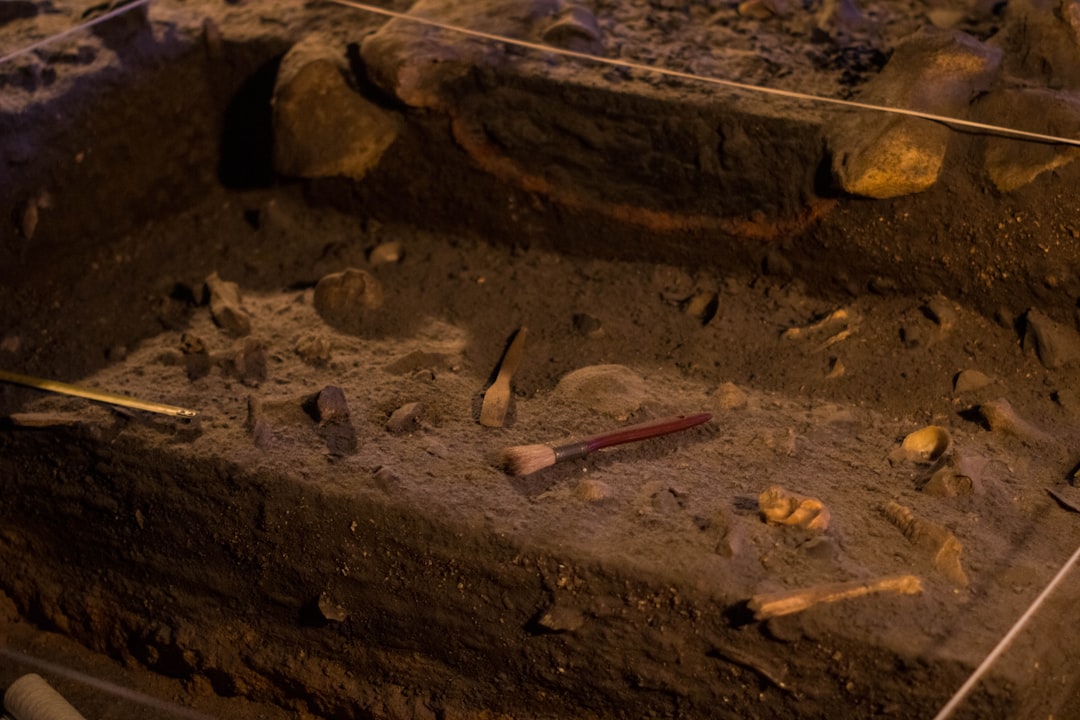
The earth beneath the waters of the Gulf of Corinth has long held secrets, whispered tales of ancient grandeur swallowed by the sea. For centuries, the legend of Helike, a once-resplendent city of the Peloponnese, persisted as little more than a myth, a cautionary tale passed down through generations. Yet, through a confluence of persistent belief, cutting-edge technology, and dedicated scientific endeavor, the lost city has begun to yield its treasures, revealing a breathtaking chapter of Hellenic history previously confined to the realm of imagination. This is the story of the archaeological discovery of Helike, a journey from legend to tangible reality.
The Ancient Texts and the Allure of the Lost
The earliest and most significant accounts of Helike emerge from the writings of ancient historians and geographers. Strabo, the renowned Greek geographer, described Helike as one of the twelve cities of the Achaean League, a prominent and powerful city-state in its time. He painted a picture of a thriving metropolis, a significant port, and a religious center of importance, particularly for its worship of Zeus. Pausanias, the 2nd-century Greek traveler, also referred to Helike, though his descriptions were primarily retrospective, hinting at its past glory and its tragic demise.
The Cataclysm: A City Engulfed
The most compelling aspect of Helike’s legend is its dramatic and sudden disappearance. According to ancient chronicles, around 373 BCE, Helike, along with its sister city of Dyme, was destroyed by a catastrophic earthquake followed by a devastating tsunami. The sea, angered by the Helikans’ supposed arrogance and disrespect towards the gods, rose up and consumed the city, leaving nothing but watery graves. This narrative served not only as a historical account but also as a moralizing fable, a stark reminder of the ephemeral nature of human civilization in the face of divine power.
The Search Beyond the Myth
For centuries, these accounts remained largely uncorroborated by concrete archaeological evidence. The sheer scale of the disaster described, coupled with the passage of millennia and the natural shifts of the landscape, made the prospect of finding Helike seem remote. However, the persistence of the legend, coupled with the known geological activity of the region, continued to fuel speculation. Coastal erosion and seismic shifts in the Gulf of Corinth have historically been significant, providing a plausible, though unproven, backdrop for the city’s submersion. Scholars and local inhabitants alike harbored a quiet hope that one day, the sea might relinquish its secrets.
The recent archaeological discovery of Helike, an ancient Greek city submerged by an earthquake, has sparked significant interest in the study of ancient civilizations and their vulnerabilities to natural disasters. This discovery parallels discussions in modern contexts, such as the shifting landscape of global manufacturing. For instance, an article discussing how Mexico is replacing China as a manufacturing hub highlights the dynamic changes in economic centers and the impact of environmental factors on industry. To explore this topic further, you can read the article here: Mexico Replacing China as Manufacturing Hub.
The Dawn of a New Era: Technological Advancements and Early Investigations
Laying the Groundwork: Geological and Geophysical Surveys
The modern quest to find Helike truly began to gain momentum in the latter half of the 20th century, fueled by advancements in geological and geophysical surveying techniques. The Gulf of Corinth is a seismically active region, and understanding its geological history became crucial. Researchers began conducting extensive surveys of the seabed, employing technologies like side-scan sonar and seismic profiling. These methods allowed them to map the underwater topography with unprecedented detail, searching for anomalies that might suggest the presence of man-made structures.
Sediment Analysis and Its Tell-Tale Signs
A critical component of these early investigations involved the analysis of sediment cores. By drilling into the seabed, scientists could extract layers of sediment, each representing a distinct period in time. The composition of these layers could reveal significant environmental changes, such as sudden inundations by saltwater or the deposition of debris from a major seismic event. The presence of specific layers, like those indicating a tsunami deposit, coupled with the identification of unusual concentrations of anthropogenic materials, began to point towards promising locations.
The Persistent Vision: The Role of Dr. Dora Katsonopoulou
A pivotal figure in the pursuit of Helike has been Dr. Dora Katsonopoulou, a distinguished archaeologist who, along with her colleagues, championed the belief in the city’s physical existence. For decades, Dr. Katsonopoulou meticulously studied ancient texts, cross-referencing geographical descriptions with geological data. Her unwavering dedication and meticulous research provided a crucial intellectual framework for the burgeoning archaeological efforts. She, more than any other individual, kept the flame of Helike’s discovery alive.
Early Subaquatic Explorations and Their Challenges
Initial underwater explorations, while often limited by the technology of their time, provided tantalizing glimpses of potential evidence. Divers and marine archaeologists would conduct visual surveys of promising areas, and though they might find isolated artifacts or unusual formations, pinpointing a complete city remained an elusive goal. The depth of the water, the challenging currents of the Gulf, and the sheer effort required to sift through potentially vast areas of seabed presented formidable obstacles.
The Breakthrough: Unearthing the First Tangible Clues
Sonar’s Revelation: Mapping the Submerged Cityscape
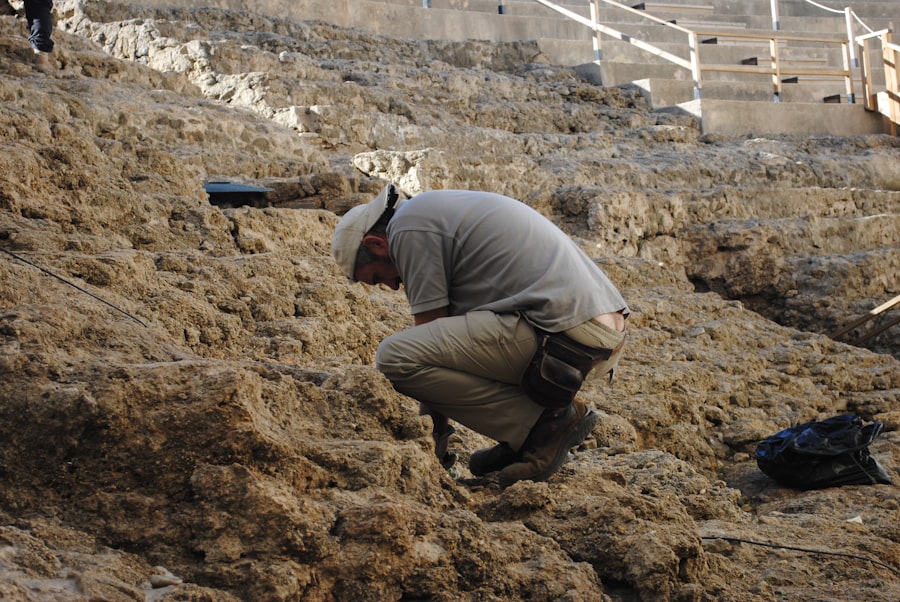
The turning point in the search for Helike arrived with the sophisticated application of multibeam sonar technology. This advanced acoustic imaging system allowed researchers to create highly detailed three-dimensional maps of the seabed. In the early 2000s, surveys in the shallow waters near the modern village of Eliki (which shares its name with the ancient Helike) began to reveal anomalies that were distinctly artificial. Straight lines, right angles, and geometric patterns emerged from the seafloor data, strongly suggesting the remnants of man-made structures.
Identifying Potential Architectural Features
The sonar data revealed outlines that corresponded to what could be walls, foundations, and even roads. These patterns were not random geological formations but exhibited the tell-tale regularity of urban planning. The sheer scale of some of these features hinted at a substantial settlement, consistent with the descriptions of Helike in ancient texts as a major city. The location of these findings, submerged beneath several meters of water and sediment, perfectly aligned with the catastrophic event described by ancient writers.
Ceramic Shards and the Chronological Link
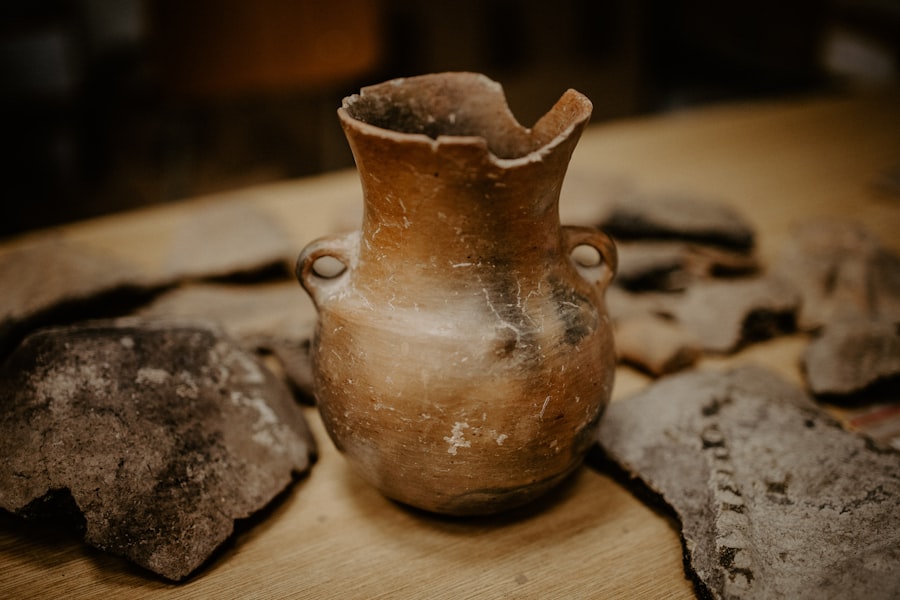
Accompanying the sonar discoveries were targeted underwater excavations. These meticulous efforts yielded the first tangible proof of Helike’s existence in the form of ceramic shards. The style and composition of these pottery fragments allowed archaeologists to date them with a high degree of accuracy. The findings consistently pointed to the Classical and Hellenistic periods, precisely the era in which Helike was said to have flourished and subsequently vanished.
The Significance of Amphorae and Everyday Ware
Among the recovered artifacts were fragments of amphorae, used for storing wine and olive oil, and pieces of everyday pottery. The presence of these common items, found in such concentrations and in association with the suspected architectural remains, provided a powerful indication of human habitation. The sheer volume of ceramic material also suggested a populated area, not merely an isolated find.
The Foundation of a Temple: A Religious Hub Revealed
Perhaps one of the most significant initial discoveries was the identification of what appears to be the foundation of a large public building. The dimensions and construction techniques of this structure strongly suggest it was a temple, consistent with ancient accounts of Helike being a significant religious center dedicated to Zeus. The deliberate placement and scale of this potential temple served as a powerful anchor, linking the underwater findings to the historical narratives.
The Ongoing Excavation: Piecing Together the Past
Advanced Underwater Archaeology Techniques
The excavation of Helike is a testament to the ingenuity and dedication of modern underwater archaeologists. The work is fraught with challenges, requiring specialized equipment and highly trained personnel. Divers use remotely operated vehicles (ROVs) equipped with cameras and manipulators to explore and document the site, minimizing disturbance. Careful excavation techniques are employed to carefully remove sediment and reveal structures and artifacts without causing damage.
The Importance of Meticulous Recording and Documentation
Every step of the excavation process is meticulously documented. High-resolution photography, 3D photogrammetry, and detailed site plans are created to preserve a comprehensive record of the discoveries. This detailed documentation is crucial for reconstructing the city’s layout, understanding its architecture, and interpreting the context of the artifacts found.
Uncovering Domestic Life and Public Spaces
Beyond the grand public structures, ongoing excavations are revealing details of Helike’s domestic life and public spaces. The discovery of what appear to be house foundations, courtyards, and even sections of paved streets allows archaeologists to visualize the everyday lives of its inhabitants. The distribution of artifacts within these spaces offers insights into their activities, their social structures, and their economic practices.
Tracing the City’s Layout and Urban Planning
The careful mapping and excavation of Helike’s remains are enabling archaeologists to trace the city’s original layout and understand its urban planning. The identification of interconnected structures, pathways, and public squares is gradually piecing together a coherent picture of how the city was organized. This allows for comparisons with other ancient Greek cities and offers insights into the unique characteristics of Helike’s design.
Artifacts: Windows into Helikean Society
The vast array of artifacts recovered from Helike provides invaluable insights into the society that once thrived there. From everyday tools and domestic implements to decorative objects and personal adornments, each item tells a story. The presence of imported goods, such as fine pottery or decorative stones, indicates Helike’s participation in wider trade networks and its economic prosperity.
The Study of Coins and Their Economic Implications
The discovery of coins is particularly significant for understanding Helike’s economic history and its political affiliations. The inscriptions and imagery on these coins can identify specific rulers or governing bodies and provide clues about the city’s trade relations and its monetary policies. The chronological range of unearthed coins helps anchor the timeline of the city’s occupation.
The recent archaeological discovery of Helike, an ancient Greek city submerged by a catastrophic earthquake, has sparked interest in how such events shape human history and settlement patterns. Researchers are now drawing parallels between this ancient tragedy and modern challenges faced by communities in disaster-prone areas. For instance, an insightful article discusses the importance of maximizing resources through ISRU technology, which could be crucial for future settlements in vulnerable regions. To learn more about innovative strategies for resource management, you can read the article here.
The Significance of Helike’s Rediscovery
| Discovery Date | Location | Significance |
|---|---|---|
| 2001 | Greece | One of the most significant archaeological discoveries of the 21st century, providing valuable insights into ancient Greek civilization. |
Reinterpreting Ancient History and Mythology
The discovery of Helike is not merely the finding of a lost city; it is a profound reinterpretation of ancient history and mythology. It provides concrete, empirical evidence for events that were previously confined to legend. The confirmation of the catastrophic earthquake and tsunami validates the accounts of ancient historians, lending them greater credibility and offering a new lens through which to view their writings. This discovery bridges the gap between myth and reality, demonstrating how historical events can be preserved in the collective memory, even when the physical evidence appears lost.
The Dialogue Between Text and Archaeology
Helike’s rediscovery exemplifies the powerful synergy between textual evidence and archaeological findings. The persistent study of ancient texts provided the initial clues and the enduring narrative, while modern archaeological techniques and painstaking excavation have brought these narratives to life. This ongoing dialogue between written records and material remains allows for a more nuanced and comprehensive understanding of the past, enriching our knowledge of the ancient world.
Understanding Ancient Greek Urbanism and Resilience
Helike’s remains offer a unique opportunity to study ancient Greek urbanism in a coastal setting. The city’s layout, its defensive structures (if any are found), and its relationship to the sea can provide new insights into how ancient Greek cities were planned and how they adapted to their environment. The nature of the disaster and the subsequent recovery of artifacts also speak to the resilience of human settlements in the face of catastrophic events.
Coastal Adaptation and Disaster Preparedness in Antiquity
The study of Helike’s submersion and the potential evidence of its infrastructure might shed light on how ancient communities understood and potentially prepared for natural disasters. While the legend speaks of divine wrath, the reality of seismic activity demands a historical examination of human responses, building practices, and societal awareness.
A Window into Social and Economic Life
The unearthed artifacts and the layout of the city provide a direct window into the social and economic life of Helike. The quality and distribution of goods, the types of structures, and the presence of public spaces all contribute to a richer understanding of daily life, social hierarchy, and economic activity in the ancient Peloponnese. It allows scholars to move beyond abstract descriptions and visualize the tangible realities of this lost civilization.
The Future of Helike and its Legacy
The excavation of Helike is an ongoing project, with much still to be uncovered and understood. The future promises further revelations as archaeologists continue to explore the submerged cityscape. The discoveries at Helike have already profoundly impacted our understanding of ancient Greek history, but its true legacy will be the continued collaboration between scholars, the application of cutting-edge technology, and the unwavering pursuit of knowledge, ensuring that this lost city, once swallowed by the sea, will forever remain a vibrant part of our collective past. The story of Helike serves as a powerful reminder that beneath the seemingly stable surface of the present, the echoes of history lie waiting to be rediscovered, offering invaluable lessons and unimaginable wonders.

The Lost City That Was Never Really Lost
FAQs
What is the Helike archaeological discovery?
The Helike archaeological discovery refers to the excavation and study of the ancient Greek city of Helike, which was submerged by a tsunami in 373 BC. The discovery has provided valuable insights into ancient Greek history and culture.
When was the Helike archaeological discovery made?
The Helike archaeological discovery was made in 2001, when a team of archaeologists located the ancient city of Helike near the town of Aigion in Greece. The discovery was the result of extensive research and exploration in the area.
What have archaeologists learned from the Helike discovery?
Archaeologists have learned a great deal from the Helike discovery, including the layout and architecture of the ancient city, as well as details about its destruction by the tsunami. The discovery has also shed light on ancient Greek religious practices and daily life.
Why is the Helike discovery significant?
The Helike discovery is significant because it has provided a rare opportunity to study an ancient Greek city that was preserved in remarkable condition due to its submersion in water. The discovery has also contributed to our understanding of ancient Greek history and the impact of natural disasters on ancient civilizations.
What are the ongoing research and implications of the Helike discovery?
Ongoing research related to the Helike discovery includes further exploration of the submerged city and the study of artifacts recovered from the site. The discovery has implications for our understanding of ancient urban planning, architecture, and the effects of natural disasters on ancient societies.