The allure of the lost is potent, a siren song that draws explorers, archaeologists, and curious minds alike to the edges of the known world. Beneath the shifting sands, within the overgrown jungles, and even beneath the modern cities we inhabit, lie echoes of civilizations that once thrived, their stories now whispers on the wind. The narrative of human history is not a neatly bound volume; it is a palimpsest, with later cultures often writing over, or completely obscuring, the vibrant tapestries of those who came before. Uncovering these hidden ancient civilizations is a journey into the untold stories, a chance to rewrite our understanding of humanity’s past and to marvel at the ingenuity and complexity of societies long faded into obscurity. This pursuit forces us to confront our assumptions about progress and to recognize that sophisticated cultures existed and flourished in ways we are only beginning to comprehend.
The discovery of a lost city is often a watershed moment in archaeology. These are not merely scattered ruins; they represent entire centers of human life, complete with infrastructure, social organization, and a unique cultural identity. The process of uncovering these silent cities is a painstaking one, often involving a combination of historical research, satellite imagery, and arduous fieldwork. The stories they hold are not just about impressive architecture, but about the daily lives, beliefs, and societal structures of the people who walked their streets centuries or millennia ago.
From Myth to Monument: The Case of Machu Picchu
For centuries, Machu Picchu was little more than a legend, a fabled “Inca city” spoken of in hushed tones. Its existence was confirmed in 1911 by Hiram Bingham, an American historian and explorer, who was guided by local inhabitants. Bingham’s expedition, a dramatic undertaking involving treacherous terrain and challenging conditions, brought the astonishing Inca citadel to the world’s attention.
The Ingenuity of Inca Engineering
The sheer engineering prowess displayed at Machu Picchu continues to astound. The Incas, without the use of iron tools or the wheel, constructed intricate stone structures that have withstood earthquakes and the ravages of time. Their terracing system, designed to maximize arable land on steep Andean slopes, is a testament to their understanding of agriculture and hydraulic engineering. The precise fitting of massive stones, seamlessly interlocking without mortar, speaks to a level of craftsmanship that remains unparalleled in many respects.
A City of Ritual and Residence
While its exact purpose remains a subject of debate, Machu Picchu served as a royal estate or a sacred religious site for Inca rulers. Evidence suggests it was inhabited year-round by a select population, including priests, artisans, and servants. The astronomical alignments of certain structures, such as the Intihuatana stone, indicate a deep understanding of celestial movements and their importance in Inca cosmology and agricultural cycles. The discovery and ongoing study of Machu Picchu have not only revealed the grandeur of the Inca Empire but also provided invaluable insights into their spiritual beliefs and daily practices.
Angkor Wat: A Khmer Empire’s Heartbeat
The sprawling temple complex of Angkor Wat, located in Cambodia, stands as the largest religious monument in the world. Once the vibrant heart of the Khmer Empire, it was gradually reclaimed by the jungle, its grandeur hidden from the outside world for centuries.
The Rise and Fall of a Mighty Empire
The Khmer Empire dominated mainland Southeast Asia from the 9th to the 15th centuries, and Angkor Wat, built in the early 12th century by King Suryavarman II, is its most enduring legacy. The empire’s prosperity was built on sophisticated irrigation systems and a powerful military, allowing it to control vast territories and engage in extensive trade. The eventual decline of the Khmer Empire is attributed to a complex interplay of factors, including environmental degradation, internal strife, and invasions.
Architectural Marvels and Spiritual Symbolism
Angkor Wat is a microcosm of Khmer cosmology, with its central temple representing Mount Meru, the mythical abode of the gods. The intricate bas-reliefs that adorn its walls depict scenes from Hindu epics, historical battles, and the daily life of the empire. The sheer scale of the construction, involving millions of sandstone blocks and countless hours of labor, is a testament to the immense power and resources of the Khmer rulers. The rediscovery and ongoing preservation of Angkor Wat are crucial for understanding not only the Khmer Empire but also the broader cultural and religious landscape of ancient Southeast Asia.
Exploring the mysteries of hidden ancient civilizations often leads to fascinating discoveries that challenge our understanding of history. For instance, recent advancements in technology have allowed researchers to uncover previously unknown structures beneath the earth’s surface, shedding light on the lives of those who came before us. A related article discusses NASA’s plans to control water ice on the moon, which could have implications for future exploration and the search for extraterrestrial life. You can read more about this intriguing topic in the article found here: NASA to Control Moon’s Water Ice.
Submerged Civilizations: Echoes from Beneath the Waves
The oceans, vast and mysterious, hold within their depths the remnants of civilizations that once flourished on now-submerged lands. These underwater cities offer a unique glimpse into the past, preserved by the sea’s embrace while simultaneously presenting immense challenges for exploration and excavation. Climate change and rising sea levels have played a significant role in submerging coastal settlements, transforming bustling metropolises into silent underwater archaeological sites.
The Sunken City of Heracleion: A Gateway to Ancient Egypt
The discovery of Heracleion, an ancient Egyptian port city that vanished beneath the Mediterranean Sea around the 8th century CE, has revolutionized our understanding of Egypt’s Thonis-Heracleion complex. For centuries, it was believed to be a mere myth, a legendary gateway to the pharaohs’ realm.
Rediscovery Through Modern Technology
The first significant discoveries were made in 2000 by French underwater archaeologist Franck Goddio and his team, utilizing advanced sonar and remote sensing technologies. They located the submerged ruins of the city, revealing a remarkably preserved urban landscape, including temples, palaces, and a vast cemetery. The water acted as a time capsule, protecting artifacts from decay and looting.
A Hub of Trade and Religious Significance
Heracleion was a vital port connecting Egypt to the wider Mediterranean world, facilitating trade and cultural exchange. It was also a major religious center, home to the famous Temple of Amun-Hera. The artifacts recovered, including colossal statues of pharaohs and gods, intricate jewelry, and thousands of gold coins, paint a vivid picture of a prosperous and culturally rich city. The ongoing exploration of Heracleion continues to shed light on ancient Egyptian maritime activities, religious practices, and its connections with other ancient civilizations.
The Lost City of Dwarka: A Mythical Metropolis Emerges
Dwarka, a city mentioned in ancient Indian texts as the capital of Lord Krishna’s kingdom, was long considered a purely mythological entity. However, archaeological dives off the coast of Gujarat, India, have revealed evidence of a large ancient city submerged beneath the Arabian Sea.
Submerged Structures and Artifacts
Explorations have uncovered stone walls, pillars, and a vast number of artifacts, including pottery, seals, and tools, suggesting a major urban settlement once existed in the region. Radiocarbon dating of some of the findings has placed them at thousands of years old, aligning with the timeframe described in ancient scriptures.
Reconciling Myth and History
The discovery of submerged Dwarka presents a fascinating challenge for historians and archaeologists, blurring the lines between mythology and historical reality. It offers a potential physical anchor for the narratives found in ancient Indian literature, prompting a re-evaluation of their historical accuracy. The ongoing research into this submerged city promises to deepen our understanding of ancient Indian civilization and its rich cultural heritage.
Unearthing the Unexpected: Civilizations Beyond Conventional Narratives
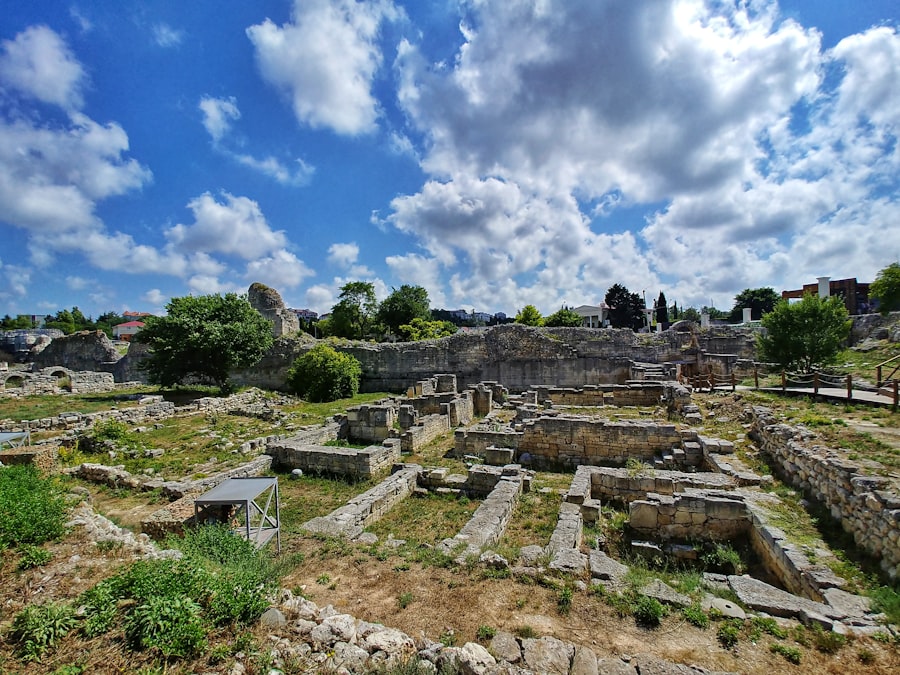
The history books are often dominated by familiar narratives, but the work of archaeologists constantly challenges these paradigms. Unexpected discoveries can reveal the existence of highly advanced societies that existed in regions or time periods not previously considered fertile ground for complex civilizations, forcing a reevaluation of human migration patterns, technological diffusion, and societal development.
The Göbeklitepe Enigma: A Prehistoric Temple Complex
Located in southeastern Turkey, Göbeklitepe is an archaeological site that has radically altered our understanding of the Neolithic period. Dating back to approximately 9600-8200 BCE, it predates Stonehenge and the pyramids of Egypt by millennia, presenting sophisticated monumental architecture and art from a time when humans were believed to be nomadic hunter-gatherers.
The Builders of Göbeklitepe
The site consists of a series of circular enclosures containing massive T-shaped stone pillars, many weighing several tons and adorned with intricate carvings of animals. The effort required to quarry, transport, and erect these megaliths points to a surprisingly organized and communal society, defying previous notions of early human capabilities. The question of who these people were and how they achieved such feats remains a compelling mystery.
Challenging the Notion of Civilization
Göbeklitepe suggests that complex religious or ritualistic practices may have preceded the development of agriculture and settled village life, a paradigm shift in archaeological thought. The site’s existence challenges the long-held theory that settled societies, and thus civilization, arose solely from the need for resource management and surplus production associated with farming. Instead, it points to a profound spiritual or social motivation driving early humans to create monumental structures.
The Indus Valley Civilization: A Bronze Age Powerhouse
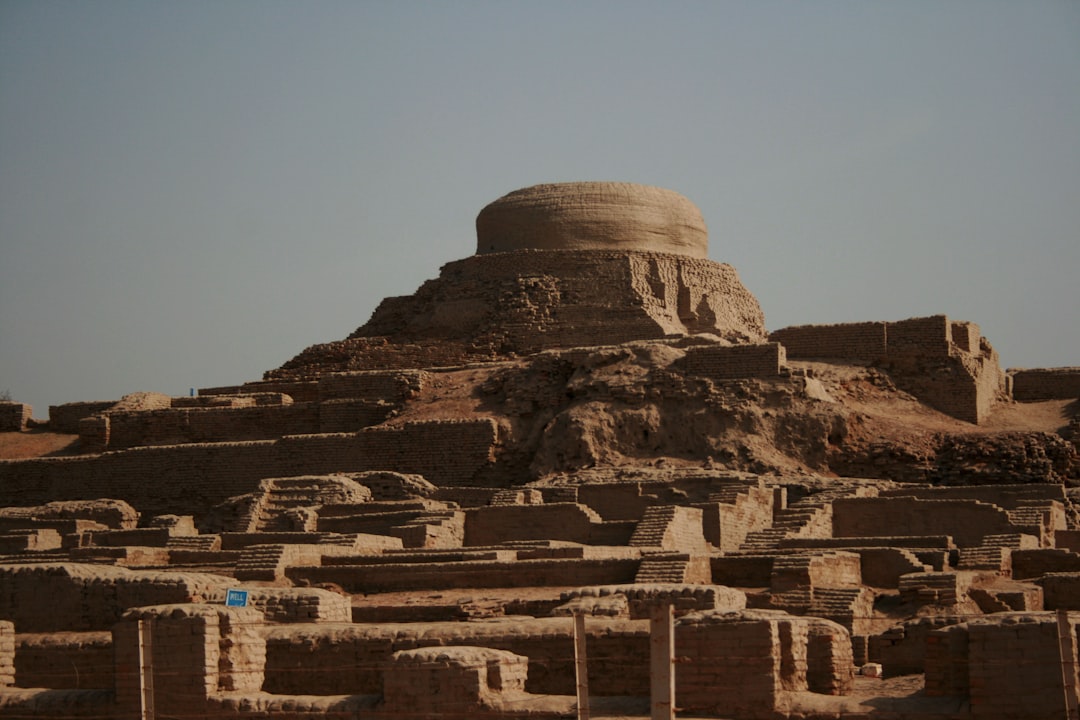
The Indus Valley Civilization, flourishing in the northwestern regions of ancient India and Pakistan between approximately 3300 and 1300 BCE, was one of the world’s earliest major urban civilizations. Its sophisticated city planning, advanced sanitation systems, and undeciphered script suggest a highly organized and developed society.
Planned Cities and Advanced Infrastructure
Cities like Mohenjo-daro and Harappa were meticulously planned, featuring grid-like street layouts, advanced drainage and sewage systems, and impressive brick buildings. The standardization of bricks and weights and measures across a vast geographical area indicates a remarkable level of central authority and economic interconnectedness.
The Mystery of the Indus Script
Despite extensive archaeological discoveries, the Indus script remains undeciphered, a tantalizing puzzle that prevents a full understanding of their language, literature, and governance. The absence of monumental palaces or overtly militaristic symbols also makes it difficult to ascertain their political structure and social hierarchy. The eventual decipherment of the Indus script holds the key to unlocking the untold stories of this enigmatic Bronze Age civilization.
The Legacy of Lost Knowledge: What These Civilizations Teach Us
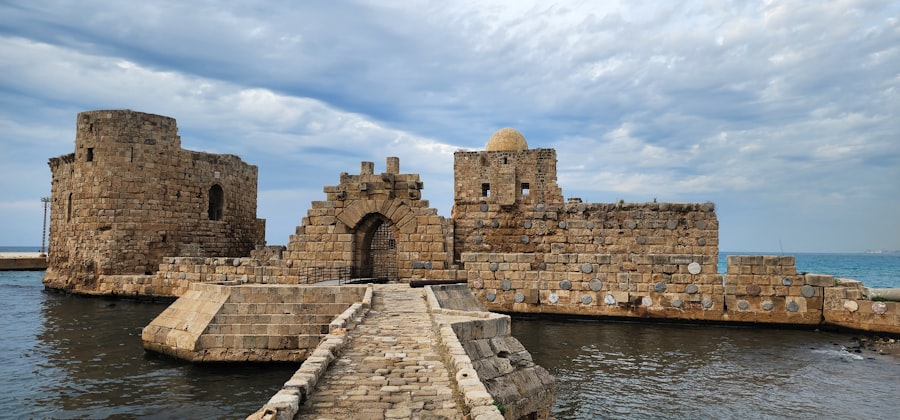
The unearthing of hidden ancient civilizations is not merely an academic exercise; it is a profound exploration of human potential and resilience. These discoveries offer invaluable lessons about innovation, societal organization, environmental adaptation, and the enduring human drive to create and connect.
Innovation and Adaptation: Surviving and Thriving
Ancient civilizations, often existing in challenging environments, developed innovative solutions to overcome obstacles. The Incas’ agricultural techniques on steep slopes, the Indus Valley’s urban planning and sanitation, and the ingenuity required to build sites like Machu Picchu and Göbeklitepe all demonstrate remarkable adaptability and resourcefulness. These societies often found sustainable ways to live in harmony with their environment, offering valuable lessons for modern challenges.
Societal Structures and Governance: Diverse Models of Organization
The variety of societal structures found in these lost civilizations is astounding. From the seemingly egalitarian societies of the Indus Valley to the centralized empires of the Incas and Khmers, each offers a unique model of human organization. Studying these diverse approaches can provide insights into the strengths and weaknesses of different forms of governance and social stratification.
Cultural Diversity and the Human Experience: A Broader Perspective
Each newly uncovered civilization adds another layer to our understanding of the vast spectrum of human experience. They reveal different belief systems, artistic expressions, technological advancements, and ways of life. This cultural diversity expands our perspective, challenging ethnocentric views and highlighting the richness and complexity of human history as a whole. The “untold stories” of these civilizations remind us that our current dominant narratives are incomplete and that countless other human journeys have shaped the world we inhabit.
Exploring hidden ancient civilizations often reveals fascinating insights into how these societies adapted to their environments, especially in the face of natural disasters. For those interested in understanding how modern communities can learn from the past, a related article discusses essential tips for preparation and safety during such events. You can read more about this topic in the article on surviving natural disasters here. This connection highlights the importance of resilience, both in ancient times and today.
The Future of Discovery: Whispers of the Undiscovered
| City | Location | Population | Duration |
|---|---|---|---|
| Machu Picchu | Peru | 1,000-1,200 | 15th century |
| Petra | Jordan | 20,000-30,000 | 4th century BC |
| Angkor Wat | Cambodia | Up to 1 million | 12th century |
The pursuit of hidden ancient civilizations is far from over. With advancements in technology, such as ground-penetrating radar, LIDAR, and sophisticated AI-driven data analysis, archaeologists are now equipped with tools that can peer through dense foliage, penetrate the earth, and sift through vast datasets, revealing secrets previously inaccessible.
Technological Frontiers in Archaeology
The application of remote sensing technologies, like LIDAR, allows archaeologists to “see” through dense jungle canopies, mapping out previously invisible ancient structures and settlements. Drone technology provides aerial perspectives for surveying and documenting sites. Underwater robotics and advanced sonar equipment are revolutionizing the exploration of submerged civilizations. Big data analytics is enabling researchers to identify patterns and anomalies in vast archaeological datasets, potentially leading to new discoveries.
The Ethics of Excavation and Preservation
As we uncover more of these hidden treasures, the ethical considerations surrounding their excavation and preservation become paramount. Balancing the desire for knowledge with the need to protect fragile sites from further damage, looting, and the impact of tourism is a crucial challenge. Responsible archaeological practices emphasize minimal impact excavation, robust preservation efforts, and the respectful engagement with descendant communities, ensuring that these stories are not only uncovered but also safeguarded for future generations. The continued exploration of our planet’s hidden past promises to rewrite history and reveal the enduring ingenuity of humankind.

The Lost City That Was Never Really Lost
FAQs
What are hidden ancient civilizations?
Hidden ancient civilizations refer to societies and cultures from ancient times that have been largely forgotten or overlooked by mainstream history. These civilizations may have existed in remote or inaccessible locations, or their ruins may have been buried over time.
How do archaeologists discover hidden ancient civilizations?
Archaeologists use a variety of methods to discover hidden ancient civilizations, including satellite imagery, ground-penetrating radar, LiDAR technology, and traditional excavation techniques. These tools help researchers identify potential sites and uncover evidence of ancient settlements.
What are some examples of hidden ancient civilizations that have been discovered?
Examples of hidden ancient civilizations that have been discovered include the Indus Valley civilization in modern-day Pakistan and India, the ancient city of Petra in Jordan, and the Mayan city of Tikal in Guatemala. These civilizations were once thriving centers of culture and trade, but were eventually abandoned and forgotten.
Why are hidden ancient civilizations important to study?
Studying hidden ancient civilizations provides valuable insights into the diversity of human history and the development of complex societies. These civilizations offer clues about ancient technologies, social structures, and cultural practices, and can help us better understand the trajectory of human civilization.
What challenges do researchers face in studying hidden ancient civilizations?
Researchers studying hidden ancient civilizations often face challenges such as limited access to remote or politically sensitive areas, funding constraints for large-scale excavations, and the preservation of fragile archaeological sites. Additionally, deciphering ancient languages and interpreting cultural artifacts can be complex and time-consuming.