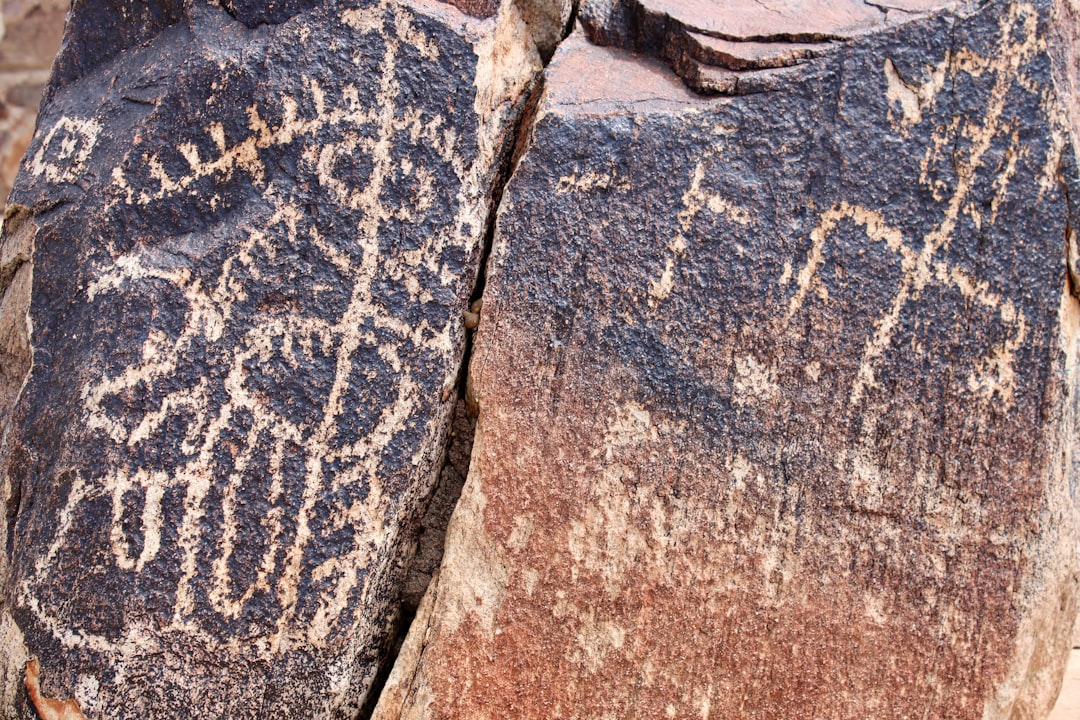
The weight of centuries presses down, whispering tales of civilizations lost to time, of enigmas that stubbornly resist the probing intellect of modern man. The field of archaeology, more than any other, delves into the silent chambers of the past, piecing together fragments of lives lived, of beliefs held, of societies that flourished and eventually faded. Yet, for every temple meticulously reconstructed, for every artifact unearthed and cataloged, a multitude of questions linger, forming a tapestry woven with threads of mystery. Unraveling these ancient world mysteries is a constant, often exhilarating, endeavor, a testament to humanity’s insatiable curiosity and its persistent desire to understand its roots.
The pyramids of Egypt stand as colossal testaments to an ancient ingenuity that continues to astound. Their sheer scale, the precision of their construction, and the enduring nature of their form invite a cascade of questions that have captivated scholars and the public for millennia. The pharaohs, the divine rulers entombed within these monumental structures, remain figures shrouded in awe and speculation.
The Engineering Marvel: How Were They Built?
The question of how the Great Pyramids of Giza, and indeed all Egyptian pyramids, were constructed remains one of archaeology’s most enduring puzzles. The sheer volume of stone, some weighing many tons, required to erect these structures demands an explanation that transcends simple manual labor.
Theories of Ramp Construction
For decades, the dominant theory posited the use of vast, external ramps. These ramps, it was suggested, would have been built of earth and rubble, allowing massive stone blocks to be dragged and levered into place. Different configurations have been proposed, including straight ramps, spiral ramps encircling the pyramid, or even internal ramps. The sheer scale of such ramp construction presents its own logistical challenges, requiring immense amounts of material and labor.
The Role of Water and Internal Technologies
More recent theories have explored the potential role of water in the construction process. Some hypothesize the use of canals and waterlocks to float large blocks, particularly to higher elevations. Others, drawing inspiration from ancient texts and reliefs, suggest the existence of more sophisticated internal mechanisms or even leveraging natural forces like leverage and fulcrums with unparalleled expertise. The discovery of detailed mathematical and engineering knowledge in ancient Egyptian papyri lends credence to the idea of advanced techniques, even if the exact methods remain elusive.
The Precision of Alignment and Construction
Beyond the physical act of lifting stone, the incredible precision with which these pyramids are aligned with celestial bodies – particularly the cardinal directions and the star Sirius – continues to baffle. The ability to achieve such accuracy without modern surveying equipment is a testament to their advanced astronomical knowledge and sophisticated methods of measurement and orientation.
The Purpose of the Pyramid: More Than Just Tombs?
While undeniably serving as tombs for their pharaonic occupants, the pyramids may have held additional, deeper meanings and functions that are not fully understood.
Beyond the Royal Burial
While the sarcophagi and funerary goods confirm their role as burial sites, the elaborate nature of the internal passages, chambers, and hieroglyphic inscriptions suggests a more multidimensional purpose. These structures may have been designed to facilitate the pharaoh’s journey to the afterlife, to preserve their essence and power for eternity, or even to act as conduits to the divine realm.
Astronomical Observatories and Calendrical Devices
The precise astronomical alignments have led some to propose that the pyramids also functioned as giant observatories or sophisticated calendrical devices, allowing the Egyptians to track celestial movements and understand their relationship with the cosmos. This integration of religious belief, royal power, and scientific observation is a hallmark of ancient Egyptian civilization.
The Enigmatic Pharaohs: Divine Rulers and Their Afterlife
The pharaohs themselves are figures of immense fascination. Their elevation to a divine status, their elaborate burial rituals, and the enduring mystery surrounding certain rulers, like Tutankhamun, continue to fuel scholarly debate and public imagination.
The Deification of the Ruler
The concept of the pharaoh as a living god, a mediator between the human and divine realms, is central to understanding their role and the monumental efforts dedicated to their eternal rest. This divine mandate shaped their power, their responsibilities, and their ultimate legacy.
The Unanswered Questions of Prominent Rulers
Despite extensive research, certain pharaonic figures remain enigmatic. The sudden death of Tutankhamun, the mysterious disappearance of Akhenaten and his revolutionary religious reforms, and the true identity of rulers like Hatshepsut, who adopted male regalia, continue to spark debates and inspire new avenues of investigation.
The mysteries of the ancient world continue to captivate historians and enthusiasts alike, shedding light on the complexities of early civilizations. One intriguing aspect is the economic systems that sustained these societies, which often fell into decline for various reasons. For a deeper understanding of this topic, you can explore the article titled “The Fall of Ancient Economies: A Historical Analysis,” which delves into the factors that contributed to the collapse of these ancient systems. To read more, visit this article.
The Lost Cities of the Jungle: Maya Civilization’s Rise and Fall
Deep within the dense rainforests of Mesoamerica lie the crumbling stone cities of the Maya civilization, a testament to a sophisticated culture that flourished for centuries before its enigmatic decline. Their calendar, their astronomy, their art, and their monumental architecture speak of a society of extraordinary intellectual and artistic prowess, yet the reasons for their eventual collapse remain a subject of intense scholarly inquiry.
The Calendar and Celestial Calculations: A Sophisticated Understanding
The Maya are renowned for their intricate and remarkably accurate calendar systems, far surpassing those of their contemporaries. This achievement speaks volumes about their understanding of mathematics and astronomy.
The Long Count and its Significance
The Maya Long Count calendar, a complex system that tracks time over vast epochs, has provided invaluable insights into their understanding of cosmic cycles and historical duration. Its decipherment has allowed archaeologists to date Mayan sites and events with remarkable precision, painting a picture of a civilization deeply attuned to the passage of time and its cyclical nature.
Astronomical Observations and Predictions
The Maya meticulously observed the movements of celestial bodies, charting the cycles of the sun, moon, Venus, and other planets. Their priests and astronomers developed sophisticated methods for predicting eclipses and other astronomical phenomena, integrating these observations into their religious beliefs and their understanding of the universe.
The Monumental Architecture: Cities in the Canopy
The Maya cities, with their towering pyramids, ornate temples, and expansive plazas, are architectural marvels that stand as enduring symbols of their civilization’s grandeur and organizational capacity.
The Purpose of the Grand Structures
While many structures clearly served religious or ceremonial purposes, the exact functions of some of the larger complexes remain debated. Were they solely places of worship, or did they also serve as administrative centers, astronomical observatories, or even defensive strongholds? The sheer scale of labor and resources required to build these cities points to a highly organized society with a sophisticated understanding of urban planning and resource management.
The Hieroglyphic Inscriptions: A Window into Their World
The Maya developed a complex system of hieroglyphic writing, which, once deciphered, has provided invaluable information about their history, mythology, rulers, and daily life. However, a significant portion of these inscriptions remains undeciphered, holding the key to even deeper insights into their worldview.
The Enigma of the Collapse: Did Civilization Vanish?
Perhaps the most compelling mystery surrounding the Maya is the apparent abandonment of their major cities around the 9th century CE. This decline, often referred to as the “Classic Maya Collapse,” has spurred numerous theories, none of which fully explain the phenomenon.
Environmental Degradation and Drought Theories
One prominent theory suggests that environmental factors played a crucial role. Overpopulation, deforestation, and intensive agricultural practices may have led to soil erosion and a depletion of resources. Coupled with evidence of prolonged droughts during this period, these factors could have created unsustainable living conditions, forcing the populations to abandon their cities in search of more hospitable lands.
Warfare and Social Unrest
Another significant theory points to increased internal conflict and warfare. Archaeological evidence suggests a rise in violent conflicts between city-states, potentially destabilizing the region and disrupting established trade routes and social order. This could have led to widespread unrest and the eventual breakdown of Maya society.
Disease and External Factors
While less emphasized, the possibility of epidemic diseases, perhaps introduced through trade or migration, cannot be entirely ruled out as a contributing factor to population decline and societal disruption.
The Whispers of Atlantis: Mythical Island or Lost Civilization?
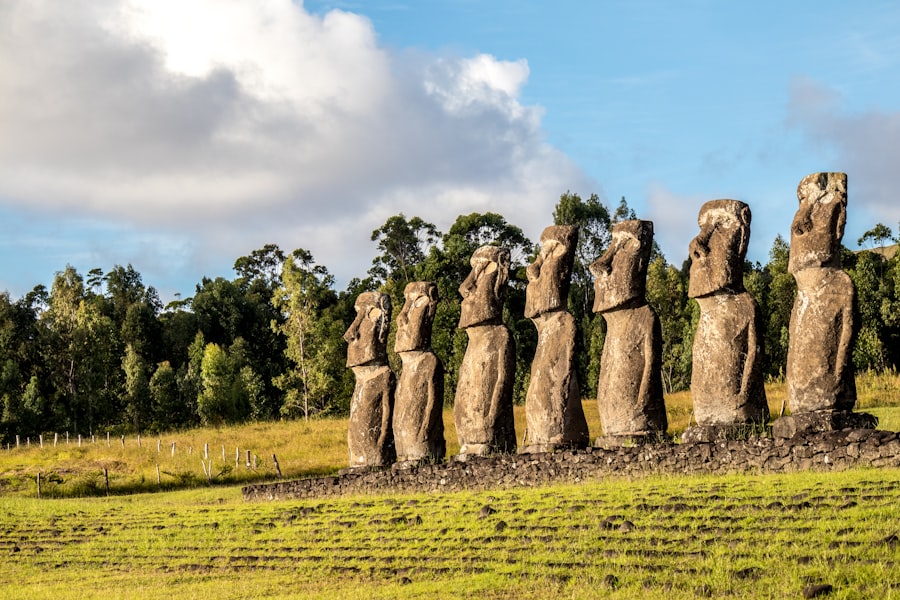
The legend of Atlantis, the advanced island civilization swallowed by the sea, first emerged in the writings of the ancient Greek philosopher Plato. For millennia, this tale has captivated imaginations, sparking debates about its historicity and inspiring countless expeditions and theories. Is it merely a philosophical allegory, or does it point to a real, albeit lost, civilization?
Plato’s Account: The Genesis of the Legend
Plato’s dialogues, Timaeus and Critias, are the sole primary sources for the Atlantis story. He describes a powerful naval empire that existed approximately 9,000 years before his own time, located beyond the “Pillars of Hercules” (believed to be the Strait of Gibraltar). He portrays Atlantis as a highly advanced society with sophisticated engineering, a complex social structure, and a strong military.
The Moral and Philosophical Allegory
Many scholars interpret Plato’s Atlantis as a cautionary tale, a philosophical allegory to illustrate his political theories and to contrast an ideal society with a decadent and hubristic one. The story serves to highlight the dangers of unchecked power and the consequences of moral decay, leading to divine retribution.
The Search for Physical Evidence
Despite the prevailing scholarly view of Atlantis as a myth, the legend’s enduring appeal has fueled a persistent search for tangible evidence. Numerous locations have been proposed as the possible site of Atlantis, from the Mediterranean to the Caribbean and even the Atlantic Ocean itself.
Proposed Locations and Hypotheses: Where Could Atlantis Be?
The sheer variety of proposed locations for Atlantis underscores the speculative nature of the search, but also highlights the diverse interpretations of Plato’s descriptions.
Santorini (Thera) and the Minoan Hypothesis
One of the most enduring and popular hypotheses links Atlantis to the Minoan civilization and the volcanic eruption of Thera (modern-day Santorini) around 1600 BCE. The catastrophic eruption devastated Minoan settlements on Crete and the surrounding islands, leading to a decline in their civilization. Proponents of this theory point to the sudden destruction and the advanced nature of Minoan culture as evidence for a possible connection.
The Azores, Canary Islands, and Other Atlantic Locations
Other theories suggest Atlantis was located further west in the Atlantic Ocean. The Azores or the Canary Islands have been proposed due to their volcanic origins and their position in the Atlantic. Some, however, have even suggested submerged landmasses or forgotten continents.
Underwater Cities and Submerged Landmasses
The idea of a submerged city or continent continues to be a popular theme in Atlantis theories. Explorers and researchers have investigated various underwater anomalies, from unexplained structures to geological formations, in the hope of finding clues.
The Enduring Allure: Why Does Atlantis Captivate Us?
The persistent fascination with Atlantis speaks to a deep-seated human desire for lost knowledge and a yearning for a golden age of unparalleled achievement.
The Appeal of the “Lost Golden Age”
The idea of a highly sophisticated, advanced civilization that vanished without a trace taps into a primal human fascination with the unknown and with the possibility of a forgotten, superior past. It offers a tantalizing glimpse of what might have been.
The Mystery of the Cataclysmic End
The dramatic and sudden destruction of Atlantis, as described by Plato, adds to its mystique. The idea of a powerful civilization being brought down by a cataclysmic event, whether natural or divine, resonates with our understanding of the impermanence of even the greatest human achievements.
The Indus Valley Civilization: A City of Enigmas

The Indus Valley Civilization, also known as the Harappan Civilization, flourished in the northwestern regions of ancient India and Pakistan from approximately 2600 to 1900 BCE. This Bronze Age civilization was remarkably advanced for its time, boasting sophisticated urban planning, intricate sanitation systems, and a unique script that remains largely undeciphered. Yet, despite its achievements, its eventual decline and the meaning embedded within its enigmatic script continue to puzzle archaeologists.
Urban Planning and Sanitation: A Glimpse into Sophistication
The cities of the Indus Valley, particularly Mohenjo-Daro and Harappa, showcase an astonishing level of urban planning for their era.
The Grid Layout and Brick Construction
The cities were meticulously laid out on a grid system, with well-organized streets and standardized, fired brick construction. This level of civic planning suggests a strong central authority and a sophisticated understanding of urban development.
Advanced Drainage and Water Management
Perhaps the most remarkable aspect of Indus Valley cities is their advanced sanitation and water management systems. Elaborate drainage channels, sophisticated sewage systems, and public baths, like the Great Bath at Mohenjo-Daro, indicate a civilization that placed a high value on hygiene and public health.
The Indus Script: A Language Yet to Be Read
One of the most significant unsolved mysteries of the Indus Valley Civilization is its script. Thousands of seals, pottery shards, and other artifacts bear this unique system of symbols, but their decipherment has eluded scholars.
The Nature of the Script: Pictographic or Alphabetic?
The Indus script consists of around 400 distinct signs, which vary in length and complexity. Scholars debate whether it is a pictographic script, where symbols represent objects or ideas, or an alphabetic script, where symbols represent sounds. The lack of a bilingual inscription, similar to the Rosetta Stone for Egyptian hieroglyphs, has made decipherment immensely challenging.
The Content of the Inscriptions: What Do They Say?
The brevity of the inscriptions, often found on small seals, has limited the scope of potential interpretation. They are believed to be administrative or economic records, perhaps pertaining to trade, ownership, or religious beliefs. However, without decipherment, their true meaning and the nuances of their content remain speculative.
The Decline of the Civilization: A Multifaceted Mystery
The reasons for the gradual decline and eventual disappearance of the Indus Valley Civilization are as enigmatic as its script.
Environmental and Climate Change Theories
Similar to the Maya, theories involving environmental factors are prominent. A shift in monsoon patterns, leading to reduced rainfall and increased aridity, could have severely impacted their agricultural base, upon which their civilization depended. Evidence of river course changes and increased salinization of land also points to environmental upheaval.
Inland Migration and Societal Breakdown
As the climate changed and resources dwindled, it is hypothesized that the population gradually dispersed, migrating inland and possibly blending with other emerging cultures. This gradual dispersal, rather than a sudden collapse, may have led to the apparent disappearance of the grand urban centers. Theories of internal social unrest or invasion also exist but are less strongly supported by current archaeological evidence.
The ancient world is filled with intriguing mysteries that continue to captivate historians and archaeologists alike. One such mystery involves the hidden treasures and secret stash spots that ancient civilizations may have used to safeguard their valuables during times of turmoil. For those interested in exploring this theme further, you might find the article on secret stash spots particularly enlightening, as it delves into the strategies used by various cultures to prepare for uncertain futures.
The Enigmas of Stonehenge: Astronomical Marker or Sacred Ritual Site?
| Location | Mystery | Year Discovered |
|---|---|---|
| Egypt | The Great Pyramid of Giza | 2560 BC |
| England | Stonehenge | 3000 BC |
| Turkey | Göbekli Tepe | 9600 BC |
Standing on the Salisbury Plain in Wiltshire, England, Stonehenge is an iconic megalithic monument that has captivated the human imagination for millennia. Its construction, spanning thousands of years, and its precise alignment with celestial events, point to a society with advanced knowledge of astronomy and a deep spiritual or religious connection to the cosmos. However, the exact purpose and the full story behind its creation remain subjects of intense debate.
The Construction and Timeline: A Monument Built Over Ages
The construction of Stonehenge was not a singular event but a long and complex process, involving multiple phases and considerable human effort.
The Early Phases: Earthworks and Timber Structures
The earliest phase of Stonehenge, dating back to around 3100 BCE, involved the creation of a large circular earthwork and ditch. Later phases saw the introduction of timber posts and then, critically, the erection of massive bluestones brought from distant quarries in Wales.
The Sarsen Stones and the Iconic Circle
The most recognizable feature of Stonehenge is the circle of massive sarsen stones, some weighing up to 40 tons, placed in lintel-crowned arrangements. These stones were likely transported from Marlborough Downs, over 30 miles away. The sheer effort and ingenuity required to quarry, transport, and erect these stones without modern technology is a testament to the organizational capacity and engineering skills of the Neolithic people.
Astronomical Alignments: A Celestial Calendar?
One of the most striking features of Stonehenge is its precise alignment with the sunrise on the summer solstice and the sunset on the winter solstice.
The Summer Solstice Sunrise
The most famous alignment is with the rising sun on the summer solstice, where the sun appears to rise directly over the Heel Stone, located outside the main circle. This alignment suggests that Stonehenge was used as a sophisticated astronomical observatory and perhaps a calendar for tracking the solstices and other significant celestial events.
Other Celestial Connections
Beyond the solstices, evidence suggests other celestial alignments, including those related to lunar cycles. The precise purpose of these alignments – whether for agricultural purposes, religious ceremonies, or a combination thereof – continues to be explored.
Theories of Purpose: Beyond Simple Observation
While its astronomical function is widely accepted, the true purpose of Stonehenge extends beyond mere observation.
A Sacred Ritual Site and Place of Worship
The presence of burials within and around the monument, along with the scale and complexity of its construction, strongly suggests that Stonehenge was a significant ritualistic and spiritual site. It may have been a place for ceremonies, festivals, or even a burial ground for important individuals.
A Healing Center or Pilgrimage Destination
Some theories propose that Stonehenge served as a healing center, with the bluestones believed to possess medicinal properties. The arduous journey of the bluestones from Wales also suggests a pilgrimage aspect, where people traveled from far and wide to visit this sacred monument.
A Symbol of Unity and Power
The collective effort required to build Stonehenge likely served as a unifying force for disparate tribes, reinforcing social bonds and demonstrating the power and influence of those who orchestrated its creation.
The unraveling of these ancient world mysteries is not a passive pursuit but an active engagement with the past. Each new discovery, each deciphered inscription, each meticulously analyzed artifact, chips away at the veil of time, revealing more about the ingenuity, complexity, and spiritual depth of civilizations that shaped the world we inhabit today. The enduring questions serve not as roadblocks but as invitations, compelling us to continue our exploration, to ask bolder questions, and to delve deeper into the silent, yet eloquent, whispers of antiquity. The mysteries of the ancient world, far from being solved, continue to beckon, promising further revelations and an ever-deepening understanding of our shared human heritage.

The Lost City That Was Never Really Lost
FAQs
What are some of the most famous ancient world mysteries?
Some of the most famous ancient world mysteries include the construction of the pyramids in Egypt, the purpose of Stonehenge in England, the disappearance of the Mayan civilization, the construction of the Moai statues on Easter Island, and the location of the lost city of Atlantis.
What are some theories about the construction of the Egyptian pyramids?
There are several theories about how the Egyptian pyramids were constructed, including the use of ramps, levers, and pulleys, as well as the idea that the stones were moved using water or that they were built by extraterrestrial beings.
What is the purpose of Stonehenge?
The purpose of Stonehenge is still a mystery, but it is believed to have been used for religious or ceremonial purposes, as well as for astronomical observations and as a burial site.
What caused the disappearance of the Mayan civilization?
The exact cause of the disappearance of the Mayan civilization is still unknown, but theories include environmental factors, warfare, and social unrest.
Is there any evidence of the lost city of Atlantis?
There is no concrete evidence of the existence of the lost city of Atlantis, and its location remains a mystery. However, some researchers believe that it may have been a fictional or mythological place.