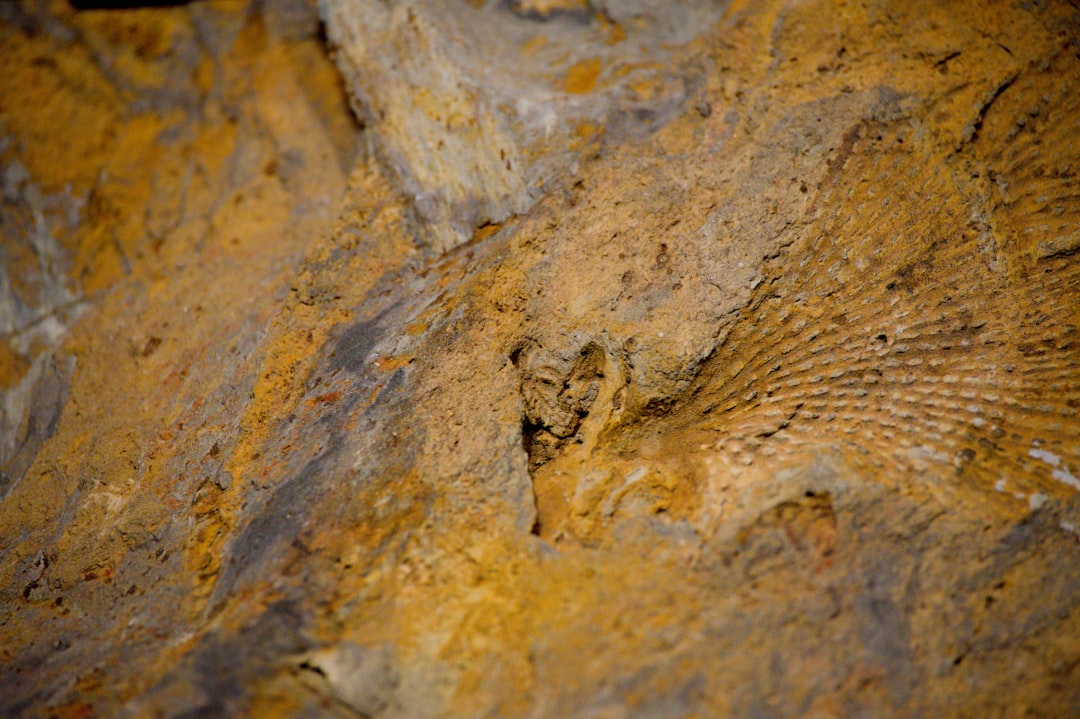
The Earth’s Epic Journey: A Geological History Documentary
This groundbreaking documentary, “The Earth’s Epic Journey: A Geological History,” offers viewers an unparalleled IMAX-scale exploration of our planet’s tumultuous and awe-inspiring past. Moving beyond fossil digs and textbook timelines, the film plunges into the very heart of geological processes, revealing the immense forces that have shaped Earth from its fiery birth to the dynamic sphere we inhabit today. Through stunning visual effects, cutting-edge scientific research, and vivid dramatizations of key geological moments, the documentary brings to life billions of years of change, showcasing the planet’s profound capacity for transformation and the deep, often unseen, connections between its constituent parts.
The journey commences at the very dawn of our solar system, approximately 4.6 billion years ago. Viewers are transported to the heart of a swirling nebula, a cosmic cloud of gas and dust, where gravity’s relentless pull began to coalesce matter into celestial bodies. “The Earth’s Epic Journey” masterfully visualizes this chaotic accretion process, depicting planetesimals, the building blocks of planets, colliding and merging in a maelstrom of heat and impact.
The Protoplanetary Disk: A Cosmic Crucible
The initial stages of Earth’s formation are presented not as a singular event, but as a prolonged and violent period. The protoplanetary disk, a swirling disc of gas and dust surrounding the nascent Sun, is depicted as a volatile environment. Numerous collisions are shown, each one injecting vast amounts of energy into the growing Earth, generating immense heat. This proto-Earth is a molten inferno, a far cry from the planet we know today. The documentary emphasizes the role of gravitational forces in this early stage, explaining how the denser materials settled towards the center, laying the foundation for Earth’s layered structure.
Accretion and Differentiation: Forging the Core
The concept of accretion – the gradual growth of a celestial body by the accumulation of smaller particles – is brought to life with visceral CGI. Viewers witness the relentless bombardment of asteroids and comets that contributed to Earth’s mass. Crucially, the film delves into the process of differentiation. As the young Earth became a magma ocean, heavier elements like iron and nickel sank to the core, while lighter silicate materials rose to form the mantle and crust. This immense gravitational sorting is visually represented as streams of molten rock and metallic elements flowing and separating, a fundamental step in creating a structured planet with a metallic core, crucial for its future magnetic field.
The Great Impact: Forging the Moon
Perhaps one of the most dramatic and visually stunning sequences in this initial phase is the depiction of the Giant Impact hypothesis, the leading theory for the formation of Earth’s Moon. The documentary recreates this cataclysmic collision with a Mars-sized protoplanet, dubbed Theia, striking the early Earth. The sheer scale of the impact is conveyed through towering plumes of superheated debris, a reconfigured Earth, and the ejection of material that would eventually coalesce to form our Moon. This event, though devastating, is presented as a pivotal moment, not only creating our celestial companion but also contributing to Earth’s tilt and rotation, influencing future climate patterns.
The Hadean Eon: A Hellish Landscape
Following the initial violent formation and the Moon-forming impact, the documentary transitions to the Hadean Eon, a period often referred to as Earth’s “hellish” beginnings. The planet’s surface is depicted as a molten or semi-molten landscape, continuously reshaped by volcanic activity and asteroid impacts. The absence of significant oceans or a stable atmosphere is emphasized, painting a picture of an utterly alien and inhospitable world. The film stresses that even in this extreme environment, the fundamental processes of geology were already at play, setting the stage for future developments.
For those interested in the intricate connections between geological history and contemporary issues, a fascinating article titled “Sheinbaum’s Impact on U.S.-Mexico Trade” explores how environmental factors and geological resources influence economic relationships between nations. This piece provides valuable insights into how the geological landscape shapes trade dynamics and policy decisions. You can read the article here: Sheinbaum’s Impact on U.S.-Mexico Trade.
The Dawn of Life: Oceans, Atmosphere, and the First Stirrings
Having established the planet’s nascent structure, “The Earth’s Epic Journey” moves to the Archaean Eon, a period of profound transformation where water, atmosphere, and the very first signs of life emerged. This section highlights the gradual cooling of the planet’s surface and the subsequent formation of oceans, a crucial prerequisite for the evolution of life.
Volcanic Activity: Shaping the Atmosphere and Oceans
The documentary emphasizes the continued role of volcanism in this era. Gigantic volcanic eruptions, far more numerous and intense than those seen today, are vividly portrayed. These eruptions released vast quantities of gases into the young atmosphere, including water vapor, carbon dioxide, and nitrogen – the building blocks of Earth’s early atmosphere and oceans. The film uses scientific visualizations to illustrate how these volcanic outgassings contributed to the formation of a dense atmosphere and, as the planet cooled, led to the condensation of water vapor to form the first oceans.
The Formation of the Oceans: A Global Deluge
The transition from a steam-filled atmosphere to vast bodies of liquid water is a visually arresting spectacle. The documentary depicts a planet being gradually covered by oceans, showcasing the immense power of condensation. These early oceans are depicted as warm, nutrient-rich environments, teeming with dissolved minerals and gases that would prove essential for the emergence of life. The deep-sea hydrothermal vents are also highlighted as potential cradles of early life, releasing essential chemicals from Earth’s interior into the primordial waters.
The Emergence of Life: Stromatolites and Photosynthesis
This is where the documentary truly shines, bringing to life the astonishing story of abiogenesis. The film focuses on stromatolites, ancient microbial mats formed by cyanobacteria, as some of the earliest evidence of life on Earth. Viewers witness the microscopic world coming to life, with single-celled organisms slowly colonizing the planet’s surface. The revolutionary emergence of photosynthesis is depicted as a transformative event. The gradual introduction of oxygen into the atmosphere, a byproduct of this ancient biological process, is shown to have had profound and far-reaching consequences.
The Great Oxygenation Event: A Planetary Revolution
The Great Oxygenation Event, occurring around 2.4 billion years ago, is presented as a pivotal turning point in Earth’s history. The documentary explains how photosynthesis, initially confined to shallow waters, began to saturate the oceans with oxygen and eventually the atmosphere. This was a crisis for much of the early anaerobic life, which were poisoned by this new, toxic gas. However, it paved the way for the evolution of aerobic respiration, a far more efficient process, and ultimately, for the development of more complex life forms. The visual effects showcase the gradual shift in atmospheric composition, with shimmering blues and greens slowly replacing the muted tones of the early Earth.
Continents in Motion: Plate Tectonics and Supercontinents
The third major section of “The Earth’s Epic Journey” delves into the monumental forces of plate tectonics, the driving engine behind continental drift and the formation and breakup of supercontinents. This is where the documentary truly emphasizes the dynamic nature of Earth’s crust.
The Lithosphere and Asthenosphere: Earth’s Moving Shell
The film meticulously explains the fundamental concepts of plate tectonics. Viewers are introduced to the lithosphere, the rigid outer shell of Earth, composed of the crust and upper mantle, and the asthenosphere, the semi-fluid layer beneath it upon which the lithospheric plates “float.” Sophisticated CGI demonstrates how heat from Earth’s interior drives convection currents within the asthenosphere, creating the immense forces that move the plates. This is depicted as a slow-motion ballet of colossal rock formations, their movements measured in centimeters per year.
Divergent, Convergent, and Transform Boundaries: The Plate Interactions
The documentary then breaks down the three primary ways plates interact at their boundaries. Divergent boundaries, where plates pull apart, are illustrated with scenes of mid-ocean ridges forming and new crust being generated. Convergent boundaries, where plates collide, are shown generating massive mountain ranges, deep ocean trenches, and volcanic arcs. Transform boundaries, where plates slide past each other, are visualized as the cause of significant earthquakes. The visual depiction of these boundaries is both scientifically accurate and dramatically compelling, showing the immense geological stress and energy released.
The Supercontinent Cycle: Rodinia and Pangaea
“The Earth’s Epic Journey” brings to life the concept of the supercontinent cycle, the recurring assembly and breakup of Earth’s landmasses. The formation of Rodinia, approximately one billion years ago, is depicted, showing how continents were drawn together by tectonic forces. This is followed by its eventual fragmentation. The documentary then focuses on the most famous supercontinent, Pangaea, which existed about 300 to 200 million years ago. Viewers witness Pangaea in its immense glory, a single vast landmass surrounded by a global ocean. The subsequent breakup of Pangaea, leading to the formation of the continents we recognize today, is presented with a sense of dramatic inevitability, a grand unfolding of geological destiny.
The Formation of Mountain Ranges: Sculpting the Land
The formation of major mountain ranges, like the Himalayas and the Andes, is attributed to the powerful forces of plate collision. The documentary showcases the immense pressure and uplift involved in these processes, illustrating how the Earth’s crust buckles and folds, creating some of the planet’s most iconic landscapes. The gradual erosion of these mountains by wind, water, and ice is also subtly introduced, hinting at the ongoing sculpturing of Earth’s surface.
The Age of Ice and Fire: Climate Shifts and Volcanic Fury
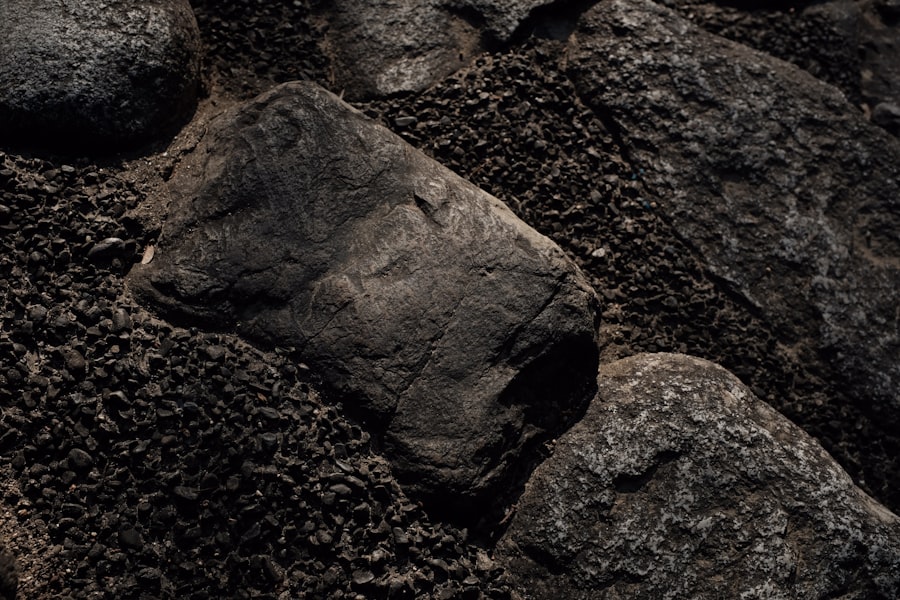
The documentary then takes on the dramatic shifts in Earth’s climate and the powerful influence of volcanic activity, showcasing how these forces have repeatedly reshaped the planet and its inhabitants. This section highlights the interconnectedness of Earth’s systems.
Glacial Cycles: The Advance and Retreat of Ice
The concept of ice ages is explored with breathtaking visuals. The documentary depicts the dramatic advance of massive glaciers, miles thick, that once covered vast swathes of the continents. Viewers witness the immense power of ice as a geological agent, carving out valleys, fjords, and Great Lakes. The subsequent retreat of these ice sheets, the melting of glaciers and the subsequent rise in sea levels, is also powerfully illustrated, demonstrating how these cycles have profoundly impacted coastlines and ecosystems throughout geological history.
The Impact of Ice on Landforms
The film uses time-lapses and animated reconstructions to show how glacial erosion has shaped the Earth’s surface. The U-shaped valleys, cirques, and moraines left behind by retreating glaciers are explained and visually demonstrated, providing a clear understanding of ice’s sculpting power. The documentary emphasizes that these cycles are not merely historical events but have left enduring marks on our planet’s geography.
Volcanic Catastrophes: Shaping the Environment
Volcanoes are not just presented as geological features but as planet-altering forces. “The Earth’s Epic Journey” showcases colossal volcanic eruptions, some of which spewed ash and gases high into the atmosphere, triggering widespread climatic cooling and disruption. The documentary explores the impact of massive volcanic events, such as the Siberian Traps or the Deccan Traps, linking them to significant extinction events. The sheer destructive power and transformative capacity of these eruptions are conveyed through awe-inspiring visual effects.
Volcanic Winters and Extinction Events
The concept of “volcanic winters” is visually explained, demonstrating how atmospheric aerosols from massive eruptions can block sunlight, leading to rapid and severe climate change. The film uses scientific data and simulations to show how these sudden environmental shifts can decimate ecosystems and trigger mass extinctions, reminding viewers of the fragility of life in the face of geological upheaval.
The fascinating world of geological history is explored in depth in a recent documentary that delves into the Earth’s dynamic past and the forces that have shaped its landscapes. For those interested in understanding the implications of shifting tectonic plates and their impact on global geography, a related article provides valuable insights. You can read more about anticipated global map shifts and their significance in this informative piece. This connection between geological events and their long-term effects on our planet is both intriguing and essential for appreciating the Earth’s ever-changing nature.
Life’s Resilience: Evolution and Extinction
| Documentary Title | Release Year | Duration | Featured Periods |
|---|---|---|---|
| Earth: The Biography | 2008 | 5 episodes, 60 minutes each | Archean Eon, Proterozoic Eon, Paleozoic Era, Mesozoic Era, Cenozoic Era |
| Life on Earth: A New Prehistory | 2016 | 90 minutes | Prehistoric Earth, Evolution of Life |
| Deep Time History | 2019 | 4 episodes, 50 minutes each | Formation of Earth, Early Life, Dinosaurs, Ice Ages |
The latter part of the documentary focuses on the grand narrative of evolution, punctuated by catastrophic extinction events, demonstrating the remarkable resilience and adaptability of life on Earth. This is where the interconnectedness of geological and biological history becomes most apparent.
The Fossil Record: Echoes of Past Life
The documentary revisits the importance of the fossil record, not as static museum pieces, but as dynamic clues to Earth’s evolutionary history. Through stunning recreations, viewers see dinosaurs roaming the Earth, ancient marine reptiles swimming in vast oceans, and the earliest mammals scurrying through prehistoric forests. The film highlights how fossils, preserved in rock layers laid down by geological processes, provide an invaluable window into the life that once flourished and the extinctions that cleared the evolutionary stage.
Key Evolutionary Transitions: From Single Cells to Complex Organisms
“The Earth’s Epic Journey” traces major evolutionary transitions, from the first humble single-celled organisms to the diversification of life into myriad forms. The development of multicellularity, the colonization of land, the evolution of vertebrates, and the rise of flowering plants are all presented as significant milestones in life’s ongoing journey, each influenced by geological and climatic changes.
Mass Extinctions: Resetting the Evolutionary Clock
The documentary dedicates significant attention to the five major mass extinction events in Earth’s history. Each extinction, from the Permian-Triassic extinction (the “Great Dying”) to the Cretaceous-Paleogene extinction that wiped out the dinosaurs, is presented as a catastrophic event with profound evolutionary consequences. The film explores the likely causes – asteroid impacts, massive volcanic activity, or extreme climate change – and the subsequent periods of recovery and diversification as surviving species filled newly vacant ecological niches. This emphasizes that while geology can be destructive, it also creates opportunities for new forms of life to emerge and thrive.
The Resilience of Life: Adapting to Change
Despite the recurrent catastrophic events, the overarching theme of life’s resilience and adaptability shines through. The documentary emphasizes how life, in its diverse forms, has consistently found ways to survive and evolve in the face of immense environmental challenges. This provides a hopeful perspective, highlighting the enduring power of biological innovation and the constant interplay between life and the ever-changing planet.
In exploring the intricate layers of our planet’s past, the documentary on geological history provides a fascinating glimpse into how natural forces have shaped the Earth over millions of years. This exploration is complemented by an insightful article that discusses the implications of land use and protection, which can be found at Protecting National Security: The Role of Eminent Domain. Together, these resources highlight the importance of understanding both our geological heritage and the legal frameworks that govern land management today.
The Future of Our Planet: A Geological Perspective
The documentary concludes by reflecting on the present and looking towards the future, framing our current geological era within the grand sweep of Earth’s history. It emphasizes that the planet continues to be shaped by geological forces, albeit at a pace that is often imperceptible to humans.
The Anthropocene: Humanity’s Geological Mark
“The Earth’s Epic Journey” acknowledges the growing scientific recognition of the Anthropocene, an era where human activities are now a significant geological force. The film visually represents the scale of human impact on Earth’s systems, from altering landscapes through construction and agriculture to the dramatic changes in atmospheric composition due to industrialization. This section encourages viewers to consider their role in the ongoing geological narrative of the planet.
The Interconnectedness of Earth Systems: A Call for Stewardship
The documentary underscores the profound interconnectedness of Earth’s geological, atmospheric, oceanic, and biological systems. It argues that understanding our planet’s deep history is crucial for making informed decisions about its future. The film conveys a message of stewardship, urging humanity to recognize its place within the larger geological framework and to act responsibly to preserve the delicate balance of Earth’s systems.
Looking Ahead: Earth’s Ongoing Evolution
The final moments of the film reiterate that Earth is not a static entity but a continuously evolving planet. It leaves viewers with a sense of ongoing change, a reminder that the geological processes that shaped our past will continue to shape our future. The documentary offers a profound perspective on our place in time, fostering a deeper appreciation for the extraordinary journey of our planet and the imperative to protect it. “The Earth’s Epic Journey” is more than just a documentary; it is an invitation to marvel at the immense power and beauty of geological history and to contemplate humanity’s responsibility in its unfolding narrative.

The Lost City That Was Never Really Lost
FAQs
What is a geological history documentary?
A geological history documentary is a film or video presentation that explores the history of the Earth’s formation, including the processes that have shaped the planet over millions of years. These documentaries often cover topics such as plate tectonics, volcanic activity, erosion, and the evolution of life on Earth.
What topics are typically covered in a geological history documentary?
Geological history documentaries often cover a wide range of topics, including the formation of the Earth, the movement of tectonic plates, the impact of natural disasters such as earthquakes and volcanic eruptions, the development of mountains and other landforms, and the evolution of life on Earth.
What are the benefits of watching a geological history documentary?
Watching a geological history documentary can provide viewers with a deeper understanding of the Earth’s history and the processes that have shaped the planet. It can also help viewers develop a greater appreciation for the natural world and the forces that have influenced the environment over time.
Where can I find geological history documentaries to watch?
Geological history documentaries can be found on streaming platforms such as Netflix, Amazon Prime, and Hulu, as well as on educational websites and YouTube channels dedicated to science and nature programming. Many documentaries are also available for purchase on DVD or Blu-ray.
Are geological history documentaries suitable for all ages?
Geological history documentaries can be educational and entertaining for viewers of all ages, but some content may be more suitable for older children and adults due to the complexity of the subject matter. Parents and educators should review the content of a documentary before sharing it with younger viewers.