The flickering image on the screen captured the raw, untamed beauty of a remote desert landscape, a place where time itself seemed to have slowed to a crawl. A lone figure, silhouetted against the vast expanse of orange sand, meticulously brushed away centuries of accumulated dust. This was the opening scene of “Unearthing Ancient Mysteries: A Journey Through Time,” a documentary that promised to pull back the veil on humanity’s forgotten past, and it did so with a compelling blend of scientific inquiry and breathtaking visual storytelling. The film wasn’t just about the digging; it was about the stories the earth held, the whispers of civilizations long gone, and the enduring human drive to understand our origins.
The documentary began by establishing the fundamental human fascination with the past. It posed a question that lies at the heart of every archaeological endeavor: why do we dedicate so much effort to unearthing what has been buried and forgotten? The film argued that this desire stems from a deep-seated need for connection, for understanding our place in the grand narrative of human existence.
The Human Connection to Ancestry
Experts featured in the film spoke eloquently about the profound sense of connection that unearthing ancient artifacts provides. When an archaeologist holds a tool used by a craftsman thousands of years ago, or examines the artwork adorning a tomb, they are not merely observing inanimate objects. They are, in a sense, touching the hands that shaped them, seeing through eyes that once marveled at the same stars. This tangible link to our ancestors offers a profound sense of grounding and a realization of the shared human experience that transcends time and culture. The documentary highlighted how this connection can foster empathy and a greater appreciation for the continuity of human ingenuity and creativity.
The Thrill of Discovery and Problem-Solving
Beyond the emotional resonance, the documentary also delved into the intellectual thrill that drives archaeological pursuits. It portrayed archaeology as a complex puzzle, a grand detective story where the clues are shards of pottery, collapsed structures, and the subtle shifts in geological strata. Each site, each artifact, presents a unique set of challenges, requiring meticulous observation, logical deduction, and innovative application of scientific techniques. The film showcased the excitement that permeates a dig site as a significant discovery is made, the culmination of months, or even years, of painstaking work. This aspect of discovery, the peeling back of layers of secrecy, is inherently captivating to the human mind, which is wired for exploration and problem-solving.
Understanding Societal Evolution and Contemporary Relevance
Another crucial theme explored was the relevance of ancient history to our present and future. The documentary argued that by studying the rise and fall of civilizations, their successes and failures, we gain invaluable insights into the dynamics of human societies. From the development of agriculture and urban living to the complexities of political structures and social hierarchies, ancient societies laid the groundwork for the world we inhabit today. Understanding these historical precedents can help us navigate contemporary challenges, from climate change and resource management to social inequality and conflict resolution. The film presented archaeology not as a dusty academic pursuit, but as a vital tool for informed decision-making in the modern world.
In the realm of archaeology, the exploration of ancient civilizations often intersects with contemporary issues such as resource management and environmental conservation. A compelling article that delves into these themes is titled “Antarctica’s Resource Exploitation in 2048: Balancing Conservation and Development.” This piece examines the potential challenges and ethical considerations surrounding resource extraction in Antarctica, a region rich in archaeological significance yet vulnerable to exploitation. For more insights on this critical topic, you can read the article here: Antarctica’s Resource Exploitation in 2048.
The Tools of the Trade: Modern Archaeology in Action
“Unearthing Ancient Mysteries” dedicated a significant portion of its runtime to showcasing the sophisticated array of technologies and methodologies employed by modern archaeologists. It dispelled the romanticized image of the lone adventurer with a trowel, revealing a field that has embraced cutting-edge science to illuminate the past with unprecedented clarity.
Remote Sensing and Non-Invasive Techniques
The documentary highlighted the increasing reliance on remote sensing technologies, which allow archaeologists to survey vast areas without disturbing potentially sensitive sites.
Ground-Penetrating Radar (GPR)
The film explained how GPR works, sending electromagnetic waves into the ground and analyzing the reflected signals to create a subsurface map. This technology is invaluable for identifying buried structures, pathways, and anomalies that might indicate the presence of an archaeological site. Case studies were presented where GPR surveys led to the discovery of previously unknown settlements or complex underground systems, dramatically reducing the need for extensive and potentially damaging excavation.
LiDAR (Light Detection and Ranging)
The power of LiDAR was vividly demonstrated. This technique uses lasers to map the earth’s surface, effectively stripping away vegetation to reveal subtle topographical features that might indicate ancient earthworks, agricultural terraces, or the faint outlines of long-lost cities. The documentary showed how LiDAR has revolutionized the study of vast jungle-covered regions, uncovering hidden Maya cities and extensive Roman infrastructure that had been completely obscured by dense foliage for centuries.
Satellite Imagery and Aerial Photography
The film also touched upon the enduring utility of satellite imagery and aerial photography. These tools, when analyzed with advanced software, can reveal patterns and anomalies in the landscape that point to human activity, such as ancient field systems, canal networks, or defensive earthworks. The ability to survey from above provides a macro-level perspective that is impossible to achieve from the ground.
Advanced Excavation and Documentation
While non-invasive techniques are crucial for initial exploration, excavation remains a vital component of archaeological research. However, the documentary emphasized that modern excavation is a far cry from the indiscriminate digging of the past.
Stratigraphy and Contextual Analysis
The principle of stratigraphy – the study of the layers of soil and debris – was explained as the bedrock of archaeological interpretation. The film illustrated how archaeologists meticulously document the distinct layers encountered during excavation, understanding that each layer represents a specific period of time and type of activity. The precise context of an artifact, its relationship to other artifacts and features within its layer, is paramount to understanding its significance. Excavation thus becomes an exercise in careful deconstruction, meticulously recording every detail.
Digital Documentation and 3D Scanning
The transition from traditional field notebooks to digital documentation was a significant focus. The documentary showcased how archaeologists now use high-resolution cameras, GPS devices, and even drones to record every aspect of the excavation in real-time. The emergence of 3D scanning technology was particularly impressive, allowing for the creation of incredibly detailed digital models of artifacts and even entire excavation units. These models can be studied, shared, and analyzed remotely, preserving a precise digital record of the site for future generations.
Material Analysis: Unlocking the Secrets of Artifacts
Once artifacts are recovered, the scientific analysis begins, where sophisticated laboratories transform them into sources of invaluable information.
Radiocarbon Dating
The cornerstone of dating organic materials, radiocarbon dating, was explained with clear illustrations of the process. The documentary highlighted how this technique has allowed archaeologists to place discoveries within a chronological framework, providing a timeline for human history. The limitations of the technique, such as the range of dates it can accurately provide and the need for sufficient carbon-containing material, were also acknowledged.
Isotope Analysis
The film explored the power of isotope analysis, which can reveal details about the diet, origin, and even the health of ancient populations. By examining the ratios of different isotopes within bones and teeth, researchers can determine what people ate, where they lived, and whether they migrated. This opens up a whole new dimension of understanding, moving beyond just what was built to who lived there and how they lived.
DNA Analysis
The most cutting-edge scientific techniques were also showcased. The documentary touched upon the incredible advancements in ancient DNA analysis, which is revolutionizing our understanding of human migration, relationships between ancient populations, and even the domestication of plants and animals. The ability to extract and analyze genetic material from skeletal remains provides insights that were previously unimaginable.
Echoes of Lost Civilizations: Case Studies from Around the Globe

“Unearthing Ancient Mysteries” wasn’t just about theory; it was a journey that took viewers to diverse and compelling archaeological sites, bringing the past to life through vivid imagery and expert narration. The documentary presented a curated selection of significant discoveries, each offering a unique window into a vanished world.
The Grandeur of the Dynasties: Uncovering Ancient Egypt
The documentary dedicated a segment to the enduring mystique of Ancient Egypt, focusing on recent discoveries that continue to reshape our understanding of this civilization.
Rediscovering the Builders of the Pyramids
Beyond the iconic pyramids, the film explored the lives of the workers who built them, often overlooked in popular narratives. Excavations at worker villages revealed details about their diet, living conditions, and even evidence of medical care, challenging the long-held notion of slave labor. Recent discoveries of intact tombs of high-ranking officials provided new insights into the administrative and religious structures that supported the pyramid-building projects.
The Secrets of the Nile’s Floods: Climate and Civilization
The documentary linked the cyclical inundation of the Nile River to the prosperity and eventual decline of Egyptian civilization. By analyzing sediment cores and archaic texts, scientists are piecing together climate patterns of the past, demonstrating how periods of drought or excessive flooding profoundly impacted agricultural output and societal stability. This highlighted the vulnerability of even the most advanced ancient societies to environmental change.
The Lost City of the Andes: The Enigma of Machu Picchu
The iconic Inca citadel of Machu Picchu served as another breathtaking case study, exploring not only its architectural brilliance but also the mystery surrounding its abandonment.
Engineering Marvels in the Clouds
The film showcased the ingenious engineering feats of the Inca, particularly their mastery of stonework and water management in such a challenging mountainous environment. The intricate terracing, gravity-fed aqueducts, and precisely cut stonework that has withstood centuries of earthquakes were presented as testaments to their advanced understanding of engineering and environmental adaptation. The documentary explored various theories about the purpose of Machu Picchu, from a royal estate to a sacred religious site.
The Silence of the Citadel: Why Did They Leave?
The abrupt abandonment of Machu Picchu remains one of its most compelling mysteries. The documentary presented the leading hypotheses, including the impact of the Spanish conquest, internal political strife, or a devastating epidemic. The lack of definitive textual evidence, combined with the remote location, leaves ample room for speculation, making it a perpetually fascinating subject for researchers.
The Dawn of Civilization: Mesopotamia’s Mud-Brick Cities
The cradle of civilization, Mesopotamia, was explored through the lens of its early urban centers, revealing the foundations of many aspects of modern life.
The Birth of Writing and Law
The documentary emphasized the profound impact of Mesopotamian innovations. The invention of cuneiform writing, initially for record-keeping and commerce, evolved into a sophisticated system for literature, law, and epic poetry. The filming showcased the painstaking work of deciphering ancient tablets, revealing the earliest written legal codes, such as the Code of Hammurabi, which laid the groundwork for Western legal traditions.
The Rise and Fall of Empires: Lessons from the Tigris and Euphrates
The documentary traced the succession of powerful empires that rose and fell in Mesopotamia, from the Sumerians and Akkadians to the Babylonians and Assyrians. By examining their city planning, irrigation systems, and military strategies, the film highlighted patterns of societal development, technological advancement, and the cyclical nature of power and collapse. The environmental fragility of the region, particularly the challenges of managing water resources, was presented as a recurring factor in their eventual decline.
The Human Element: Stories from the Dirt
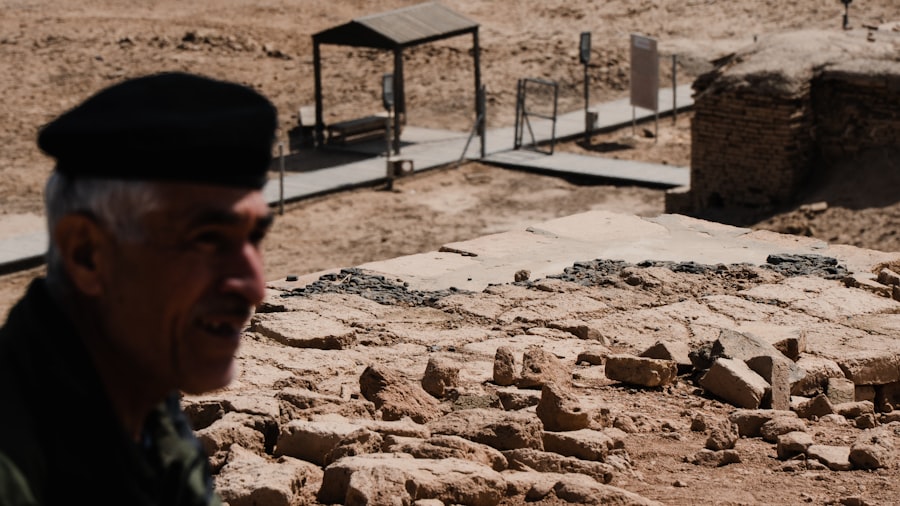
Beyond the grand narratives of empires and forgotten cities, “Unearthing Ancient Mysteries” also excelled at bringing the human stories hidden within the archaeological record to the forefront. It highlighted the personal journeys of the archaeologists themselves and the individual lives of the people whose past they were uncovering.
The Dedication of the Archaeologist: More Than Just a Job
The film offered a glimpse into the dedication and passion of the individuals who make archaeology their life’s work. It showcased the long hours, the challenging fieldwork in remote and often harsh environments, and the intellectual rigor required to interpret the fragmented evidence. The documentary featured interviews with archaeologists at various stages of their careers, from eager graduate students to seasoned professionals, each sharing their personal motivations and the profound satisfaction they derive from contributing to our collective knowledge.
Voices from the Past: Reconstructing Everyday Lives
A significant portion of the documentary was dedicated to reconstructing the lives of ordinary people. It moved beyond the opulent tombs of pharaohs and kings to focus on the evidence found in the dwellings of commoners, offering intimate glimpses into their daily routines.
The Diet of the Ancient World
Through the analysis of pottery shards, seeds, and animal bones, the film painted a vivid picture of ancient diets. Viewers learned about the staple crops, the methods of food preparation, and the importance of trade in providing variety. This grounded understanding of what people ate connected them to their basic human needs and the challenges they faced in obtaining sustenance.
Family Life and Social Structures
The discovery of children’s toys, domestic tools, and evidence of family units provided insights into ancient family structures and social dynamics. The documentary explored how these finds challenge our assumptions about the past, often revealing surprising similarities in the fundamental human desires for connection, care, and companionship. The interpretation of burial practices, particularly the inclusion of grave goods, offered clues about beliefs in the afterlife and the perceived status of individuals within their communities.
Belief Systems and Rituals
The exploration of religious artifacts, votive offerings, and temple structures revealed the complex belief systems of ancient peoples. The documentary delved into their rituals, their gods, and their understanding of the cosmos. By analyzing the placement of sacred objects and the architecture of religious sites, archaeologists could reconstruct the spiritual landscape that shaped the lives of these forgotten communities.
In the fascinating world of archaeology, documentaries often reveal the secrets of ancient civilizations and their remarkable achievements. One such captivating exploration can be found in the article that delves into the mysteries of ancient builders and their techniques. This piece offers insights that complement the themes presented in many archaeology documentaries, making it a valuable resource for enthusiasts. To learn more about these ancient secrets, you can read the article here: uncovering ancient builders’ secrets.
The Future of Discovery: What Lies Beneath?
| Documentary Title | Release Year | Director | Duration |
|---|---|---|---|
| Lost Worlds: The Story of Archaeology | 2000 | Phil Grabsky | 120 minutes |
| Secrets of the Dead: The Lost Gardens of Babylon | 2014 | Rob Cowling | 60 minutes |
| First Civilizations | 2018 | Michael Barnes | 4 episodes |
As “Unearthing Ancient Mysteries” drew to a close, it shifted its focus to the future of archaeology, highlighting the ongoing quest for knowledge and the exciting possibilities that lie ahead. The film emphasized that the earth still holds countless secrets, waiting to be unveiled by the next generation of dedicated researchers.
Embracing New Frontiers and Emerging Technologies
The documentary looked forward, discussing how new technologies will continue to push the boundaries of archaeological discovery. The potential of artificial intelligence in analyzing vast datasets, the further refinement of remote sensing techniques, and the exploration of previously inaccessible environments like the deep sea and even extraterrestrial bodies were all touched upon. The idea of digital archaeology, where vast virtual reconstructions of sites allow for immersive exploration, also held great promise.
The Ethical Imperative: Preservation and Cultural Heritage
Crucially, the film stressed the ethical dimensions of archaeological work. The importance of preserving cultural heritage for future generations, the responsibility of archaeologists to work with local communities, and the ongoing challenges of protecting sites from looting and destruction were all underscored. The documentary argued that archaeology is not just about digging up the past; it is also about safeguarding it.
The Unending Quest: Why the Mystery Endures
The final moments of the documentary returned to the initial premise: the enduring human drive to understand our past. The film concluded that even as we uncover more answers, new questions will inevitably arise. The earth is a vast library, and each discovery is but a chapter in an ongoing epic. The allure of the unknown, the promise of untold stories waiting to be unearthed, ensures that the quest to understand our ancient mysteries will continue, captivating minds and inspiring wonder for generations to come. The documentary left the viewer with a profound sense of awe for the resilience and ingenuity of humanity, and an optimistic anticipation for the future discoveries that await.

The Lost City That Was Never Really Lost
FAQs
What is an archaeology documentary?
An archaeology documentary is a film or television program that explores the study of human history and prehistory through the excavation and analysis of artifacts, structures, and other physical remains.
What is the purpose of an archaeology documentary?
The purpose of an archaeology documentary is to educate and inform viewers about the methods, discoveries, and significance of archaeological research. It aims to showcase the importance of preserving and understanding our cultural heritage.
What can viewers expect to see in an archaeology documentary?
Viewers can expect to see footage of archaeological excavations, interviews with archaeologists and experts, analysis of artifacts, reconstructions of ancient civilizations, and discussions about the historical and cultural context of archaeological findings.
Are archaeology documentaries based on real events and research?
Yes, archaeology documentaries are based on real archaeological research, findings, and events. They often feature actual excavations, discoveries, and scientific analysis conducted by archaeologists and researchers.
Where can one watch archaeology documentaries?
Archaeology documentaries can be found on various streaming platforms, television channels, and online video services. They are also available for purchase or rental on DVD and Blu-ray. Additionally, some museums and educational institutions may screen archaeology documentaries for public viewing.