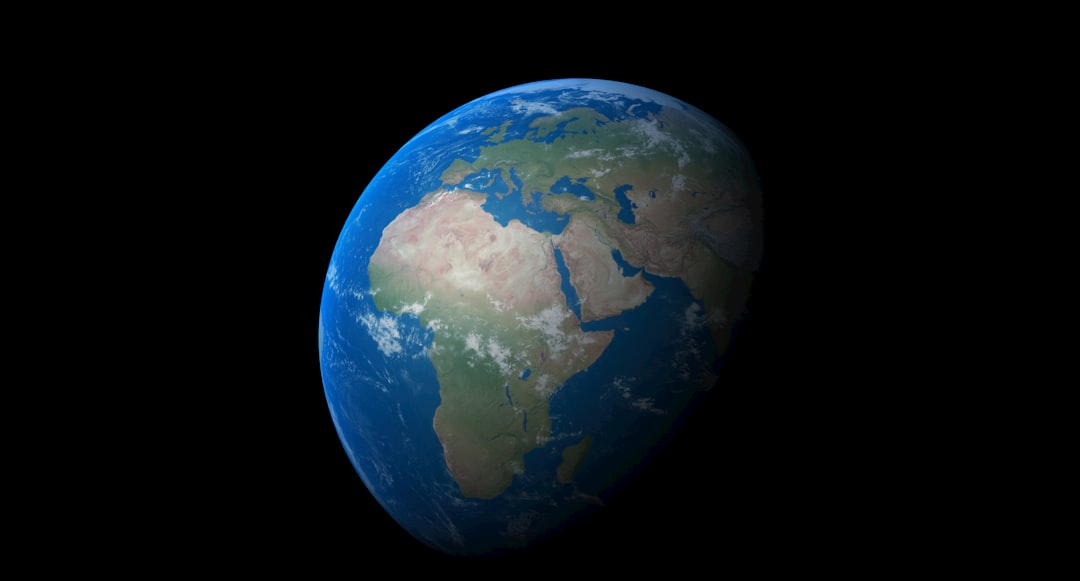
Exploring Earth: A Fascinating Science Documentary
The vastness of our planet, from its fiery core to the farthest reaches of its atmosphere, is a subject that has captivated humanity for millennia. In a world saturated with information, discerning truly insightful and engaging content can be a challenge. However, the science documentary “Exploring Earth” emerges as a beacon of clarity and wonder, offering viewers an unparalleled journey through the intricate processes that shape our home. This film is not merely a collection of stunning visuals; it is a meticulously crafted narrative that delves into the fundamental forces governing Earth’s existence, making complex scientific concepts accessible and profoundly moving.
The documentary’s exploration begins with the very genesis of Earth, tracing its tumultuous formation from a swirling disk of cosmic dust and gas. The sheer scale of these primordial events, visualized with breathtaking CGI, immediately immerses the audience in a story of planetary birth. “Exploring Earth” effectively communicates the intense heat and pressure that forged our planet, highlighting the crucial role of asteroid impacts in delivering water and other essential elements. The narrative seamlessly transitions from the grand cosmic spectacle to the intimate geological processes that continue to sculpt our world.
The Crucible of Creation: Earth’s Formation
The film meticulously recreates the chaotic early moments of Earth’s history. Viewers witness the violent collisions that gradually coalesced into a molten sphere. The documentary explains, through expert interviews and vivid animations, how gravity played a pivotal role in this aggregation. It emphasizes that the initial planet was a far cry from the habitable world we know today, a searing inferno shaped by relentless bombardment. The early atmosphere, thick with volcanic gases, is depicted as toxic and alien, a stark contrast to the life-sustaining air we breathe.
From Molten Rock to Solid Ground: The Cooling Process
A significant portion of this section is dedicated to the gradual cooling of the planet’s surface. The documentary illustrates how radioactive decay within the Earth’s interior provided a sustained heat source, preventing the planet from freezing over. It details the formation of the first crust, a thin, fragile shell that would soon be subjected to unimaginable forces. The scientists featured in “Exploring Earth” explain the scientific models that allow us to infer these ancient conditions, emphasizing the blend of observational evidence and theoretical understanding required to piece together Earth’s deep past.
The Engine Within: Plate Tectonics in Motion
The true dynamism of Earth is revealed through its exploration of plate tectonics. “Exploring Earth” masterfully explains how the Earth’s lithosphere is broken into massive plates that float and move upon the semi-fluid asthenosphere. This section is crucial for understanding many of Earth’s most dramatic geological features and phenomena. The documentary avoids overly technical jargon, opting instead for clear analogies and stunning visuals that make the abstract concept of continental drift tangible.
The Slow Dance of Continents: Continental Drift Explained
Viewers are treated to time-lapses of continental movement, demonstrating how landmasses have shifted over millions of years. The film explains the driving forces behind this slow-motion ballet: convection currents within the mantle, fueled by the Earth’s internal heat. The impact of this constant movement is illustrated through the formation of mountain ranges, the opening and closing of oceans, and the triggering of seismic events. The documentary’s ability to compress eons of geological change into digestible segments is a testament to its innovative filmmaking.
Where Worlds Collide: The Drama of Plate Boundaries
The documentary vividly portrays the dramatic interactions at plate boundaries. The creation of new crust at divergent boundaries, where plates pull apart, is shown with animations of mid-ocean ridges. The destructive power of convergent boundaries, where plates collide, is brought to life through the majestic formation of the Himalayas and the terrifying volcanic activity of subduction zones. The film doesn’t shy away from the destructive aspects of these geological processes, explaining how they can lead to devastating earthquakes and tsunamis, but also emphasizing their role in recycling Earth’s crust and driving mineral formation.
In exploring the fascinating dynamics of Earth’s climate and geological processes, the documentary “Chasing Ice” provides a compelling visual narrative that complements the insights found in the article on geological evidence of subglacial Antarctica. This article delves into the hidden landscapes beneath the ice, revealing how these features can influence global sea levels and climate patterns. For a deeper understanding of this critical subject, you can read the article here: Geological Evidence of Subglacial Antarctica.
The Breath of Life: Our Oceans and Atmosphere
Moving outward from the Earth’s crust, “Exploring Earth” dedicates substantial time to the interconnected systems of its oceans and atmosphere, the very lifeblood of our planet. These seemingly disparate realms are shown to be intricately linked, constantly exchanging energy and matter in a delicate dance that sustains life as we know it. The documentary’s visual artistry shines here, capturing the immense power and tranquil beauty of these colossal systems.
The Blue Heart: Oceans as Earth’s Regulator
The film delves deep into the vastness of our oceans, revealing them not just as bodies of water, but as critical regulators of global climate and incredible reservoirs of biodiversity. The documentary explores the various currents that circulate heat around the globe, preventing extreme temperature variations. It highlights the profound impact of ocean currents on weather patterns and the distribution of life.
The Great Conveyor Belt: Ocean Circulation Revealed
“Exploring Earth” expertly visualizes the thermohaline circulation, often referred to as the “great conveyor belt.” The documentary explains how differences in temperature and salinity drive the movement of vast quantities of water, influencing climates from the tropics to the poles. This section is crucial for understanding global weather systems and the interconnectedness of Earth’s oceans. The scientists explain how changes in this circulation, whether natural or anthropogenic, can have far-reaching consequences on regional and global climates.
The Unseen Depths: Life in the Abyss
Beyond the surface, the documentary takes viewers into the mysterious abyssal plains and hydrothermal vents, uncovering the incredible diversity of life that thrives in these extreme environments. The footage of bioluminescent creatures and unique adaptations to high pressure and darkness is simply astounding. The film challenges perceptions of where life can exist, showcasing the resilience and adaptability of organisms in conditions previously thought to be uninhabitable.
The Gaseous Veil: Our Protective Atmosphere
The atmosphere, a seemingly insubstantial layer of gases, is presented as a critical shield and a dynamic engine of weather. “Exploring Earth” highlights the composition of our atmosphere and its vital role in regulating temperature and protecting us from harmful solar radiation. The documentary moves beyond a simple description to examine the complex processes that govern atmospheric behavior.
The Symphony of Weather: Clouds, Storms, and Wind
The film’s visualization of weather phenomena is nothing short of spectacular. From the genesis of towering cumulonimbus clouds to the fury of hurricanes, the documentary captures the raw power and intricate beauty of atmospheric dynamics. It explains the fundamental principles of meteorology, including the formation of pressure systems, the role of the jet stream, and the complex interplay of temperature and moisture that shapes our weather. The use of satellite imagery and advanced computer modeling allows for an unprecedented look at these processes.
The Fragile Balance: Greenhouse Gases and Climate Change
A significant and timely element of this section addresses the critical issue of climate change. “Exploring Earth” presents the scientific consensus on the role of greenhouse gases in Earth’s climate system. It avoids sensationalism, opting instead for a clear, data-driven explanation of the greenhouse effect and the observed impacts of increased greenhouse gas concentrations. The documentary explores the potential consequences of inaction, emphasizing the interconnectedness of our planet’s systems and the urgent need for global cooperation.
The Sculptors of Landscapes: Erosion and the Passage of Time
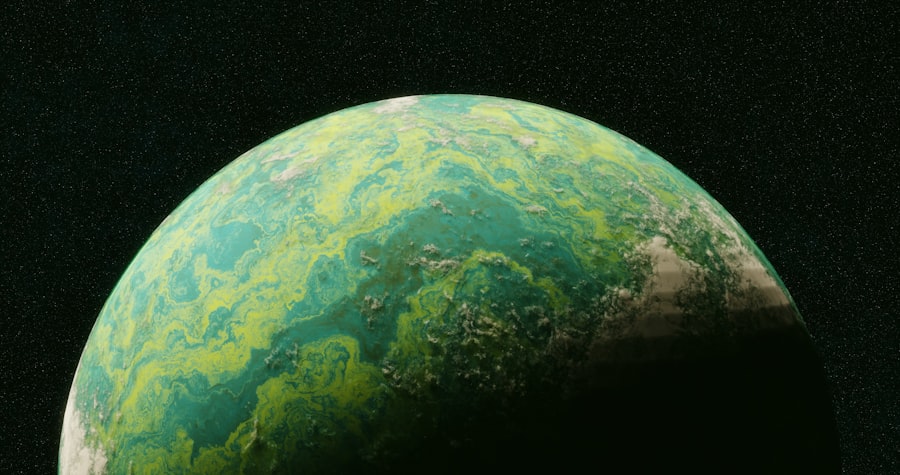
After exploring the Earth’s internal heat and the dynamic forces of its oceans and atmosphere, “Exploring Earth” shifts its focus to the agents that relentlessly sculpt its surface: erosion and the passage of immense geological time. This section provides a profound appreciation for the slow, persistent work of nature in shaping the world around us into the forms we recognize. The documentary effectively conveys the immense timescales involved, making the viewer feel a sense of awe at the cumulative power of seemingly small forces.
The Wear and Tear of Ages: Forces of Erosion
The documentary dedicates considerable attention to the various forces that wear down and rearrange Earth’s surface. Water, in its liquid and solid forms, is presented as a primary sculptor. The film showcases the breathtaking power of rivers carving canyons, glaciers grinding mountains into dust, and the relentless lapping of waves against coastlines.
Rivers of Power: The Art of Fluvial Erosion
Viewers witness the astonishing work of rivers, from the meandering pathways of lowland streams to the dramatic gorges carved by powerful torrents. The documentary explains how factors like water volume, velocity, and sediment load contribute to the erosive power of rivers. The formation of features like V-shaped valleys, meanders, and deltas are explained in accessible terms, accompanied by stunning aerial footage and close-up shots of the erosive process. The film highlights how these processes are not static, but are constantly reshaping the landscape in real-time.
The Ice Sculptors: The Majesty of Glacial Erosion
The film’s depiction of glacial erosion is particularly awe-inspiring. The sheer mass and slow, inexorable movement of glaciers are shown to be capable of transforming entire landscapes. The documentary illustrates the formation of U-shaped valleys, cirques, and fjords, showcasing the distinct erosional signatures left behind by these icy giants. The footage of retreating glaciers serves as a stark reminder of the impact of climate change, while the historical context emphasizes their immense geological influence over millennia.
The Slow Hand of Time: Geological Eras Unveiled
Understanding the processes of erosion is inextricably linked to grasping the vastness of geological time. “Exploring Earth” makes a significant effort to contextualize these landscape-altering events within the grand timeline of Earth’s history. The documentary doesn’t just present facts; it aims to instill a sense of perspective.
Reading the Rocks: Fossils as Earth’s Diary
The film delves into the science of paleontology, explaining how fossils are our primary window into past life and ancient environments. The documentary showcases remarkable fossil discoveries, from the earliest microbial life to the magnificent remains of dinosaurs. Each fossil is presented not just as a relic, but as a piece of evidence that helps us reconstruct the Earth’s history, understand evolutionary pathways, and infer past climatic conditions. The meticulous work of paleontologists is highlighted, emphasizing the scientific rigor involved in interpreting these ancient clues.
The Unfolding Story: From Hadean to Holocene
“Exploring Earth” provides a sweeping overview of Earth’s major geological eras. From the primordial chaos of the Hadean eon to the relatively stable Holocene epoch, the documentary connects geological processes, climate shifts, and the evolution of life. This chronological journey offers a profound understanding of how our planet has transformed over billions of years. The film avoids simply listing dates, instead weaving a narrative of change, extinction, and renewal that underscores the dynamic nature of Earth’s history.
The Web of Life: Biodiversity and Ecosystems
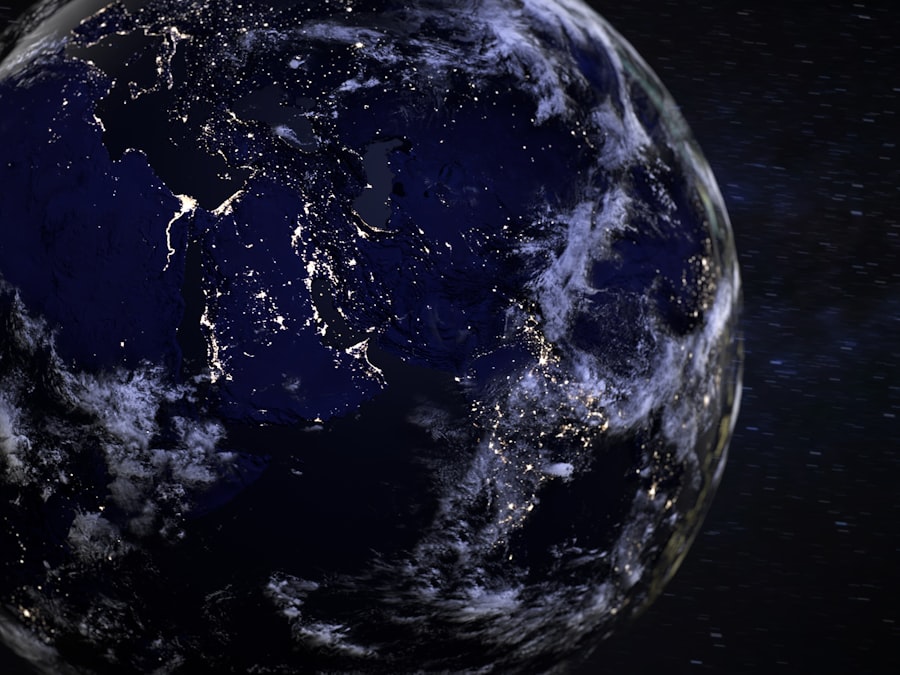
No exploration of Earth would be complete without a deep dive into the astonishing array of life it supports. “Exploring Earth” dedicates significant attention to the planet’s biodiversity, showcasing the intricate relationships between organisms and their environments, and the vital role these ecosystems play in maintaining the health of our planet. This section is a celebration of life in all its forms, from the microscopic to the colossal.
A Million Forms of Life: The Diversity of Ecosystems
The documentary journeys across a multitude of habitats, from the scorching deserts to the frigid polar regions, from the dense rainforests to the vibrant coral reefs. Each ecosystem is depicted with stunning detail, highlighting the unique adaptations of the species that call them home. The film emphasizes that diversity is not just about the number of species, but also about the complex interactions and dependencies that characterize each environment.
The Rainforest’s Embrace: A Symphony of Life
The lush biodiversity of tropical rainforests is showcased with captivating footage of exotic flora and fauna. The documentary explains the delicate balance within these ecosystems, where every species plays a role, and the intricate relationships that have evolved over millennia. The film underscores the vital ecological services that rainforests provide, such as oxygen production and carbon sequestration, making their preservation a global imperative.
The Ocean’s Living Jewels: Coral Reefs in Focus
Coral reefs are presented as underwater metropolises, teeming with an incredible diversity of marine life. The documentary explores the symbiotic relationships between corals and the algae living within their tissues, and the complex food webs that support fish, invertebrates, and other ocean dwellers. The film also addresses the threats facing these fragile ecosystems, such as rising ocean temperatures and pollution, highlighting their vulnerability and the urgent need for conservation efforts.
The Interconnectedness of All Things: Ecological Principles
“Exploring Earth” goes beyond mere depiction to explain fundamental ecological principles. The documentary illustrates concepts such as food webs, predator-prey relationships, and competition, demonstrating how these forces drive the evolution and survival of species. It emphasizes that each organism, no matter how small, has a role to play in the intricate tapestry of life.
The Delicate Balance: Food Webs and Energy Flow
The film provides clear and engaging explanations of food webs, showing how energy flows through an ecosystem from producers to consumers. Viewers witness how the removal or decline of one species can have cascading effects throughout the entire system. This section effectively communicates the fragility of ecological balance and the interconnectedness of all living things. The visual representations of energy transfer make this complex concept easily understandable.
Adaptation and Survival: The Engine of Evolution
The documentary highlights the remarkable adaptations that allow life to thrive in diverse and challenging environments. From the camouflage of a chameleon to the extreme cold tolerance of polar bears, each example serves as a testament to the power of natural selection. The film explains how these adaptations are the result of millions of years of evolutionary processes, driven by the constant interplay between organisms and their environments.
In exploring the fascinating world of Earth science, one cannot overlook the remarkable achievements of ancient civilizations in engineering, as highlighted in a recent article. This piece delves into the intricacies of megalithic structures and their significance in understanding our planet’s geological history. For those interested in this captivating subject, you can read more about it in the article on ancient megalithic engineering. The insights provided not only shed light on the techniques used by our ancestors but also enhance our appreciation for the Earth’s past.
Our Shared Responsibility: Earth’s Future and Human Impact
| Documentary Title | Release Year | Director | Duration (minutes) |
|---|---|---|---|
| Planet Earth | 2006 | Alastair Fothergill | 550 |
| Blue Planet II | 2017 | James Honeyborne | 360 |
| Our Planet | 2019 | Alastair Fothergill | 400 |
In its concluding segments, “Exploring Earth” thoughtfully transitions from documenting Earth’s past and present to considering its future and humanity’s role in shaping it. This part of the documentary is both a call to action and a testament to the enduring power and resilience of our planet, provided we act with wisdom and foresight. It’s a sobering yet hopeful conclusion that leaves a lasting impression.
The Anthropocene Epoch: humanity’s Footprint
The documentary acknowledges the profound impact humanity has had on the Earth, introducing the concept of the Anthropocene epoch. It presents scientific evidence of human-induced changes to the climate, atmosphere, and ecosystems. The film avoids an accusatory tone, instead focusing on the observable scientific realities of our collective influence and the unprecedented scale of these alterations.
Environmental Challenges: A Global Perspective
“Exploring Earth” lays out some of the most pressing environmental challenges facing our planet today. This includes discussions on pollution, deforestation, habitat loss, and the depletion of natural resources. The documentary uses data visualization and expert commentary to illustrate the scale of these issues and their potential long-term consequences for both the environment and human civilization. The film emphasizes that these are not isolated problems, but interconnected global challenges requiring international cooperation.
Towards a Sustainable Future: Hope and Innovation
Despite the grave challenges presented, the documentary concludes with a message of hope, highlighting human ingenuity and the growing global movement towards sustainability. Viewers are shown examples of innovative technologies and conservation efforts that are making a real difference. The film celebrates scientific research, technological advancements, and community-driven initiatives that are working to mitigate environmental damage and promote ecological balance.
The Call to Stewardship: Our Role as Guardians
Ultimately, “Exploring Earth” serves as a powerful reminder of our responsibility as stewards of this remarkable planet. The documentary encourages viewers to think critically about their own impact and to engage in actions that can contribute to a healthier future for Earth. The film’s overarching message is one of interconnectedness and shared destiny, urging us to protect the precious gift of our home for generations to come. The final scenes often feature individuals enacting positive change, reinforcing the idea that collective action, no matter how small, can lead to significant outcomes. The documentary leaves the audience with a profound sense of wonder for our planet and a renewed commitment to its preservation.

The Lost City That Was Never Really Lost
FAQs
What is Earth science?
Earth science is the study of the Earth and its processes, including geology, meteorology, oceanography, and environmental science. It encompasses the study of the Earth’s structure, composition, and history, as well as the interactions between the Earth’s various systems.
What is an Earth science documentary?
An Earth science documentary is a film or video production that explores various aspects of Earth science, such as geological formations, weather patterns, climate change, and environmental issues. These documentaries often feature interviews with scientists, stunning visuals of natural landscapes, and explanations of complex scientific concepts.
What are some popular Earth science documentaries?
Some popular Earth science documentaries include “Planet Earth” and “Blue Planet” by the BBC, “Chasing Ice” which focuses on climate change and melting glaciers, and “An Inconvenient Truth” featuring former Vice President Al Gore discussing global warming.
How can Earth science documentaries benefit viewers?
Earth science documentaries can educate viewers about the natural world, raise awareness about environmental issues, and inspire a sense of wonder and appreciation for the Earth’s beauty and complexity. They can also provide insights into the work of scientists and the process of scientific discovery.
Where can I watch Earth science documentaries?
Earth science documentaries can be found on streaming platforms such as Netflix, Amazon Prime, and Hulu, as well as on educational websites and through DVD or Blu-ray purchases. Additionally, many television networks and channels feature Earth science documentaries as part of their programming.