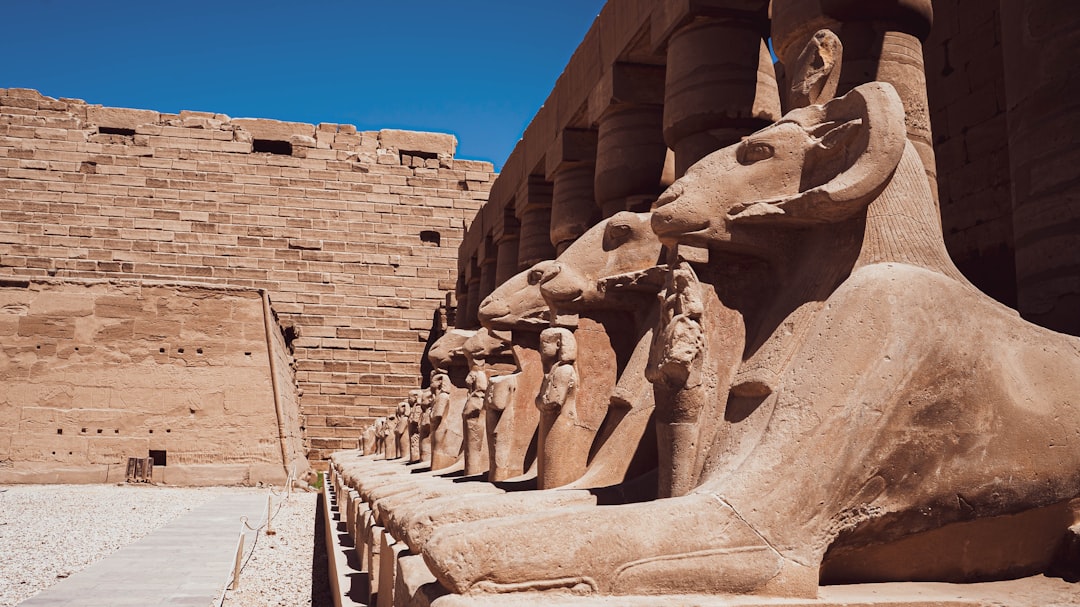
The silent earth, a repository of time, holds within its depths the echoes of forgotten peoples. For millennia, human societies have risen and flourished, leaving behind the indelible marks of their existence. These remnants, often buried by the relentless march of centuries, are the silent witnesses to our collective past, offering tantalizing glimpses into the lives, beliefs, and achievements of those who walked the earth long before us. Unearthing these buried ancient civilizations is not merely an archaeological endeavor; it is a journey into the very essence of human history, a pursuit that continues to reshape our understanding of who we are and how we came to be.
The human impulse to explore the unknown is a powerful driving force, and few unknowns are as compelling as the remnants of past civilizations. The allure of discovery lies in its multifaceted nature, appealing to our innate curiosity, our desire for knowledge, and even our sense of wonder. Archaeologists, armed with trowels, brushes, and an unwavering dedication, are the modern-day cartographers of forgotten worlds, meticulously piecing together fragments of the past to reveal the grand tapestry of human experience.
The Pursuit of Knowledge
At its core, the excavation of ancient sites is a scientific pursuit driven by the desire to understand. Each artifact, each architectural fragment, each skeletal remains offers a data point, a clue that contributes to a larger picture. By studying these remnants, researchers can reconstruct societal structures, economic systems, religious practices, and technological advancements. This accumulation of knowledge allows us to trace the evolution of human ingenuity and social organization, identifying patterns and trends that might otherwise remain hidden.
Understanding Human Development
The study of ancient civilizations provides a crucial baseline for understanding human development. From the earliest hunter-gatherer societies to the complex urban centers of antiquity, each stage offers insights into how humans have adapted to their environments, developed tools, and formed communities. This historical perspective is vital for addressing contemporary challenges, as lessons learned from past successes and failures can inform our present-day decisions.
Decoding Lost Languages and Scripts
Perhaps one of the most intellectually stimulating aspects of unearthing ancient civilizations is the challenge of deciphering lost languages and scripts. From the hieroglyphs of ancient Egypt to the cuneiform of Mesopotamia, these written records are direct conduits to the thoughts and ideas of past peoples. The success of scholars in cracking these ancient codes has unlocked vast troves of historical information, revealing details about their politics, literature, science, and daily lives.
The Riddle of the Missing Pieces
Every ancient civilization, no matter how well-documented, has its gaps. History is often a mosaic with missing pieces, and archaeology is the art of finding them. The fragments unearthed can fill these voids, shedding light on periods for which written records are scarce or nonexistent. This quest for completeness is a significant motivator for ongoing research and exploration.
Reconstructing Daily Life
While grand monuments and royal inscriptions often dominate historical narratives, archaeology excels at revealing the minutiae of everyday existence. The discovery of common tools, pottery, dwelling structures, and even food remains allows us to reconstruct the mundane realities of ancient lives, providing a more intimate and relatable connection to the past.
Challenging Existing Narratives
Sometimes, the discoveries made challenge long-held assumptions or even outright rewrite historical narratives. New evidence from an archaeological site can force a reevaluation of established theories, leading to a more nuanced and accurate understanding of historical events and societal trajectories.
The Thrill of the Unexpected
Beyond the systematic pursuit of knowledge, there is an undeniable thrill in the unexpected. The serendipitous discovery of a hidden tomb, a perfectly preserved artifact, or an entire city lost to time evokes a sense of wonder and awe. This element of surprise is a constant source of inspiration for those who venture into the field.
The “Indiana Jones” Factor
While romanticized in popular culture, the “Indiana Jones” factor, the pure excitement of uncovering something significant and previously unknown, remains a palpable draw for many involved in archaeology. It is the spark that ignites imagination and fuels dedication in the face of challenging conditions.
Unforeseen Scientific Insights
Occasionally, archaeological discoveries yield unforeseen scientific insights. The preservation of organic materials, for instance, can provide valuable information for paleobotanists, archaeozoologists, and even geneticists studying ancient populations.
Exploring the mysteries of buried ancient civilizations often leads to fascinating discoveries about human history and cultural evolution. For instance, the article on the impact of nearshoring on inflation provides insights into how modern economic practices can be influenced by historical trade routes and ancient economic systems. Understanding these connections can enhance our appreciation of how past civilizations laid the groundwork for contemporary society. To read more about this intriguing topic, visit this article.
Methods and Technologies: Tools of the Trade
The process of unearthing ancient civilizations has evolved dramatically over time, moving from haphazard treasure hunting to sophisticated scientific investigation. Modern archaeology employs a diverse array of methods and technologies, each playing a crucial role in the systematic and ethical excavation of delicate historical sites.
Traditional Excavation Techniques
Despite the advent of advanced technologies, the fundamental techniques of archaeological excavation remain vital. These methods are grounded in careful observation, meticulous documentation, and a deep understanding of stratigraphy – the study of the layers of soil and sediment that accumulate over time.
Stratigraphic Excavation
Stratigraphy is the cornerstone of archaeological dating and interpretation. By meticulously excavating in layers, archaeologists can determine the chronological order of deposits, with deeper layers generally representing older periods. This method helps to establish the sequence of events at a site and the context of unearthed artifacts.
Grid Systems and Documentation
To ensure that every discovery is accurately recorded, sites are typically divided into grids. Each element found within a grid square – from a humble shard of pottery to a monumental structure – is meticulously documented, photographed, and its precise location recorded. This detailed record-keeping is crucial for later analysis and interpretation.
Sieving and Flotation
To recover even the smallest artifacts, such as seeds, bone fragments, or micro-tools, archaeologists employ sieving techniques. Flotation, a more specialized method, involves washing soil samples in water to separate lighter organic materials from heavier debris, revealing valuable ecological and dietary information.
Advanced Geophysical Survey Techniques
Before a single shovel breaks ground, sophisticated geophysical survey techniques are often employed to identify potential subsurface features and anomalies. These non-invasive methods allow archaeologists to “see” beneath the surface, guiding excavation efforts and minimizing damage to potentially sensitive areas.
Ground-Penetrating Radar (GPR)
GPR uses radar pulses to image the subsurface. It can detect buried structures, walls, ditches, and even voids, providing a detailed map of potential archaeological features without disturbing the ground.
Magnetometry
Magnetometry measures variations in the Earth’s magnetic field, which can be caused by buried features like kilns, hearths, or fired clay structures. These variations create magnetic anomalies that can be mapped and interpreted.
Electrical Resistivity
Electrical resistivity surveys measure the electrical resistance of the soil. Different materials have different resistances, allowing archaeologists to identify variations that might indicate buried walls, foundations, or filled ditches.
Remote Sensing and Aerial Archaeology
The advent of aerial and satellite imagery has revolutionized archaeological discovery, allowing for the identification of sites that are invisible from ground level. These technologies offer a bird’s-eye view, revealing patterns and features that would otherwise remain hidden.
Aerial Photography and Photogrammetry
Traditional aerial photography, especially when taken at oblique angles during specific times of day, can reveal subtle variations in crop growth or soil marks that indicate buried archaeological features. Photogrammetry is used to create detailed 3D models from overlapping aerial photographs.
Satellite Imagery and LiDAR
Satellite imagery provides broad-scale coverage, allowing for the identification of large-scale features and patterns across vast landscapes. LiDAR (Light Detection and Ranging) uses laser pulses to create highly detailed topographic maps, even in dense vegetation, revealing buried structures and earthworks with remarkable clarity.
Notable Discoveries and Their Significance
Throughout history, countless remarkable discoveries of ancient civilizations have reshaped our understanding of the past. These unearthed treasures are not merely curiosities; they are windows into the lives, achievements, and worldviews of our ancestors, offering profound insights into the trajectory of human civilization.
The Wonders of the Ancient World
From legendary cities lost to time to monumental structures that defy belief, the unearthing of ancient wonders has captured the human imagination for centuries. These discoveries often represent the pinnacle of ancient engineering, artistic expression, and societal organization.
The Pyramids of Egypt
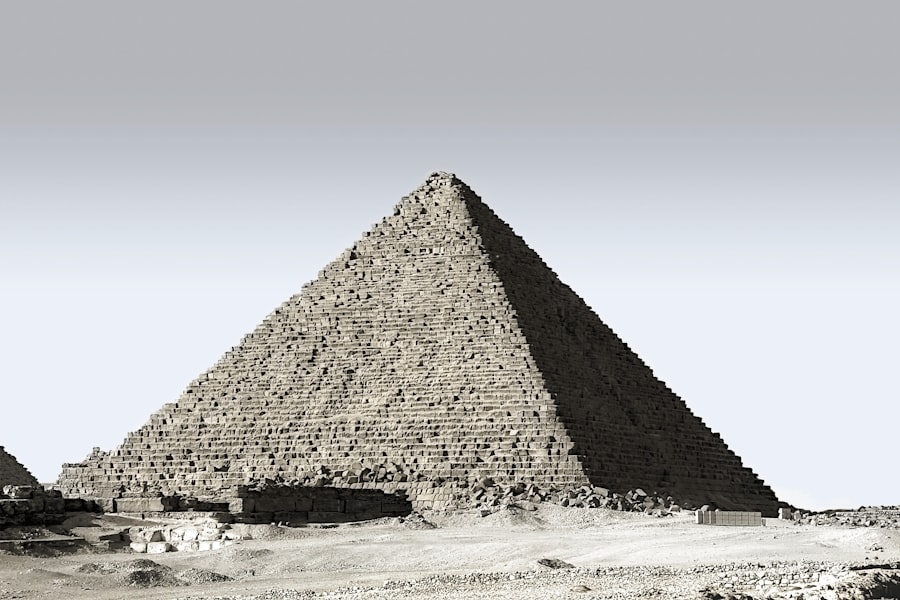
The Great Pyramids of Giza, the last surviving wonder of the ancient world, are testament to the ingenuity and organizational prowess of Old Kingdom Egypt. Their construction, shrouded in mystery for millennia, continues to be a subject of immense fascination and ongoing research. Archaeological investigations have shed light on the sophisticated techniques, labor organization, and religious beliefs that underpinned these colossal structures.
Machu Picchu: The Lost City of the Incas
Perched high in the Andes Mountains, Machu Picchu remained hidden from the outside world for centuries. Its rediscovery in 1911 unveiled a breathtaking Inca citadel, providing invaluable insights into their architectural mastery, agricultural practices, and societal structure. The intricate stonework, sophisticated water management systems, and astronomical alignments speak to the advanced knowledge of this South American civilization.
The City of Pompeii
The volcanic eruption of Mount Vesuvius in 79 AD tragically preserved the Roman city of Pompeii in a unique time capsule. Excavations have revealed a remarkably intact snapshot of Roman life, from public buildings and private homes to everyday objects and even the poignant plaster casts of victims. Pompeii offers an unparalleled glimpse into the social, economic, and domestic realities of the Roman Empire at a specific moment in history.
Unraveling the Mysteries of Early Humans
Beyond grand cities and impressive monuments, archaeological endeavors have also been crucial in understanding the very origins of humanity and the development of early human societies. These discoveries push back the timeline of human civilization and reveal the ingenuity of our earliest ancestors.
The Discovery of Ötzi the Iceman
The remarkably preserved body of Ötzi the Iceman, discovered in the Ötztal Alps, provided an unprecedented look at a Copper Age individual. His clothing, tools, and even his last meal offered invaluable information about the technology, lifestyle, and physical condition of people living over 5,000 years ago.
The Dawn of Agriculture: Catalhoyuk
The Neolithic settlement of Catalhoyuk in modern-day Turkey is a prime example of early agricultural communities. Excavations have revealed a densely packed urban settlement dating back over 9,000 years, showcasing evidence of early farming, animal domestication, and complex social organization, challenging previous notions about the development of settled life.
The Cradle of Civilization: Mesopotamia
The region of Mesopotamia, between the Tigris and Euphrates rivers, is often referred to as the “cradle of civilization.” Archaeological excavations in this area have unearthed evidence of the world’s earliest cities, writing systems (cuneiform), sophisticated legal codes, and complex religious practices, laying the foundation for much of Western civilization.
The Legacy of Lost Empires
The rise and fall of empires leave behind a rich archaeological legacy. The remnants of these once-powerful states offer insights into their military might, administrative systems, cultural achievements, and the reasons for their eventual decline, providing invaluable lessons for understanding the dynamics of power and societal change.
The Roman Empire’s Reach
The vastness of the Roman Empire left an indelible mark on the landscapes it encompassed. Excavations of Roman cities, forts, roads, and villas across Europe, North Africa, and the Middle East reveal the extent of its influence and the sophisticated infrastructure it developed.
The Maya Civilization’s Golden Age
The Maya civilization of Mesoamerica, known for its advanced calendar, hieroglyphic writing, and intricate cosmology, experienced a classical period of remarkable cultural and intellectual achievement. Archaeological sites like Tikal, Palenque, and Chichen Itza continue to reveal the complexity of their city-states, religious beliefs, and astronomical knowledge.
The Silk Road’s Echoes
The ancient network of trade routes known as the Silk Road connected the East and West, facilitating the exchange of goods, ideas, and cultures for centuries. Archaeological discoveries along these routes, from ancient caravanserai to buried settlements, illustrate the vibrant cross-cultural interactions and economic interdependence that characterized this era.
Challenges and Ethical Considerations
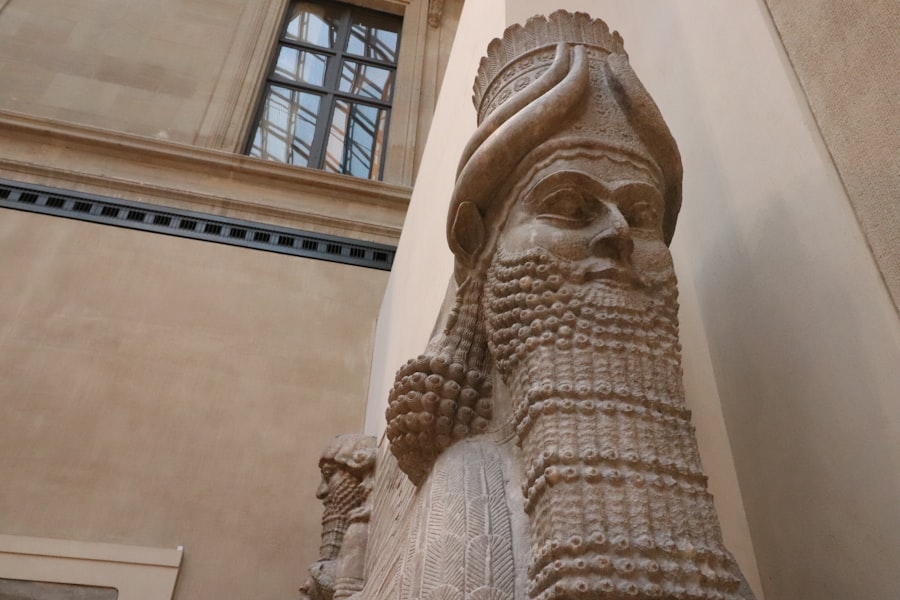
The pursuit of unearthing buried ancient civilizations, while immensely rewarding, is fraught with challenges and ethical dilemmas. The delicate nature of archaeological sites, coupled with the potential for exploitation, demands a rigorous commitment to responsible practices and ethical conduct.
Preservation vs. Excavation
A fundamental tension in archaeology is the balance between the need to excavate and the imperative to preserve. Once a site is excavated, it is irrevocably altered. Archaeologists must carefully consider whether the knowledge gained justifies the disturbance of the site, and whether proper preservation measures can be implemented afterward.
The Fragility of Artifacts and Sites
Ancient artifacts and structural remains are often incredibly fragile. Exposure to the elements, improper handling, or environmental changes can lead to their rapid deterioration. Therefore, meticulous care must be taken during excavation and subsequent conservation efforts.
The Importance of Context
The value of an archaeological discovery often lies not just in the object itself, but in its context – its location within the site, its association with other artifacts, and its stratigraphic position. Excavation can destroy this context if not undertaken with extreme care and detailed documentation.
Looting and Illicit Trafficking
The illicit trade of antiquities is a pervasive and destructive problem that plagues archaeological sites worldwide. The enrichment of individuals often comes at the cost of destroying irreplaceable historical evidence and cultural heritage.
The Impact of Tomb Robbery
Tomb robbing, driven by the demand for ancient artifacts on the black market, deprives us of invaluable scientific information and reduces culturally significant sites to mere sources of treasure. It is a crime against history and against the collective memory of humanity.
International Cooperation and Legislation
Combating the illicit trafficking of antiquities requires robust international cooperation and strong legal frameworks. Efforts to repatriate stolen artifacts and prosecute those involved in illegal trade are crucial for protecting cultural heritage.
Community Engagement and Repatriation
Modern archaeology increasingly recognizes the importance of engaging with descendant communities and respecting their rights and cultural heritage. The repatriation of ancestral remains and significant artifacts to their rightful owners is becoming a vital ethical imperative.
Respect for Ancestral Remains
The exhumation and study of ancestral remains raise profound ethical questions. Archaeologists must work closely with descendant communities to ensure that these remains are treated with respect and dignity, and that decisions about their disposition are made collaboratively.
Collaborative Research and Cultural Stewardship
True partnership with local communities fosters a sense of shared stewardship over cultural heritage. This collaborative approach ensures that archaeological research benefits not only academia but also the communities whose history is being uncovered.
Funding and Resource Constraints
Archaeological research is often underfunded, leading to difficult decisions about which sites can be investigated and how thoroughly. Resource constraints can impact the quality of excavation, the scope of research, and the ability to adequately preserve discovered materials.
The Need for Sustainable Funding Models
Developing sustainable funding models for archaeology is essential for ensuring the long-term preservation and study of our shared past. This includes a combination of government funding, private endowments, and public outreach initiatives.
Balancing Preservation with Research Goals
Archaeologists must constantly balance the goals of scientific investigation with the practical limitations of available resources. This often requires prioritizing research questions and making difficult choices about the scope of excavation and analysis.
Exploring the mysteries of buried ancient civilizations often leads to fascinating discoveries about their cultures and contributions to the modern world. One intriguing aspect is how these ancient societies have influenced contemporary trade practices. For instance, Mexico’s growing role in global trade highlights the enduring legacy of its historical civilizations, which were once hubs of commerce and innovation. To learn more about this connection, you can read the article on Mexico’s growing role in global trade.
The Future of Unearthing Ancient Civilizations
| City | Location | Estimated Age | Reason for Burial |
|---|---|---|---|
| Atlantis | Unknown | Approx. 11,000 years ago | Destroyed by natural disaster |
| Pompeii | Italy | 79 AD | Destroyed by volcanic eruption |
| Troy | Turkey | Approx. 3,000 years ago | Destroyed by war |
The field of archaeology is not static; it is a constantly evolving discipline driven by new technologies, changing theoretical perspectives, and an ever-deepening understanding of the human past. The future of unearthing buried ancient civilizations promises even more groundbreaking discoveries and a more profound connection to our ancestral heritage.
Technological Advancements and New Frontiers
The integration of cutting-edge technologies will continue to push the boundaries of archaeological discovery, enabling researchers to explore previously inaccessible sites and uncover new layers of information.
The Role of Artificial Intelligence and Big Data
Artificial intelligence (AI) is beginning to play a role in analyzing vast datasets of archaeological information, identifying patterns that might be missed by human researchers. Machine learning algorithms can help in site identification, artifact classification, and even predicting the location of undiscovered sites.
Underwater and Subterranean Exploration
Advances in underwater robotics and subterranean exploration technologies will open up new frontiers for archaeological research. Sunken cities, submerged settlements, and deep cave systems, once beyond our reach, are becoming increasingly accessible for investigation.
Virtual and Augmented Reality in Archaeology
Virtual and augmented reality (VR/AR) are transforming how we experience and interact with the past. VR simulations of ancient sites offer immersive educational experiences, while AR overlays can provide real-time information about artifacts and structures at excavation sites or in museums.
A More Inclusive and Global Perspective
The future of archaeology is increasingly focused on a more inclusive and global perspective, recognizing the diverse histories and contributions of all human societies.
Decolonizing Archaeology
A conscious effort to “decolonize” archaeology involves challenging the historical biases and power imbalances inherent in the discipline. This means prioritizing the voices and perspectives of descendant communities and promoting indigenous-led research initiatives.
Interdisciplinary Collaboration
The future will see even greater collaboration between archaeologists and specialists from other fields, such as anthropologists, geneticists, historians, climatologists, and geologists. This interdisciplinary approach will yield richer and more comprehensive understandings of ancient societies.
Citizen Science and Public Engagement
The public’s fascination with ancient civilizations is a valuable resource that can be harnessed through citizen science initiatives and enhanced public engagement.
Empowering the Public in Discovery
Citizen science projects allow members of the public to contribute to archaeological research, from mapping sites to analyzing data. This not only expands the capacity for research but also fosters a sense of ownership and connection to cultural heritage.
Immersive Storytelling and Digital Archives
The digital age offers unprecedented opportunities for sharing archaeological findings with a global audience. Immersive storytelling, interactive digital archives, and sophisticated online platforms can make the past accessible and engaging for everyone.
The Enduring Quest
Ultimately, the drive to unearth buried ancient civilizations is an enduring quest, a fundamental part of the human spirit. Each discovery, whether it’s a discarded tool or a monumental temple, is a testament to our shared history and a reminder of the incredible journey humanity has undertaken. As we continue to dig, we not only uncover the past but also gain a deeper understanding of ourselves and our place in the grand continuum of time. The earth still holds countless secrets, waiting to be brought to light, and the exploration promises to continue shaping our understanding of civilization for generations to come. The silent whispers of forgotten peoples beckon, urging us onward in our perpetual excavation of humanity’s legacy.

The Lost City That Was Never Really Lost
FAQs
What are buried ancient civilizations?
Buried ancient civilizations are societies and cultures from the past that have been covered or hidden by natural processes such as sedimentation, volcanic eruptions, or shifting land masses.
How are buried ancient civilizations discovered?
Buried ancient civilizations are often discovered through archaeological excavations, ground-penetrating radar, satellite imagery, and other remote sensing technologies that can detect structures and artifacts beneath the earth’s surface.
What are some famous examples of buried ancient civilizations?
Famous examples of buried ancient civilizations include Pompeii and Herculaneum, which were buried by the eruption of Mount Vesuvius in 79 AD, and the ancient city of Troy, which was buried and forgotten until its rediscovery in the 19th century.
What can we learn from studying buried ancient civilizations?
Studying buried ancient civilizations can provide insights into the daily lives, customs, and technologies of past societies, as well as their interactions with the environment and other cultures. It can also help us understand the reasons for their decline and eventual burial.
Why is the study of buried ancient civilizations important?
The study of buried ancient civilizations is important for understanding human history and cultural development, as well as for preserving and protecting these valuable archaeological sites for future generations. It also helps us appreciate the resilience and adaptability of past societies in the face of natural and social challenges.