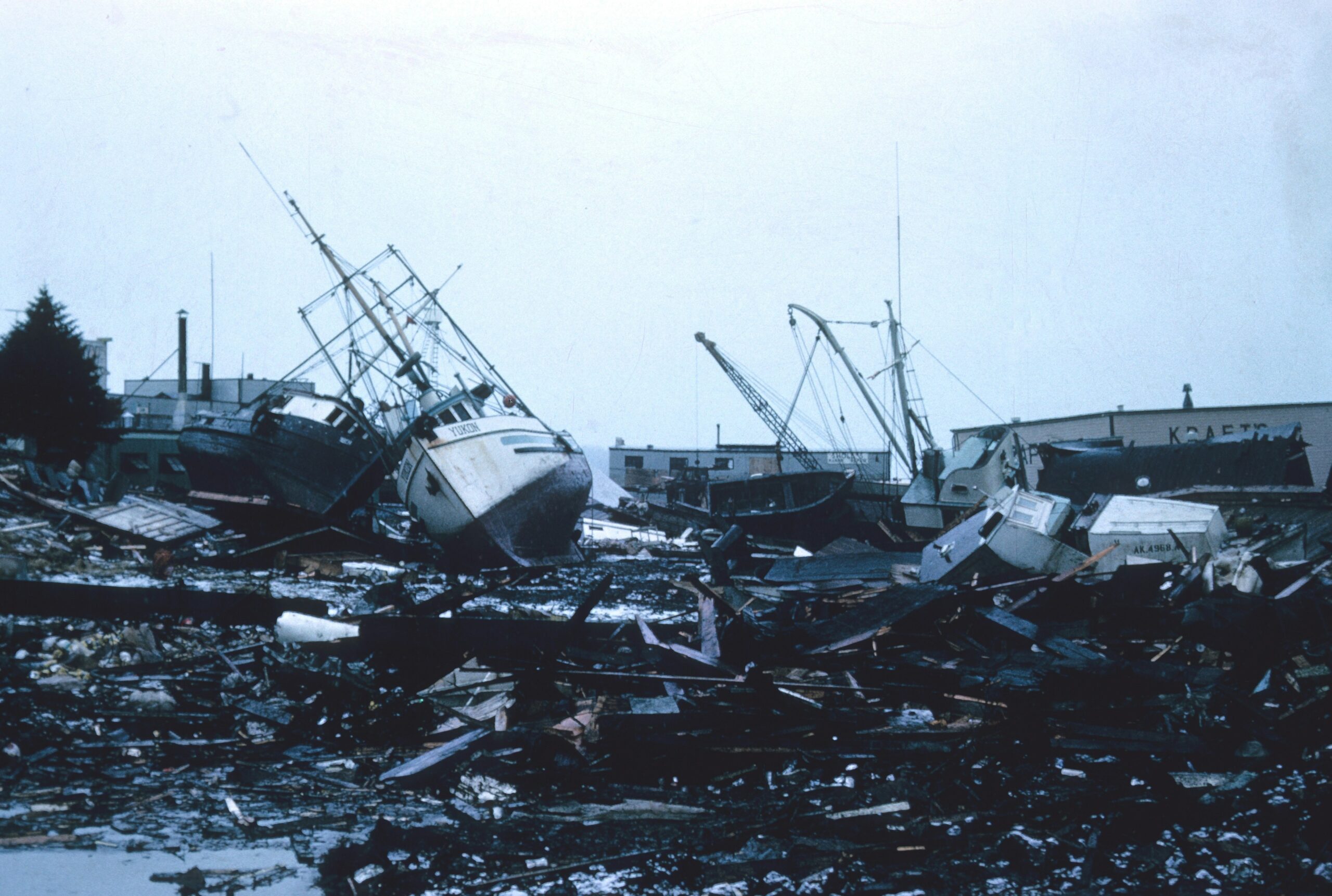
The earth’s fury is a stark and unforgiving force, capable of transforming the familiar into the unrecognizable in a matter of moments. Such was the fate of Aethelburg, a city that had stood for centuries, a testament to human ingenuity and enduring spirit, now reduced to a monumental grave by a cataclysmic earthquake. Its meticulously crafted stone walls, once symbols of impregnability, lay shattered. Its bustling markets, where the scent of spices and the murmur of commerce once filled the air, were now an eerie tableau of rubble and despair. The grandeur that had defined Aethelburg had crumbled, leaving behind a landscape of unimaginable devastation.
The dawn of the fateful day had been deceptively peaceful. A gentle breeze rustled the leaves of ancient olive trees, and the first rays of sunlight painted the city’s iconic marble temples with a warm, golden hue. Citizens were beginning their daily routines, the baker preparing his ovens, the blacksmith’s hammer already ringing out a familiar rhythm, the merchants unfurling their wares. There was no hint, no whisper in the wind, no premonition of the apocalyptic event that was about to unfold. Then, without warning, the ground began to heave.
The First Tremors: A Gentle Warning Ignored
It began subtly, a low rumble that some initially mistook for distant thunder or the passage of a heavily laden cart. Buildings swayed gently, rattling crockery and disturbing the slumber of those still in their beds. These initial tremors, though unsettling, were of a magnitude that Aethelburg had weathered before. The city was built on solid bedrock, or so it was believed, and its structures, though ancient, possessed a resilience born of generations of construction and repair. Many dismissed the shaking, attributing it to the earth settling, a common enough occurrence in a region known for its seismic activity. They failed to recognize the insidious nature of the approaching disaster, the deceptive calm before the true tempest.
The Apex of Fury: A Violent Unraveling
Suddenly, the earth’s gentle sway escalated into a violent, concussive upheaval. The ground ripped open in places, swallowing whole structures and disgorging dust and debris into the air. The roar of the collapsing buildings was deafening, a terrifying symphony of grinding stone, splintering wood, and the screams of those caught unawares. The once proud marble temples, their domes gleaming under the morning sun, buckled and fell, their intricately carved facades reduced to jagged fragments. Residential areas, with their closely packed dwellings, became a chaotic maze of fallen walls and impassable debris. The very foundations of Aethelburg seemed to fracture and shift, the earth liquefying beneath its ancient stones. The earthquake was not a single event but a series of brutal shocks, each more devastating than the last, ensuring the complete unraveling of the city’s fabric. This was not a mere tremor; this was the earth itself tearing apart.
The Aftermath: A Landscape of Ruin
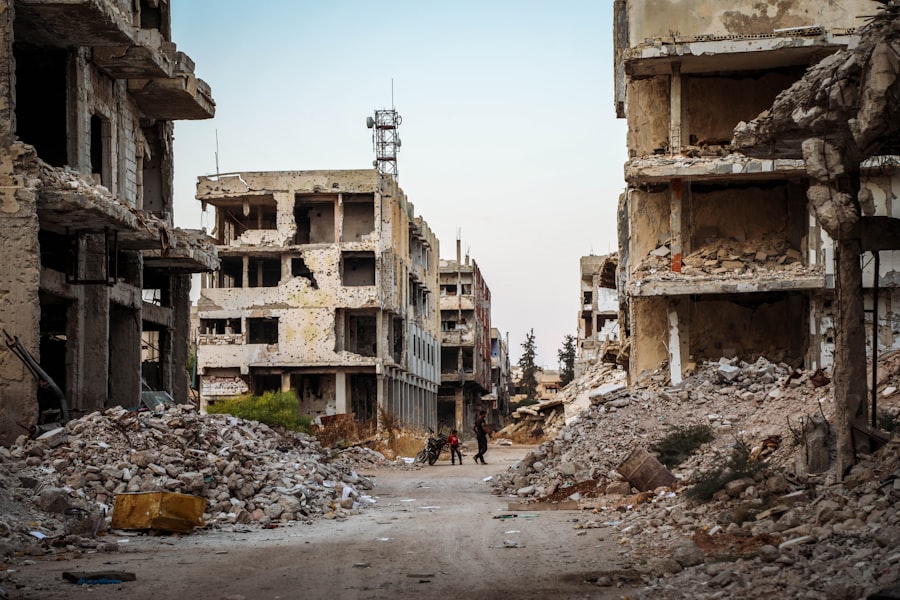
As the violent shaking finally subsided, an unnerving silence descended upon Aethelburg, a silence punctuated only by the whimpering of survivors and the mournful groans of overburdened ruins. Where once stood a thriving metropolis, there was now a desolate panorama of destruction. Streets, once vibrant with life, were choked with rubble, impassable mountains of shattered stone and twisted metal. Buildings that had survived the initial onslaught now stood as precarious shells, their upper floors having collapsed into the lower, their interiors exposed to the unforgiving sky. The air was thick with the acrid smell of dust and the metallic tang of broken stone. The vibrant colours of market stalls and painted facades were now muted by a uniform layer of grey grit. Aethelburg, the jewel of the region, was no more, replaced by a haunting testament to the raw power of nature.
The recent discovery of an ancient city destroyed by an earthquake has sparked significant interest among archaeologists and historians alike. This catastrophic event not only reshaped the landscape but also provided invaluable insights into the civilization that once thrived there. For those interested in exploring how advancements in technology can enhance our understanding of historical events, a related article discusses the progress in cislunar space domain awareness technology, which could potentially aid in archaeological research from a new perspective. You can read more about it in this article: Advancing Cislunar Space Domain Awareness Technology.
Echoes of Grandeur: Surviving Monuments to a Lost Era
Amidst the pervasive devastation, a few fragments of Aethelburg’s former glory stubbornly resisted complete annihilation. These were the skeletal remains of once-magnificent structures, now standing as somber monuments to the city’s vibrant past. Their survival offered a glimmer of hope, a tangible link to the civilization that had produced such architectural marvels, and a testament to the skill of its long-departed builders.
The Temple of the Sun God: Stupas and Scattered Pillars
The grand Temple of the Sun God, once the spiritual heart of Aethelburg, suffered immensely. Its iconic golden dome, which had shimmered on the horizon for centuries, had collapsed, its intricate metalwork scattered like fallen leaves. The main stupa, a towering edifice of polished marble, had fractured into several colossal pieces, its smooth surface now marred by gaping fissures. Yet, the lower sections of its massive pillars, carved with depictions of celestial beings and ancient rituals, remained remarkably intact. These fragmented columns, some leaning precariously, others lying toppled in the dust, still bore the hallmarks of their creators’ artistry. They stood as silent witnesses to the temple’s former grandeur, their weathered surfaces whispering tales of devotion and awe. Smaller altars and decorative elements, once adorning the temple complex, were found scattered amidst the rubble, offering poignant glimpses of the sacred space.
The Grand Library: A Ruined Repository of Knowledge
The Grand Library of Aethelburg, a repository of scrolls and treatises that had drawn scholars from across the known world, was a tragic casualty. Its imposing stone facade, once adorned with bas-reliefs depicting scenes of learning and discovery, had crumbled, revealing the heart of the building. The vaulted ceilings, designed to protect its precious contents, had caved in, burying the vast collection of knowledge beneath tons of debris. However, in certain remarkably preserved alcoves, fragments of papyrus and parchment were discovered, miraculously escaping total destruction. These brittle remnants, their ink faded but still discernible, offered tantalizing hints of the lost wisdom that had once resided within the library’s hallowed halls. Examining these fragments was a painstaking process, each delicate piece a precious link to an intellectual heritage now threatened by oblivion.
The Amphitheater: A Scarred Arena for Spectacle
The city’s renowned amphitheater, a place of public gatherings, dramatic performances, and gladiatorial contests, also bore the scars of the earthquake. Its tiered seating, made of finely cut stone, had been dramatically disrupted, sections collapsing inward, creating chaotic rifts in the once-uniform rings. The stage area, where actors and performers once commanded the attention of thousands, was now a jumble of fallen masonry and fragmented statues. Yet, the sheer scale of its remaining structure was awe-inspiring. The outer walls, though cracked and leaning, still stood, a testament to its robust construction. The remaining seating sections, though fractured, still indicated the original layout, allowing observers to imagine the throngs of spectators that had once filled its seats, their roars of approval echoing through the air.
The Human Cost: Whispers of Loss and Untold Stories
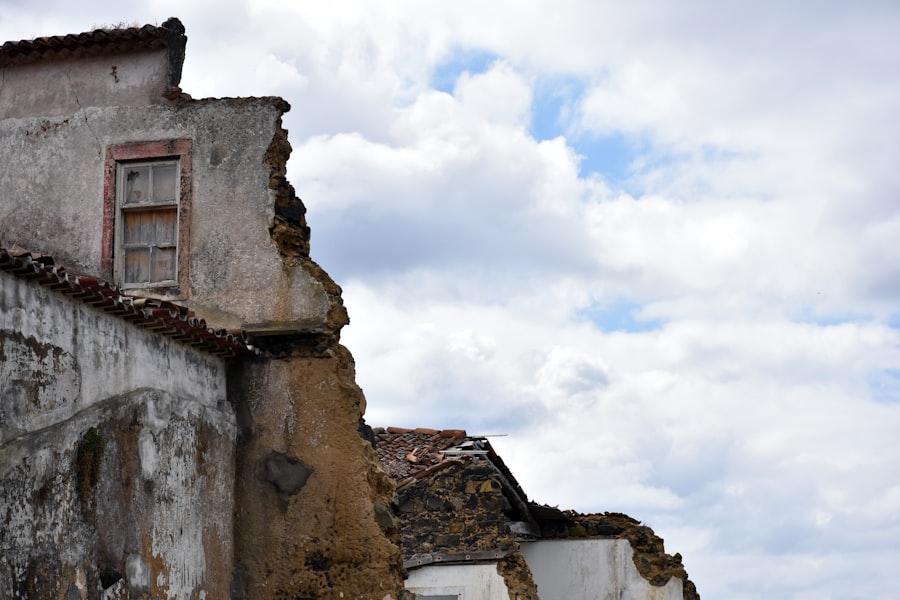
Beyond the shattered stones and fallen edifices, the true tragedy of Aethelburg lay in the immeasurable human cost. Each fragment of rubble represented a home, a life, a family forever altered or tragically extinguished. The silence that had fallen upon the city was not merely an absence of sound, but a heavy shroud of grief and despair, a deafening testament to the lives lost and the futures irrevocably altered.
The Missing: A Void in the Fabric of Society
The immediate aftermath saw a frantic, desperate search for survivors. Families, their faces etched with terror and desperation, scoured the ruins, calling out the names of loved ones. The missing were not just individuals; they were threads in the intricate tapestry of Aethelburg’s society. The baker’s apprentice who never returned to his ovens, the merchant’s daughter who was on her way to the market, the scholar who was deep within the library’s quiet halls – their absence left gaping voids. Each unreturned name was a fresh wound, a silent scream against the indifferent might of the earth. The sheer number of those unaccounted for soon became a chilling metric of the disaster’s scale.
Survivors’ Ordeals: A Test of Resilience
For those fortunate enough to have survived, their ordeal was far from over. Trapped beneath collapsed structures, they endured harrowing hours of darkness, suffocation, and the agonizing realization of their predicament. Rescuers, working tirelessly with primitive tools and unwavering determination, faced immense challenges. Every stone moved, every precarious beam shored up, was a race against time and the ever-present danger of further collapse. Many survivors emerged with severe injuries, their bodies bearing the physical scars of their ordeal. But perhaps more profound were the psychological wounds – the trauma of witnessing such widespread destruction, the grief of losing loved ones, and the daunting task of rebuilding their lives from the ashes. Their resilience, however, was a powerful testament to the human spirit’s capacity to endure even the most horrific circumstances.
The Untold Stories: A Legacy of Memory
Every life lost, every survivor’s tale, represented an untold story, a narrative now tragically truncated or forever marked by the earthquake’s fury. The communal memories, the shared laughter, the whispered secrets, the dreams for the future – all were either buried beneath the rubble or etched into the hearts of those who remained. The task of preserving these memories, of honoring the lives that had been so abruptly taken, became a sacred duty for the surviving community. It was in these personal narratives, these echoes of individual lives, that the true essence of Aethelburg would continue to live on.
The Scars of the Earth: Geological Context and Future Implications
The devastation of Aethelburg was not a random act of nature but a symptom of the earth’s dynamic and often destructive geological forces. Understanding the underlying causes of the earthquake offered insights into the city’s vulnerability and the potential for future seismic activity in the region.
The Tectonic Setting: A Fault Line’s Fury
Aethelburg was situated in a region geologically characterized by significant tectonic activity. The city lay near the confluence of several major fault lines, areas where the earth’s crust is fractured and where tectonic plates interact. These interactions build up immense pressure over time, and when this pressure is suddenly released, it manifests as an earthquake. The specific magnitude and intensity of the earthquake that struck Aethelburg indicated a substantial release of energy along one or more of these active faults. The earth’s crust, under immense strain, finally yielded, unleashing the devastating power that consumed the city.
Seismic History: A Recurring Threat
Historical records, though fragmented and incomplete, hinted at a history of seismic events in the region. While Aethelburg itself may have considered itself fortunate for many years, having escaped major devastation, the underlying geological conditions suggested that a cataclysmic earthquake was a recurring threat. The city’s planners likely factored in a degree of seismic risk, but the magnitude of this event far surpassed any anticipated threat. The earthquake served as a brutal reminder that even seemingly stable regions are subject to the planet’s long-term geological cycles.
Future Vulnerability: Lessons for Construction and Preparedness
The catastrophic destruction of Aethelburg provided invaluable, albeit tragic, lessons for future urban planning and construction in seismically active zones. The city’s vulnerability was exposed, highlighting the need for more robust building techniques, the use of earthquake-resistant materials, and adherence to stringent building codes. Furthermore, the disaster underscored the critical importance of comprehensive disaster preparedness plans, including early warning systems, evacuation protocols, and readily available emergency response infrastructure. Aethelburg’s fate served as a stark warning: the earth is a powerful force, and to coexist with it requires constant vigilance, respect for its inherent power, and a commitment to learning from its devastating lessons.
The recent earthquake that devastated the ancient city has drawn attention to the broader issue of natural disasters and their impact on historical sites. As researchers continue to assess the damage, they are also considering how coastal erosion poses a significant threat to shoreline stability, which can further endanger archaeological treasures. For more insights on this pressing issue, you can read about it in the article on coastal erosion and its implications for our heritage here.
Rebuilding from the Rubble: Hope in the Face of Despair
| City | Earthquake Magnitude | Year | Deaths |
|---|---|---|---|
| Pompeii | Unknown | 79 AD | Estimated 2,000 |
| Jerusalem | Unknown | 746 AD | Estimated 20,000 |
| Port Royal | 7.5 | 1692 | Estimated 2,000 |
In the immediate aftermath of the earthquake, despair and grief threatened to overwhelm the surviving populace. Yet, amidst the ruins, the seeds of resilience and the determination to rebuild began to sprout. The spirit of Aethelburg, though battered, was not broken.
The Herculean Task: Clearing and Securing
The first and most daunting challenge was the monumental task of clearing the debris. Thousands of tons of rubble had to be removed, revealing the extent of the damage and creating pathways for rescue and relief efforts. Teams of survivors, aided by any available resources, worked tirelessly, their hands raw and their bodies aching, to clear the wreckage. Securing the remaining unstable structures was paramount, preventing further collapses and ensuring the safety of those engaged in rescue and salvage operations. This was a slow, arduous process, undertaken with a grim determination born of necessity.
External Aid and Solidarity: A Lifeline in Crisis
News of Aethelburg’s devastation quickly spread, and help began to arrive from neighboring cities and farther afield. Relief convoys carrying food, water, medical supplies, and essential tools poured into the disaster zone. Skilled artisans, engineers, and medical professionals offered their expertise, working alongside the local survivors. This outpouring of solidarity provided not only practical assistance but also a vital psychological boost, reminding the people of Aethelburg that they were not alone in their struggle. The kindness of strangers became a beacon of hope in their darkest hour.
The Vision for a New Aethelburg: Laying the Foundation for Tomorrow
Even as the immediate crisis unfolded, the survivors began to look towards the future. The question was not if they would rebuild, but how. With the city’s original layout largely obliterated, there was an opportunity to reimagine and reconstruct a new Aethelburg. This would involve not only physical rebuilding but also the rebuilding of the community itself. Plans were cautiously discussed: where to relocate essential services, how to honor the city’s rich history while embracing modern safety standards, and how to foster a sense of unity and purpose among a populace forever changed by tragedy. The foundation for a new Aethelburg would be laid not just with stone and mortar, but with the unwavering spirit of its people, a testament to their courage and their enduring hope for a brighter future. The echoes of the earthquake would forever linger, but so too would the story of Aethelburg’s resilience and its indomitable will to rise again.

The Lost City That Was Never Really Lost
FAQs
1. What caused the destruction of the ancient city?
The destruction of the ancient city was caused by a powerful earthquake that struck the region.
2. When did the earthquake occur?
The earthquake occurred on [date], causing widespread devastation to the ancient city and surrounding areas.
3. What was the magnitude of the earthquake?
The earthquake had a magnitude of [magnitude], making it a significant and destructive event.
4. What measures are being taken to assess the damage and preserve the ancient city?
Efforts are underway to assess the damage to the ancient city and to develop plans for its preservation and restoration.
5. Are there any known casualties or injuries from the earthquake?
At this time, there are reports of casualties and injuries resulting from the earthquake, with rescue and relief efforts ongoing.