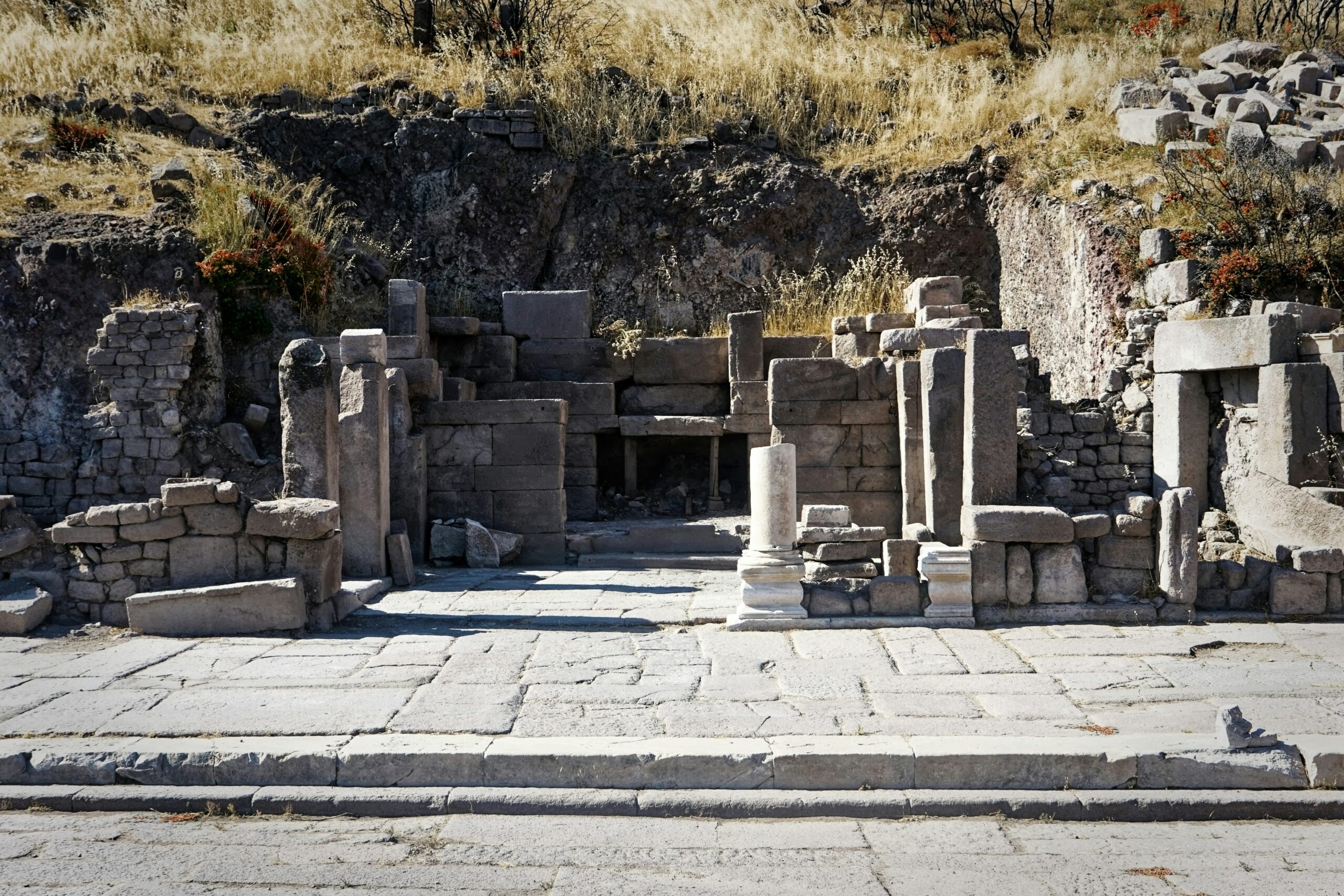
The sands of time often conceal more than they reveal, and nowhere is this more evident than in the enigmatic stories of ancient cities that have vanished from the face of the Earth. These once-thriving metropolises, teeming with life and culture, have slipped into oblivion, leaving behind tantalizing clues and a persistent sense of mystery. From the bustling ports of the Mediterranean to the enigmatic settlements of the Americas, their sudden or gradual disappearance prompts questions that echo through the ages. What caused these vibrant hubs to crumble into dust and memory, and what lessons can we glean from their silent absence?
The allure of submerged ruins has captivated human imagination for millennia. These sunken cities, once proud coastal settlements, now lie cradled by the ocean, whispering tales of a bygone era. Their watery graves offer a unique window into past civilizations, yet the very forces that submerged them often erase the direct narratives of their demise.
Atlantis: The Myth or a Lost Reality?
Perhaps the most famous of all lost cities, Atlantis, immortalized by Plato, has fueled countless expeditions and debates. Was it a mere allegory for a decadent society, or did this advanced civilization truly sink beneath the waves, taking its technological marvels and sophisticated culture with it? The lack of definitive archaeological evidence leaves its existence firmly in the realm of speculation, yet the enduring legend speaks to a deep human fascination with lost grandeur and catastrophic demise. Plato’s descriptions paint a vivid picture of a prosperous island kingdom, ruled by a powerful seafaring people, culminating in a cataclysmic event that plunged it into the abyss. This narrative, while fictionalized by Plato’s own philosophical intent, has inspired generations to search for it, drawing parallels to real-world submerged coastal features and seismic activity. The continued fascination with Atlantis underscores our desire to believe in a lost golden age and the possibility of advanced ancient technologies.
The Sunken Cities of the Mediterranean: Ports and Provinces Lost
Beyond the myth of Atlantis, the Mediterranean Sea harbors tangible evidence of vanished settlements. The coastlines of Greece, Turkey, and Egypt have yielded numerous submerged archaeological sites, remnants of once-important ports and coastal towns. These cities were often centers of trade, culture, and political power, their prosperity intricately linked to the sea. Their submersion is frequently attributed to a combination of factors: rising sea levels following the last Ice Age, tectonic plate movements causing land subsidence, and powerful earthquakes or tsunamis. The city of Pavlopetri, off the coast of Laconia in Greece, is a prime example, an organized Bronze Age town with streets, buildings, and even tombs, preserved remarkably well beneath the waves. Its discovery offered a glimpse into urban planning and daily life millennia ago, but also posed questions about the speed and nature of its abandonment or submergence. Similar sites along the coast of Turkey, such as the submerged ruins near the ancient city of Hierapolis in Pamukkale (though not strictly a coastal city, its thermal pools have caused some geological shifts), and the numerous Roman-era ports along the North African coast, speak to a widespread phenomenon of coastal erosion and inundation, permanently altering the geopolitical and economic landscape of the ancient world.
Submerged Landscapes: A Common Fate for Coastal Civilizations
The submersion of coastal cities is not an isolated event but rather a recurring pattern throughout human history. As sea levels have fluctuated over millennia, what were once habitable lands have been claimed by the ocean. This process, often gradual but sometimes sudden and violent, has erased entire settlements and left behind only underwater ghosts. The archaeological investigation of these sites is incredibly challenging, requiring specialized equipment and techniques. However, the data they provide is invaluable for understanding ancient coastlines, climate change impacts, and the resilience and vulnerability of human settlements to environmental shifts. Studying these submerged landscapes helps us reconstruct forgotten geographies and appreciate the dynamic relationship between humanity and its environment.
The phenomenon of ancient cities disappearing often raises questions about the factors that contribute to the rise and fall of civilizations. A related article that explores contemporary economic shifts is available at this link: Is Mexico the New Economic Superpower?. This piece discusses how modern nations, much like ancient cities, can experience significant transformations that redefine their status on the global stage, drawing parallels between historical and current trends in urban development and economic power.
The Conqueror’s Shadow: Cities Erased by Conflict and Conquest
Warfare and conquest have often been instruments of destruction, not just for populations, but for the very fabric of their urban centers. Entire cities, once proud capitals or vital strategic points, have been razed, looted, and abandoned in the wake of military campaigns, their former glory reduced to rubble and whispered legends.
Troy: A Legend Forged in War
The epic tale of the Trojan War, immortalized by Homer in the Iliad, speaks of a magnificent city brought to ruin through a decade-long siege. While the historicity of the war itself has been debated, archaeological excavations at Hisarlik in modern-day Turkey have revealed multiple layers of settlement, with one layer, Troy VIIa, showing clear signs of destruction by fire and violence, consistent with the epic’s narrative. This city, a prosperous trading hub at the crossroads of Europe and Asia, was undoubtedly a prize worth fighting for. Its destruction marked the end of an era for the region, and its memory, amplified by Homer’s immortal verses, has cemented its status as a prime example of a city lost to the ravages of war. The meticulous excavation and ongoing research at Hisarlik continue to shed light on the actual events that may have inspired the legends, offering a tangible connection to the human cost of conflict.
The mystery of how ancient cities disappeared continues to captivate historians and archaeologists alike, as they uncover the various factors that led to the decline of once-thriving civilizations. One intriguing aspect of this phenomenon is the impact of environmental changes and resource management, which can be seen in modern contexts as well. For instance, understanding the risks associated with supply chains in regions like Mexico can provide valuable insights into how ancient societies may have faced similar challenges. To explore this connection further, you can read about it in the article on supply chain risks here.
The Silk Road’s Lost Oases: Abandoned Due to Shifting Power and Trade Routes
The Silk Road, a network of ancient trade routes that connected the East and West, was dotted with prosperous oasis cities that thrived on the commerce passing through them. However, as political powers shifted, trade routes were rerouted, or environmental changes made routes impassable, many of these vibrant centers fell into decline and were eventually abandoned. Cities like Palmyra in Syria, once a renowned hub for trade and culture, faced periods of both flourishing prosperity and devastating destruction, including its sacking by the Roman emperor Aurelian. More dramatically, numerous smaller settlements along the less traveled branches of the Silk Road simply faded away as caravans sought more established or safer paths. Desertification, the depletion of water sources, and the rise of competing empires all played a role in their silent disappearance. These lost oases serve as poignant reminders of the ephemeral nature of economic prosperity and the profound impact of geopolitical shifts on urban longevity.
Scorched Earth Tactics and Deliberate Destruction
Throughout history, conquerors have employed scorched earth tactics, deliberately destroying cities to deny resources to their enemies and to instill terror. Cities under siege were often systematically dismantled, their defenses reduced to rubble, and their inhabitants scattered or enslaved. The Mongol invasions, for example, were notorious for the widespread destruction of cities across Asia and Eastern Europe, leaving behind vast swathes of desolation. The Sack of Baghdad in 1258 by Hulagu Khan is a brutal testament to this, a city that had been a center of learning and culture for centuries, reduced to ashes. The deliberate eradication of urban centers was a psychological weapon as much as a military one, designed to break the will of resistance and erase any future claims to the territory. The archaeological evidence of such destruction, often characterized by thick layers of ash, collapsed structures, and scattered artifacts, provides a somber chronicle of human brutality.
The Shifting Sands of Circumstance: Environmental Disasters and Urban Decline
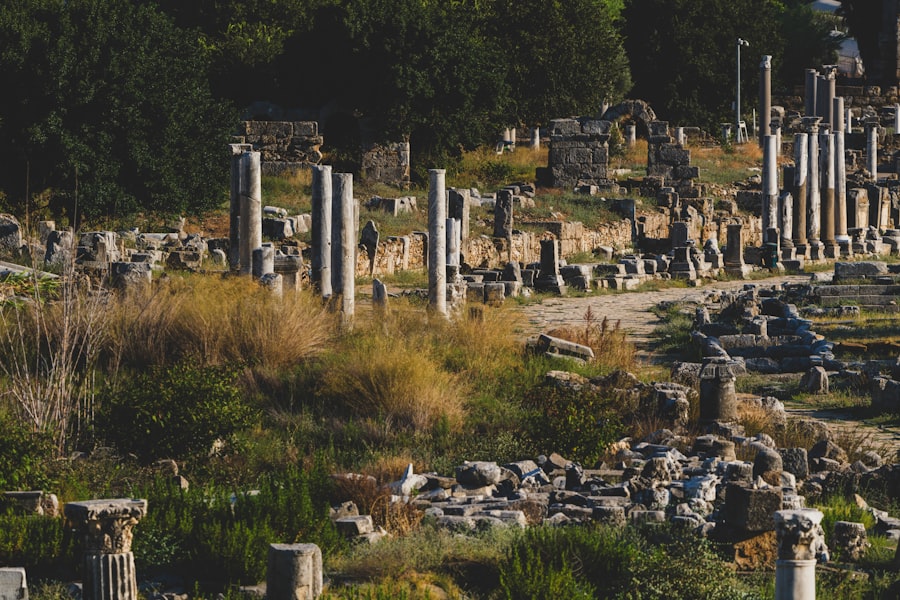
The Earth itself can be a formidable force, and natural calamities have often played a decisive role in the demise of ancient cities. Earthquakes, volcanic eruptions, floods, and prolonged droughts have all been known to render once-habitable lands inhospitable, forcing populations to abandon their homes and their civilizations to fade into history.
Pompeii and Herculaneum: Preserved by Catastrophe
The volcanic eruptions of Mount Vesuvius in 79 AD famously buried the Roman cities of Pompeii and Herculaneum under layers of ash and pumice. While a devastating tragedy for their inhabitants, these cities have provided an unparalleled snapshot of Roman life. The rapid burial preserved buildings, artifacts, and even the forms of the victims, offering an almost perfectly preserved moment in time. The eruption’s intensity and the unique geological conditions created a time capsule, allowing archaeologists to meticulously reconstruct the daily lives, architecture, and social structures of these bustling Roman towns. The tragedy of Pompeii and Herculaneum serves as a stark reminder of the raw power of nature and its ability to both destroy and, in a peculiar way, preserve.
The Plains of Mesopotamia: The Cradle of Civilization’s Decline
Mesopotamia, often hailed as the cradle of civilization, witnessed the rise and fall of numerous great cities, including Ur, Uruk, and Babylon. The region’s reliance on a sophisticated irrigation system, diverting water from the Tigris and Euphrates rivers, was also its Achilles’ heel. Over centuries, the accumulation of salt in the soil due to irrigation, coupled with silting of the canals and changes in river courses, gradually rendered agricultural lands infertile. Internal conflicts and the shifting of political power also contributed, but the environmental degradation proved to be a slow, inexorable force that ultimately led to the abandonment of these once-magnificent urban centers, leaving behind vast tells (artificial hills) that hint at their former glory. The painstaking work of archaeologists continues to unravel the complex interplay of environmental factors and human decisions that led to Mesopotamia’s eventual decline.
The Sahel Region: Desertification’s Insidious Grip
Across the globe, regions like the Sahel belt in Africa have experienced gradual desertification, turning once-fertile lands into arid plains. Ancient settlements that depended on these agricultural lands have, over time, become unsustainable. The nomadic or semi-nomadic lifestyles of some populations may have allowed for adaptation, but settled urban centers faced a stark choice: migrate or perish. The gradual drying up of water sources and the encroachment of the desert rendered infrastructure obsolete and livelihoods impossible, leading to the slow abandonment of villages and towns. The archaeological record in these regions often shows evidence of a gradual decline in population density and economic activity before complete abandonment.
The Mysteries of the Unexplained: When Cities Vanish Without a Trace
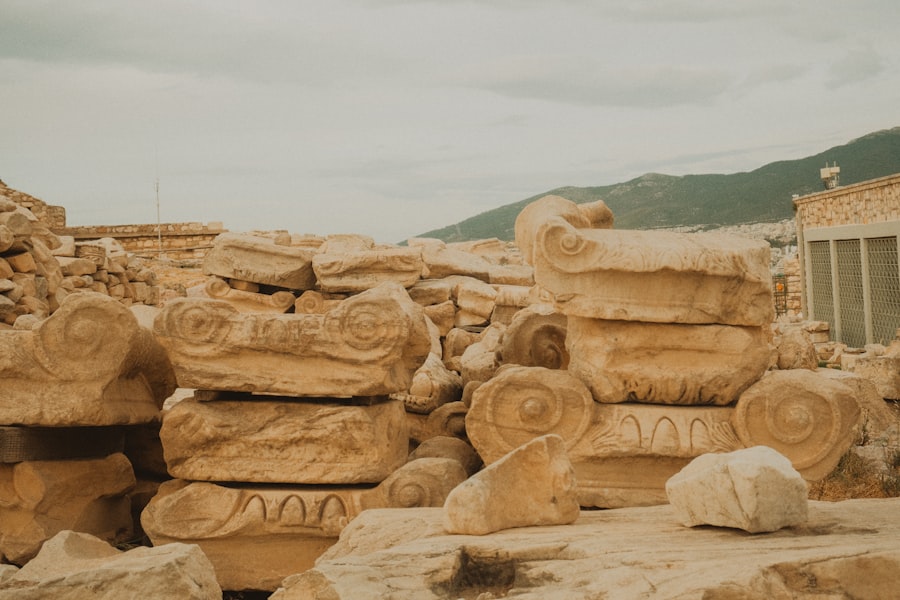
Some ancient cities disappear with such abruptness and completeness that they leave no clear explanation. Theories abound, ranging from sudden ecological collapse to unknown societal upheavals, but definitive answers remain elusive, shrouding these vanished metropolises in an aura of profound mystery.
The Indus Valley Civilization: A Script Unread, A Civilization Unanswered
The highly advanced Indus Valley Civilization, with its meticulously planned cities like Mohenjo-daro and Harappa, flourished over 4,000 years ago. Their cities featured sophisticated urban planning, drainage systems, and standardized weights and measures, yet their civilization vanished, and their script remains undeciphered. Theories for their decline include climate change leading to river drying, or invasion by Indo-Aryan tribes. However, the lack of decisive evidence and the undeciphered script make it difficult to pinpoint a single cause. The abrupt decline and apparent disappearance of such a widespread and sophisticated culture is one of archaeology’s enduring enigmas, leaving us with a tantalizing glimpse of a lost world without the key to its story. The sheer scale of the civilization and the mystery surrounding its end continue to fuel research and speculation.
The Maya: A Civilization’s Collapse – A Multifaceted Puzzle
The Classic Maya civilization, renowned for its monumental architecture, complex calendar, and hieroglyphic writing, experienced a dramatic and widespread collapse between the 8th and 10th centuries AD. While their civilization didn’t vanish entirely, their great city-states in the southern lowlands were largely abandoned. Explanations are varied and complex, likely involving a combination of factors: prolonged droughts, deforestation and environmental degradation, warfare between city-states, and the breakdown of political and economic systems. The interconnectedness of these factors, and the lack of a single smoking gun, makes the Maya collapse a classic case study in the fragility of complex societies. The jungle reclaiming their magnificent pyramids and temples stands as a silent testament to this enigmatic decline.
Easter Island: The Enigma of a Vanished Society
Easter Island, a remote speck in the Pacific Ocean, is famous for its colossal moai statues and the mystery surrounding the collapse of its society. While the island never hosted sprawling cities in the traditional sense, the Polynesian society that erected these monumental sculptures faced a profound crisis. Evidence suggests that overexploitation of resources, particularly deforestation for agriculture and the transport of moai, led to severe ecological degradation. This environmental collapse likely resulted in social upheaval, conflict, and a drastic decline in population, leaving behind the silent statues as enigmatic witnesses to their downfall. The story of Easter Island serves as a potent cautionary tale about the consequences of unsustainable resource management and the delicate balance between human needs and environmental limits.
The disappearance of ancient cities is more than just an archaeological puzzle; it is a profound reflection of the impermanence of human endeavor and the powerful forces, both human and natural, that shape our world. Each lost city, whether submerged beneath the waves, erased by conflict, or claimed by the environment, offers vital lessons about the rise and fall of civilizations. By piecing together the fragmented clues left behind, we gain a deeper understanding of our past and a more informed perspective on the challenges and vulnerabilities that continue to face humanity today. The silent stones and shifting sands hold whispers of forgotten worlds, urging us to listen and learn.

The Lost City That Was Never Really Lost
FAQs
1. What are some common reasons for the disappearance of ancient cities?
Some common reasons for the disappearance of ancient cities include natural disasters such as earthquakes, floods, and volcanic eruptions, as well as human factors like war, invasion, and abandonment due to changes in trade routes or economic decline.
2. Can ancient cities disappear due to environmental factors?
Yes, ancient cities can disappear due to environmental factors such as climate change, deforestation, soil erosion, and desertification. These factors can lead to the collapse of agricultural systems and ultimately the abandonment of the city.
3. How do archaeologists study the disappearance of ancient cities?
Archaeologists study the disappearance of ancient cities through various methods including excavation, analysis of artifacts, examination of historical records, and the use of remote sensing technologies such as LiDAR and ground-penetrating radar to uncover hidden structures and landscapes.
4. Are there any well-known examples of ancient cities that disappeared?
Yes, there are several well-known examples of ancient cities that disappeared, such as Pompeii and Herculaneum, which were buried by the eruption of Mount Vesuvius in 79 AD, and the ancient city of Angkor in Cambodia, which was abandoned due to environmental and societal changes.
5. What can we learn from the disappearance of ancient cities?
Studying the disappearance of ancient cities can provide valuable insights into the resilience of human societies, the impact of environmental and societal changes, and the importance of sustainable urban planning and resource management. It also helps us understand the interconnectedness of human civilizations and the long-term consequences of human actions on the environment.