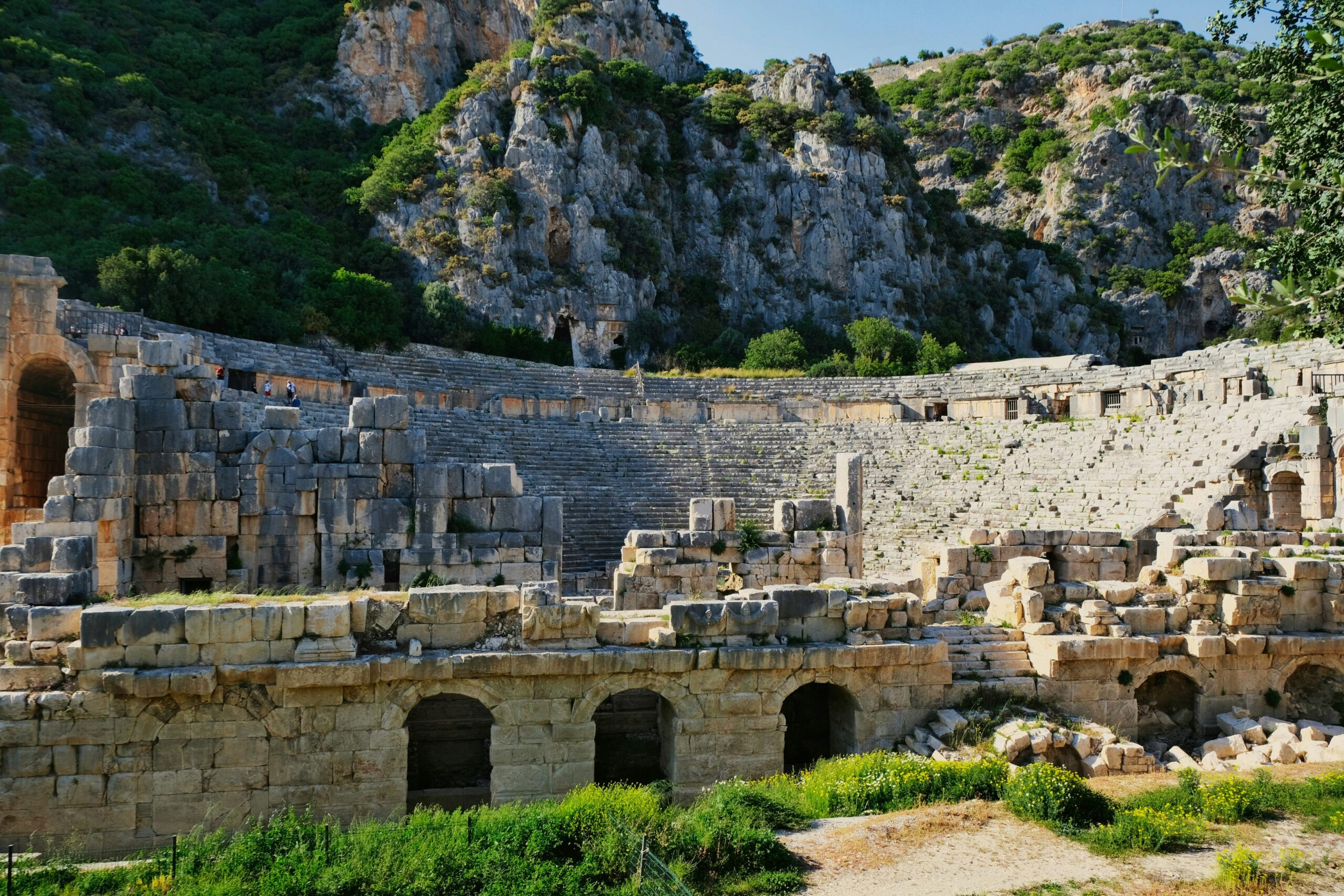
The allure of lost civilizations has captivated the human imagination for millennia. Whispers of magnificent cities swallowed by time, their secrets locked away beneath layers of earth and forgotten narratives, continue to inspire awe and fuel exploration. These are not mere myths; they are tangible remnants of past societies, their ruins holding invaluable clues to understanding humanity’s journey. The ongoing quest to unearth these forgotten ancient cities is a testament to our innate curiosity and our desire to connect with those who walked the Earth before us, revealing lost civilizations that have shaped our present in ways we are only beginning to comprehend.
The pursuit of lost ancient cities transcends simple archaeological curiosity. It taps into a profound human need to understand our origins, to confront the ephemerality of human endeavors, and to marvel at the ingenuity and resilience of our ancestors. These silent witnesses to history offer a unique perspective, unvarnished by the passage of time and the biases of later chroniclers. They are time capsules, preserving not only architectural marvels but also the social structures, technological advancements, and belief systems of peoples long gone. The very act of rediscovering these lost worlds ignites a sense of wonder, reminding us that even the grandest empires can vanish, leaving behind enigmas for future generations to solve.
The Echoes of Greatness: Tracing Ancestors and Identity
Unearthing ancient cities is not just about finding old buildings; it is about finding ourselves. These discoveries offer a tangible link to our collective past, allowing us to trace the lineage of human civilization and understand the foundations upon which our current societies are built. For many cultures, discovering the ruins of their ancestors holds immense cultural and spiritual significance, providing a vital connection to their heritage, validating their historical narratives, and fostering a stronger sense of identity. It is an affirmation that our ancestors were capable of great achievements, influencing our understanding of human potential.
The Lure of the Unwritten Story: Unraveling Mysteries of the Past
Every unearthed artifact, every recovered structure, tells a piece of a story that has been silenced by time. Lost cities are inherently mysterious. Their sudden abandonment, their disappearance from historical records, their concealment by natural forces – all these elements contribute to an irresistible enigma. The process of piecing together these fragmented narratives, of deciphering forgotten languages, and of reconstructing daily life provides a thrilling intellectual challenge. It is a detective game played across millennia, where the clues are buried deep within the earth and the ultimate prize is a more complete understanding of human history.
The Spectacle of Human Ingenuity: Witnessing Lost Technologies and Innovations
The grandest ancient cities often showcase remarkable feats of engineering, architecture, and urban planning that rival, and sometimes surpass, modern capabilities. Discovering these lost cities allows us to witness firsthand the ingenuity of ancient peoples – their innovative approaches to resource management, their sophisticated understanding of astronomy and mathematics, and their ability to construct monumental structures with limited technology. This spectacle of human ingenuity inspires awe and challenges our preconceived notions about the limitations of ancient societies, revealing that innovation has always been a driving force in human development.
Exploring forgotten ancient cities provides a fascinating glimpse into the past, revealing the complexities of early civilizations and their interactions with the environment. For those interested in how historical trends can influence modern economic conditions, a related article discusses the impact of nearshoring on inflation, shedding light on contemporary issues that echo the challenges faced by ancient societies. To read more about this intriguing connection, visit this article.
Titans of Stone and Sand: Iconic Lost Cities and Their Revelations
Throughout history, numerous ancient cities have been lost to the annals of time, only to be rediscovered through dedicated exploration and serendipitous finds. These monumental discoveries have not only reshaped our understanding of ancient history but have also provided invaluable insights into the rise and fall of civilizations, their cultural practices, and their technological achievements. Each lost city offers a unique window into a world that once thrived, leaving behind a legacy of wonder and unanswered questions.
Machu Picchu: The Incan Citadel in the Clouds
Perched precariously on a mountain ridge in the Andes, Machu Picchu is perhaps one of the most iconic lost cities ever discovered. Built by the Inca Empire in the 15th century, this architectural marvel remained hidden from the outside world for centuries, preserved by its remote location and the dense jungle. Its rediscovery in 1911 by Hiram Bingham was a watershed moment, revealing the sophistication of Inca engineering, their intricate agricultural terraces, and their profound connection to the natural world.
The Engineering Brilliance of the Incas
The construction of Machu Picchu is a testament to the Incas’ mastery of stonemasonry and their understanding of the natural environment. Without the use of mortar, they meticulously fitted massive stones together with such precision that even a knife blade cannot be inserted between them. The complex system of terraces not only provided arable land but also served as a sophisticated drainage system, protecting the city from landslides.
The Spiritual and Astronomical Significance
The placement of Machu Picchu appears to be deliberately aligned with astronomical events, suggesting a deep understanding of celestial movements and a spiritual significance tied to the sun and stars. The Intihuatana stone, a carved rock pillar, is believed to have been used as an astronomical clock or calendar, further highlighting the Incas’ advanced knowledge.
Angkor Wat: The Heart of the Khmer Empire
In the dense jungles of Cambodia lies Angkor Wat, a colossal temple complex that was once the magnificent capital of the Khmer Empire. Believed to have been built in the 12th century as a Hindu temple dedicated to Vishnu, it later transformed into a Buddhist temple. Its sheer scale and intricate carvings are breathtaking, depicting religious stories, royal processions, and scenes from everyday life.
The Architectural Grandeur of Khmer Civilization
Angkor Wat is a masterpiece of Khmer architecture, characterized by its five iconic lotus-shaped towers, its extensive bas-reliefs, and its sophisticated water management system. The moats and reservoirs surrounding the complex demonstrate the Khmer people’s remarkable ability to control and utilize water resources for agriculture and urban life.
A Religious and Political Hub
The sheer size and opulence of Angkor Wat speak to the immense power and wealth of the Khmer Empire. It served not only as a religious center but also as a symbol of royal authority and the interconnectedness of the earthly and spiritual realms. The transition from Hindu to Buddhist iconography within the complex also reflects the evolving religious landscape of the empire.
Pompeii and Herculaneum: Frozen in Time by Vesuvius
The Roman cities of Pompeii and Herculaneum offer a uniquely poignant glimpse into ancient life, tragically preserved by the catastrophic eruption of Mount Vesuvius in 79 AD. Buried under layers of volcanic ash and pumice, these cities provide an unparalleled snapshot of Roman daily existence, from the grandeur of their public buildings and luxurious villas to the humble details of their homes and shops.
Daily Life in the Roman Empire Revealed
The casts of the victims, frozen in their final moments, offer a heartbreaking and intimate connection to the people of these cities. The preserved artifacts, from bread still in ovens to intricate mosaics and everyday tools, provide an incredibly detailed and intimate understanding of Roman society, their diet, their commerce, and their artistic sensibilities.
The Impact of Natural Disaster on Preservation
While a devastating event, the volcanic eruption inadvertently acted as a time capsule. The rapid burial of the cities prevented decay and looting, preserving them in a remarkable state of preservation for archaeologists to uncover millennia later. The meticulous excavation of these sites has been crucial in understanding Roman urban planning, architecture, and social structures.
The Unseen Cities: Underwater and Deserted Realms

Not all lost cities lie buried beneath soil. Many have been claimed by the sea or swallowed by the insatiable sands of the desert, their secrets guarded by the elements until technological advancements or sheer chance reveal them. These environments present unique challenges for exploration but offer equally profound insights into lost civilizations.
Thonis-Heracleion: Egypt’s Sunken Metropolis
Off the coast of Egypt, the underwater ruins of Thonis-Heracleion, once a thriving port city, have been brought to light through advanced sonar and diving technology. This once-important trading hub was gradually submerged by seismic activity and rising sea levels, obscuring its grandeur beneath the waves for over a thousand years.
Submerged Secrets of Ancient Trade and Worship
The discovery of Thonis-Heracleion has revealed a wealth of artifacts, including colossal statues, inscribed stelae, and countless gold coins, shedding light on Egypt’s connections with the broader Mediterranean world and its rich religious practices. The extensive ruins suggest a bustling cosmopolitan center where Egyptian and Greek cultures intertwined.
The Submergence of a Coastal Powerhouse
The gradual sinking of the city provides valuable information about ancient coastal environments and the impact of geological events on human settlements. The preservation of organic materials underwater, due to the lack of oxygen, has offered an exceptionally detailed look at the city’s infrastructure and daily life.
Petra: The Rose-Red City Carved from Stone
Hidden within the mountainous desert of Jordan lies Petra, an ancient city carved directly into vibrant red sandstone Cliffs. Once the capital of the Nabataean Kingdom, Petra flourished as a vital trading post on ancient caravan routes. Its remarkable architecture, including the iconic Treasury (Al-Khazneh), blends Hellenistic influences with unique Nabataean artistry.
The Ingenuity of Nabataean Stone Carvers
The ability of the Nabataeans to meticulously carve their city out of solid rock is an astonishing feat of engineering and artistry. The intricate facades of their tombs and temples demonstrate a deep understanding of geometry and aesthetics, creating a city that is both functional and breathtakingly beautiful.
A Crossroads of Ancient Trade Routes
Petra’s strategic location made it a crucial hub for the spice and silk trades, contributing to its immense wealth and influence. The water management systems developed by the Nabataeans, including channels and cisterns, were vital for survival in the arid desert environment and enabled the city to thrive.
Technologies of Discovery: Unearthing the Past
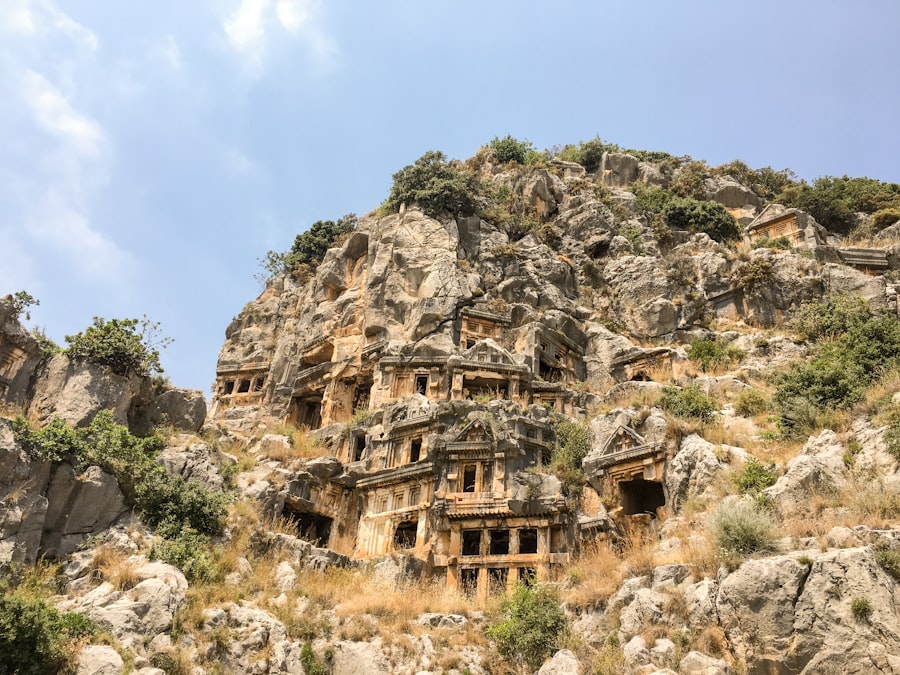
The unearthing of lost ancient cities is no longer solely reliant on traditional archaeological digging. A suite of modern technologies has revolutionized the field, allowing for non-invasive surveys, detailed mapping, and the retrieval of information from previously inaccessible sites. These tools have dramatically accelerated the pace of discovery and expanded the scope of what we can learn.
Remote Sensing and Geophysical Survey Methods
Technologies like LiDAR (Light Detection and Ranging) have proven instrumental in revealing hidden structures beneath dense vegetation. By firing laser pulses and measuring the reflection, LiDAR can create highly detailed topographic maps, exposing the outlines of ancient settlements that were previously invisible. Ground-penetrating radar (GPR) and magnetometry allow archaeologists to detect anomalies beneath the surface without disturbing the soil, identifying buried walls, foundations, and artifacts.
Underwater Archaeology and Submersible Robotics
The exploration of submerged cities has been dramatically advanced by the development of sophisticated underwater vehicles and robotic systems. Remotely Operated Vehicles (ROVs) and Autonomous Underwater Vehicles (AUVs) equipped with high-resolution cameras, sonar, and sampling tools can map vast areas of the seabed and retrieve artifacts with precision, opening up a new frontier in the study of lost civilizations.
Digital Reconstruction and Virtual Reality
Once discovered, the challenge lies in visualizing and understanding these ancient sites. Advanced 3D scanning and photogrammetry technologies allow for the creation of highly accurate digital reconstructions of ruins. These digital models can then be explored through virtual reality (VR) experiences, enabling researchers and the public alike to walk through lost cities and gain an immersive understanding of their scale and layout.
Exploring forgotten ancient cities often leads to fascinating discoveries about our past, including the mysteries surrounding historical maps. For instance, the Piri Reis map has intrigued historians and archaeologists alike due to its depiction of lands that were unknown to many at the time. To delve deeper into the complexities of this ancient cartographic artifact, you can read more in this insightful article about its significance and the reasons why it has sparked so much debate. Check it out here.
The Future of Lost Cities: Ongoing Quests and Emerging Discoveries
| City | Country | Estimated Age | Reason for Abandonment |
|---|---|---|---|
| Troy | Turkey | Over 4,000 years | Destroyed in war |
| Mohenjo-daro | Pakistan | Over 4,000 years | Unknown |
| Persepolis | Iran | Over 2,500 years | Conquered and looted |
| Palmyra | Syria | Over 2,000 years | Destroyed by ISIS |
The quest to unearth forgotten ancient cities is far from over. Each discovery fuels further investigation, and new technologies continue to push the boundaries of what is possible. The world holds countless more secrets, buried beneath the earth, submerged in water, or hidden within remote landscapes, waiting to be unveiled.
The Potential for Unforeseen Discoveries
Despite centuries of exploration, vast regions of the world remain largely unexplored from an archaeological perspective. Continents like Africa and South America, and unexplored portions of Asia and Europe, are likely to hold the remnants of civilizations yet undiscovered. Advances in satellite imagery and crowdsourced data analysis may also play a crucial role in identifying potential sites.
The Ethical Considerations of Excavation and Preservation
As we continue to unearth these precious remnants of the past, the ethical considerations surrounding excavation, preservation, and cultural heritage become increasingly paramount. Striking a balance between scientific inquiry and the responsible stewardship of these sites is crucial. International collaborations and the involvement of local communities are essential in ensuring that these discoveries benefit humanity as a whole and are protected for future generations. The ongoing conversation about repatriation of artifacts and the respectful engagement with descendant communities is an integral part of this evolving field. The future of unearthing lost cities is not just about discovery, but about responsible and ethical engagement with our shared human story.

The Lost City That Was Never Really Lost
FAQs
What are forgotten ancient cities?
Forgotten ancient cities are historical urban settlements that have been abandoned, lost, or forgotten over time. These cities often hold significant archaeological and historical value.
Why were ancient cities abandoned?
Ancient cities were abandoned for various reasons, including natural disasters, warfare, environmental changes, economic decline, and shifts in trade routes. These factors often led to the decline and eventual abandonment of once-thriving urban centers.
What are some examples of forgotten ancient cities?
Some examples of forgotten ancient cities include Pompeii in Italy, Petra in Jordan, Machu Picchu in Peru, Angkor in Cambodia, and Mohenjo-daro in Pakistan. These cities were once bustling centers of civilization but were eventually abandoned and forgotten.
How are forgotten ancient cities rediscovered?
Forgotten ancient cities are often rediscovered through archaeological excavations, remote sensing technologies, and historical research. These methods help uncover the remains of lost cities and provide insights into their past significance.
Why are forgotten ancient cities important?
Forgotten ancient cities are important because they offer valuable insights into the history, culture, and architecture of past civilizations. Studying these cities helps us understand the achievements and challenges of ancient societies and contributes to our knowledge of human history.