The whispers of antiquity, etched in stone and preserved by the very forces that sought to obliterate them, tell a profound story of resilience. Ancient cities, once vibrant hubs of human endeavor, now stand as silent testaments to the power of nature’s fury and human ingenuity. These preserved remnants, often unearthed from the ash and debris of cataclysmic events, offer an unparalleled window into worlds long gone, their very existence a testament to disaster’s enduring and often unexpected legacy. They are not merely ruins; they are time capsules, frozen moments in the grand narrative of civilization, offering invaluable insights into the lives, technologies, and societies of our ancestors.
Nature, in its rawest forms, has been an unwitting curator of human history. Earthquakes, volcanic eruptions, floods, and even sandstorms, while devastating in their immediate impact, have paradoxically played a significant role in preserving the archaeological record. Unlike the slow decay of time or the deliberate dismantling by subsequent populations, these sudden, cataclysmic events often encapsulate entire settlements in a matter of minutes or days, shielding them from further erosion and alteration.
The Volcanic Embrace: Pompeii and Herculaneum
The most iconic examples of natural disaster preservation are undoubtedly Pompeii and Herculaneum, buried by the eruption of Mount Vesuvius in 79 AD. The pyroclastic flows and ashfall that blanketed these Roman cities acted as a protective shroud, freezing them in time. The extreme heat from the eruption carbonized organic materials, preserving wooden structures, furniture, and even food items in astonishing detail. The fine ash, upon hardening, created a cast of the city’s inhabitants, capturing their final moments in poignant poses, offering an unparalleled glimpse into the human drama of destruction.
Echoes of Daily Life in Ash
The preservation in Pompeii and Herculaneum is so remarkable that it extends beyond grand public buildings and into the intimate details of domestic life. Homes are furnished, shops still display their wares, and bakeries retain their ovens. The vibrant frescoes that adorn the walls, depicting mythological scenes, daily life, and even political graffiti, offer a vivid tapestry of Roman society. The careful excavation and preservation efforts have allowed archaeologists to reconstruct the urban fabric with an accuracy rarely achievable elsewhere, providing an invaluable resource for understanding Roman urban planning, social hierarchies, and artistic expression.
The Unseen Victims: Preserving the Human Element
Perhaps the most profound preservation is seen in the human remains. While often tragically depicting the final moments of life, these casts and skeletal remains provide invaluable bioarchaeological data. They allow for the study of diet, disease, age at death, and even the genetic makeup of ancient populations. The emotional impact of these silent witnesses, forever captured in their final acts of survival or despair, serves as a powerful reminder of the human cost of natural disasters.
The Shifting Sands of Time: Buried Civilizations
Beyond volcanic fury, the relentless march of sand has also acted as a silent guardian. Entire cities have been gradually swallowed by deserts, their structures protected from the elements and human interference for centuries, even millennia. These arid environments, while harsh, often halt the process of decomposition, leaving behind remarkably intact structures and artifacts waiting to be rediscovered.
The Arabian Peninsula: A Cradle of Lost Cities
Across the vast deserts of the Arabian Peninsula, numerous ancient settlements lie buried beneath the dunes. Cities like Ubar in Oman, once a prominent trading post, were lost for centuries, their existence relegated to legend until archaeological investigations unearthed their foundations. The dry air and lack of significant rainfall in these regions contribute to the exceptional preservation of not only stone and mudbrick structures but also delicate organic materials like textiles and papyrus, which would disintegrate in more humid climates.
The Sahara’s Secrets: Unearthing the Garamantes
In the heart of the Sahara Desert, the remnants of the Garamant civilization, a once-flourishing society of oasis farmers and traders, have been revealed by the shifting sands. Their sophisticated irrigation systems, known as foggaras, are a testament to their ingenuity in harnessing scarce water resources. The desert’s embrace protected their settlements, including forts, dwellings, and burial sites, from the ravages of time and pillage, allowing for a detailed reconstruction of their complex society and their adaptation to an extreme environment.
The preservation of ancient cities often comes as a result of catastrophic events that inadvertently shield them from the ravages of time. A fascinating exploration of how environmental disasters can impact historical sites can be found in the article titled “The Deforestation Crisis: A Looming Catastrophe.” This piece delves into the broader implications of ecological destruction and its potential effects on cultural heritage, highlighting the delicate balance between nature and history. For more insights, you can read the article here: The Deforestation Crisis: A Looming Catastrophe.
Disaster’s Role in Accidental Archaeology
While natural disasters often act as accidental preservers, human-induced disasters can also lead to the unexpected preservation of ancient sites. Wars, deliberate destruction for building materials, and even fires can inadvertently shield remnants of past civilizations from the slower processes of decay.
The Fires of the Past: Preserving by Destruction
Fire, a destructive force, can paradoxically contribute to preservation in certain contexts. Intense heat can vitrify pottery, making it more resistant to decay. More importantly, fires can lead to the collapse of wooden structures onto artifacts, protecting them from looting and the elements. The intense heat can also carbonize organic materials, similar to volcanic eruptions, leaving behind enduring imprints.
The Destruction of Libraries: A Preservation Paradox
Throughout history, the destruction of great libraries, such as the Library of Alexandria, is often lamented as a loss of knowledge. However, in some instances, the very act of their destruction, especially if they were constructed of stone and the contents were quickly buried under collapsing debris, might have preserved sections of textual material that would have otherwise been lost to decay over time. While this is a more speculative form of preservation, it highlights the multifaceted ways in which destructive events can inadvertently contribute to our historical understanding.
The Scars of Conflict: Warfare and Abandonment
The ravages of war have left their indelible mark on human settlements throughout history. Cities sacked and abandoned, while appearing as scenes of devastation, can often lead to the preservation of those same settlements. The hurried abandonment of a city, coupled with its subsequent isolation, can protect its structures and artifacts from further disturbance.
The Fortress of the Forsaken: Citadel Preservation
Many ancient fortresses and citadels, subjected to sieges and eventual abandonment, have remarkably preserved their defensive structures and internal layouts. The layers of debris from battles, along with the subsequent natural infill, can create a protective blanket over the city’s core. The Citadel of Aleppo, though damaged by recent conflict, has witnessed centuries of violence and abandonment, with each layer of its history offering a testament to its enduring resilience and the preservation that can occur through sustained conflict.
The Silence of Siege: Ghost Towns of Antiquity
The abandonment of settlements due to prolonged conflict or environmental collapse, such as the collapse of the Maya civilization, can lead to the creation of “ghost towns.” These cities, left to the mercy of encroaching vegetation and the slow erosion of time, often retain their architectural integrity due to the lack of human intervention. The jungle’s embrace, while reclaiming the surface, can preserve the underlying structures, waiting for archaeologists to peel back the layers of verdant growth and reveal the lost world beneath.
Rediscovering Lost Worlds: The Role of Archaeology
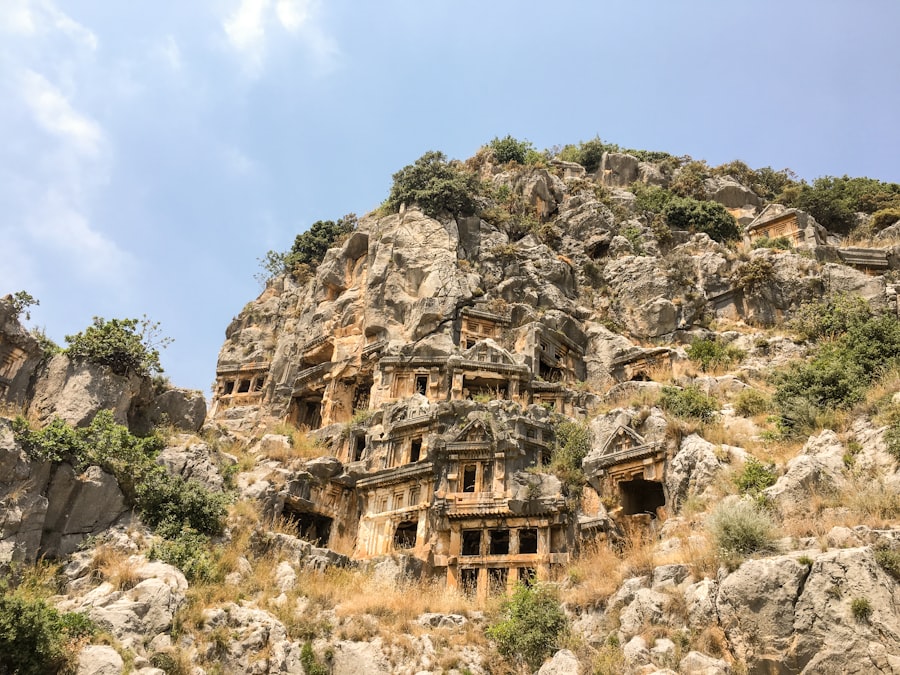
The preservation afforded by disaster, while an accidental gift, requires the diligent work of archaeologists to bring these buried worlds back to light. The methods and technologies employed in modern archaeology are crucial for understanding and interpreting the remnants left behind by cataclysmic events.
Excavation and Interpretation: Unveiling the Past
Archaeologists are the modern-day treasure hunters, meticulously excavating sites preserved by disaster. Their work involves careful documentation, removal of debris, and the analysis of artifacts. The interpretation of these findings allows us to reconstruct the daily lives, social structures, and belief systems of ancient peoples.
Stratigraphy and Chronology: Building the Timeline
The layered deposits in disaster-preserved sites provide invaluable stratigraphic information. Each layer represents a snapshot in time, allowing archaeologists to establish a chronological framework for the site. This understanding of stratigraphy is crucial for piecing together the events leading up to and following the disaster, offering a nuanced narrative of the city’s life and demise.
Material Culture Analysis: A Window into Society
The analysis of material culture – the objects created and used by ancient peoples – is fundamental to archaeological interpretation. Pottery shards, tools, personal adornments, and architectural elements all provide clues about economic activities, technological capabilities, social status, and religious practices. In disaster-preserved sites, the remarkable preservation of these items allows for a richness of detail that is often unparalleled.
Technological Advancements: Enhancing Discovery
Modern archaeological techniques have revolutionized the way we study disaster-preserved sites. Non-invasive methods like ground-penetrating radar and satellite imagery allow for the identification of buried structures before any excavation begins, minimizing disturbance and maximizing efficiency.
Digital Reconstruction: Bringing the Past to Life
The advent of 3D scanning and virtual reality technologies has enabled the digital reconstruction of ancient cities. These immersive experiences allow us to explore these lost worlds in a way that was previously unimaginable, offering a powerful educational tool and a new dimension to our understanding of ancient urbanism. Seeing Pompeii resurrected digitally, complete with its bustling streets and painted murals, provides a profound connection to the lives of its inhabitants.
Scientific Analysis: Unlocking Deeper Secrets
Advanced scientific techniques, such as DNA analysis and isotopic analysis, are now being applied to human and animal remains found in disaster-preserved sites. These methods can reveal details about diet, migration patterns, relationships between individuals, and even the cause of death. This scientific rigor adds a new depth of understanding to the archaeological narrative.
The Lessons of Resilience: Disaster and Human Adaptation
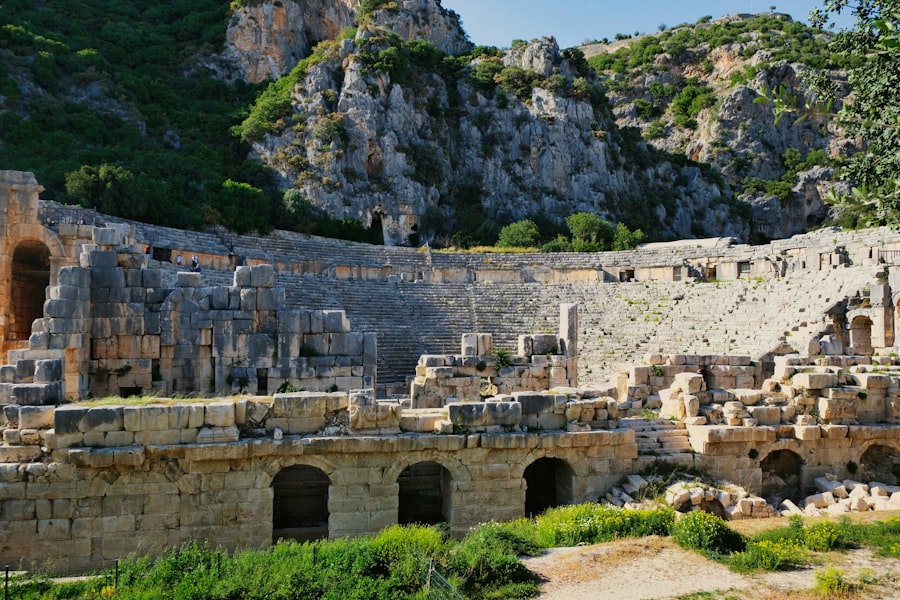
The preserved cities offer more than just historical data; they provide profound lessons in human resilience and adaptation. The ability of humans to rebuild, to innovate, and to carry on in the face of overwhelming natural and human-induced catastrophes is a recurring theme throughout history.
Rebuilding and Recovery: The Indomitable Human Spirit
The historical record is replete with examples of communities that, after being devastated by natural disasters, rose from the ashes to rebuild. The study of these preserved sites allows us to examine the methods and strategies employed in ancient recovery efforts, offering insights into the enduring human spirit.
The Persistence of Culture: Traditions in the Face of Ruin
Even after devastating events, cultural traditions often persisted. The religious practices, artistic expressions, and social customs that defined these societies continued to influence their rebuilding efforts and their collective memory. The enduring symbolism found in the art and architecture of these rebuilt cities speaks volumes about their determination to maintain their cultural identity.
Adaptation to Extremes: Engineering and Innovation
The survival of ancient cities in harsh environments, often exacerbated by disaster, highlights remarkable human ingenuity in engineering and innovation. The construction of intricate irrigation systems, resilient building techniques, and effective waste management systems all demonstrate a profound understanding of their environment and a capacity for adaptation.
Water Management in Arid Lands: A Testament to Foresight
Many of the preserved ancient cities, particularly those in arid or semi-arid regions, showcase advanced water management systems. The aqueducts of the Romans, the foggaras of the Garamantes, and the extensive reservoirs of the Maya civilization are all testaments to their ability to extract, store, and distribute water efficiently, an essential skill for survival, especially in regions prone to drought or where water sources were threatened by seismic activity or volcanic ashfall.
Sustainable Living: Lessons for the Modern World
The ancient practices of sustainable living, often born out of necessity in the face of environmental challenges, offer valuable lessons for contemporary society. Their methods of resource management, their understanding of local ecosystems, and their emphasis on community cooperation are all principles that resonate in our own efforts to address climate change and environmental degradation.
Ancient cities often reveal their secrets through the preservation brought about by catastrophic events, which can freeze moments in time and provide invaluable insights into past civilizations. For instance, the eruption of Mount Vesuvius in 79 AD preserved the Roman city of Pompeii, allowing modern archaeologists to study its streets, homes, and daily life. This fascinating topic is explored in greater detail in a related article that discusses how disasters can lead to the preservation of history, which you can read more about here.
The Enduring Legacy: A Mirror to Our Present
“`html
| City | Disaster | Preservation |
|---|---|---|
| Pompeii | Volcanic eruption | Preserved by volcanic ash |
| Herculaneum | Volcanic eruption | Preserved by volcanic ash and pyroclastic flows |
| Mohenjo-daro | Flooding | Preserved by silt deposits |
| Skara Brae | Storms | Preserved by sand dunes |
“`
The preserved ancient cities, born from the crucible of disaster, serve as a powerful mirror reflecting our own present-day challenges and aspirations. They remind us of the fragility of civilization and the ever-present power of natural forces, while simultaneously celebrating the enduring strength and adaptability of the human spirit.
Understanding Vulnerability: Learning from the Past
By studying the sites destroyed by disaster, we gain a deeper understanding of our own vulnerabilities. Knowing how past societies succumbed to earthquakes, floods, or volcanic eruptions can inform our own disaster preparedness strategies and urban planning. The lessons learned from the abandonment of cities due to environmental collapse, for instance, are particularly relevant in our current era of climate change.
Risk Assessment and Mitigation: Building a Resilient Future
The archaeological evidence from these sites provides valuable data for modern risk assessment and mitigation. Understanding the geological history of a region, the patterns of past natural disasters, and the effectiveness of ancient mitigation strategies can help us build more resilient communities for the future. The study of how ancient cities were designed to withstand seismic activity, for example, can inform modern architectural standards.
The Human Story: A Universal Narrative
Ultimately, the preserved ancient cities tell a universal human story – one of creation, flourishing, destruction, and often, a remarkable capacity for renewal. They are not just historical relics; they are reminders of our shared past, our interconnectedness, and the enduring legacy of human endeavor in the face of life’s most formidable challenges. Disaster, while a force of destruction, has inadvertently gifted us with the keys to understanding not only the past but also the resilience that lies within us.

The Lost City That Was Never Really Lost
FAQs
What are some examples of ancient cities preserved by disaster?
Some examples of ancient cities preserved by disaster include Pompeii and Herculaneum, which were preserved by the eruption of Mount Vesuvius in 79 AD, and the city of Akrotiri on the Greek island of Santorini, which was preserved by a volcanic eruption around 1600 BC.
How were these ancient cities preserved by disaster?
These ancient cities were preserved by disaster through processes such as volcanic ash and debris covering the cities, effectively sealing them off from the outside world and protecting them from decay and destruction.
What can we learn from studying these preserved ancient cities?
Studying these preserved ancient cities can provide valuable insights into the daily lives, architecture, and culture of ancient civilizations. It can also help us understand the impact of natural disasters on human settlements and how people adapted to and coped with such events in the past.
Are there other ways in which ancient cities have been preserved?
Yes, ancient cities have also been preserved through natural processes such as desertification, which can bury and protect ancient settlements, as well as through intentional preservation efforts by modern societies and archaeologists.
Why is the preservation of ancient cities important?
The preservation of ancient cities is important because it allows us to better understand and appreciate the history and achievements of past civilizations. It also provides valuable information for archaeological research and helps us learn from the experiences of our ancestors.