The whisper of centuries past, carried on the wind and buried beneath layers of earth, awaits discovery. History, in its vast, often incomplete narrative, and archaeology, in its meticulous excavation of material remains, are not merely academic disciplines; they are two sides of the same ancient coin. When these two powerful forces converge, they unlock profound insights into the human experience, transforming our understanding of who we were and, by extension, who we are. This interdisciplinary dance, a constant dialogue between written records and tangible artifacts, is crucial for a truly comprehensive comprehension of our collective past.
History books, for all their value, can present a curated version of events. They are often penned by the victors, influenced by prevailing social norms, and limited by the availability and accessibility of written sources. Archaeology, however, offers a unique perspective, a voice from the silent majority. It unearths the everyday lives of ordinary people, the forgotten cultures, and the social structures that might otherwise remain lost to the mists of time. The broken pottery shard, the rusted tool, the foundation of a humble dwelling – these are not mere detritus, but doorways into worlds previously unimagined.
Beyond the Elite: Reconstructing Daily Life
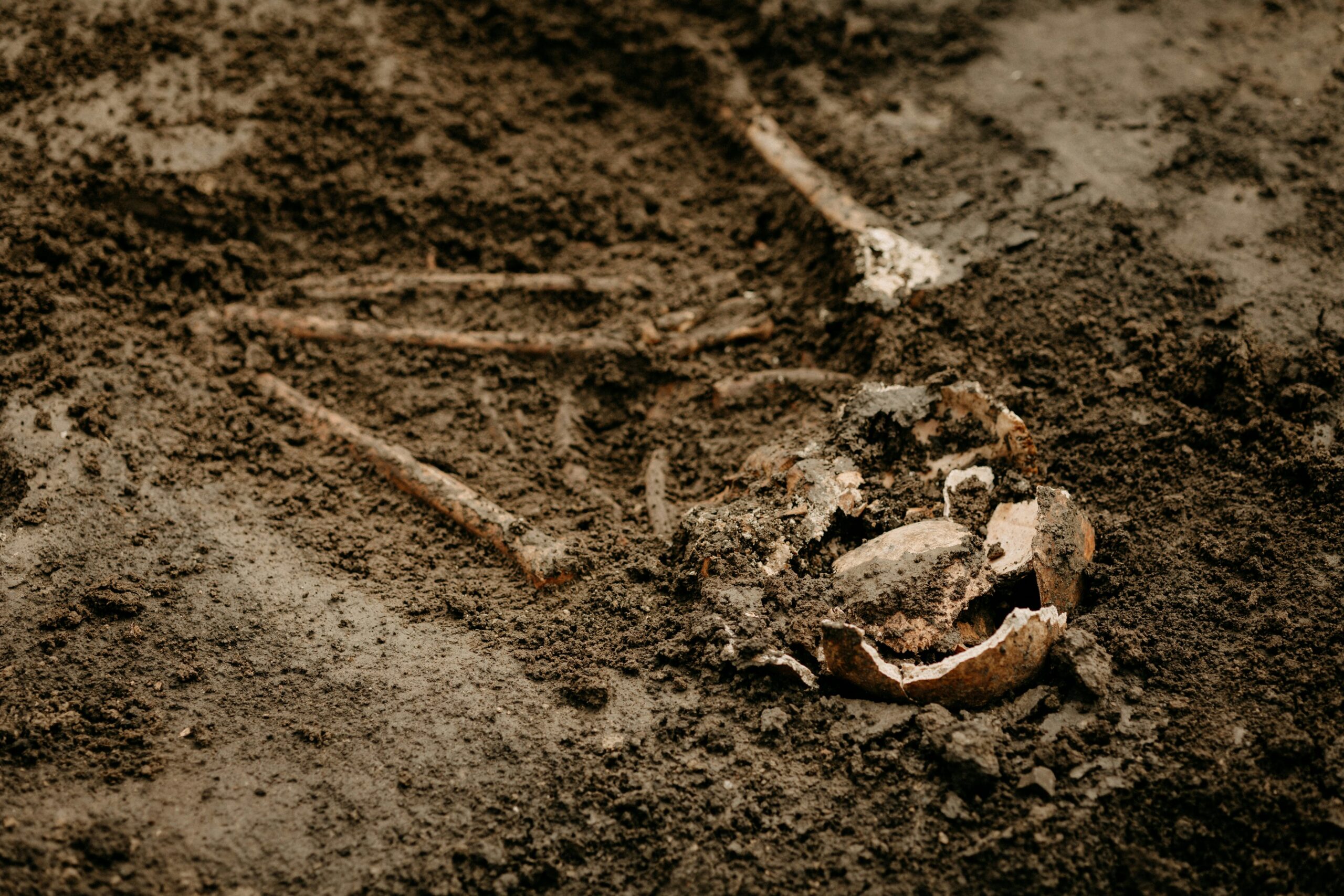
While historical texts often focus on kings, queens, battles, and grand pronouncements, archaeology can illuminate the mundane realities of existence for vast swathes of the population. The analysis of domestic artifacts, such as cooking vessels, furniture fragments, and personal adornments, allows archaeologists to piece together dietary habits, household organization, and even leisure activities. Burial sites, when studied with archaeological rigor, can reveal information about social stratification, health, and burial rituals that might not be mentioned in the written record. The presence of specific grave goods or the disposition of a body can speak volumes about a person’s status and their beliefs about the afterlife.
The Silent Majority: Giving Voice to the Voiceless
For many historical periods, especially those predating widespread literacy, the voice of the common person is largely absent from written accounts. Archaeology bridges this gap. Through the excavation of farming villages, industrial sites, and even informal settlements, archaeologists can reconstruct the lives of farmers, laborers, craftsmen, and artisans – the backbone of any society. The tools they used, the food they ate, the homes they lived in, and the waste they left behind all contribute to a richer, more nuanced understanding of their existence. This is particularly vital for understanding the experiences of marginalized groups, such as enslaved people, indigenous populations, and women, whose everyday lives rarely made it into formal historical narratives.
Uncovering Lost Civilizations: When Written Records Vanish
There are periods and places where written records are either non-existent, lost, or incredibly sparse. In such cases, archaeology alone becomes the primary, sometimes the only, avenue for understanding past societies. The civilizations of the Indus Valley, for example, with their sophisticated urban planning and undeciphered script, relied almost entirely on archaeological evidence for our initial understanding. Similarly, the early stages of human migration and the development of complex societies in prehistoric times are almost exclusively illuminated by archaeological discoveries. Without the painstaking excavation and analysis of early settlements and artifacts, these ancient worlds would remain entirely unknown.
In exploring the fascinating intersection of history and archaeology, one can gain deeper insights into ancient civilizations and their remarkable achievements. A related article that delves into the ingenuity of past societies is titled “Ancient Hydraulic Engineering: Marvels and Masterpieces of Water Management.” This piece highlights the sophisticated water management systems developed by ancient cultures, showcasing their engineering prowess and the vital role these systems played in sustaining their communities. For more information, you can read the article here: Ancient Hydraulic Engineering: Marvels and Masterpieces of Water Management.
The Symbiotic Relationship: History and Archaeology in Tandem
The true power of uncovering the past lies in the fusion of historical and archaeological methodologies. Neither discipline can offer a complete picture in isolation. History provides the framework, the context, and the potential hypotheses, while archaeology provides the concrete evidence, the tangible proof, and often, the surprising counterpoints that challenge existing historical interpretations. This constant interplay leads to a more robust, dynamic, and accurate reconstruction of events and societal evolution.
Corroboration and Contradiction: Aligning the Evidence
One of the most exciting aspects of this interdisciplinary approach is the opportunity to corroborate or, more interestingly, contradict historical accounts with archaeological findings. For instance, the discovery of a battleground detailed in historical texts can provide physical evidence of the conflict, including weapons, fortifications, and human remains, offering new details about the engagement itself. Conversely, if a historical account describes a grand palace and archaeological excavations reveal only humble dwellings, it forces a re-evaluation of the historical source and its potential biases or inaccuracies. This process of testing and refining historical narratives against material evidence is fundamental to sound historical scholarship.
Filling the Gaps: Bridging Historical Silences
Written records are rarely comprehensive. They often omit details about everyday life, local customs, or the economic realities of a period. Archaeology excels at filling these voids. For example, if historical records describe a thriving port city but offer little information about its trade goods, the excavation of the city’s harbor and hinterland can reveal the types of merchandise that passed through, the ships that transported them, and the economic activities that sustained the community. Similarly, the study of ancient agricultural practices, often overlooked in historical chronicles, can be reconstructed through the analysis of farming tools, irrigation systems, and food storage structures.
Unveiling New Histories: When Artifacts Rewrite the Narrative
Sometimes, archaeological discoveries can fundamentally alter our understanding of history, challenging long-held assumptions and opening up entirely new fields of inquiry. The discovery of ancient human ancestor fossils, for example, has revolutionized our understanding of human evolution. The uncovering of previously unknown writing systems, like Linear B at Mycenae, provided direct insights into Mycenaean Greek civilization. These are not just incremental additions to existing knowledge; they are paradigm shifts, driven by the power of tangible evidence to rewrite entire chapters of human history.
Case Studies in Collaboration: Illuminating Specific Eras

Numerous examples throughout history demonstrate the profound impact of combining archaeological investigations with historical research. These collaborations have not only enriched our understanding of specific events and cultures but have also refined the very methodologies employed by both disciplines. Examining these case studies offers tangible proof of how history and archaeology, when working in concert, can bring the past to vibrant life.
The Roman Empire: From Empire to Everyday Life
The study of the Roman Empire is a prime example of this synergy. Historical texts, from Livy and Tacitus to Cicero and Caesar, provide extensive narratives of Roman political history, military campaigns, and imperial administration. However, it is archaeology that allows us to truly grasp the lived experience of Romans across the vast empire. Excavations of Pompeii and Herculaneum offer an unparalleled snapshot of daily life in a Roman town, frozen in time by volcanic ash. The discovery of Roman villas, legionary camps, and public buildings across Europe, North Africa, and the Middle East provides tangible evidence of Roman engineering, trade networks, and cultural diffusion. Archaeological analysis of Roman coins illuminates their economic system, while the study of tombstones and funerary art reveals their social customs and religious beliefs. Without archaeology, our understanding of the Roman world would be confined to the pronouncements of its elite, rather than encompassing the lives of its citizens.
Ancient Egypt: Unlocking the Pharaohs’ Secrets
Ancient Egypt, with its monumental architecture and elaborate burial practices, has long captivated the imagination, and its history is a testament to the power of archaeological discovery. While hieroglyphic inscriptions and papyri offer invaluable historical accounts of pharaohs, religious rituals, and administrative affairs, it is archaeology that has brought these written records to life. The discovery of Tutankhamun’s tomb by Howard Carter, for instance, provided an unparalleled glimpse into the wealth and artistry of the New Kingdom, and the artifacts within allowed for detailed study of ancient Egyptian craftsmanship, beliefs, and burial practices. Excavations of vast temple complexes like Karnak and Luxor reveal the scale of religious devotion and royal power. The decipherment of hieroglyphs, a feat that itself involved archaeological discovery and linguistic analysis, was a crucial step in unlocking Egypt’s rich history, but it was the subsequent archaeological work that provided the physical context and corroborating evidence for these written accounts.
The Maya Civilization: A World Revealed Without a Rosetta Stone
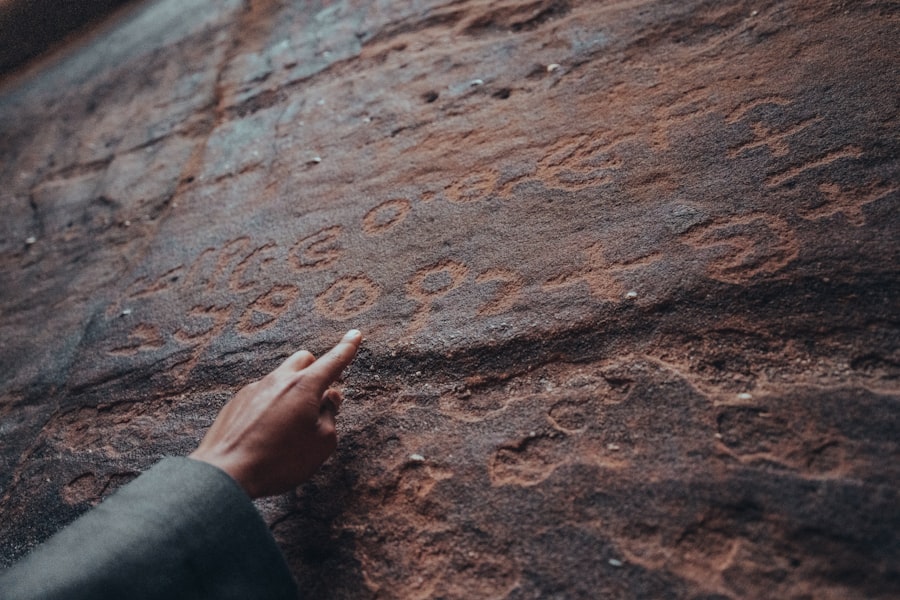
The Maya civilization presents a unique challenge and a powerful illustration of archaeology’s independent capacity to construct a historical narrative in the absence of a direct equivalent to the Rosetta Stone for their complex hieroglyphic script. While Maya inscriptions provide valuable insights into their dynastic histories, calendrical systems, and religious beliefs, many aspects of their societal organization, economic practices, and daily lives remain primarily understood through archaeological evidence. The monumental city-states of Tikal, Calakmul, and Palenque, with their towering pyramids, intricate plazas, and extensive ballcourts, speak volumes about Maya political structures and ritual practices. The analysis of agricultural terraces and water management systems reveals their sophisticated understanding of their environment. Pottery, tools, and household remains offer clues about their diet, social stratification, and technological advancements. Archaeology has been instrumental in piecing together the rise and fall of Maya civilization, identifying their trade networks, and understanding their complex cosmology, often without direct historical textual support for every facet of their existence.
Challenges and Future Directions: The Evolving Landscape
The pursuit of historical understanding through archaeology is not without its challenges. Ethical considerations, the impact of modern development, and the sheer scale of time and space involved all present complex hurdles. However, these challenges also drive innovation, pushing the boundaries of both historical and archaeological research and promising even more profound discoveries in the future.
Preservation vs. Progress: The Delicate Balance
One of the most significant challenges is the inherent tension between preservation and progress. Archaeological sites are often located in areas slated for development, whether it be for housing, infrastructure, or resource extraction. This necessitates careful planning, the establishment of robust heritage protection laws, and often, the difficult decision of whether to excavate and document a site before it is lost or to attempt to preserve it in situ. The increasing pressures of urbanization and industrialization worldwide pose a constant threat to the archaeological record. Finding sustainable solutions that allow for development while safeguarding our cultural heritage is a critical ongoing task, requiring collaboration between archaeologists, developers, governments, and local communities.
Technological Advancements: New Tools for Old Secrets
Fortunately, technological advancements are constantly providing archaeologists with new and powerful tools to overcome these challenges and refine their investigations. Non-invasive techniques like ground-penetrating radar (GPR), magnetometry, and lidar mapping allow archaeologists to survey large areas and identify potential subsurface features without disturbing the ground. Digital photography, 3D scanning, and virtual reality are revolutionizing documentation, preservation, and the dissemination of archaeological findings. DNA analysis is opening up new avenues for understanding human migration, kinship, and even ancient diets. These technological innovations are not replacing traditional archaeological methods but are augmenting them, allowing for more precise, efficient, and comprehensive investigations.
Interdisciplinary Convergence: The Next Frontier
The future of uncovering the past lies increasingly in even deeper interdisciplinary convergence. Beyond the traditional partnership between history and archaeology, there is a growing recognition of the value of integrating fields like anthropology, geology, paleoclimatology, linguistics, and even computational science. By combining insights from diverse disciplines, researchers can achieve a more holistic and nuanced understanding of past societies and their environments. For example, paleoclimatology can help us understand the environmental factors that influenced the development or decline of civilizations, while computational modeling can help us interpret complex settlement patterns or economic systems. This convergence promises to unlock even more intricate layers of understanding about the human story.
In exploring the fascinating intersection of history and archaeology, one can gain valuable insights into how ancient civilizations adapted to their environments. A related article that delves into this theme is “Surviving Drought: Life in Ancient Cities,” which discusses the strategies employed by past societies to cope with water scarcity. This piece highlights the resilience and ingenuity of these communities, providing a deeper understanding of their daily lives and challenges. For more on this topic, you can read the article here.
The Enduring Legacy: Understanding Ourselves Through the Ages
| Time Period | Archaeological Site | Discoveries |
|---|---|---|
| Ancient Egypt | Valley of the Kings | Tutankhamun’s tomb |
| Roman Empire | Pompeii | Preserved city ruins |
| Medieval Europe | Stonehenge | Megalithic stone circle |
The ongoing dialogue between history and archaeology is more than an academic pursuit; it is a fundamental human endeavor to understand our origins, our development, and our place in the grand tapestry of time. Each unearthed artifact, each deciphered inscription, each re-examined historical document contributes to a richer, more profound understanding of the human journey. By meticulously piecing together the fragments of the past, we gain not only knowledge of bygone eras but also invaluable insights into the enduring human spirit, its resilience, its ingenuity, and its capacity for both tremendous creation and profound change.
The Importance of Context: Making Sense of the Fragments
The true power of archaeological discoveries is realized when they are placed within their historical context. A single artifact, isolated from its original setting, can be intriguing but ultimately meaningless. It is the archaeological excavation that provides the context – the stratigraphy, the associated artifacts, the environmental data – that allows for interpretation. This material context, when combined with historical knowledge, allows us to understand not just what was found, but why it was there, how it was used, and what it meant to the people who created and interacted with it. The careful documentation of the provenience and association of every artifact is paramount to its historical and archaeological significance.
The Ethical Imperative: Responsibility to the Past and Future
As we delve deeper into the past, we face a significant ethical imperative. The excavation and study of archaeological sites must be conducted with utmost respect for the human remains and cultural heritage they contain. This includes collaborating with descendant communities, ensuring fair and equitable access to discoveries, and preserving sites for future generations. The repatriation of cultural artifacts, the responsible management of archaeological data, and the ethical considerations surrounding the use of advanced technologies are all crucial aspects of modern archaeological practice. Our stewardship of the past impacts not only our understanding but also the legacy we leave for those who come after.
A Continuous Discovery: The Unfinished Story
Ultimately, the relationship between history and archaeology is a testament to the fact that the past is not a fixed, static entity but a continuously unfolding narrative. New discoveries, new interpretations, and new technologies constantly reshape our understanding. The thrill of uncovering what lies beneath the soil or what can be teased from faded ink never diminishes. It is this perpetual process of questioning, exploring, and synthesizing that makes the combined endeavor of history and archaeology so compelling and so essential to comprehending the complex and ever-evolving story of humanity. The past, in its vast and intricate complexity, remains an inexhaustible source of wonder and understanding, waiting to be further illuminated by the persistent efforts of historians and archaeologists alike.

The Lost City That Was Never Really Lost
FAQs
What is the difference between history and archaeology?
History is the study of past events and the people involved in them, often relying on written records and accounts. Archaeology, on the other hand, is the study of past human cultures through material remains such as artifacts, structures, and environmental data.
How do history and archaeology work together?
History and archaeology work together to provide a more complete understanding of the past. While history relies on written records, archaeology can provide physical evidence to support or challenge historical accounts. Archaeology can also fill in gaps where written records are lacking.
What are some key methods used in archaeology?
Archaeologists use a variety of methods to study the past, including excavation, surveying, dating techniques, and analysis of artifacts and environmental data. These methods help archaeologists reconstruct past societies and understand how people lived and interacted.
What can archaeology tell us about ancient civilizations?
Archaeology can provide insights into ancient civilizations by revealing information about their daily lives, social structures, technologies, trade networks, and cultural practices. By studying artifacts and sites, archaeologists can piece together a more detailed picture of past societies.
How does the study of history and archaeology contribute to our understanding of the past?
The study of history and archaeology contributes to our understanding of the past by providing different perspectives and sources of evidence. Together, they help us reconstruct and interpret the complexities of human history, allowing us to learn from the past and appreciate the diversity of human experiences.