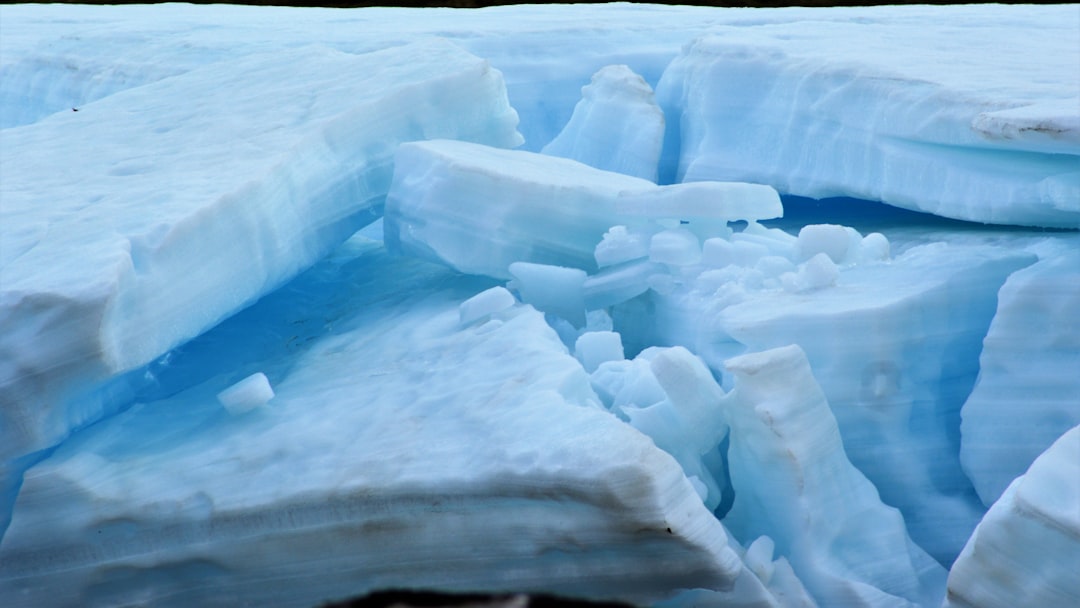
The Earth’s climate is not a static entity. Throughout its long history, it has undergone dramatic transformations, swinging between frigid periods characterized by vast ice sheets and warmer epochs where oceans reached higher levels. One of the most significant transitions in this climatic dance was the end of the last Ice Age, a period of profound change that reshaped landscapes, altered ecosystems, and ultimately paved the way for the world as we know it. This monumental shift, driven by a complex interplay of natural forces, led to a warming planet, the melting of colossal glaciers, and the emergence of new environments that supported the rise of early human civilizations.
The last glacial period, often referred to as the Last Glacial Maximum (LGM), reached its peak approximately 20,000 years ago. During this time, immense ice sheets, some kilometers thick, covered vast swathes of North America, Europe, and Asia. These frozen titans carved out valleys, sculpted mountains, and significantly lowered global sea levels as water was locked away in ice. The planet was a different place, characterized by colder temperatures, drier conditions in many regions, and a flora and fauna adapted to harsh, icy environments.
The Magnitude of the Ice: A World Transformed
The sheer scale of the ice sheets during the LGM is difficult to comprehend. In North America, the Laurentide Ice Sheet stretched from the Arctic to as far south as the Missouri and Ohio rivers. The Cordilleran Ice Sheet blanketed western Canada and mountain ranges of the western United States. In Europe, the Scandinavian Ice Sheet covered much of Scandinavia, northern Germany, Poland, and extended into Britain. These frozen expanses acted as powerful geological agents, their immense weight deforming the Earth’s crust, a phenomenon known as isostatic depression. The scraping action of glaciers pulverized rock, creating fine sediment called glacial flour, and depositing it as vast plains of till.
Life on the Edge: Survival in a Frozen World
The ecosystems of the LGM were stark and resilient. Large herbivores, such as mammoths, mastodons, and woolly rhinoceroses, roamed the treeless tundra and steppe environments that bordered the ice sheets. These animals were adapted to cold climates with thick fur and specialized diets. Predators, including cave lions and saber-toothed cats, stalked these formidable prey. In more temperate regions, coniferous forests and parklands persisted, but were generally less extensive than today. Humans, though present, lived in smaller, nomadic groups, their survival dependent on hunting these megafauna and exploiting the limited resources available in a challenging climate.
The Shifting Tides: The Beginning of the Thaw
The end of the LGM was not an abrupt event but a gradual process spanning thousands of years. The precise trigger for this warming is a subject of ongoing scientific investigation, but it is widely understood to involve a combination of natural factors that amplified small initial temperature increases. As these factors converged, the Earth began to embark on a transformative path away from glacial conditions and towards a warmer, interglacial state.
The end of the Ice Age remains a fascinating topic that has intrigued scientists and historians alike, as it marked a significant shift in Earth’s climate and ecosystems. For those interested in exploring related themes, such as the impact of ancient civilizations on the environment and their technological advancements, the article on advanced ancient technology offers intriguing insights. You can read more about it here: Lost Secrets: Who Buried Advanced Ancient Tech?.
The Orchestra of Warming: Orchestrating the Thaw
The warming that heralded the end of the Ice Age was not a single, simple phenomenon. Instead, it was the result of a complex symphony of natural cycles and feedbacks that amplified each other. Scientists have identified several key drivers that likely contributed to this significant climatic shift, painting a picture of a planet responding to celestial influence, geological changes, and oceanographic dynamics.
Milankovitch Cycles: The Subtle Celestial Clockwork
At the forefront of understanding long-term climate change are the Milankovitch cycles, named after Serbian astronomer Milutin Milanković. These cycles describe long-term variations in Earth’s orbit around the Sun.
Eccentricity: The Ellipse’s Embrace
The Earth’s orbit is not perfectly circular but slightly elliptical. The degree of this eccentricity varies over a cycle of approximately 100,000 years. A more eccentric orbit leads to greater variations in the distance between the Earth and the Sun throughout the year, potentially influencing the amount of solar radiation received at different latitudes.
Obliquity: The Tilted Dance
Earth’s axial tilt, or obliquity, also varies. It currently stands at about 23.5 degrees but oscillates between 22.1 and 24.5 degrees over a cycle of roughly 41,000 years. A greater axial tilt results in more extreme seasonal variations, with hotter summers and colder winters.
Precession: The Wobbling Top
Earth’s axis also wobbles like a spinning top, a phenomenon called axial precession. This cycle, which occurs over approximately 26,000 years, affects the timing of the solstices and equinoxes relative to the Earth’s position in its orbit. This can influence whether northern hemisphere summers occur when Earth is closer or farther from the Sun.
While these orbital variations provide the initial “push” for climatic changes by subtly altering the distribution of solar radiation reaching Earth, they are generally too small to explain the dramatic deglaciation witnessed at the end of the Ice Age on their own. However, they are believed to have acted as the initiating pacemaker, setting the stage for larger, more potent amplifying mechanisms.
Greenhouse Gases: The Invisible Heaters
Crucially, the end of the Ice Age coincided with a significant rise in atmospheric concentrations of greenhouse gases, particularly carbon dioxide (CO2) and methane (CH4). These gases, though present in small quantities, have a profound effect on trapping heat within the atmosphere, like the glass of a greenhouse.
Carbon Dioxide: The Slow Burn
Evidence from ice cores, which trap ancient air bubbles, reveals that CO2 levels began to rise gradually towards the end of the LGM. This increase, from around 180-200 parts per million (ppm) during glacial periods to over 260-280 ppm at the end of the deglaciation, played a critical role in warming the planet. While the initial trigger for this CO2 rise is still debated, it is likely linked to changes in ocean circulation and the release of dissolved CO2 into the atmosphere as ocean temperatures warmed. The oceans act as a vast reservoir of CO2, and as they warm, their capacity to hold dissolved gases decreases, leading to their release.
Methane: The Potent Partner
Methane is an even more potent greenhouse gas than CO2, though it persists in the atmosphere for a shorter duration. Increases in methane concentrations, also observed in ice cores, likely stemmed from several sources. As temperatures rose and wetlands expanded, microbial activity in these environments increased, producing more methane. Additionally, thawing permafrost released trapped organic matter that decomposed, further contributing to methane emissions.
The rising concentrations of these greenhouse gases acted as a powerful feedback mechanism. As the Earth began to warm due to Milankovitch forcing, it released more CO2 and methane, which in turn caused further warming, creating a powerful cycle of amplification.
Oceanic Conveyor Belts: The Global Thermostat
The world’s oceans are not just vast bodies of water; they are also colossal engines of heat distribution, driven by ocean currents. Changes in these oceanic circulation patterns played a pivotal role in the deglaciation process.
The Thermohaline Circulation: A Global Conveyor
The thermohaline circulation, a global system of ocean currents driven by differences in temperature and salinity, is a key regulator of global climate. In its “on” state, cold, salty water sinks in the North Atlantic, pulling warmer surface waters from the tropics northward, distributing heat around the globe. During glacial periods, this circulation is thought to have been weaker or even shut down, leading to colder conditions in the Northern Hemisphere.
As the planet began to warm, the melting of ice sheets introduced massive amounts of fresh, cold water into the North Atlantic. This influx of less dense freshwater could have disrupted the sinking of cold, salty water, potentially weakening or shutting down the thermohaline circulation. Paradoxically, a shutdown of this northward heat transport could have led to extreme cooling in some regions, while the overall global trend was warming, and heat was rerouted to the Southern Hemisphere. As the deglaciation progressed and the freshwater influx stabilized, the thermohaline circulation likely re-established itself in a new configuration, contributing to the continued warming of the Northern Hemisphere.
The Retreat of the Giants: A Landscape Reshaped
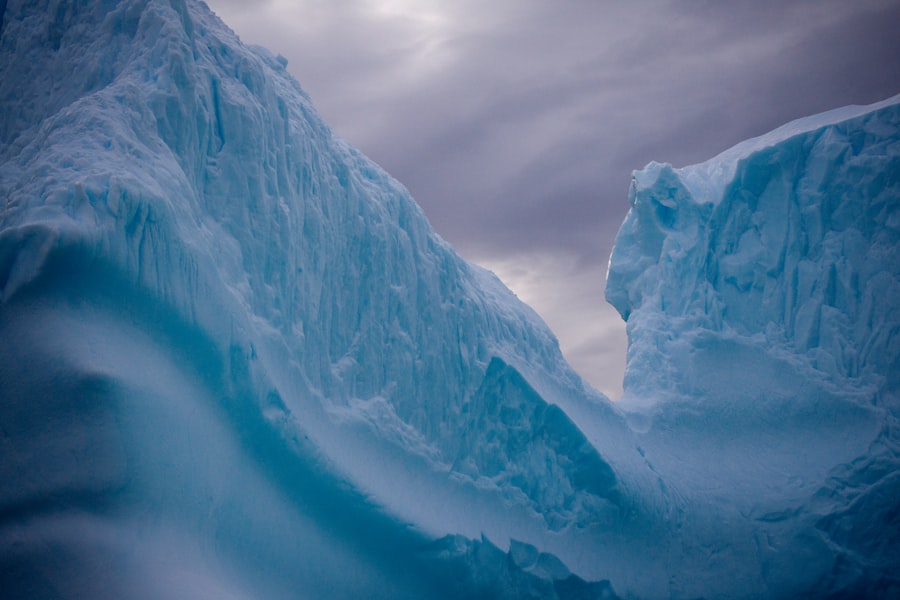
The warming planet had a profound and visible impact on the Earth’s surface. The immense ice sheets, once dominant features of the landscape, began their slow but inexorable retreat, leaving behind a dramatically altered topography and opening up vast new territories for life to reclaim.
The Melting Frontier: Rivers of Ice Turn to Seas
As global temperatures climbed, the vast reservoirs of ice began to melt at an accelerating rate. This melting released enormous quantities of water, which flowed into rivers and, ultimately, into the oceans. The process was not uniform; some areas experienced faster melting than others, depending on local temperatures, ice thickness, and other environmental factors.
Calving Glaciers and Ice Sheets: Breaking Apart
The edges of glaciers and ice sheets are dynamic zones where ice breaks off into the ocean, a process known as calving. As the planet warmed, this calving likely intensified, with large icebergs breaking off and melting in the ocean, contributing to sea-level rise.
Surface Meltwater: Carving New Paths
On the surfaces of ice sheets and glaciers, meltwater formed rivers and lakes. These meltwater channels could carve deep gorges into the ice and, as the ice retreated, would often become the headwaters of new river systems flowing across the newly exposed land.
The Return of the Seas: Rising Oceans and Receding Coastlines
The most dramatic consequence of glacial melt was the significant rise in global sea levels. During the LGM, sea levels were an estimated 120 meters lower than today. As the ice melted, this water was returned to the oceans, causing coastlines to advance inland by hundreds of kilometers in some areas.
Coastal Flooding and Submergence: Lost Lands
The remorseless advance of the sea submerged vast areas of land that had been exposed during the Ice Age. This would have had a profound impact on any human populations living in these areas, forcing migration and reshaping settlement patterns.
New Coastlines Emerge: Islands and Peninsulas
Conversely, as land that had been depressed by the weight of the ice rebounded (isostatic rebound), new coastlines emerged. This process of uplift and submergence created new landforms, including islands and peninsulas, and altered the configurations of continents.
The Sculpted Earth: Fjords, Moraines, and Drumlins
The retreating ice sheets also left behind a distinct geological signature on the landscape. The erosional and depositional power of glaciers shaped the land in numerous ways.
Fjords and Glacial Valleys: Carved by Ice
The deep, U-shaped valleys and steep-sided fjords found in many coastal regions are direct evidence of glacial erosion. As glaciers flowed down valleys, they scoured out massive amounts of rock, deepening and widening the valleys.
Moraines and Till Plains: The Deposited Legacy
As glaciers melted, they deposited the rocks, sand, and gravel they had carried. These unsorted deposits form features such as moraines (ridges of debris left at the edges of glaciers) and vast till plains, which cover significant portions of formerly glaciated regions.
Drumlins and Eskers: Flowing Forms
Other distinctive glacial landforms include drumlins (elongated, streamlined hills formed by ice flow) and eskers (long, winding ridges of sand and gravel deposited by meltwater streams flowing within or beneath a glacier).
The Green Revolution: Life Reclaims the Land
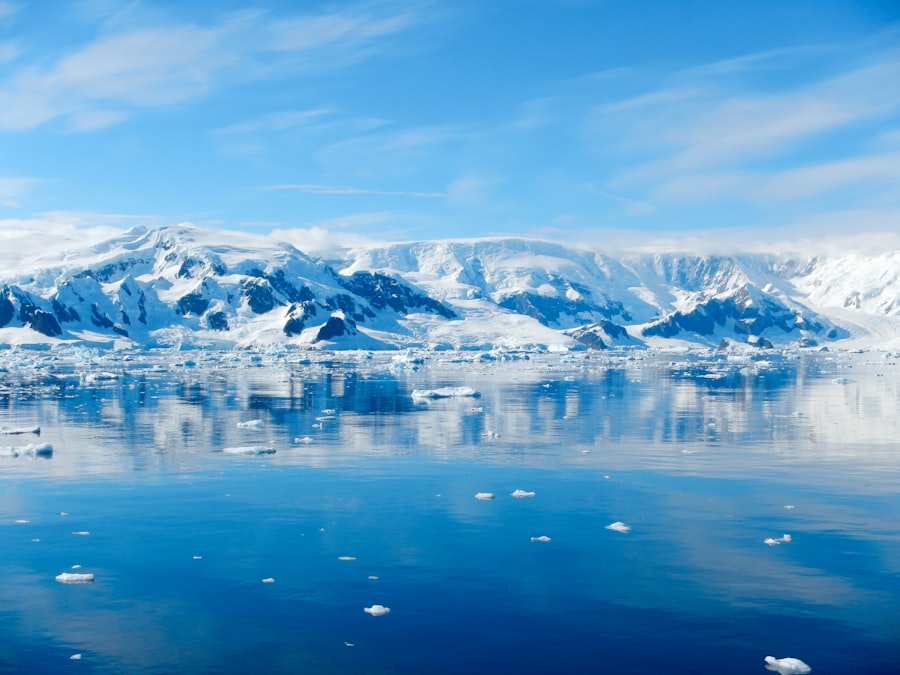
As the ice retreated and the climate warmed, the Earth began to undergo a profound ecological transformation. The barren, icy landscapes of the Ice Age gave way to a burgeoning biosphere, a verdant explosion of plant and animal life that reshaped ecosystems and opened up new niches for evolution.
The Advance of Vegetation: Forests and Grasslands Spread
One of the most significant changes was the widespread expansion of vegetation. As temperatures rose and precipitation patterns shifted, previously inhospitable regions became fertile ground for plant growth.
The Colonization of Periglacial Zones: From Tundra to Taiga
In the periglacial zones bordering the ice sheets, the treeless tundra and steppe began to be colonized by shrubs and, eventually, trees. Coniferous forests, such as the boreal forest (taiga), started to advance northward, gradually replacing the open grasslands.
The Spread of Deciduous Forests: Warmer Winters, Richer Soils
In more temperate regions, deciduous forests, characterized by trees that shed their leaves annually, flourished. These forests provided abundant food sources and habitats for a wide array of animal species. The decomposition of fallen leaves enriched the soil, creating fertile conditions for further plant growth.
Grasslands and Savannas: New Opportunities
In other areas, the warming climate led to the expansion of grasslands and savannas. These open landscapes provided new grazing grounds for herbivores, supporting a diverse community of grazing animals.
The Shifting Zoogeography: Migrations and Extinctions
The dramatic changes in vegetation had a cascading effect on animal populations. Species adapted to the cold, icy conditions of the Ice Age faced new challenges and opportunities as the climate transitioned.
The Megafauna’s Farewell: Those Who Couldn’t Adapt
Many of the iconic large mammals of the Ice Age, the megafauna, did not survive the transition to the Holocene. Species like the woolly mammoth, woolly rhinoceros, and cave lion, which were highly adapted to glacial environments, faced several challenges.
Climate Change as a Driver: Shifting Habitats and Food Sources
As their habitats shrank and their food sources diminished with the advance of forests and the drying of steppe environments, these large animals struggled to adapt. The rapid pace of climate change may have outstripped their ability to evolve or migrate to more suitable regions.
Human Influence: A Contributing Factor
While climate change is widely considered the primary driver of megafauna extinctions, there is ongoing scientific debate about the role of human hunting. As humans became more skilled hunters and their populations grew, some evidence suggests they may have contributed to the decline of certain megafauna species, particularly in regions where humans and megafauna overlapped.
The Rise of New Species: Adapting to a Warmer World
Conversely, the warming climate and the creation of new habitats provided opportunities for other species. Smaller mammals, birds, and insects, with their greater adaptability and reproductive rates, were often able to adjust to the changing conditions. Species that thrived in forests, grasslands, and wetlands diversified and expanded their ranges.
Freshwater Ecosystems: Lakes and Rivers Come Alive
The melting of glaciers and ice sheets also created new freshwater ecosystems. The vast plains left behind by retreating glaciers were dotted with lakes, and new river systems began to flow, supporting a wealth of aquatic life.
The Formation of Lakes: Glacial Carving and Moraine Dams
Many lakes in formerly glaciated regions were formed by the erosional activity of glaciers, which carved out depressions in the landscape. Other lakes were formed behind dams of glacial debris, such as moraines.
Rivers and Hydrological Cycles: Reconnecting the Landscape
The development of extensive river networks connected these newly formed lakes and played a crucial role in distributing water across the landscape, supporting both terrestrial and aquatic ecosystems.
The end of the Ice Age was a pivotal moment in Earth’s history, marking significant changes in climate and ecosystems that shaped the world as we know it today. Researchers have explored various factors contributing to this transition, including shifts in Earth’s orbit and greenhouse gas concentrations. For a deeper understanding of how ancient civilizations responded to environmental changes, you might find it interesting to read about the trends in city abandonment in ancient times, which can be explored further in this article on uncovering ancient city abandonment trends. This connection highlights how climate shifts have historically influenced human settlement patterns.
The Dawn of Human Civilization: A World of Opportunity
| Event | Description |
|---|---|
| Climate Change | The end of the Ice Age was primarily caused by changes in the Earth’s climate, including shifts in temperature and precipitation patterns. |
| Melting Ice Sheets | The large ice sheets that covered much of the Earth began to melt, leading to rising sea levels and the retreat of glaciers. |
| Changes in Ocean Circulation | Shifts in ocean circulation patterns, such as the weakening of the Atlantic Meridional Overturning Circulation, also played a role in the end of the Ice Age. |
| Human Influence | Some scientists believe that human activities, such as deforestation and the burning of fossil fuels, may have contributed to the end of the Ice Age. |
The end of the Ice Age was a pivotal moment in human history. The warming planet, the receding ice, and the emergence of new, fertile landscapes created the conditions that allowed for the development of settled agriculture, the growth of populations, and ultimately, the rise of complex human civilizations.
The Melting Threshold: From Nomadic Hunter to Settled Farmer
For millennia, humans had lived as nomadic hunter-gatherers, following the movements of game and adapting to the ever-changing glacial and periglacial environments. The end of the Ice Age marked a fundamental shift in this lifestyle.
The Availability of New Lands: The Fertile Crescent and Beyond
As the ice sheets retreated, vast areas of land became available for human settlement and exploitation. Particularly in regions like the Fertile Crescent of the Middle East, where the climate became more hospitable and wild grains were abundant, the conditions were ripe for the development of agriculture.
The Domestication of Plants and Animals: A Revolutionary Leap
The abundance of edible plants and accessible game allowed humans to experiment with cultivation. The domestication of plants, such as wheat, barley, and rice, and animals, such as sheep, goats, and cattle, was a revolutionary leap. It provided a more reliable and abundant food supply, freeing humans from the constant need for nomadic foraging.
Population Growth and Sedentary Lifestyles: The Seeds of Society
The development of agriculture led to profound social and demographic changes.
Surplus Food and Population Boom: Feeding More Mouths
A stable and abundant food supply allowed for significant population growth. Humans could no longer simply migrate when resources became scarce; instead, they could stay in one place and cultivate the land.
Sedentary Living and Permanent Settlements: The Birth of Villages
This sedentary lifestyle led to the establishment of permanent settlements, which grew from small villages into larger towns and eventually cities. The need for communal labor, resource management, and defense fostered the development of more complex social structures and hierarchies.
The Birth of Innovation: Tools, Technology, and Culture
The stability and surplus provided by agriculture also spurred innovation.
New Technologies: Pottery, Weaving, and Advanced Tools
With settled lives, humans had the time and resources to develop new technologies. The invention of pottery for food storage and cooking, the development of weaving for textiles, and the refinement of tools for agriculture and construction were all significant advancements.
Early Forms of Governance and Social Organization: The Foundations of Civilization
The need to manage land, water resources, and growing populations led to the development of early forms of governance, laws, and social organization. Complex societies with specialized roles, religious practices, and early forms of writing began to emerge.
The Holocene Epoch: A New Chapter in Earth’s History
The period that began with the end of the last Ice Age is known as the Holocene epoch, a relatively stable and warm period that has persisted for the last 11,700 years. This epoch has been characterized by generally pleasant climatic conditions, allowing for the flourishing of human civilization and the development of the world as we know it.
A Window of Opportunity: The Foundation for Humanity
The Holocene has provided humanity with a unique window of opportunity. Its stable climate has allowed for the sustained development of agriculture, the growth of great civilizations, and the unprecedented technological and cultural advancements that have shaped the modern world.
The Ongoing Legacy: Understanding Our Past to Inform Our Future
Studying the end of the Ice Age and the subsequent Holocene is not merely an academic exercise. It provides invaluable insights into the Earth’s climate system, its natural variability, and the profound impact that climatic shifts can have on ecosystems and human societies. As we face new climate challenges in the 21st century, understanding the intricate mechanisms behind past warming events offers crucial lessons and underscores the imperative to protect our planet’s delicate balance. The story of the end of the Ice Age is a testament to Earth’s dynamic nature and a powerful reminder of both its resilience and its vulnerability.

Could Humanity Remember a World That No Longer Exists?
FAQs
1. What caused the end of the Ice Age?
The end of the Ice Age was primarily caused by changes in the Earth’s orbit and tilt, leading to shifts in the distribution of sunlight and temperature across the planet.
2. When did the Ice Age end?
The Ice Age ended approximately 11,700 years ago, marking the beginning of the current geological epoch known as the Holocene.
3. What role did human activity play in the end of the Ice Age?
Human activity did not play a significant role in ending the Ice Age. The major factors were natural processes such as changes in Earth’s orbit and tilt.
4. What impact did the end of the Ice Age have on the environment?
The end of the Ice Age led to the retreat of glaciers, the rise of sea levels, and the expansion of forests and grasslands. It also allowed for the migration and diversification of various plant and animal species.
5. Are there any remnants of the Ice Age still present today?
Yes, there are still remnants of the Ice Age present today, such as glaciers, ice sheets, and landforms shaped by glacial activity. Additionally, the effects of the Ice Age can be seen in the distribution of plant and animal species and the composition of Earth’s atmosphere.