The last great ice sheets, colossal sculptures of frozen water, began their dramatic retreat thousands of years ago. This cataclysmic shift from a frigid, glacial world to the more temperate climate of the Holocene epoch marked the end of the Pleistocene, a period teeming with now-extinct megafauna as diverse as saber-toothed cats and woolly mammoths. For centuries, scientists have grappled with the precise timing, triggers, and consequences of this monumental transition. Uncovering the mysteries of the Ice Age’s end is not merely an academic pursuit; it is a crucial endeavor for understanding Earth’s past, present, and future climate dynamics, the evolution of ecosystems, and the trajectory of human civilization.
The visual remnants of the Pleistocene tell a compelling story of a planet thawing. Vast moraines, the rock-strewn debris left behind by retreating glaciers, scar landscapes across North America, Europe, and Asia. These geological formations serve as indelible markers of the ice sheets’ maximum extent and their subsequent, albeit slow, disappearance. Remote sensing techniques, combined with painstaking fieldwork, allow geologists to map these features with remarkable detail, providing a spatial understanding of glacial retreat.
Ice Core Chronicles: Frozen Diaries of Climate Change
Perhaps the most potent evidence for the dramatic climate shift comes from deep ice cores drilled in Greenland and Antarctica. These cylindrical samples of ancient ice serve as invaluable archives, trapping atmospheric gases and dust from millennia past. By analyzing the isotopic composition of the ice and the trapped air bubbles, scientists can reconstruct past temperatures, atmospheric carbon dioxide levels, and even the prevalence of volcanic eruptions. The striking correlation between rising temperatures and increasing greenhouse gas concentrations, particularly carbon dioxide, revealed in these ice cores provides undeniable proof of a significant warming event at the close of the Ice Age. The sheer volume of data contained within these frozen diaries allows for a high-resolution temporal record, pinpointing shifts in climate on decadal and even annual scales. This granular detail is essential for understanding the pace and abruptness of past climate change.
Marine Sediments: Ocean Currents and Global Thermostats
The ocean floor, a silent repository of Earth’s history, also holds vital clues. Layers of marine sediment, accumulating over eons, contain fossilized marine organisms and variations in chemical composition that reflect ocean temperatures and circulation patterns. Foraminifera, microscopic marine organisms with shells that incorporate oxygen isotopes from the surrounding seawater, are particularly useful. Their shells act as thermometers, providing a proxy for past sea surface temperatures. Changes in the abundance and type of plankton found in sediment cores can also indicate shifts in ocean productivity, which is closely linked to climate. Furthermore, the magnetic properties of sediment layers can help date them, creating a chronological framework for understanding oceanographic changes. The ocean’s immense capacity to store and transport heat makes it a critical player in global climate regulation, and its response to the warming at the end of the Ice Age offers insights into its role in future climate scenarios.
Fossil Flora and Fauna: Reshaping Landscapes and Lives
The fossil record of plants and animals offers a powerful, qualitative glimpse into the profound ecological transformations that accompanied the Ice Age’s demise. Pollen analysis, the study of fossilized pollen grains preserved in sediment layers, reveals shifts in vegetation. As temperatures rose and glaciers receded, forests, grasslands, and wetlands began to colonize previously ice-covered or arid landscapes. Simultaneously, the iconic megafauna of the Pleistocene, adapted to cold climates, faced immense pressure. The extinction of species like the woolly mammoth, woolly rhinoceros, and cave bear, while complex, is intrinsically linked to the dramatic environmental changes. Their disappearance reflects not only direct climatic pressures but also the cascading effects on their food webs and habitats. Paleontologists meticulously excavate fossil sites, uncovering skeletal remains and associated evidence that paint a vivid picture of these ancient ecosystems and the life they supported. The geographical distribution of fossils also helps reconstruct ancient migration patterns and habitat suitability.
As humanity continues to explore its past, the question of whether we can remember the end of the Ice Age becomes increasingly intriguing. This period marked a significant transformation in our environment and way of life, shaping the trajectory of human civilization. For a deeper understanding of how historical climatic shifts impact contemporary societies, you may find it insightful to read the article on the urgent need for action regarding the crisis in Sub-Saharan Africa, which highlights the ongoing effects of climate change and resource scarcity. You can access the article here: Sub-Saharan Africa Crisis: The Urgent Need for Action.
Unraveling the Causality: The Triggers of Deglaciation
While the evidence for warming is abundant, the precise mechanisms that initiated and sustained this deglaciation have been a subject of intense scientific debate. Pinpointing the primary drivers is crucial for understanding the Earth’s sensitivity to various climate forcings.
Orbital Oscillations: The Milankovitch Cycles’ Gentle Push
The Earth’s orbit around the Sun, though seemingly constant, undergoes subtle variations over tens of thousands of years. These Milankovitch cycles, encompassing changes in eccentricity (the shape of Earth’s orbit), obliquity (the tilt of Earth’s axis), and precession (the wobble of Earth’s axis), influence the amount and distribution of solar radiation reaching the planet’s surface. During periods of reduced axial tilt and more circular orbits, summer insolation in the Northern Hemisphere can decrease, promoting the growth of ice sheets. Conversely, an increase in summer insolation, particularly in the Northern Hemisphere where the majority of landmasses and ice sheets were located, is widely accepted as a key trigger for deglaciation. Scientists use sophisticated computer models to simulate the cumulative effects of these orbital variations over geological time, demonstrating their strong correlation with glacial-interglacial cycles. While the Milankovitch cycles provide the long-term pacemaker, they are not thought to be sufficient on their own to explain the rapid and dramatic warming seen at the end of the Ice Age.
Greenhouse Gas Surges: The Atmosphere’s Potent Amplification
The dramatic increase in atmospheric concentrations of greenhouse gases, particularly carbon dioxide (CO2) and methane (CH4), is undeniably a major factor in driving the end of the Ice Age. Ice core data reveals a significant and relatively rapid rise in these gases coinciding with the onset of deglaciation. The question that has long perplexed scientists is what initiated this surge. Current scientific consensus points to a complex interplay of factors, with the warming caused by orbital changes potentially initiating positive feedback loops. As the planet warmed slightly due to orbital forcing, the oceans, which absorb vast amounts of CO2, began to release it. Warmer ocean water holds less dissolved gas, and changes in ocean circulation patterns could have facilitated this release. Similarly, thawing permafrost released trapped methane, a potent greenhouse gas. This self-reinforcing cycle, where initial warming leads to further warming, is a critical concept in understanding climate sensitivity and the amplified impact of even modest initial forcings.
Volcanic Activity: A Rousing but Transient Force
While volcanic eruptions can inject significant amounts of greenhouse gases into the atmosphere, their role as a primary long-term trigger for deglaciation is generally considered less significant than orbital forcing and greenhouse gas increases. However, large-scale volcanic events or prolonged periods of increased volcanic activity could have contributed to warming by releasing CO2 and other gases. Evidence for significant, synchronized volcanic activity at the exact onset of deglaciation is not as robust as the evidence for greenhouse gas increases. Nevertheless, some researchers propose that specific volcanic events might have played a more localized or perhaps a triggering role in initiating feedback mechanisms. The short-term impact of aerosols from volcanic eruptions, which can have a cooling effect, is also a complicating factor.
The Pace of Change: Abrupt Shifts and Gradual Transitions
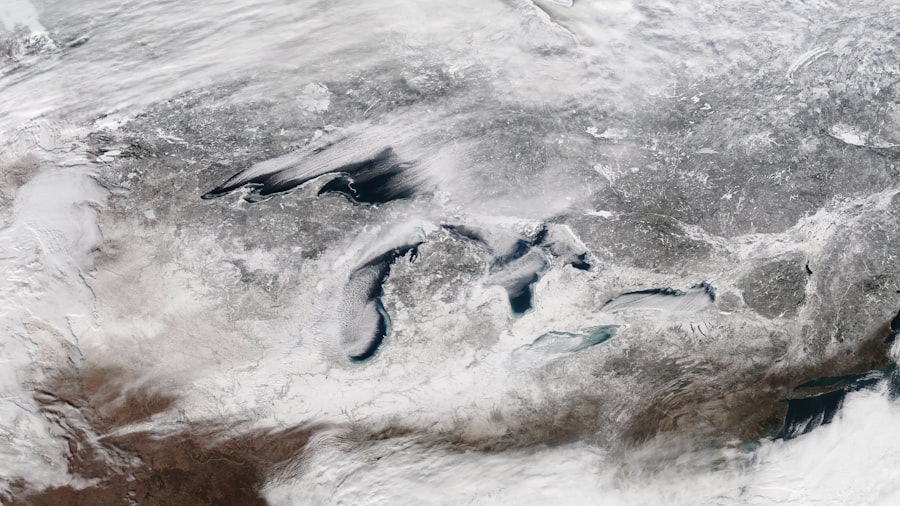
The end of the Ice Age was not a monolithic, uniform process. Evidence suggests a period of both gradual warming and remarkably abrupt climate shifts, confounding simpler explanations.
Dansgaard-Oeschger Events: Decades of Dramatic Disruption
The study of ice cores has revealed the existence of Dansgaard-Oeschger (D-O) events, rapid warming episodes that occurred during the last glacial period and its termination. These events, characterized by sharp increases in temperature lasting for several decades to centuries, are a stark reminder of the potential for abrupt climate shifts. The exact mechanisms driving D-O events are still a subject of active research, but they are thought to be linked to sudden reorganizations of North Atlantic ocean circulation, particularly the Atlantic Meridional Overturning Circulation (AMOC). These abrupt shifts would have had profound implications for regional and potentially global climate, demonstrating that Earth’s climate system is not always a slow, ponderous beast. Understanding the triggers and dynamics of D-O events holds critical lessons for assessing the risk of abrupt climate change in the future.
Heinrich Events: Ice Sheet Destabilization and Global Ripples
Heinrich events are another class of dramatic climate fluctuations, characterized by the massive discharge of icebergs from continental ice sheets into the North Atlantic. These events, marked by distinct layers of ice-rafted debris in ocean sediments, are linked to the periodic destabilization and collapse of parts of the Greenland Ice Sheet. The influx of freshwater from melting icebergs could have significantly disrupted ocean circulation, leading to widespread cooling in the North Atlantic region and potentially influencing global climate patterns for centuries. These events highlight the fragility of large ice sheets and the profound, far-reaching consequences of their rapid melting.
The Holocene Transition: Settling into a Stable Climate
Following the dramatic fluctuations of the late Pleistocene, the Earth entered the Holocene epoch, characterized by a more stable and generally warmer climate. This transition, while seemingly continuous in the grand scheme of geological time, involved a complex interplay of returning vegetation, stabilizing ice sheets (though at a reduced scale), and a gradual return to more predictable weather patterns. The Holocene provided the relatively stable environmental conditions that were conducive to the development of agriculture and the rise of human civilization. The understanding of this final settling into a warmer, more predictable climate is crucial for establishing baselines against which current and future climate changes can be measured.
Ecological Repercussions: A World Remade
The end of the Ice Age was not just a warming period; it was a profound ecological revolution, reshaping landscapes, driving extinctions, and paving the way for new life.
Megafaunal Extinctions: A Puzzle of Climate and Humans
The mass extinction of large mammals at the close of the Pleistocene is one of the most debated topics in paleontology. While climate change undoubtedly played a significant role, the timing and extent of human colonization of new territories also coincide with these extinctions. The “overkill hypothesis,” which posits that human hunting pressure was the primary driver of extinctions, has been supported by some evidence, particularly in regions like Australia and the Americas where megafauna appeared alongside early human colonizers. However, other researchers argue that the rapid and dramatic climate shifts created challenging conditions to which these specialized animals could not adapt. It is now widely accepted that a combination of factors, likely including climate change, habitat fragmentation, and human pressures, contributed to the demise of these magnificent creatures. The precise weighting of these factors remains an active area of research.
The Rise of New Ecosystems: Forests, Grasslands, and Biodiversity
As the ice retreated, new habitats emerged, allowing for the colonization and diversification of plant and animal life. Forests expanded into previously glaciated regions, and grasslands and savannas flourished in other areas. This period saw the emergence of many species that characterize modern ecosystems. The increased availability of unfrozen land and water bodies led to a surge in biodiversity in many regions. Understanding the patterns of recolonization and the establishment of new ecological communities provides invaluable insights into ecological resilience and the long-term trajectory of biological evolution. The transformation of landscapes from ice-dominated to vegetated worlds illustrates the dynamic nature of Earth’s biosphere.
Changes in Ocean Productivity and Marine Life
The end of the Ice Age also brought significant changes to marine environments. Shifts in ocean currents, temperature, and nutrient availability influenced plankton blooms, which are the base of many marine food webs. This, in turn, affected the distribution and abundance of fish, marine mammals, and other sea life. The transition from icy seas to warmer waters altered the habitats of many marine species, leading to extinctions and the rise of new species better adapted to the changing conditions. Studying marine sediment cores and fossil marine organisms helps reconstruct these changes and understand the interconnectedness of terrestrial and marine ecosystems.
As scientists continue to explore the mysteries of our planet’s climatic history, the question of whether humanity could remember the end of the Ice Age becomes increasingly intriguing. Recent studies suggest that oral traditions and ancient artifacts may hold clues to how early humans adapted to dramatic environmental changes. For a deeper understanding of how historical events shape our present, you might find this article on the implications of historical legislation, such as the Trading with the Enemy Act, particularly enlightening. You can read more about it here.
Lessons for the Future: Climate Stability and Human Impact
| Metrics | Data |
|---|---|
| Duration of the Ice Age | Around 2.4 million years ago to 11,700 years ago |
| Causes of the end of the Ice Age | Natural climate cycles and variations in Earth’s orbit |
| Effects of the end of the Ice Age | Rise in sea levels, retreat of glaciers, and changes in global climate |
| Human presence during the end of the Ice Age | Early human civilizations witnessed the end of the Ice Age |
The study of the Ice Age’s end offers profound lessons for understanding our planet’s climate system and the potential impact of human activities on it.
Climate Sensitivity: A Sensitive System Revealed
The dramatic climate swings of the Pleistocene, particularly the abrupt warming events like the D-O and Heinrich events, underscore the sensitivity of Earth’s climate to various forcings. The amplification of initial warming through feedback mechanisms, like those involving greenhouse gases, highlights how relatively small initial perturbations can lead to significant and rapid changes. This understanding of climate sensitivity is paramount for accurately predicting the consequences of anthropogenic greenhouse gas emissions in the present day. Scientists use past climate data to calibrate and validate climate models, which are essential tools for forecasting future climate scenarios. The sheer magnitude of past climate shifts, driven by natural factors, serves as a stark warning of the potential for significant disruptions if these natural forces are compounded by human-induced changes.
The Holocene as an Anomaly: A Window of Opportunity
The relatively stable and warm climate of the Holocene, which allowed for the development of human civilization as we know it, may have been more of an anomaly than the norm. The long-term geological record suggests a planet prone to dramatic glacial-interglacial cycles. Understanding the factors that sustained this prolonged period of relative stability, and the potential triggers that could lead to its end, is crucial. Current warming trends, driven by anthropogenic greenhouse gas emissions, are raising concerns that we may be pushing the Earth’s climate system out of the relatively benign Holocene state and towards a potentially more volatile future, reminiscent of the abrupt shifts seen during the deglaciation.
Anthropogenic Forcing: A New Era of Climate Change
While natural forces drove the end of the Ice Age, the current era is defined by unprecedented anthropogenic forcing of the climate system. The rate and magnitude of greenhouse gas emissions from human activities are far exceeding natural fluctuations seen in the geological past. The lessons learned from the Ice Age’s end, particularly the power of feedback mechanisms and the potential for abrupt change, are thus highly relevant. Scientists are actively investigating how the current trajectory of warming compares to past events and what the potential consequences might be for ecosystems and human societies. The study of past climate transitions provides a crucial context for understanding the urgency and scale of the challenges posed by contemporary climate change. The ability to learn from these past transformations offers valuable insights, but ultimately, the responsibility for shaping the future of our planet’s climate now rests squarely on human shoulders.

Could Humanity Remember a World That No Longer Exists?
FAQs
What was the Ice Age?
The Ice Age was a period of time when the Earth’s climate was much colder than it is today, resulting in large ice sheets covering much of the planet.
How did the Ice Age end?
The end of the Ice Age was marked by a gradual warming of the Earth’s climate, causing the ice sheets to melt and retreat. This process took thousands of years to complete.
Could humanity remember the end of the Ice Age?
It is unlikely that humanity could remember the end of the Ice Age, as it occurred over 10,000 years ago, long before recorded history. However, some evidence suggests that ancient civilizations may have passed down oral traditions or myths about the dramatic climate changes.
What evidence do we have of the end of the Ice Age?
Scientists have gathered evidence of the end of the Ice Age from geological records, such as the retreat of glaciers, changes in sea levels, and shifts in plant and animal populations.
How did the end of the Ice Age impact human civilization?
The end of the Ice Age allowed for the expansion of human populations and the development of agriculture, as the climate became more favorable for growing crops. It also led to the extinction of many large mammal species, possibly due to a combination of climate change and human hunting.