
The echoes of a forgotten deluge resonate through humanity’s oldest stories. Across continents and cultures, from the sun-baked plains of Mesopotamia to the verdant islands of the Pacific, tales of catastrophic floods dwarf and reshape civilizations, hinting at a shared ancestral memory of overwhelming aquatic disaster. These narratives, often dismissed as mere allegory or religious fantasy, are increasingly being scrutinized for their potential to reflect very real, albeit cataclysmic, geological and climatological events that occurred in humanity’s distant past. The striking similarities in these disparate flood myths suggest not just a common human penchant for storytelling, but perhaps a common source for their inspiration: the devastating power of water on a scale almost unimaginable today.
Flood myths are not isolated curiosities; they are a pervasive element of human folklore, appearing in nearly every major cultural tradition. The sheer ubiquity of these narratives compels serious consideration. What could inspire such consistent themes across cultures that had no direct historical contact? Scholars and researchers are beginning to explore the possibility that these stories are not simply symbolic representations of divine wrath or moral cleansing, but rather fragmented, culturally adapted retellings of actual geological and hydrological events that deeply impacted early human populations. The common threads woven through these tales—a divine or supernatural cause, the destruction of almost all life, a chosen survivor or survivors, and the subsequent repopulation of the Earth—speak to a shared experience that transcended geographical and chronological barriers.
The Mesopotamian Genesis: The Epic of Gilgamesh
Perhaps the most ancient and influential flood narrative comes from Mesopotamia, predating the biblical account by centuries. The Epic of Gilgamesh, inscribed on clay tablets dating back to the third millennium BCE, features a vivid account of a great flood sent by the gods to destroy humanity. The hero Utnapishtim, warned by the god Ea, builds a magnificent ark to save himself, his family, his possessions, and pairs of all living creatures. This story, with its detailed descriptions of the storm, the ark, and the subsequent release of birds to test the receding waters, bears a remarkable resemblance to later flood narratives, most notably that of Noah. The sheer age and sophistication of this account suggest that flood traditions were already deeply ingrained in Mesopotamian society long before they found their way into other religious texts. The presence of this detailed narrative in a civilization that flourished on the banks of the Tigris and Euphrates rivers, prone to seasonal flooding and occasional devastating inundations, further fuels the argument for a grounding in real-world events.
The Biblical Flood: Noah’s Ark
The most widely known flood myth, undoubtedly, is the story of Noah’s Ark in the Book of Genesis. This narrative shares many striking parallels with the earlier Mesopotamian account, including the divine decision to destroy humanity, the selection of a righteous survivor, instructions to build an ark, the preservation of pairs of animals, a period of torrential rain, and the eventual landing on a mountain. While the theological interpretations of the biblical flood are rich and varied, the structural similarities to older tales cannot be ignored. The Genesis account, while framed as a divine judgment and moral imperative, undeniably echoes the core elements of a catastrophic inundation event and the survival of a remnant. The question arises as to whether the biblical narrative is an independent creation or a culturally influenced adaptation of an older tradition that, in turn, may have roots in historical memory.
The Greek Mythology: Deucalion’s Flood
Greek mythology also features a significant flood narrative, primarily centered around the figure of Deucalion. In this myth, Zeus, angered by the wickedness of mankind, decides to send a flood to cleanse the Earth. Prometheus, pitying his son Deucalion, warns him to build a chest. Deucalion and his wife Pyrrha are the sole survivors, drifting for nine days and nights before their chest lands on Mount Parnassus. They then repopulate the Earth by throwing stones over their shoulders, which transform into people. This myth, while featuring a different set of deities and characters, shares the fundamental elements of divine displeasure, a devastating flood, chosen survivors, and the subsequent renewal of humanity. The Hellenic world, with its numerous islands and coastal settlements, was certainly susceptible to tsunamis and major flooding events, making a shared origin in natural disasters a plausible explanation.
The exploration of ancient flood myths and their potential connections to real historical events is a fascinating topic that has intrigued scholars for years. These myths, found in various cultures around the world, often share striking similarities, leading researchers to ponder whether they are rooted in actual occurrences. For a deeper understanding of how myths can reflect historical realities, one might also consider the broader context of human experiences and societal developments, as discussed in the article about Mexico’s electronics manufacturing hubs. This piece highlights how modern narratives can shape our understanding of history and culture, much like ancient myths. To read more about this intriguing subject, visit this article.
Geological Evidence: Whispers from the Earth
Beyond the textual evidence, the Earth itself offers silent testimony to the possibility of cataclysmic floods. Geological formations and archeological discoveries provide tangible clues that may correlate with the widespread flood traditions. Scientists have uncovered evidence of massive, ancient floods that would have dramatically altered coastlines and inundated vast inland areas, events that could have left an indelible mark on the collective memory of early human societies. The existence of these geological phenomena provides a powerful counterpoint to purely symbolic interpretations of flood myths.
The Black Sea Deluge Hypothesis
One of the most compelling geological hypotheses relates to the Black Sea. Scientific research suggests that at the end of the last Ice Age, approximately 7,500 years ago, the Mediterranean Sea may have breached the Bosporus strait, rapidly inundating the lower-lying freshwater Black Sea. This event is theorized to have been a catastrophic flood of immense proportions, potentially raising the water level by tens of meters and submerging vast swathes of previously inhabited land around the Black Sea’s rim. Some researchers, including William Ryan and Walter Pitman, have suggested that this event could be the geological underpinning for flood myths found in communities that historically inhabited the region or had contact with those who did. The speed and scale of such an inundation would have been terrifying and devastating, certainly capable of inspiring epic tales of survival and destruction.
Many scholars have explored the intriguing question of whether ancient flood myths might be rooted in real historical events. A fascinating article that delves into this topic is available at Guardians of Ancient Knowledge, which examines how various cultures have recounted similar tales of catastrophic floods throughout history. These narratives often reflect collective memories of significant environmental changes, suggesting that they may indeed echo genuine occurrences from our past.
Younger Dryas Impact Hypothesis and Megafloods
Another area of geological investigation that intersects with flood myths involves the Younger Dryas period, a sudden and dramatic cooling event that occurred around 12,800 years ago. Some theories propose that a cometary impact or a series of impacts during this period could have triggered widespread environmental disturbances, including massive floods resulting from glacial meltwater surges. These events, known as proglacial floods or meltwater pulses, could have reshaped landscapes and inundated significant areas. While the exact nature and impact of the Younger Dryas are still debated, the potential for such widespread and powerful floods occurring during a period of early human civilization offers another avenue for understanding the origins of flood narratives. The memory of such overwhelming hydrological events, even if filtered through millennia and cultural lenses, could have persisted.
Megatsunamis and Coastal Devastation
Coastal regions, where many early human civilizations were established, are inherently vulnerable to tsunamis, enormous waves generated by undersea earthquakes, volcanic eruptions, or landslides. Evidence exists for ancient megatsunamis, waves that dwarf typical tsunamis in size and destructive power, capable of traveling far inland and causing widespread devastation. The presence of deposited boulder fields and sediment layers high above current sea levels in various coastal locations around the world points to the occurrence of these colossal events. Such cataclysmic inundations, especially if they struck repeatedly or affected densely populated areas, would undoubtedly have left a lasting psychological and cultural impact, readily translatable into stories of world-ending floods.
Cultural Echoes: Shared Memory and Transmission
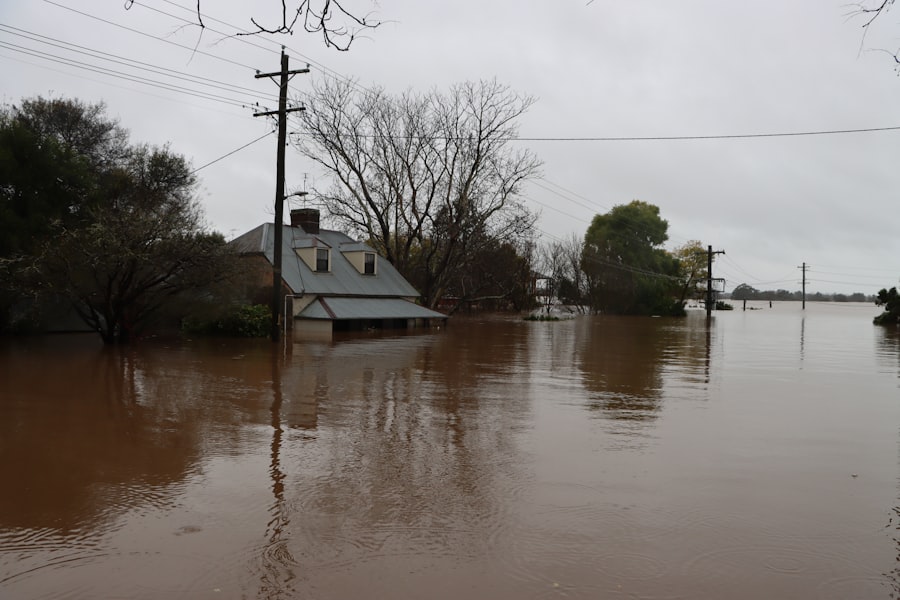
The striking similarities across diverse flood myths suggest more than just independent invention or coincidence. Scholars and mythologists have proposed various mechanisms by which these narratives might have been transmitted and retained across cultures, contributing to the global tapestry of deluge stories. The concept of a shared, deep past, potentially marked by catastrophic events, could be a unifying thread in human cultural development.
Oral Tradition and Generational Memory
The primary mode of information transmission for ancient societies was oral tradition. Stories, histories, and knowledge were passed down from generation to generation through spoken word. It is entirely plausible that the accounts of devastating natural disasters, particularly those that threatened the very existence of communities, would have been preserved and retold. Over centuries, these stories, while perhaps embellished and adapted to local contexts and belief systems, would retain their core narrative of catastrophic flooding. The persistence of these narratives speaks to their profound emotional and psychological impact.
Migrations and Cultural Diffusion
As human populations migrated across the globe, they carried their stories and traditions with them. Flood myths, once established in a community, could have been disseminated to new regions through the movement of people. Early traders, settlers, and explorers would have shared their tales, influencing the folklore of the communities they encountered. This process of cultural diffusion could explain the presence of similar flood narratives in geographically distant cultures that had no direct historical contact, but may have shared common ancestral migratory routes or indirect cultural exchanges over long periods.
Archetypes and the Collective Unconscious
Beyond direct transmission, some theorists, most notably Carl Jung, have proposed the concept of the “collective unconscious.” This theory suggests that humanity shares a reservoir of universal archetypes—primordial images and patterns of thought—that are inherited and manifest in myths, dreams, and symbols across cultures. The flood motif, representing overwhelming chaos and subsequent rebirth, could be one such archetype, resonating with a deep-seated human understanding of destruction and renewal. From this perspective, flood myths are not necessarily direct retellings of specific events, but rather symbolic expressions of a fundamental human concern with existential threats and the cyclical nature of existence.
Reconciling Myth and Science: A Bridge of Understanding
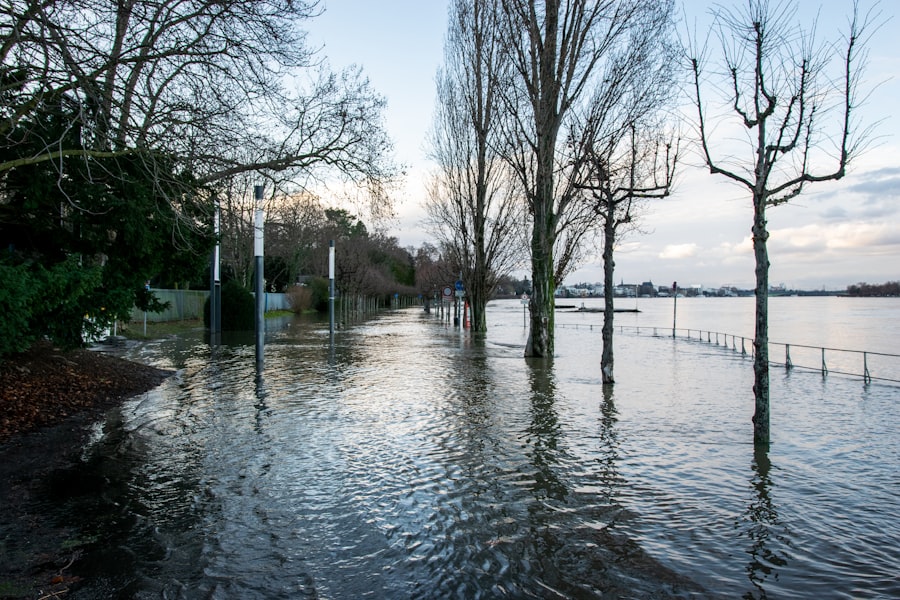
The challenge lies in bridging the gap between the often spiritual or allegorical language of myth and the empirical evidence sought by science. However, this reconciliation is not only possible but can lead to a richer understanding of both human history and the Earth’s past. Flood myths, viewed through a scientific lens, can become invaluable cultural artifacts that point towards scientific phenomena, while scientific discoveries can provide a concrete basis for the enduring power of these ancient narratives.
Interpreting Allegory Through a Scientific Lens
Flood myths are rarely purely literal accounts. They are imbued with cultural meaning, religious beliefs, and symbolic interpretations. However, even within allegorical frameworks, the core narrative of a devastating deluge driven by natural forces can be discerned. Rather than dismissing these myths as entirely symbolic, scientists can explore how the descriptions of the flood, the ark, the survivors, and the aftermath may correspond to actual geological or climatic events. The symbolic elements, while important for understanding the cultural context, should not obscure the potential for a factual basis.
The Role of Paleoclimatology and Archeology
Advancements in paleoclimatology, the study of past climates, and archeology are crucial in testing the hypothesis of real flood events. By examining ice cores, sediment layers, and ancient shorelines, scientists can reconstruct past environmental conditions and identify evidence of significant hydrological changes. Archeological excavations can reveal settlements that were inundated or destroyed by floods, providing direct evidence of human experience with these events. The convergence of findings in these disciplines can offer compelling support for the idea that flood myths are echoes of real historical occurrences.
A Unified Perspective: Human Experience and Earth History
Ultimately, the study of ancient flood myths and geological evidence offers a unified perspective on human experience and Earth history. It suggests that early human societies were not only subject to the whims of nature but were profoundly shaped by it. The enduring power of flood narratives speaks to the deep impact of these catastrophic events on the human psyche and the human story. By understanding these myths not as mere fables but as potential windows into our deep past, we gain a more profound appreciation for the resilience of humanity and the ever-changing, powerful nature of our planet. The whispers of the deluge, carried on the winds of time and etched in the very fabric of the Earth, continue to speak to us, reminding us of a shared heritage forged in the face of overwhelming water.

Could Humanity Remember a World That No Longer Exists?
FAQs
1. What are ancient flood myths?
Ancient flood myths are stories from various cultures around the world that describe a catastrophic flood that destroyed the earth and its inhabitants. These myths often feature a hero figure who survives the flood and helps to repopulate the earth.
2. Do ancient flood myths have any basis in real events?
There is ongoing debate among scholars about whether ancient flood myths are based on real events. Some researchers believe that these myths may have been inspired by actual historical floods or other natural disasters, while others argue that they are purely mythical in nature.
3. Are there any geological or archaeological evidence to support ancient flood myths?
There is some geological and archaeological evidence that suggests that certain ancient flood myths may have been inspired by real events. For example, the discovery of ancient flood deposits in various parts of the world has led some researchers to speculate that these deposits may have influenced the development of flood myths in those regions.
4. What are some of the most well-known ancient flood myths?
Some of the most well-known ancient flood myths include the story of Noah’s Ark in the Bible, the Epic of Gilgamesh from Mesopotamian mythology, and the story of Deucalion and Pyrrha in Greek mythology. These myths have been passed down through generations and continue to be a source of fascination for many people.
5. How do scholars approach the study of ancient flood myths?
Scholars approach the study of ancient flood myths from a variety of perspectives, including comparative mythology, archaeology, geology, and anthropology. By examining the similarities and differences between different flood myths and exploring potential connections to real historical events, researchers hope to gain a better understanding of the origins and significance of these ancient stories.