
The whispers of epochs long past are not merely the stuff of legend or fanciful tales. They are etched into the very fabric of our planet, preserved in the silent testimony of artifacts and the enduring structures that defy the ravages of time. Uncovering ancient history is an ongoing, exhilarating endeavor, a meticulous piecing together of fragments to illuminate the lives, beliefs, and achievements of those who shaped the world before us. This pursuit, driven by a relentless curiosity, relies on a diverse array of evidence, each discipline offering a unique lens through which to view the distant past. From the monumental to the minuscule, the tangible to the inferential, the evidence of the past is a rich tapestry waiting to be understood.
Archaeology, at its core, is the study of human history and prehistory through the excavation of sites and the analysis of the artifacts and physical remains found. It is a discipline that requires patience, precision, and a healthy dose of scientific rigor. The earth, a vast repository of forgotten settlements, burial grounds, and ritualistic spaces, yields its secrets grudgingly, but the rewards are immeasurable. Each unearthed object, from a simple pottery shard to an intricate golden ornament, offers a tangible link to a vanished world, providing insights into daily life, technological advancements, social structures, and artistic expressions.
Excavating the Foundations of Civilization
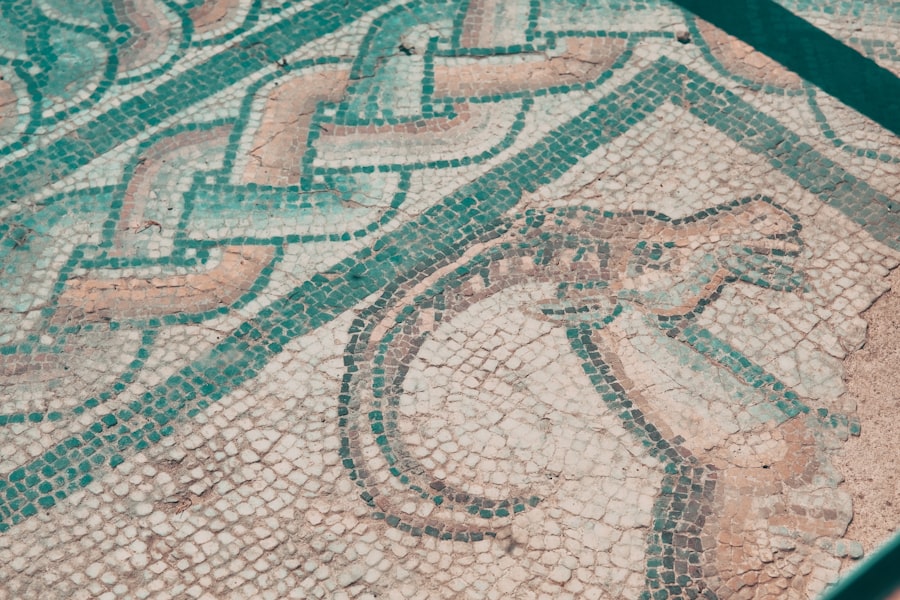
The foundations of many of the world’s greatest civilizations were not built entirely on stone and mortar, but also on the meticulous work of archaeologists. Cities buried beneath centuries of sediment, such as Pompeii and Herculaneum, offer astonishingly preserved snapshots of Roman life, frozen in time by a catastrophic volcanic eruption. The unearthed structures, frescoes, mosaics, and even everyday objects like loaves of bread, allow us to reconstruct the routines, the tastes, and the very atmosphere of these ancient communities. Similarly, the sprawling ruins of Mayan cities in Central America, with their towering pyramids and intricate hieroglyphs, speak volumes about their advanced understanding of astronomy, mathematics, and urban planning. The careful excavation of these sites has revealed not just their architectural prowess, but also their complex social hierarchies, their religious practices, and their sophisticated political systems.
The Power of the Mundane: Everyday Objects
While grand monuments often capture the imagination, it is often the seemingly mundane objects that provide the most intimate glimpses into the lives of ordinary people. A stone-ground tool, a collection of beads, or fragments of textile can reveal much about subsistence strategies, craft specialization, and personal adornment. The analysis of pottery, for instance, can tell us about trade networks, dating techniques, and the development of ceramic technology. Discarded tools can illuminate agricultural practices, hunting techniques, and early forms of industrial production. The humble cooking pot, subjected to scientific analysis, can reveal dietary habits and preparation methods, offering a direct connection to the daily nourishment that sustained ancient populations. These artifacts, often overlooked in their time, become priceless sources of information for the modern historian when meticulously cataloged and studied.
Interpreting the Symbols: Art and Iconography
Ancient art, in its myriad forms – from cave paintings and tomb reliefs to sculpture and pottery decoration – serves as a visual language that communicates beliefs, narratives, and social values. The interpretation of iconography, the study of symbolic images and their meanings, is crucial for understanding the spiritual lives and mythologies of ancient peoples. Elaborate tomb paintings, for example, often depict scenes from the afterlife, offering insights into their mortuary beliefs and hopes for eternal existence. The recurring motifs found in the art of different cultures can reveal shared beliefs, trade connections, or even instances of cultural diffusion. The iconic winged bulls guarding the gates of Assyrian palaces, for instance, were not merely decorative but powerful symbols of divine protection and royal authority, intended to instill awe and subservience.
In exploring the fascinating intersection of ancient history and advanced technology, a compelling article titled “The Lost Power of Ancient Technology” delves into the evidence that suggests ancient civilizations possessed knowledge and skills that were far more advanced than previously believed. This article highlights various archaeological findings and historical accounts that challenge our understanding of technological progress throughout history. To read more about these intriguing discoveries, visit the article here: The Lost Power of Ancient Technology.
Voices from the Dust: Written Records
While archaeology provides a crucial material foundation for understanding the past, written records offer direct textual evidence, allowing us to engage with the thoughts, laws, and histories as recorded by the people themselves. The decipherment of ancient scripts has unlocked vast libraries of information, providing narratives, administrative details, and philosophical explorations that would otherwise remain inaccessible. The preservation of these texts, whether on papyrus, parchment, clay tablets, or stone inscriptions, is a testament to the enduring human desire to record and transmit knowledge across generations.
The Dawn of Literacy: Early Writing Systems
The development of writing systems marks a pivotal moment in human history, enabling the complex organization of societies, the codification of laws, and the transmission of accumulated knowledge. The earliest forms of writing, such as Mesopotamian cuneiform and Egyptian hieroglyphs, were initially developed for administrative and economic purposes, recording transactions and inventory. However, these systems rapidly evolved to encompass religious texts, historical accounts, and even literary works. The decipherment of these scripts, a monumental intellectual achievement in itself, has provided invaluable insights into the political structures, religious beliefs, and everyday lives of these ancient civilizations.
Chronicles of Kings and Commoners: Historical Texts
Historical texts, from epic poems that celebrate heroic deeds to dry administrative records that detail taxation, offer a spectrum of perspectives on the past. The grand narratives of kings and conquerors, while often biased, provide crucial information about political events, military campaigns, and the ideologies that underpinned ancient power structures. However, the true richness of historical records lies in the details that reveal the lives of ordinary people. Tax records, legal documents, personal letters, and even simple graffiti can provide invaluable glimpses into social dynamics, economic conditions, and the hopes and anxieties of the broader population. The discovery of the Dead Sea Scrolls, for example, offered unprecedented insights into Jewish religious life and thought in the Second Temple period, augmenting and sometimes challenging existing historical narratives.
The Wisdom of the Ages: Philosophical and Religious Texts
Beyond the chronicles of events, ancient philosophical and religious texts offer a window into the intellectual and spiritual landscape of past societies. The works of Greek philosophers like Plato and Aristotle continue to influence Western thought, while the sacred texts of various religions, such as the hymns of the Rigveda or the teachings of the Buddha, reveal the foundational beliefs that shaped entire cultures for millennia. These texts explore fundamental questions about existence, morality, and the human condition, providing insights into the ethical frameworks and cosmological understandings that guided ancient peoples. The preservation and study of these texts are vital for understanding not only their historical context but also their lasting impact on human civilization.
The Earth’s Memory: Geological and Environmental Evidence
The earth itself acts as a magnificent archive, its layers and formations bearing silent witness to the passage of millennia and the dramatic environmental shifts that have occurred. Geological evidence, when analyzed through the lenses of stratigraphy, paleontology, and climatology, can provide crucial context for human history, revealing the natural world in which ancient societies lived, adapted, and sometimes perished.
Reading the Layers: Stratigraphy and Dating Techniques
Stratigraphy, the study of rock layers and their chronological sequence, is a fundamental tool in archaeology and geology. Each layer of soil or rock represents a period of deposition, and the artifacts or fossils found within these layers can be dated relative to one another. This allows archaeologists to establish timelines for human occupation and the development of cultures. Complementing stratigraphy are various scientific dating techniques, such as radiocarbon dating, which analyzes the decay of radioactive isotopes in organic materials, and thermoluminescence dating, used for pottery and sediments. These methods provide absolute dates, anchoring archaeological findings to specific points in time and allowing for more precise reconstructions of past events.
Echoes of the Past: Paleontology and the Fossil Record
Paleontology, the study of fossilized remains of ancient life, offers crucial evidence about the ecosystems and environments that existed before human civilization. The discovery of hominin fossils, for example, provides direct evidence of human evolution, tracing our lineage back millions of years and shedding light on the physical and cognitive developments that led to modern humans. The fossilized remains of plants and animals found in association with human settlements can reveal dietary habits, the domestication of species, and the availability of natural resources. Understanding past climates through the fossil record also helps us comprehend the challenges and opportunities faced by ancient peoples, from periods of abundance to times of environmental stress.
The Shifting Climate: Paleoclimatology and Human Adaptation
The study of past climates, or paleoclimatology, is increasingly vital for understanding human history. Evidence from ice cores, tree rings, and geological formations reveals fluctuations in temperature, precipitation, and sea levels over vast timescales. These climatic shifts significantly impacted human migration patterns, agricultural productivity, and the rise and fall of civilizations. Regions that once supported thriving agricultural societies may have succumbed to desertification, while periods of increased rainfall could have fostered periods of prosperity. By understanding these environmental dynamics, we can better appreciate the resilience and adaptability of ancient peoples in the face of a constantly changing planet.
The Blueprint of Life: Biological and Genetic Evidence

Beyond the material remains and written accounts, the biological makeup of present-day populations and the analysis of ancient DNA offer profound insights into the origins, migrations, and relationships of past human groups. This field of study bridges the gap between anthropology, genetics, and history, providing a molecular testament to our shared ancestral journey.
Tracing the Ancestors: Ancient DNA and Genomics
The extraction and analysis of ancient DNA (aDNA) has revolutionized our understanding of human migration patterns and population movements throughout history. By analyzing genetic material from ancient human remains, scientists can identify genetic lineages, track the spread of populations across continents, and even understand the genetic makeup of extinct hominin groups, such as Neanderthals. This genetic evidence can corroborate or challenge conclusions drawn from archaeological and linguistic data, providing a powerful and independent line of inquiry. The study of ancient genomes has revealed complex patterns of interbreeding, admixture, and isolation that shaped the human genetic landscape.
The Story in Our Genes: Population Genetics and Anthropology
The field of population genetics studies the genetic variation within and between populations, providing insights into evolutionary processes and historical population dynamics. By comparing the genetic profiles of contemporary populations with those of ancient samples, researchers can reconstruct ancestral relationships and identify patterns of gene flow. This approach, combined with anthropological studies of material culture and linguistics, offers a holistic picture of human history. Understanding which genes were advantageous in different environments, for example, can shed light on adaptations to disease, diet, and climate, further enriching our understanding of past human experiences.
Inherited Lifestyles: Paleopathology and Disease
The study of paleopathology, the examination of diseases in ancient human remains, offers a unique perspective on the health, diet, and living conditions of past populations. Evidence of skeletal deformities, signs of nutritional deficiencies, or healed fractures can reveal the prevalence of certain ailments, the impact of diet on bone health, and the types of injuries sustained in daily life or conflict. The presence of pathogens in ancient DNA can also reveal the history of infectious diseases and their impact on human populations before the advent of modern medicine. These investigations provide a stark reminder of the challenges faced by our ancestors and the evolutionary pressures that have shaped our current biological resilience.
The study of ancient history often reveals fascinating insights into the technological advancements of early civilizations. A prime example is the Antikythera mechanism, an ancient Greek device that showcases remarkable engineering skills. For a deeper understanding of its functions and significance, you can explore a related article that delves into the intricacies of this remarkable artifact. Check out the article on unlocking the Antikythera mechanism to learn more about its historical context and the mysteries it continues to unveil.
The Echoes of Belief: Ritual, Religion, and Mythology
| Category | Metric |
|---|---|
| Archaeological Sites | Number of excavated sites |
| Historical Texts | Number of preserved manuscripts |
| Artifacts | Number of artifacts discovered |
| Carbon Dating | Age range of dated materials |
While often intertwined with material culture and written records, the study of ancient beliefs, rituals, and mythologies forms a distinct and crucial category of evidence. The understanding of how ancient peoples perceived the world, the divine, and their place within the cosmos offers a profound insight into their motivations, their social structures, and their aspirations.
The Sacred Spaces: Temples, Shrines, and Burial Sites
The architecture and contents of religious sites offer a direct window into the spiritual lives of ancient peoples. The design of temples and shrines, the placement of altars, and the nature of votive offerings all speak to their understanding of the divine and their methods of appeasing or communing with supernatural forces. Burial sites, in particular, are rich in evidence about beliefs concerning the afterlife. The orientation of graves, the grave goods interred with the deceased, and the rituals performed during funerary ceremonies all provide clues about their hopes and fears for the journey beyond death. The great pyramids of Egypt, for example, were not merely tombs but elaborate structures designed to facilitate the pharaoh’s transition to the afterlife and ensure the continued prosperity of the kingdom.
The Narratives of Creation and Consequence: Mythology and Folklore
Myths and legends, passed down through generations, often encapsulate a culture’s origin stories, moral codes, and explanations for natural phenomena. While not always strictly historical in a literal sense, these narratives provide invaluable insights into a society’s worldview, its values, and its understanding of the forces that shaped their reality. The hero myths of many cultures, for instance, often reflect societal ideals and aspirations, while creation myths reveal their cosmologies and their attempts to understand the fundamental nature of existence. The study of comparative mythology can reveal shared human concerns and archetypes that transcend cultural boundaries.
The Rhythms of Life: Festivals, Ceremonies, and Magic
The documentation and interpretation of ancient festivals, ceremonies, and magical practices illuminate the ways in which ancient societies marked time, celebrated significant events, and sought to influence their destinies. Agricultural festivals, tied to the planting and harvesting cycles, reveal the profound connection between human survival and the natural world. Rites of passage, marking transitions from childhood to adulthood or maidenhood to marriage, offer insights into social norms and expectations. The pervasive presence of magic in many ancient cultures underscores a desire to control the uncontrollable and to understand the unseen forces that were believed to govern their lives. Examining the evidence of these practices allows us to reconstruct not just the events, but also the emotional and spiritual underpinnings of ancient life.
In conclusion, the uncovering of ancient history is a continuous and multifaceted endeavor. It is a process that demands interdisciplinary collaboration, technological innovation, and an unwavering commitment to rigorous scholarship. Each piece of evidence, whether a monumental ruin, a fragment of text, a geological stratum, or a strand of DNA, contributes to our ever-evolving understanding of the past. The echoes of those who came before us resonate through these diverse sources, offering lessons, inspiration, and a profound sense of our shared human story. To uncover ancient history is to embark on a journey of discovery that not only illuminates the past but also enriches our present and informs our future.

Could Humanity Remember a World That No Longer Exists?
FAQs
What is evidence aware ancient history?
Evidence aware ancient history is a field of study that focuses on analyzing and interpreting historical events and civilizations based on the available evidence, such as archaeological findings, written records, and other artifacts. This approach aims to provide a more accurate and comprehensive understanding of ancient societies.
Why is evidence important in studying ancient history?
Evidence is crucial in studying ancient history because it provides tangible and reliable information about past civilizations. By analyzing and interpreting evidence, historians and archaeologists can reconstruct the social, political, economic, and cultural aspects of ancient societies, allowing for a more accurate portrayal of history.
What types of evidence are used in evidence aware ancient history?
Various types of evidence are used in evidence aware ancient history, including archaeological artifacts, inscriptions, coins, pottery, architecture, human remains, and written records such as manuscripts, scrolls, and tablets. These sources provide valuable insights into the daily lives, beliefs, and achievements of ancient civilizations.
How does evidence aware ancient history differ from traditional historical approaches?
Evidence aware ancient history differs from traditional historical approaches by placing a stronger emphasis on empirical evidence and critical analysis. Instead of relying solely on written accounts or oral traditions, this approach integrates archaeological findings and other physical evidence to construct a more comprehensive understanding of ancient societies.
What are some challenges in conducting evidence aware ancient history research?
Challenges in conducting evidence aware ancient history research include the preservation of artifacts, deciphering ancient languages and scripts, interpreting complex archaeological contexts, and reconciling conflicting pieces of evidence. Additionally, the biases of historical sources and the limitations of available evidence can pose challenges in reconstructing the past.