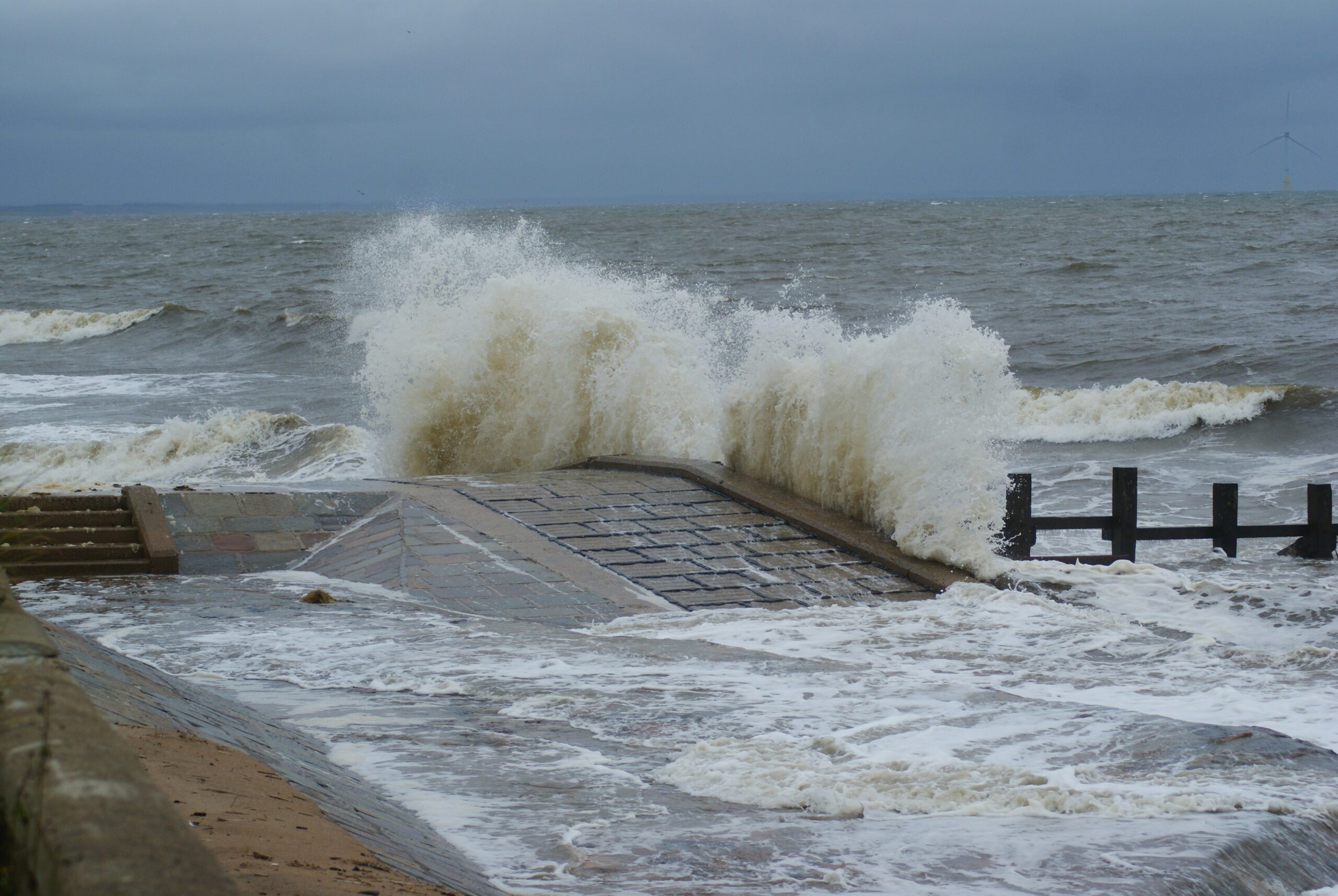
The Earth’s climate is a dynamic system, constantly undergoing shifts and transformations. Among the most significant and impactful of these transformations was the end of the last Ice Age. This colossal period of glaciation, which saw vast ice sheets covering much of the Northern Hemisphere, began its retreat approximately 20,000 years ago. The subsequent warming brought about a cascade of changes, none more dramatic and far-reaching than the dramatic rise in global sea levels. This post-Ice Age sea level rise was not a gentle ebb and flow but a powerful, relentless surge that reshaped coastlines, influenced human migrations, and continues to inform our understanding of Earth’s climate sensitivity today. Examining this period offers invaluable insights into the planet’s response to warming and the complex interplay of geological and climatic forces.
The Ice Age, known scientifically as the Last Glacial Maximum (LGM), was characterized by enormous ice sheets, kilometers thick in places, covering significant portions of North America, Europe, and Asia. These glaciers acted as colossal reservoirs, locking away vast quantities of water that would otherwise be in the oceans. Estimates suggest that during the LGM, global sea levels were approximately 120 to 130 meters lower than they are today, effectively creating land bridges that connected continents and exposing continental shelves that are now submerged. The end of this epoch was not a sudden event but a gradual process, driven by subtle, yet crucial, shifts in Earth’s orbital parameters (Milankovitch cycles) and amplified by feedback mechanisms within the climate system. As solar radiation increased on average, particularly in the Northern Hemisphere, the thawing process began, initiating an era of profound transformation.
Milankovitch Cycles: The Astrological Driver
The cyclical variations in Earth’s orbit around the Sun, known as Milankovitch cycles, are widely accepted as the primary pacemaker for glacial and interglacial periods. These cycles involve three main components:
Eccentricity: The Shape of Earth’s Orbit
The eccentricity of Earth’s orbit, which describes how elliptical or circular it is, varies over a period of roughly 100,000 years. During periods of lower eccentricity, Earth’s orbit is more circular, leading to a more even distribution of solar radiation. Conversely, a more eccentric orbit results in greater variations in the distance between Earth and the Sun throughout the year, influencing the intensity of seasonal sunlight. While eccentricity plays a role, its influence is considered less direct in triggering the initial melting than other cycles.
Obliquity: The Tilt of Earth’s Axis
Earth’s axial tilt, or obliquity, fluctuates between approximately 22.1 and 24.5 degrees over a cycle of about 41,000 years. A greater tilt leads to more extreme seasons, with warmer summers and colder winters. During the transition out of an ice age, a tilt towards a higher obliquity would have meant longer, hotter summers in the Northern Hemisphere, providing the crucial energy needed to melt the vast ice sheets. This increased summer insolation would have been critical in initiating the widespread deglaciation.
Precession: The Wobble of Earth’s Axis
The Earth’s axis also experiences a wobble, known as axial precession, with a cycle of approximately 26,000 years. This wobble affects the timing of the solstices and equinoxes relative to Earth’s position in its orbit. When combined with eccentricity, precession can significantly influence the intensity of seasons in particular hemispheres. For instance, a combination of high eccentricity and a summer solstice occurring when Earth is closest to the Sun (perihelion) would lead to exceptionally warm summers in that hemisphere, further accelerating glacial melt.
Feedback Loops: Amplifying the Thaw
While orbital cycles provided the initial trigger, a complex web of positive feedback loops rapidly amplified the warming and melting process. These feedbacks meant that as ice melted, it rendered the climate even warmer, leading to more melting:
Albedo Effect: The Lighter the Surface, the Cooler the Planet
Ice and snow are highly reflective surfaces, meaning they bounce a significant portion of incoming solar radiation back into space. This is known as a high albedo. As the glaciers began to melt, they exposed darker surfaces beneath, such as rock, soil, and open water. These darker surfaces absorb more solar radiation, leading to further warming. This cycle, the albedo feedback, proved to be one of the most potent amplifiers of the post-Ice Age warming. The more ice melted, the more heat was absorbed, resulting in even more melting.
Greenhouse Gas Release: Unlocking Trapped Carbon
The frozen landscapes of the Ice Age locked away vast quantities of greenhouse gases, particularly carbon dioxide (CO2) and methane (CH4), within permafrost and terrestrial biomass. As temperatures rose and permafrost began to thaw, these trapped gases were released into the atmosphere. Methane, in particular, is a potent greenhouse gas, many times more effective at trapping heat than CO2 over shorter timescales. The release of these gases from thawing soils and oceans further intensified the warming trend, creating a powerful positive feedback loop.
Ocean Circulation: Redistributing Heat
Changes in ocean circulation patterns also played a crucial role. The melting of freshwater ice into the salty oceans could have disrupted major ocean currents that transport heat around the globe, such as the Atlantic Meridional Overturning Circulation (AMOC). While the exact impact is a subject of ongoing research, shifts in these currents could have led to regional warming and further influenced glacial melt rates. For example, the influx of freshwater could have slowed or altered the sinking of cold, salty water in the North Atlantic, potentially leading to increased heat being retained in lower latitudes.
The rise in sea levels following the Ice Age has been a significant topic of research, shedding light on the dramatic changes our planet has undergone. According to studies, sea levels rose by approximately 120 meters as the massive ice sheets melted, transforming coastlines and ecosystems. For a deeper understanding of how economic factors, such as currency crises, can impact environmental policies and responses, you can explore a related article on the subject at this link.
The Water’s Ascent: A Global Transformation
As the ice sheets retreated and greenhouse gas concentrations rose, the planet’s hydrological cycle accelerated. Rainfall increased, glaciers on mountain ranges melted, and the vast ice sheets on continents began to disintegrate. This immense influx of meltwater into the oceans was the direct cause of the post-Ice Age sea level rise. This was not a uniform or constant process. The rate of sea level rise varied throughout the deglaciation, with periods of rapid acceleration interspersed with slower phases. Scientists have identified distinct phases of this rise based on geological evidence and sea-level reconstruction.
The Earliest Stages: Initial Inundation
In the early stages of deglaciation, the melting of smaller ice caps and mountain glaciers, along with the initial release of water from the edges of the large continental ice sheets, led to a noticeable increase in sea level. This period would have seen the inundation of low-lying coastal areas that had been exposed during the LGM. The land bridges that once connected continents would have gradually submerged, isolating populations and initiating the formation of distinct marine ecosystems.
The Meltwater Pulses: Accelerating the Rise
One of the most significant features of the post-Ice Age sea level rise were the so-called “Meltwater Pulses” (MWPs). These were periods of exceptionally rapid sea level rise, occurring on timescales of centuries or even decades. Evidence for these pulses comes from various geological records, including submerged coral reefs and sedimentary deposits.
Meltwater Pulse 1A (MWP1A): A Defining Event
Meltwater Pulse 1A, occurring between approximately 19,000 and 14,000 years ago, is thought to have been one of the most significant. During this period, sea levels may have risen at rates of over 40 millimeters per year, totaling tens of meters of rise. This pulse is often attributed to the catastrophic collapse of the Laurentide Ice Sheet in North America, releasing vast quantities of meltwater into the oceans. The sheer volume and speed of this rise would have had profound impacts on coastal environments and any nascent human populations living in these regions.
Subsequent Meltwater Pulses
Following MWP1A, other meltwater pulses occurred, although generally at slower rates. These later pulses, such as Meltwater Pulse 1B (MWP1B) and Meltwater Pulse 1C (MWP1C), contributing to further sea level rise as the deglaciation continued. These pulses likely represented the disintegration of different parts of the remaining ice sheets or significant ice streams. The existence of these pulses highlights the dynamic and sometimes abrupt nature of glacial melt and its impact on global sea levels.
The Holocene High Stand: Reaching Modern Levels
By around 10,000 years ago, the pace of sea level rise began to slow considerably as the major ice sheets had largely disappeared. The oceans continued to rise, but at a much more gradual rate, eventually reaching something close to present-day levels. This period is known as the Holocene epoch, and the subsequent, relatively stable sea level allowed for the development of agriculture, settled civilizations, and the establishment of coastlines that we recognize today. However, even during this post-glacial period, there were still fluctuations and continued, albeit slower, rises.
Reshaping the Planet: Geological and Ecological Consequences
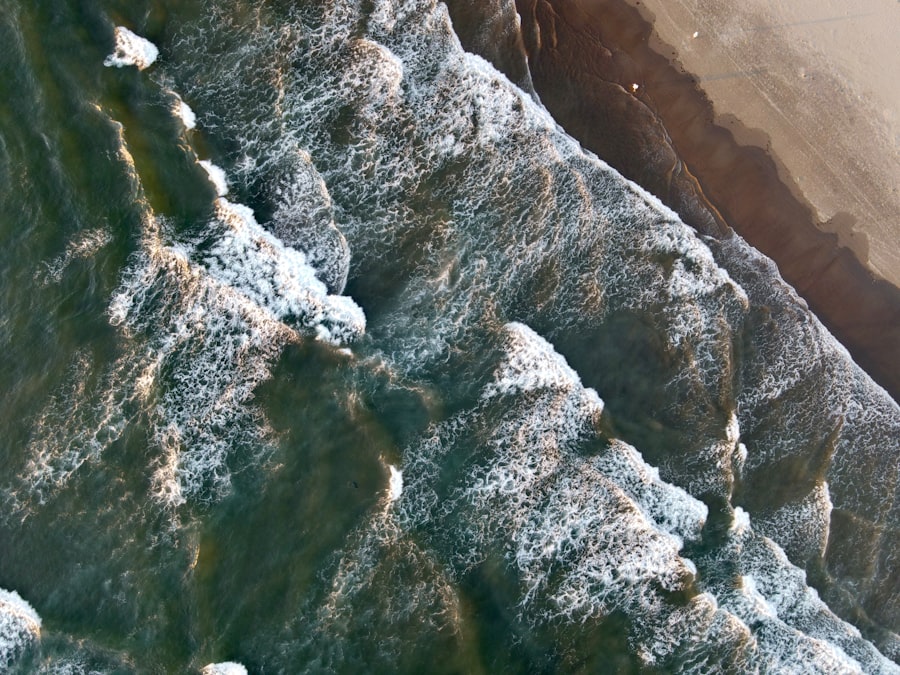
The post-Ice Age sea level rise was not merely an aquatic phenomenon; it had profound and lasting consequences for the Earth’s geology, ecology, and even the course of human history. The submergence of vast coastal plains altered coastlines, created new islands, and impacted terrestrial ecosystems. The rise also played a critical role in shaping the distribution and migration of flora and fauna.
Coastal Plain Inundation: Lost and Found Lands
During the LGM, extensive coastal plains were exposed due to lower sea levels. These plains were often rich in resources and served as important corridors for migration. As the oceans rose, these lands were systematically inundated, transforming coastlines dramatically. Rivers that once flowed across these exposed shelves now met the sea hundreds of kilometers further inland, creating new estuaries and deltas. This process effectively “drowned” significant amounts of land, leading to the formation of archipelagos and the deepening of continental shelves.
Island Formation and Isolation
The submergence of land bridges and the shaping of new coastlines led to the formation of many islands. For populations and species that were previously connected to the mainland, this isolation led to unique evolutionary trajectories. Island ecosystems often develop endemic species that are found nowhere else on Earth, a direct legacy of the changes wrought by sea level rise. The geographic isolation resulting from the rising seas also had significant implications for human migration and cultural development.
Impact on Terrestrial Ecosystems: Shifting Habitats
The inundation of coastal areas led to a significant loss of terrestrial habitats. Forests, grasslands, and wetlands were either submerged or transformed into intertidal zones. This forced many plant and animal species to migrate inland or adapt to the new saline conditions. The species composition of coastal regions changed dramatically, with salt-tolerant species becoming more prevalent. The freshwater ecosystems that existed on the exposed continental shelves were replaced by marine environments.
Submerged Landscapes and Archaeological Traces
The evidence of human activity that once existed on these now-submerged lands is a constant reminder of the dramatic changes. Submerged Mesolithic and Neolithic settlements have been discovered off the coasts of Europe and Asia, offering tantalizing glimpses into human life during the post-Ice Age transition. These underwater archaeological sites provide invaluable data about human adaptation to shifting environments and the challenges they faced as their homelands were claimed by the rising sea.
Human Migration and Adaptation: Following the Waters
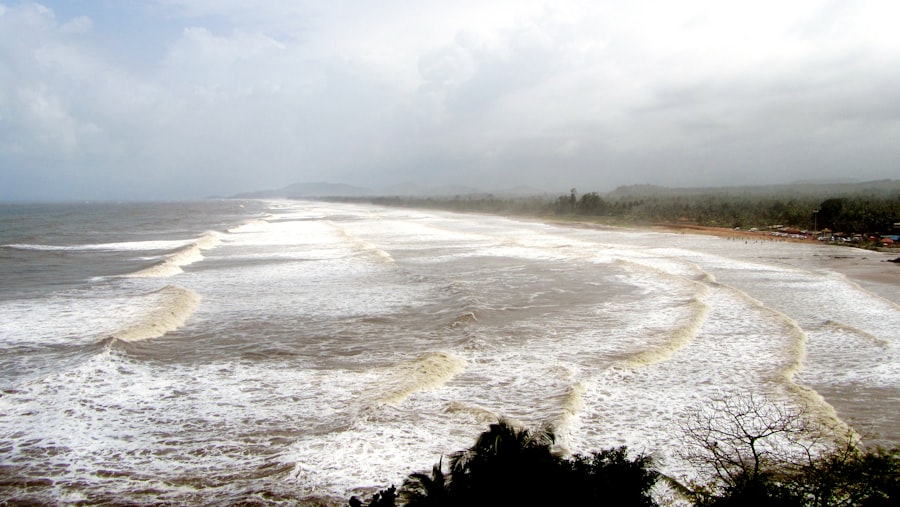
The post-Ice Age sea level rise had a profound impact on human societies, influencing their settlement patterns, migration routes, and technological advancements. As coastlines retreated and land bridges disappeared, early humans were forced to adapt or relocate. The changing geography created new opportunities and challenges, shaping the spread of human populations across the globe.
The Retreat from Coastal Lands: A Forced Exodus
Coastal regions were often favored by early human populations due to the abundance of marine resources, access to freshwater, and relatively mild climates. As the sea level rose, these ancestral homelands became uninhabitable, forcing populations to move inland. This retreat was likely a gradual process in many areas, with communities adapting to the encroaching waters over generations. However, in areas experiencing rapid meltwater pulses, the displacement could have been more sudden and disruptive.
The Opening of New Migration Routes
Paradoxically, the rising seas also opened up new possibilities for human movement. The disappearance of land bridges that once separated continents played a role in the dispersal of human populations across vast distances. For example, the Bering Land Bridge, exposed during the LGM, allowed for the migration of people from Asia into North America. As sea levels rose and the land bridge submerged, this route became impassable, but by then, significant human populations had already established themselves in the Americas.
Adaptation and Technological Innovation: Responding to Change
The challenges posed by rising sea levels spurred innovation and adaptation among human societies. The need to find new food sources, build shelters in more exposed environments, and navigate changing waterways likely drove the development of new tools and technologies. Early maritime technologies, such as improved fishing techniques and the development of rafts and boats, may have been crucial for survival and expansion in the post-glacial world. The ability to exploit marine resources and adapt to coastal environments would have been a key factor in the success of many human groups.
The Formation of Distinct Cultural Groups
The isolation caused by rising sea levels also contributed to the formation of distinct cultural groups. As populations became separated by newly formed seas and oceans, their languages, traditions, and technologies evolved independently. The archaeological record from this period shows the emergence of diverse cultural patterns across different regions, reflecting the varied ways in which human societies adapted to the post-Ice Age world.
After the Ice Age, sea levels rose significantly, reshaping coastlines and impacting ancient civilizations. This rise was primarily due to the melting of massive ice sheets, which contributed to the gradual increase in ocean levels. For a deeper understanding of how ancient societies adapted to changing environments, you can explore the article on surviving drought and the techniques used by ancient civilizations. This resource provides valuable insights into how communities responded to environmental challenges, including those brought about by rising sea levels. You can read more about it here.
Lessons from the Past: Modern Implications and Future Projections
| Time Period | Sea Level Rise (meters) |
|---|---|
| Early Holocene (10,000-7,000 years ago) | 120 meters |
| Mid-Holocene (7,000-4,000 years ago) | 60 meters |
| Late Holocene (4,000 years ago-present) | 20 centimeters |
The study of the post-Ice Age sea level rise is not merely an academic exercise in paleoclimatology; it provides crucial context and valuable lessons for understanding and predicting current and future changes in our planet’s oceans. The immense melt events of the past serve as a stark reminder of Earth’s sensitivity to warming temperatures and the potential for dramatic sea level responses.
Understanding Climate Sensitivity: A Historical Benchmark
The post-Ice Age period offers a unique, naturally occurring experiment in Earth’s climate response to significant warming. By analyzing the geological and environmental records of this transition, scientists can better understand the intricate feedbacks within the climate system and quantify the sensitivity of ice sheets and sea level to temperature changes. This historical benchmark is essential for calibrating and validating modern climate models, improving our ability to forecast future scenarios.
Predicting Future Sea Level Rise: Calibrating Models
The rates and magnitudes of sea level rise during the last deglaciation provide crucial data for refining predictions of future sea level rise. While the drivers of current warming are anthropogenic, the physical processes of ice melt and thermal expansion of the oceans are fundamentally the same. Understanding how quickly and how much sea levels rose in response to past warming events helps scientists extrapolate these processes into the future, accounting for the potential acceleration of ice loss from Greenland and Antarctica.
The Threat to Coastal Communities: A Receding Future
The lessons from the post-Ice Age are particularly relevant for coastal communities today. Millions of people live in low-lying coastal areas that are increasingly vulnerable to sea level rise, storm surges, and coastal erosion. The historical inundation of vast coastal plains serves as a sobering parallel to the threats faced by these communities in the face of ongoing climate change. Understanding the historical dynamics of sea level rise can inform adaptation strategies and highlight the urgency of mitigating greenhouse gas emissions.
The Importance of Paleoclimate Research: Informing Policy
Continued research into paleoclimate events, such as the post-Ice Age sea level rise, is vital for informing effective climate policy. By providing robust scientific evidence of past climate behavior, such research strengthens the case for ambitious climate action and helps to avoid complacency. The dramatic transformations of the planet during the last deglaciation underscore the fact that climate change, when significant enough, can lead to profound and irreversible alterations of our world. The past, in this regard, is not just prologue; it is a vital guide for navigating the challenges of the present and future.

Could Humanity Remember a World That No Longer Exists?
FAQs
1. What caused sea levels to rise after the Ice Age?
During the Ice Age, large amounts of water were locked up in glaciers and ice sheets, causing sea levels to be much lower than they are today. As the climate warmed and the ice melted, the water from the glaciers and ice sheets flowed into the oceans, causing sea levels to rise.
2. How much did sea levels rise after the Ice Age?
Sea levels rose approximately 120 meters (394 feet) after the Ice Age. This rise occurred over a period of several thousand years as the ice melted and the Earth’s climate warmed.
3. What impact did the rise in sea levels have on the Earth’s geography?
The rise in sea levels after the Ice Age had a significant impact on the Earth’s geography. It led to the flooding of low-lying coastal areas, the creation of new coastlines, and the submergence of land bridges that had previously connected continents.
4. How did the rise in sea levels affect early human populations?
The rise in sea levels after the Ice Age forced early human populations to adapt to changing coastal environments. Some populations may have been displaced or forced to migrate to higher ground as their coastal settlements became submerged.
5. Are sea levels still rising today?
Yes, sea levels are still rising today due to ongoing climate change and the melting of polar ice caps and glaciers. This ongoing rise in sea levels has the potential to impact coastal communities and ecosystems around the world.