Witnessing the End of the Ice Age: Did People See it Happen?
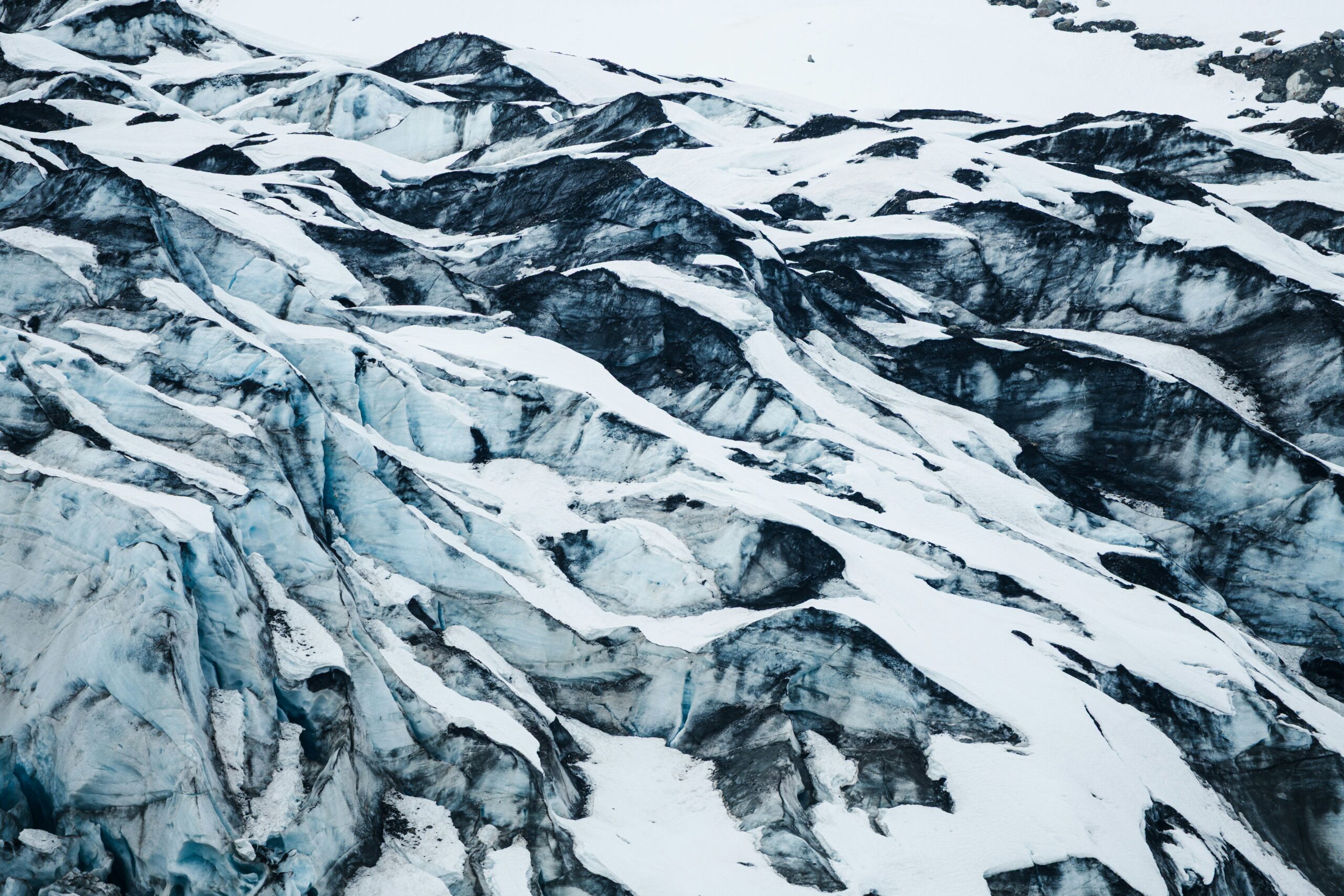
The colossal sheets of ice that once locked much of the Northern Hemisphere in a frigid embrace did not vanish in an instantaneous, cataclysmic event. Instead, their retreat was a slow, arduous process, unfolding over millennia. Yet, this gradual metamorphosis of the Earth’s surface, the dramatic reshaping of landscapes, and the profound shifts in climate must have been a spectacle of immense proportions. The question that lingers in the scientific and anthropological imagination is: did the early humans of that era witness this monumental transformation? Did they perceive, and perhaps even comprehend, the end of the Pleistocene and the dawn of the Holocene?
The Last Glacial Maximum (LGM), typically dated between 26,500 and 19,000 years ago, represented the peak of the most recent ice age. During this period, vast continental glaciers, some kilometers thick, extended from the Arctic, covering much of North America, Europe, and Asia. For context, imagine a world where the Great Lakes region was a frozen wasteland, with ice extending southwards to what is now the mid-United States. In Europe, Scandinavia was submerged beneath an ice sheet, and much of Britain was also entombed. Siberia was a frozen steppe, and mountain ranges across the globe bore much larger, more extensive glaciers.
Life on the Edge of the Ice
Surviving at the periphery of these immense ice masses was a testament to human resilience and adaptability. Early Homo sapiens, along with Neanderthals and other hominin species in earlier periods, had evolved sophisticated strategies for thriving in these challenging environments.
Hunting and Gathering in a Frozen World
The archeological record reveals evidence of advanced hunting techniques, including the use of projectile weapons like spears and atlatls, allowing them to bring down large megafauna such as woolly mammoths, woolly rhinoceros, and giant deer. These animals, adapted to cold climates, were a vital source of food, hides for clothing and shelter, and bones for tools and art. Understanding the migration patterns of these herds would have been crucial for survival, implying a keen observational capacity of their environment.
Shelters and Tools for Survival
Evidence of temporary shelters, often constructed in caves or using natural formations, alongside more robust structures built from animal bones and hides, points to a deep understanding of seasonal changes and the necessity of protection from the elements. The development of sophisticated stone tools, bone needles for sewing, and early forms of fire management further underscore their ability to adapt and endure.
The question of whether people witnessed the end of the Ice Age is a fascinating topic that intertwines archaeology and climate science. Recent studies suggest that early human populations may have experienced significant environmental changes as the Ice Age came to a close, impacting their migration patterns and survival strategies. For a deeper exploration of how ancient civilizations adapted to their environments, you can read more in the article about the Seven Wonders of the Ancient World, which discusses the ingenuity of early societies in the face of changing climates and landscapes. Check it out here: Discovering the Seven Wonders of the Ancient World.
The Great Thaw: A Gradual Transformation
The end of the LGM did not mark an abrupt thawing. Instead, it was a protracted warming period, punctuated by periods of renewed cold (stadials) and warmer spells (interstadials). This gradual, undulating retreat of the ice sheets brought about profound environmental changes that would have been perceptible, albeit unfolding over generations.
Retreating Ice and Rising Seas
As the glaciers melted, two immediate and dramatic consequences ensued: sea levels rose, and landscapes were reshaped. Lowering ice masses released immense quantities of water, causing global sea levels to climb significantly. This process submerged vast coastal plains that had been exposed during the LGM due to lower sea levels.
Submerged Landscapes and Lost Territories
For the human populations living near coastlines, this would have meant the gradual inundation of familiar territories. Entire coastlines, once foraging grounds or settlement sites, would have disappeared beneath the waves. The loss of these lands, coupled with the shifting availability of marine resources, would have necessitated adaptation and migration. Archeological sites, now submerged, offer tantalizing hints of these lost landscapes and the peoples who inhabited them.
Reshaping the Land: Rivers and Lakes
The melting ice also unleashed powerful rivers and created new lakes. The immense pressure of the glaciers had also depressed the Earth’s crust. As the ice retreated, this crust began to rebound, further influencing watercourses and drainage patterns. Vast proglacial lakes, formed at the edge of melting ice sheets, would have dotted the landscape, offering new fishing grounds but also posing potential hazards due to their volatility.
A Changing Climate and its Impact
The warming trend also led to significant shifts in vegetation patterns. As temperatures rose and precipitation patterns changed, grasslands and tundra began to be colonized by forests. These shifts directly impacted the availability of prey animals, forcing hunters to adapt their strategies and potentially explore new territories.
The Demise of Megafauna
One of the most striking, and still debated, phenomena of this period is the extinction of many large mammal species, collectively known as megafauna. While climate change undoubtedly played a significant role, the extent to which human hunting contributed remains a subject of ongoing scientific discussion.
Coexistence or Competition?
If humans were actively hunting these megafauna to extinction, then their interactions would have been characterized by intense pressure and competition for resources. The decline of these iconic species would have been a noticeable and significant event for the communities that relied upon them.
Environmental Stressors
Alternatively, the rapid environmental changes associated with the end of the ice age could have independently stressed these animal populations, making them more vulnerable. Shifting food sources, changes in breeding grounds, and increased disease susceptibility could have all contributed to their decline, even without intensive human predation.
Perceptions of a Changing World: Evidence and Speculation

The question of whether early humans witnessed the end of the ice age in a way we might recognize is complex. Direct anecdotal accounts are, of course, impossible. Their understanding would have been expressed through their actions, their art, and the patterns of their settlements.
Oral Traditions and Ancestral Memories
It is plausible that the dramatic environmental shifts were encoded in oral traditions passed down through generations. While these stories would have evolved and transformed over time, the echoes of significant geological and climatic events—like the shrinking of ice, the rising of seas, or the disappearance of familiar animals—might have persisted as ancestral memories.
Myth and Legend
Ancient myths and legends from cultures around the world often speak of great floods, cataclysmic shifts in the landscape, and the loss of ancient beings. While many of these stories have gained religious and symbolic significance, some scholars propose that they may, in part, be distorted recollections of real historical events, including the end of the ice age.
Artistic Expressions of a New Epoch
The art of the Upper Paleolithic, characterized by cave paintings and portable figurines, offers a window into the minds and observations of these early humans. While the primary focus of much of this art appears to be on hunting rituals, fertility, and spiritual beliefs, certain interpretations suggest connections to environmental changes.
Symbolism in Cave Art
The detailed depiction of animals, including those that later went extinct, can be seen as a form of record-keeping, a way of documenting the creatures that shared their world. As the fauna began to change, perhaps the subject matter of their art also shifted, reflecting the new animals that became prominent or the disappearance of old ones.
The Shifting Canvas
Consider the vast migration corridors that would have been established as the ice retreated, leading animals and humans to new territories. The dynamic interactions between species and their changing environments could have provided fertile ground for symbolic representation.
The Dawn of Agriculture: A New Relationship with Nature
Perhaps the most profound testament to the human experience of the end of the ice age lies in the subsequent development of agriculture. The warming climate and the stabilization of ecosystems created conditions conducive to the cultivation of plants and the domestication of animals. This transition, from semi-nomadic hunter-gatherer lifestyles to settled agrarian societies, fundamentally altered human civilization.
Understanding the Cycles of Nature
The success of early agriculture would have required a deep and nuanced understanding of the natural world – the rhythms of seasons, the behavior of plants, and the needs of domesticated animals. This knowledge, likely honed over generations of observing the subtle yet significant changes brought about by the end of the ice age, enabled this monumental shift in human existence.
The Unseen Witness: How We Know What We Know
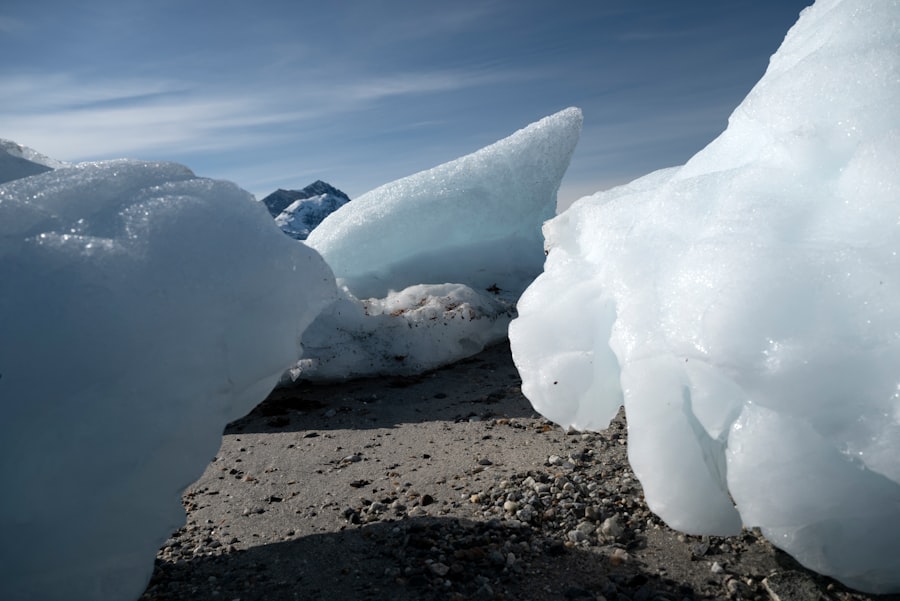
While direct testimony is absent, a wealth of scientific evidence allows us to reconstruct the story of the end of the ice age and infer the likely experiences of its human inhabitants.
Paleoclimate Reconstruction: Reading the Earth’s Past
Scientists employ a variety of techniques to reconstruct past climates, providing a detailed timeline of warming and cooling trends.
Ice Cores: Frozen Archives of Climate History
Ice cores drilled from glaciers and ice sheets in Greenland and Antarctica contain trapped air bubbles, dust, and isotopic variations that act as a historical record of atmospheric composition, temperature, and precipitation levels over hundreds of thousands of years. These cores provide undeniable evidence of the dramatic warming that marked the end of glacial periods.
Ocean Sediments: Records of Ocean and Climate
The analysis of sediment cores from the ocean floor, which accumulate layers of marine organisms and terrestrial debris over millennia, offers insights into ocean temperatures, currents, and terrestrial climate conditions. The fossilized remains of marine plankton, for example, can indicate past sea surface temperatures.
Pollen Analysis: Unveiling Past Vegetation
The study of fossilized pollen grains found in lakebed sediments and peat bogs reveals the types of plants that grew in a region at different times. A shift from cold-adapted tundra vegetation to forests, for example, would be clearly indicated by pollen analysis.
Archeological Evidence: Traces of Human Adaptation
The archeological record provides tangible evidence of how humans lived and adapted to these changing environments.
Settlement Patterns and Migration Routes
The distribution of archeological sites can reveal migration patterns as humans followed retreating ice sheets and the megafauna that were their prey. Evidence of new settlement locations or abandonment of old ones can be correlated with changing environmental conditions.
Technological Innovations as Responses to Change
The development of new tools and technologies, such as more efficient hunting implements or the earliest forms of pottery and weaving, can be seen as direct responses to the challenges and opportunities presented by a changing world.
The question of whether people witnessed the end of the Ice Age has intrigued researchers for years, leading to various studies and theories about human existence during that time. In exploring this topic, one can gain further insights by reading a related article that delves into ancient knowledge and the environmental changes that shaped early human societies. This article, which can be found here, provides a fascinating perspective on how our ancestors may have adapted to the dramatic shifts in climate and landscape as the Ice Age came to a close.
The Enduring Legacy of the Ice Age’s End
| Location | Witnesses | Time Period |
|---|---|---|
| Europe | Early humans | Around 10,000 BCE |
| North America | Native American tribes | Around 10,000 BCE |
| Asia | Ancient civilizations | Around 10,000 BCE |
The end of the last ice age was not merely a geological event; it was a transformative period that fundamentally shaped the trajectory of human civilization. The peoples of that era, though their conscious perceptions remain veiled in the mists of prehistory, were undeniably participants in this epochal shift.
A World Recast: New Opportunities and Challenges
The melting of the ice sheets opened up new lands for settlement and provided a more temperate climate for the development of new ways of life. The domestication of plants and animals, the rise of agriculture, and the eventual development of complex societies were all profoundly influenced by the environmental conditions that emerged from the thawing world.
The Foundations of Modern Life
The transition from hunter-gatherer societies to settled agricultural communities, a direct consequence of the post-glacial warming, laid the foundation for all subsequent human development. The surplus of food, the growth of populations, and the emergence of specialized labor all stemmed from this fundamental shift in human-environment interaction.
The Human Capacity for Adaptation
The story of the end of the ice age is, in many ways, a testament to the remarkable adaptability of the human species. Faced with profound environmental challenges, early humans successfully navigated a rapidly changing world, securing their survival and paving the way for future generations.
A Continued Evolution
Even today, as we grapple with the consequences of past and present climate change, the lessons of the end of the ice age resonate. The human capacity for innovation, resilience, and adaptation remains our most crucial tool for navigating the future, a future that, in its own way, continues to be shaped by the echoes of a warming planet. While they may not have recorded their thoughts in written words, the actions and adaptations of the people who lived through the end of the ice age are an undeniable testament to their witnessing of a world reborn.

Could Humanity Remember a World That No Longer Exists?
FAQs
1. What is the Ice Age?
The Ice Age refers to a period of time in Earth’s history when the planet experienced long-term cooling and the presence of large ice sheets and glaciers.
2. When did the Ice Age end?
The Ice Age ended approximately 11,700 years ago, marking the beginning of the current geological epoch known as the Holocene.
3. Did people witness the end of the Ice Age?
Yes, evidence suggests that early human populations were present during the final stages of the Ice Age and likely witnessed the melting of the ice sheets and the transition to a warmer climate.
4. What evidence supports the idea that people witnessed the end of the Ice Age?
Archaeological findings, such as ancient tools and artifacts, as well as cave paintings and other forms of prehistoric art, provide clues that early humans were present during the transition from the Ice Age to the Holocene.
5. How did the end of the Ice Age impact early human populations?
The end of the Ice Age brought about significant environmental changes, including the retreat of ice sheets, the expansion of forests, and the migration of animal species. These changes likely influenced the behavior and adaptation strategies of early human populations.