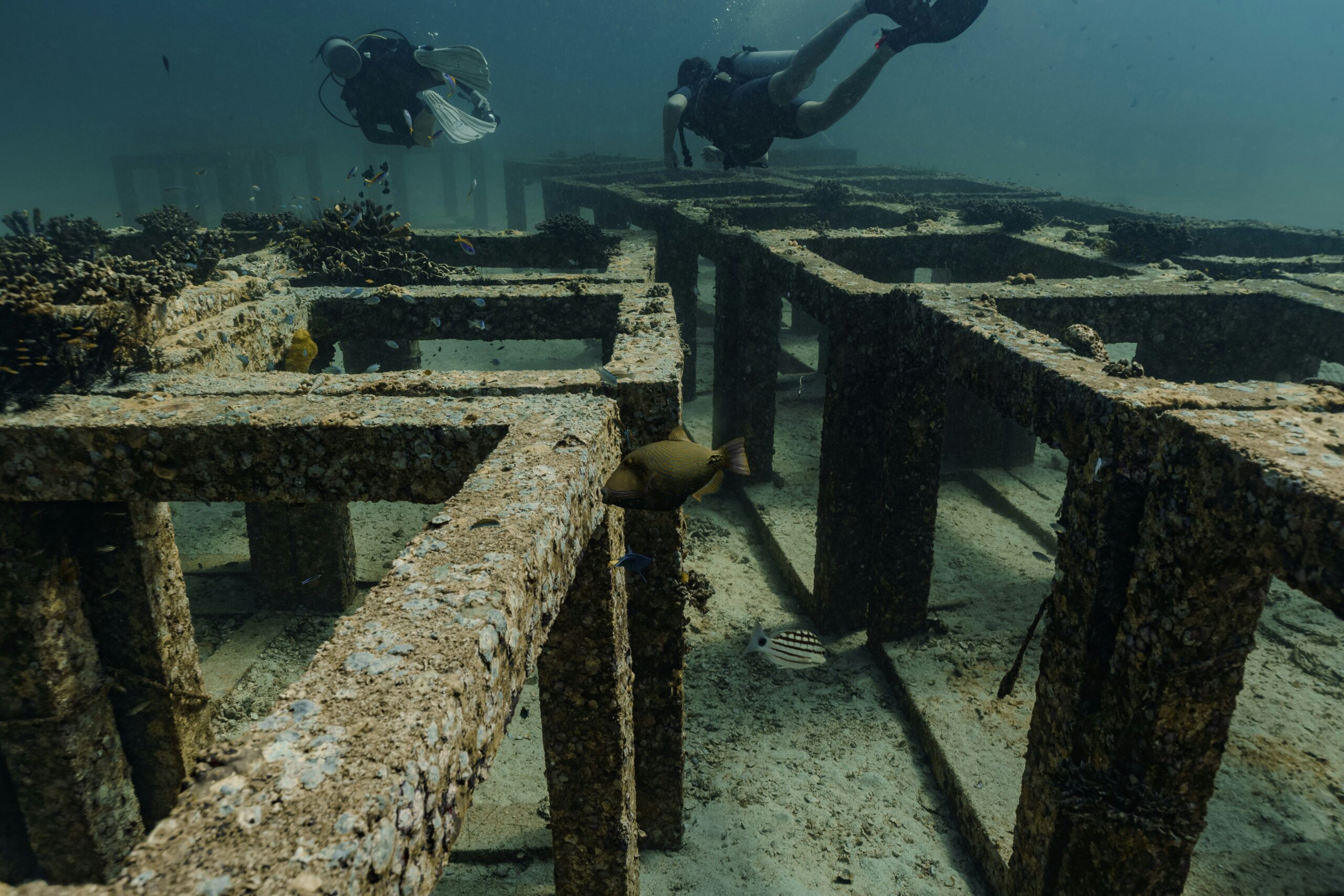
The silent depths of the ocean, a realm where time itself seems to hold its breath, have long guarded secrets of civilizations lost to the waves. For centuries, shipwrecks and submerged settlements have remained untouched, their stories untold, their artifacts entombed in the silt and darkness. Yet, with the advent of specialized technology and rigorous scientific methodologies, a new breed of explorer has emerged: the underwater archaeologist. Their work, often as perilous as it is illuminating, is meticulously captured in the documentary “Uncovering History: Underwater Archaeology.” This compelling film opens a window into a world rarely seen, showcasing the dedication, challenges, and profound discoveries that are rewriting our understanding of the past.
“Uncovering History: Underwater Archaeology” begins by establishing the inherent fascination and critical importance of this specialized field. It delves into the unique preservation conditions found beneath the waves, offering a stark contrast to terrestrial sites.
A Time Capsule Beneath the Waves
The documentary eloquently illustrates how the absence of oxygen and the buffering effect of water can preserve organic materials that would long since have decayed on land. This preservation is not limited to shipwrecks; it extends to entire submerged landscapes, offering glimpses into ancient coastal settlements, agricultural practices, and even the daily lives of people from millennia ago. The film highlights how these underwater sites act as unparalleled time capsules, retaining details about human activity that would be impossible to glean from land-based excavations alone. The meticulous reconstruction of a Roman amphora, still bearing its original contents, serves as a powerful visual testament to this enduring preservation.
Rewriting the Narrative of Human History
The film argues passionately that underwater archaeology is not merely about finding shiny treasures, but about fundamentally revising our historical narratives. Many of the most significant discoveries have challenged existing theories and provided irrefutable evidence of forgotten trade routes, technological advancements, and cultural exchanges. The documentary features interviews with leading underwater archaeologists who explain how the analysis of ship cargo, hull construction, and navigational tools can reveal a more nuanced and complex picture of ancient seafaring societies than previously understood. The discovery of a Bronze Age shipwreck, laden with copper ingots from distant lands, demonstrates the extent of early intercontinental trade, pushing back the timelines for such sophisticated networks.
The Challenge of a Hostile Environment
“Uncovering History: Underwater Archaeology” does not shy away from the inherent dangers and complexities of working in an underwater environment. The film juxtaposes moments of breathtaking discovery with scenes of demanding fieldwork, underscoring the courage and resilience required of these scientific pioneers.
The Tyranny of Water Pressure and Visibility
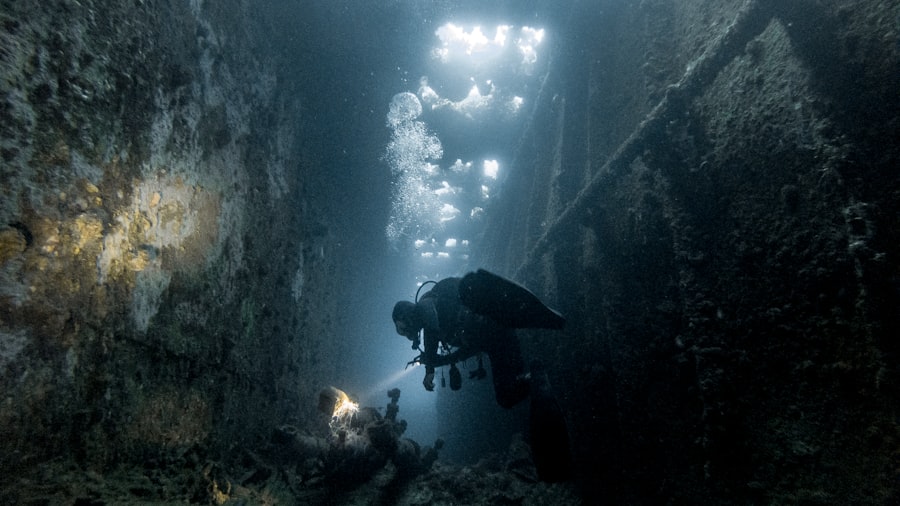
The documentary vividly portrays the physical toll that deep-sea excavation takes on the human body. Divers, often working at extreme depths for extended periods, face the constant threat of decompression sickness and exhaustion. The limited visibility, often reduced to mere inches by sediment stirred up by currents or excavation, presents a formidable obstacle to detailed work. The filmmakers employ innovative camera techniques to convey the disorienting nature of diving in such conditions, allowing viewers to experience the challenges firsthand. The painstaking process of mapping a shipwreck site, where divers rely heavily on touch and their understanding of the seabed, is a testament to their skill and patience.
The Technological Arms Race Beneath the Surface
The film showcases the cutting-edge technology that is essential for modern underwater archaeology. From remotely operated vehicles (ROVs) equipped with high-definition cameras and sophisticated manipulators to advanced sonar and magnetometers that can detect buried anomalies, these tools are revolutionizing the way sites are discovered and investigated. The documentary features footage of these technological marvels in action, demonstrating their crucial role in surveying vast underwater areas and performing delicate excavations without disturbing the fragile archaeological context. The initial survey of a proposed site using side-scan sonar, which creates detailed images of the seabed, is a compelling example of how technology enables the first crucial steps of discovery.
Underwater archaeology is a fascinating field that uncovers the mysteries of our past, revealing artifacts and structures submerged beneath the waves. A related article that explores the importance of international cooperation in preserving historical sites, albeit in a different context, can be found at this link: Preventing Space Arms Race: International Cooperation. This article highlights how collaborative efforts can lead to better preservation and understanding of both terrestrial and underwater heritage, emphasizing the need for global partnerships in protecting our shared history.
Case Studies in Discovery: Bringing the Past to Life
A significant portion of “Uncovering History: Underwater Archaeology” is dedicated to showcasing remarkable case studies of underwater discoveries. These detailed explorations bring to life the stories of lost ships, submerged cities, and the people who inhabited them.
The Majesty of the Vasa: A Swedish Spectacle
One of the documentary’s most captivating segments focuses on the recovery and restoration of the Swedish warship Vasa, which sank on its maiden voyage in 1628. The film details the extensive efforts undertaken to raise the remarkably preserved vessel from the seabed, a feat of engineering and logistical planning that took decades.
A Window into 17th-Century Naval Warfare
The Vasa, with its nearly intact hull and its cargo of cannons, personal belongings, and even organic materials, provides an unparalleled glimpse into 17th-century maritime life and warfare. The documentary highlights the scientific analysis of the ship’s timbers, revealing details about its construction and the forests from which it was built. Artifacts recovered from the ship, from the captain’s ornate sword to the everyday tools of the sailors, are meticulously examined, offering intimate connections to the individuals who sailed her. The sheer scale of the preserved ship, towering in its purpose-built museum, is a testament to the success of the recovery.
The Silent Voices of the Crew
The film goes beyond the material remains to explore the human story of the Vasa. Through meticulous research and the analysis of recovered artifacts, archaeologists have been able to piece together the lives of the men who served on board. The documentary features dramatized reconstructions, based on historical records and archaeological evidence, of the final moments of the ship and the individuals aboard, adding a poignant emotional layer to the scientific narrative. The discovery of skeletal remains, meticulously analyzed to determine age, diet, and even potential causes of death, further humanizes the historical event.
Underwater archaeology has always captivated those interested in history and exploration, and a recent documentary sheds light on this fascinating field. For an in-depth look at the discoveries made beneath the waves, you can check out the article on uncovering ancient secrets in this documentary. It explores the techniques used by archaeologists to uncover artifacts that tell the stories of past civilizations, highlighting the importance of preserving our underwater heritage.
The Lost City of Port Royal: A Taste of Piracy and Ruin
Another prominent case study in “Uncovering History: Underwater Archaeology” is the submerged remains of Port Royal, Jamaica, a notorious pirate haven that was destroyed by a devastating earthquake in 1692. The documentary explores the archaeological efforts to map and excavate the submerged sections of this once-thriving port.
From Buccaneer’s Den to Underwater Museum
The film vividly portrays the transformation of Port Royal from a bustling hub of illicit activity to a silent underwater landscape. The excavation has revealed streets, buildings, and a wealth of artifacts that paint a picture of life in a 17th-century colonial port. The abundance of discarded items, from broken bottles and discarded weaponry to personal effects, offers a raw and unfiltered glimpse into the daily lives of its inhabitants. The documentary emphasizes how the earthquake acted as a sudden, catastrophic burial, preserving a snapshot of the city at the moment of its demise.
Unearthing the Instruments of Commerce and Conquest
The artifacts recovered from Port Royal are a treasure trove of historical information. The documentary showcases objects related to trade, such as coins and trade goods, alongside items associated with piracy and naval power, like cannonballs and cutlasses. The analysis of these objects helps historians understand the economic and political dynamics of the Caribbean during this turbulent era. The detailed examination of a tavern’s remains, with its tables, chairs, and even remnants of food and drink, offers a palpable sense of the social life that once animated the city.
The Future of Underwater Exploration: New Frontiers and Ethical Considerations

“Uncovering History: Underwater Archaeology” concludes by looking towards the future of this dynamic field, highlighting emerging technologies and the crucial ethical debates surrounding the excavation of underwater heritage.
Diving into the Unknown: Emerging Technologies
The documentary explores the relentless pace of technological innovation that is pushing the boundaries of underwater archaeology. It introduces concepts like autonomous underwater vehicles (AUVs) capable of independent exploration and data collection, sophisticated 3D photogrammetry techniques that create virtual replicas of sites, and advanced dating methodologies that allow for more precise chronologies.
The Promise of AI and Big Data in Archaeology
The film speculates on the transformative potential of artificial intelligence (AI) and big data analysis in underwater archaeology. These technologies could help sift through vast amounts of sonar data to identify potential sites, analyze patterns in artifact distribution, and even assist in the virtual reconstruction of submerged environments. The potential for AI to rapidly process and interpret complex datasets is a tantalizing prospect for accelerating discovery and understanding.
Bridging the Gap: Citizen Science and Public Engagement
A hopeful note is struck as the documentary discusses the growing role of citizen science and public engagement in underwater archaeology. Platforms that allow recreational divers to report potential finds, online databases of shipwrecks, and educational outreach programs are helping to foster a sense of shared responsibility for our underwater heritage. The film encourages viewers to become stewards of these invaluable historical resources.
The Moral Compass: Preservation vs. Retrieval
A crucial ethical discussion runs through the latter part of the documentary, addressing the complex question of when and how to excavate underwater sites. The film acknowledges that while retrieval can lead to significant discoveries and preservation in museums, it also risks damaging fragile sites and removing artifacts from their original context.
The Principle of In Situ Preservation
The documentary champions the principle of in situ preservation, emphasizing that often, the best way to protect an underwater site is to leave it undisturbed. It argues for a cautious and scientifically rigorous approach, prioritizing research and documentation over the immediate removal of artifacts. The film presents compelling arguments for leaving significant wrecks in place, accessible to the scientific community and protected for future generations.
Balancing Preservation with the Public’s Right to Know
The documentary grapples with the balance between protecting fragile underwater heritage and the public’s desire to learn from and connect with the past. It advocates for responsible tourism and the use of virtual reality and other technologies to allow wider access to underwater sites without physically disturbing them. The film suggests that the narrative and educational value of a site can often be conveyed without the need for extensive excavation. “Uncovering History: Underwater Archaeology” masterfully demonstrates that the ocean’s depths are not just repositories of forgotten ships, but libraries of human experience, waiting to be read by those with the knowledge, the courage, and the dedication to listen to their silent stories.

Could Humanity Remember a World That No Longer Exists?
FAQs
What is underwater archaeology?
Underwater archaeology is the study of past human cultures through the examination and interpretation of material remains found underwater, such as shipwrecks, sunken cities, and submerged landscapes.
What is the purpose of an underwater archaeology documentary?
The purpose of an underwater archaeology documentary is to showcase the exploration, excavation, and preservation of underwater archaeological sites, as well as to educate the public about the importance of these discoveries in understanding human history.
What are some examples of underwater archaeological sites featured in documentaries?
Some examples of underwater archaeological sites featured in documentaries include the wreck of the RMS Titanic, the ancient city of Pavlopetri in Greece, and the sunken city of Dwarka in India.
How are underwater archaeology documentaries filmed?
Underwater archaeology documentaries are typically filmed using specialized underwater camera equipment, including remotely operated vehicles (ROVs), underwater drones, and high-definition cameras designed for underwater use.
What can viewers learn from watching an underwater archaeology documentary?
Viewers can learn about the methods and technologies used in underwater archaeology, the significance of underwater archaeological discoveries, and the challenges of preserving and protecting these sites for future generations.