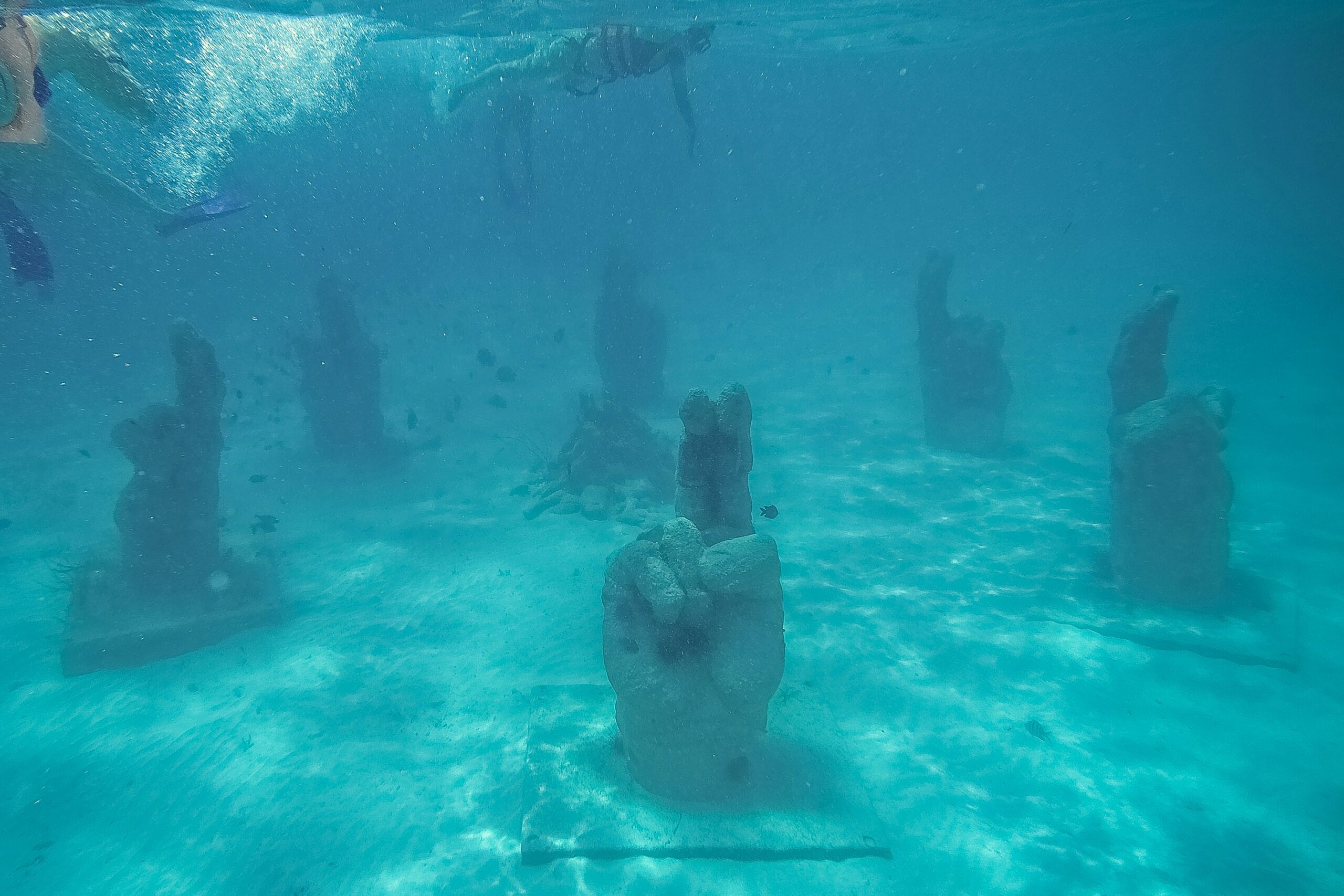
The ocean, a vast and enigmatic expanse covering over 70% of our planet, holds secrets far deeper than its shimmering surface suggests. Beneath the waves, cradled by currents and cloaked in silence, lie the remnants of lost worlds: ancient civilizations that once flourished on land, but which, for reasons lost to time and tide, have been submerged, becoming submerged cities of myth and legend. These underwater archaeological sites are not mere curiosities; they are windows into forgotten pasts, offering tantalizing glimpses of human ingenuity, cultural achievements, and the dramatic forces that shaped our planet.
The idea of cities lost beneath the sea has captivated the human imagination for millennia. From the Plato’s account of the advanced island civilization of Atlantis to the modern-day discoveries of sunken metropolises, these submerged realms evoke a sense of wonder and mystery. They challenge our understanding of history, forcing us to confront the possibility that entire societies have vanished, leaving behind only echoes in the geological record and fragmented artifacts on the seabed. The allure stems from the inherent drama of their disappearance – cataclysmic events, inexplicable shifts in sea level, or perhaps, the slow creep of the ocean claiming its territory. These stories whisper of hubris, of nature’s raw power, and of the ephemeral nature of even the most sophisticated human endeavors.
Echoes of Atlantis: Myth and Reality
The most enduring myth of a submerged civilization is undoubtedly Atlantis. Described by Plato in his dialogues Timaeus and Critias, Atlantis was depicted as a powerful and technologically advanced island nation that ultimately sank into the ocean in a single, catastrophic day and night. While widely considered a philosophical allegory rather than a literal historical account, the legend of Atlantis has fueled countless expeditions and speculative theories about its possible locations, from the Mediterranean to the Atlantic. The persistent romanticism surrounding Atlantis highlights humanity’s deep-seated desire to believe in lost golden ages and technologically superior ancestral societies.
The Science of Submergence: Geological Drivers
The scientific explanations for the existence of submerged civilizations are rooted in the dynamic nature of Earth’s geology. Over vast geological timescales, sea levels have fluctuated dramatically due to glacial cycles, tectonic plate movements, and changes in ocean basin volume. Coastal areas that were once above water have been inundated, and vice versa. Similarly, seismic activity can trigger massive earthquakes and tsunamis, leading to the sudden subsidence of landmasses. Understanding these geological processes is crucial for identifying potential locations for submerged archaeological sites and for interpreting the evidence found within them.
Recent discoveries have sparked interest in the possibility of ancient civilizations that may have existed beneath the sea, revealing artifacts and structures that challenge our understanding of history. For those intrigued by the intersection of archaeology and marine exploration, a related article can be found at this link, which discusses the broader implications of underwater discoveries and their impact on our knowledge of past societies.
Unveiling the Ocean’s Treasures: Notable Submerged Sites
While Atlantis remains a legend, numerous real-world archaeological sites offer compelling evidence of ancient human settlements now resting beneath the waves. These discoveries, often made through a combination of luck, advanced sonar technology, and dedicated diving expeditions, are gradually piecing together a more complex picture of our planet’s submerged past. Each find is a testament to the resilience of human civilization and the transformative power of the ocean.
Dwarka: The Sunken City of Krishna
Off the coast of Gujarat, India, lies the legend of Dwarka, the ancient capital of Lord Krishna. Archaeological excavations and underwater explorations have revealed a vast substructure of walls, fortifications, and artifacts that date back thousands of years, aligning with the descriptions of this mythical city. sonar mapping has revealed a remarkably well-organized urban layout, complete with streets, pillars, and even a harbor. The recovered artifacts, including pottery and stone tools, provide tangible evidence of a sophisticated civilization that once thrived in this now-submerged region. The discovery of Dwarka has ignited considerable interest, blending religious devotion with scientific inquiry as researchers strive to understand the true history behind this revered underwater site.
Baiae: Rome’s Lost Resort
Beneath the waters of the Bay of Naples, Italy, lies the archeological wonder of Baiae, once a luxurious resort town for wealthy Romans. Submerged by volcanic activity and tectonic shifts, Baiae offers an unparalleled glimpse into the opulent lifestyle of the Roman elite. Elaborate mosaics, statues, and the remains of grand villas and bathing complexes are remarkably preserved, offering a vivid tableau of a civilization that prized leisure and indulgence. The clear waters allow divers to explore what was once a bustling center of Roman social and political life, now a silent, submerged testament to its former glory. Artifacts recovered from Baiae include exquisite frescoes, statues of mythological figures, and even intricate plumbing systems, showcasing the advanced engineering and artistic prowess of the Romans.
Yonaguni Monument: A Japanese Enigma
Off the coast of Yonaguni Island in Japan sits a controversial structure known as the Yonaguni Monument. This colossal stone formation, with its precise geometric shapes and apparently carved features, has sparked intense debate. Some archaeologists believe it to be a natural geological formation, while others argue it’s an artificial, man-made structure, possibly an ancient temple complex or fortress. The distinctive tiered platforms, sharp angles, and what appear to be carved staircases and walls have led many to believe it is the relic of a lost civilization, potentially predating known Japanese history. The ongoing debate underscores the challenges of interpreting underwater evidence and the potential for groundbreaking discoveries that can redefine our understanding of ancient peoples.
Pavlopetri: The Oldest Known Submerged City
South of Greece, in the Laconic Gulf, lies Pavlopetri, recognized as the oldest known submerged city in the world, dating back over 5,000 years. This Bronze Age settlement, remarkably preserved beneath the waves, provides an invaluable insight into early urban planning and daily life. The well-defined streets, houses, courtyards, and even what appear to be grave sites offer a unique opportunity to study a complete ancient community. Divers can navigate through the remains of a city that may have been submerged by earthquakes and sea-level rise, offering a tangible connection to a civilization that predates even the construction of the pyramids. The careful mapping of Pavlopetri’s layout has provided archaeologists with a wealth of information about its architecture and social organization.
The Methods of Exploration: Peering into the Depths

The exploration of submerged ancient civilizations is a multidisciplinary endeavor, relying on cutting-edge technology and the expertise of marine archaeologists, geologists, and oceanographers. The challenges are immense: navigating vast underwater landscapes, deciphering faint traces of human activity amidst natural seabed formations, and preserving delicate artifacts from the corrosive marine environment. Yet, through ingenuity and persistence, researchers are steadily unveiling these hidden histories.
Sonar and Remote Sensing: Mapping the Unseen
Sonar (Sound Navigation and Ranging) technology plays a pivotal role in mapping the underwater terrain and identifying potential archaeological features. Side-scan sonar and multi-beam echo sounders can create detailed images of the seabed, revealing anomalies that might indicate submerged structures or artifacts. Remote sensing techniques, such as magnetometry and ground-penetrating radar, can further help in detecting buried objects and understanding the subsurface geology. These technologies allow archaeologists to conduct initial reconnaissance without disturbing the fragile underwater environment.
Underwater Archaeology: Diving into the Past
Once promising sites are identified, specialized underwater archaeological teams undertake meticulous excavation and documentation. This involves the use of specialized diving equipment, underwater photography, videography, and sophisticated mapping tools. Every artifact, structural element, and sediment layer is carefully recorded and cataloged. The process requires immense patience and precision, as the underwater environment presents unique challenges for precise measurement and excavation.
Artifact Recovery and Preservation: Safeguarding History
The recovery of artifacts from submerged sites is a delicate operation. Once unearthed, these objects, often made of fragile materials accustomed to a marine environment, require immediate and specialized conservation treatments to prevent degradation. Museums and laboratories work to stabilize and preserve artifacts, ensuring that they can be studied and displayed for future generations. The preservation efforts are crucial to understanding the materials, craftsmanship, and cultural practices of these lost civilizations.
The Significance of Submerged Civilizations: Lessons from the Deep
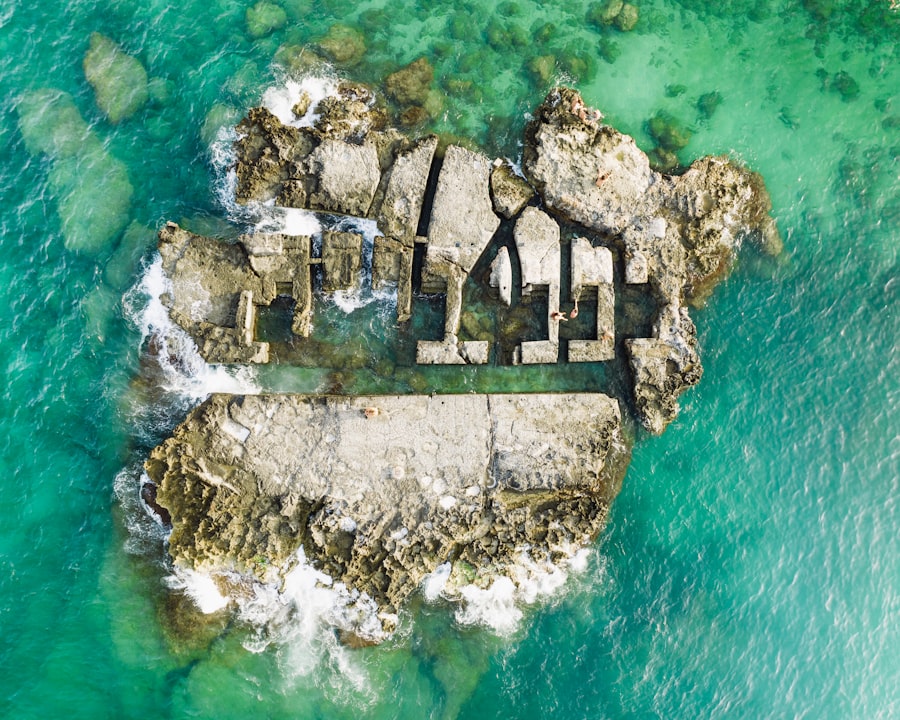
The discovery and study of submerged ancient civilizations hold profound significance. They challenge our anthropocentric view of history by reminding us of the impermanence of even the most advanced societies in the face of natural forces. They offer invaluable insights into human adaptation, technological innovation, and the evolution of social structures. Furthermore, these sites serve as potent reminders of the interconnectedness of human history and the Earth’s geological processes.
Rethinking Human History and Migration Patterns
The existence of submerged settlements can significantly alter our understanding of ancient human history and migration patterns. The discovery of settlements in areas previously thought to be uninhabitable or only recently colonized can necessitate a re-evaluation of historical timelines and population movements. For instance, the presence of advanced underwater structures could indicate earlier seafaring capabilities and a more widespread distribution of human populations than previously presumed.
Understanding Environmental Change and Resilience
Submerged sites often provide tangible evidence of past environmental changes, such as sea-level rise, coastal erosion, and seismic activity. By studying these sites, researchers can gain a deeper understanding of how ancient civilizations adapted to or were overcome by these environmental shifts. This knowledge can offer valuable lessons for contemporary societies facing similar challenges posed by climate change and rising sea levels, providing insights into human resilience and the long-term consequences of environmental pressures.
Preserving a Shared Human Heritage
These underwater metropolises represent a shared human heritage, linking us to our ancient ancestors in a profound and tangible way. Their preservation is not just an archaeological imperative but a cultural and ethical responsibility. By protecting and studying these submerged worlds, we honor the achievements of those who came before us and ensure that their stories, however fragmented, continue to inform and inspire future generations. The effort to conserve these sites also highlights the global nature of our shared history and the importance of international cooperation in archaeological endeavors.
Exploring the mysteries of ancient civilizations beneath the sea has always fascinated historians and archaeologists alike. Recent discoveries have unveiled remnants of lost cities submerged for centuries, shedding light on the cultures that once thrived in these now-drowned landscapes. For those interested in the intersection of history and exploration, a compelling article discusses the importance of international cooperation in preserving such underwater heritage. You can read more about this intriguing topic in the article here.
The Future of Underwater Archaeology: New Frontiers and Untapped Potential
| Civilization | Location | Discovery Date | Artifacts |
|---|---|---|---|
| Atlantis | Atlantic Ocean | 360 BC | Statues, pottery, architecture |
| Yonaguni-Jima | Japan | 1986 | Underwater structures, roads |
| Dwarka | India | 2000 BC | City ruins, artifacts |
The field of underwater archaeology is constantly evolving, with new technologies and methodologies emerging that promise to unlock even more secrets from the ocean’s depths. The vast majority of the ocean floor remains unexplored, suggesting that countless more submerged worlds await discovery. The continued exploration and study of these sites will undoubtedly reshape our understanding of human civilization and its place on Earth.
Advancements in Robotics and AI
The development of advanced underwater robotics and artificial intelligence (AI) is set to revolutionize the exploration of submerged sites. Autonomous underwater vehicles (AUVs) equipped with sophisticated sensors can survey vast areas with greater efficiency and precision than traditional methods. AI can assist in analyzing complex datasets, identifying patterns that might be missed by human observers, and even aiding in the reconstruction of submerged structures.
Citizen Science and Global Collaboration
The growing interest in underwater heritage is also fostering opportunities for citizen science and global collaboration. Through platforms that allow amateur divers and researchers to report potential discoveries and share data, the pace of discovery can be accelerated. International partnerships between institutions and organizations are crucial for pooling resources, expertise, and funding to tackle the monumental task of exploring and preserving our planet’s submerged past.
A Continuing Quest for Lost Civilizations
The quest for lost civilizations beneath the sea is a journey of continuous discovery. Each sunken city, each artifact recovered, adds another piece to the intricate puzzle of human history. These submerged worlds, silent witnesses to epochs long past, continue to beckon, promising to reveal further wonders and challenge our assumptions about the capabilities and ultimate fate of our ancient forerunners. The ocean’s embrace of these lost lands is not an ending, but a unique form of preservation, waiting for us to decipher the whispers of their existence.

Could Humanity Remember a World That No Longer Exists?
FAQs
What are some examples of ancient civilizations beneath the sea?
Some examples of ancient civilizations beneath the sea include the lost city of Atlantis, the ancient city of Dwarka in India, and the sunken city of Heracleion in Egypt.
How did these ancient civilizations end up underwater?
Ancient civilizations ended up underwater due to natural disasters such as earthquakes, tsunamis, and rising sea levels. These events caused the land to sink and become submerged over time.
What evidence has been found of ancient civilizations beneath the sea?
Evidence of ancient civilizations beneath the sea includes submerged ruins, artifacts, and structures such as temples, palaces, and statues. Archaeologists and divers have also discovered pottery, tools, and other remnants of ancient life.
What can we learn from studying ancient civilizations beneath the sea?
Studying ancient civilizations beneath the sea can provide insights into the history, culture, and technology of these societies. It can also help us understand how they interacted with their environment and adapted to changing conditions.
What challenges are involved in exploring ancient civilizations beneath the sea?
Challenges in exploring ancient civilizations beneath the sea include the difficulty of accessing underwater sites, preserving delicate artifacts, and dealing with the effects of erosion and marine life. Additionally, funding and logistical issues can also pose challenges for underwater archaeological expeditions.