The North Sea, a vast expanse of churning grey waters that has shaped the history and economy of northern Europe, holds within its depths a silent testament to millennia of human activity and natural evolution. For centuries, it has been a highway for trade, a battleground for empires, and a rich larder for coastal communities. Yet, beneath the waves, hidden from casual view, lies a submerged world teeming with secrets, a veritable archive waiting to be unlocked. Recent advancements in marine archaeology, oceanography, and remote sensing technologies are finally allowing researchers to peer beneath the surface of this formidable body of water, revealing a landscape far more complex and intriguing than once imagined.
Beneath the modern seabed, archaeologists and geologists are discovering evidence of a vastly different North Sea, one that was once dry land, a landbridge connecting Britain to continental Europe. This submerged territory, often referred to as Doggerland, was inhabited by Mesolithic hunter-gatherers who left behind their tools, settlements, and even evidence of their daily lives. The ongoing exploration of this lost world is fundamentally altering our understanding of early human migration and adaptation in northwestern Europe.
The Legacy of Doggerland
The existence of Doggerland was long suspected, a theoretical landmass inferred from geological and archaeological finds. However, it is only in the last few decades that detailed mapping and the recovery of significant artifacts have transformed it from a hypothesis into a tangible, albeit submerged, reality. The rising sea levels after the last Ice Age gradually inundated this fertile plain, forcing its inhabitants to retreat or adapt. The North Sea seabed, therefore, acts as a vast, time-capsule, preserving the echoes of a lost civilization.
Unearthing Human Footprints
Underwater surveys employing techniques like side-scan sonar and multibeam echo sounders have begun to chart the topography of ancient Doggerland. These surveys reveal river valleys, ancient coastlines, and even potential settlement sites. More excitingly, targeted excavations have yielded a treasure trove of artifacts: flint tools, bone harpoons, antlers, and even fragments of wooden structures. These finds offer intimate glimpses into the lives of people who navigated this now-vanished landscape, providing invaluable data on their hunting strategies, tool-making skills, and social organization. The discovery of a flint arrowhead embedded in the remains of a giant deer, for instance, offers a dramatic snapshot of prehistoric life and the challenges faced by these early communities.
The Impact of Catastrophic Flooding
The demise of Doggerland was not a gentle process. Evidence suggests that a colossal tsunami, triggered by the Storegga Slide off the coast of Norway approximately 8,200 years ago, played a significant role in its final inundation. The geological data from cores drilled into the seabed reveals layers of sediment deposited by this massive wave, confirming its devastating impact. Understanding the timing and scale of these events is crucial for comprehending the rate of sea-level rise and its consequences for prehistoric populations, as well as informing modern-day coastal defense strategies.
The mysteries of what lies beneath the North Sea have long captivated researchers and historians alike, as they uncover remnants of ancient civilizations that once thrived in the region. A related article that delves into the survival techniques of ancient societies is available at Surviving Drought: Ancient Civilization Techniques. This piece explores how these early communities adapted to environmental challenges, providing valuable insights into their resilience and ingenuity, much like the discoveries being made beneath the waves of the North Sea.
The Silent Witness: Shipwrecks and Maritime Histories
The North Sea has been a crucial artery of global trade for centuries, and its treacherous waters have claimed countless vessels. The seabed is now a graveyard of ships, from ancient Roman galleys and Viking longships to Armada wrecks and World War I and II warships. Each wreck is a unique archive, offering a tangible connection to the past and a wealth of information about maritime technology, trade routes, and naval warfare.
Treasures of the Deep
The sheer number and diversity of shipwrecks in the North Sea are staggering. Advanced sonar and remotely operated vehicles (ROVs) have identified thousands of sites, ranging from well-preserved hulls to scattered debris fields. Some of the most significant discoveries include the “Estonia” ferry, a tragic modern disaster, and numerous Iron Age and Roman shipwrecks that shed light on early seafaring capabilities and trade networks. The recovery of artifacts from these wrecks, such as pottery, coins, weapons, and personal belongings, allows archaeologists to reconstruct the lives of sailors and passengers, the nature of their cargo, and the routes they plied.
Echoes of Conflict
The North Sea has been a significant theater of naval conflict throughout history, particularly during the Napoleonic Wars, World War I, and World War II. The seabed is dotted with the remains of warships, submarines, and aircraft. These wreck sites are not only historical monuments but also potential environmental hazards, as many contain unexploded ordnance and fuel. Ongoing efforts are focused on mapping, surveying, and sometimes even salvaging these hazardous materials, while also preserving the sites as underwater heritage. The famous wreck of the German High Seas Fleet scuttled at Scapa Flow after WWI offers a stark visual of naval power lost.
The Evolution of Naval Technology
Shipwrecks provide invaluable insights into the evolution of shipbuilding and naval technology. By studying the construction methods, materials, and design of ancient and more recent vessels, researchers can trace the advancements in seafaring capabilities. The difference in hull construction between a Viking longship and a 17th-century galleon, for example, speaks volumes about technological progress and changing naval strategies. The intricate details revealed by ROV footage of a well-preserved wreck can offer unparalleled data for historical reconstructions.
Beneath the Waves: Geology and Natural Resources

Beyond the human history, the North Sea seabed is a dynamic geological landscape shaped by natural forces. Its underwater topography, from vast sandbanks to deep trenches, tells a story of tectonic activity, glacial erosion, and the relentless power of the ocean. Furthermore, the seabed is the source of significant natural resources, including oil, gas, and sand, which have profoundly shaped the economies of surrounding nations.
The Anatomy of a Seabed
The North Sea’s seabed is not a uniform plain. It is characterized by diverse geological features, including the vast Dogger Bank, the deep Norwegian Trench, and numerous smaller sandbanks and shoals. These features are the result of complex geological processes, including glacial scouring during the Ice Ages, the deposition of sediments from rivers, and ongoing erosion by currents. Understanding these geological formations is crucial for everything from navigation and fishing to offshore construction and the extraction of resources.
The Hydrocarbon Imperative
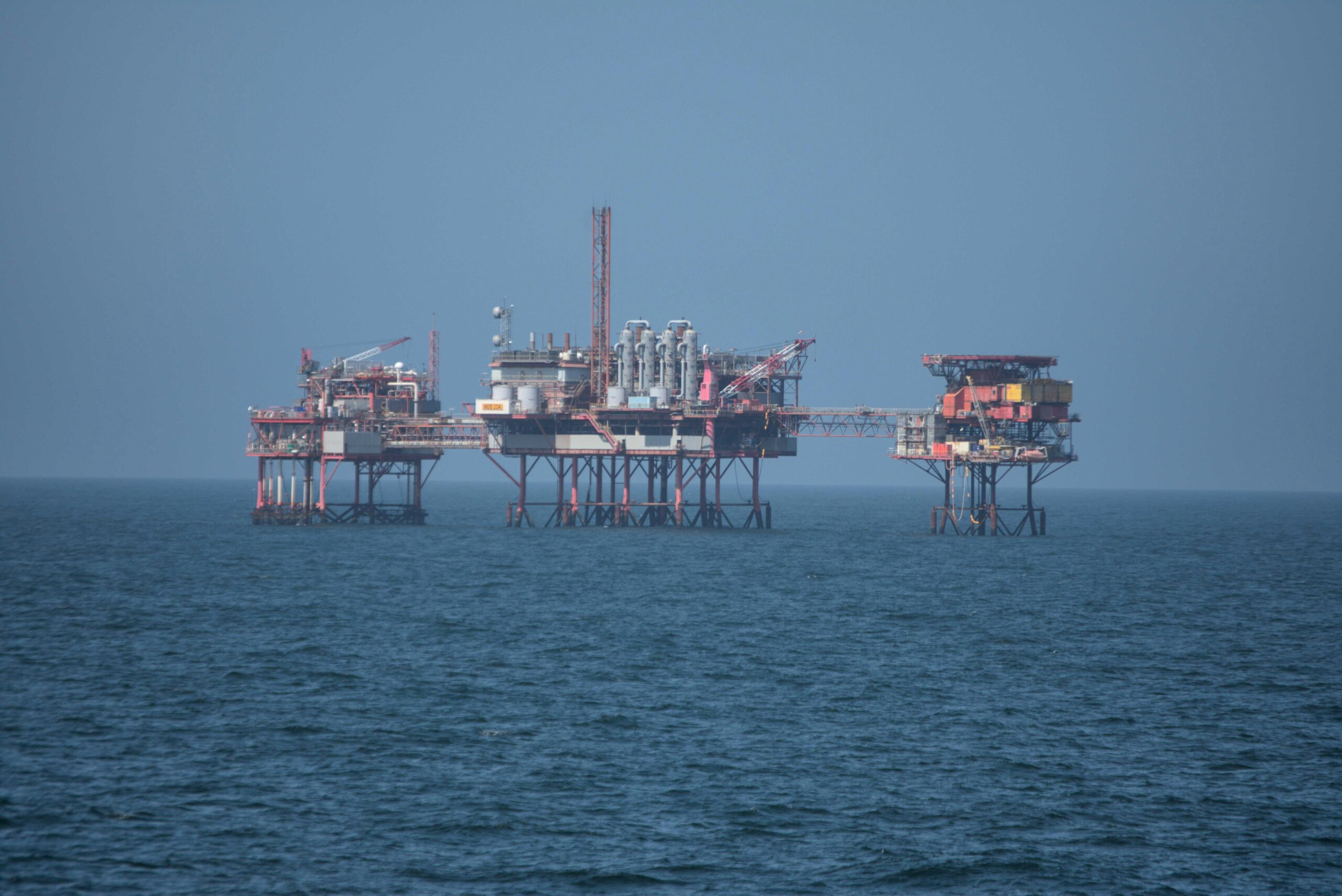
The discovery of vast reserves of oil and natural gas in the North Sea in the latter half of the 20th century transformed the region. The seabed is now home to a complex network of offshore platforms, pipelines, and processing facilities. While these resources have brought immense economic prosperity, they have also raised concerns about environmental impact, including potential pollution and habitat disruption. The exploration and management of these underwater energy reserves are a constant balancing act between economic gain and environmental stewardship.
The Extraction of Aggregates
The North Sea also plays a vital role in providing sand and gravel, essential for construction and land reclamation projects in coastal areas. The seabed is crisscrossed by dredging vessels, carefully extracting these vital aggregates. However, this practice also raises environmental questions, as it can alter seabed habitats and impact marine ecosystems. Research into the long-term effects of aggregate extraction is ongoing, seeking to ensure sustainable practices.
The Plunder of the Deep: Archaeology and Preservation Challenges

The rich archaeological heritage of the North Sea seabed faces a unique set of challenges, both from natural processes and human activities. The increasing accessibility of underwater sites, coupled with the potential for treasure hunting, creates a pressing need for effective conservation and management strategies.
The Tread of Time and Tide
Natural forces continuously act upon the submerged landscape. Currents erode artifacts, sediment shifts cover and uncover sites, and biological growth can damage delicate structures. Therefore, understanding the natural processes affecting archaeological sites is paramount for their preservation. Ironically, sometimes the very act of discovery, such as the disturbance caused by geological surveys or resource extraction, can inadvertently damage fragile archaeological remains.
The Threat of Looting and Disturbance
The allure of ancient artifacts has unfortunately fueled illicit treasure hunting. Unauthorized diving and salvage operations can not only strip sites of their context and historical integrity but also cause irreparable damage. Maritime laws and international cooperation are crucial in combating these illegal activities and ensuring that the seabed’s heritage is protected for scientific research and public appreciation.
The Promise of Technology
Fortunately, technological advancements are also providing solutions to these preservation challenges. High-resolution sonar, advanced ROVs equipped with manipulation arms, and even autonomous underwater vehicles (AUVs) are enabling non-intrusive survey and documentation of sites. Furthermore, sophisticated mapping techniques are creating detailed 3D models of wrecks and ancient landscapes, allowing for virtual exploration without disturbing the physical remains. The development of underwater drones and AI-powered analysis of sonar data is revolutionizing the speed and accuracy of archaeological surveys.
The mysteries of what lies beneath the North Sea have long captivated researchers and historians alike, revealing a rich tapestry of underwater landscapes and ancient artifacts. As nations explore these depths, advancements in technology play a crucial role in uncovering hidden treasures and understanding the geological significance of the region. For instance, recent developments in counter-space weapons by countries like China and Russia highlight the importance of technological progress in various fields, including maritime exploration. To learn more about these advancements and their implications, you can read this insightful article on the topic. For further details, check out advancements in counter-space weapons.
The Future of the North Sea Bed: Research and Sustainability
“`html
| Depth | Temperature | Salinity |
|---|---|---|
| Approximately 700 feet | Varies from 35°F to 55°F | Varies from 32 to 35 parts per thousand |
“`
The exploration of the North Sea seabed is still in its relative infancy, with much remaining to be discovered and understood. The ongoing research promises to yield further insights into our planet’s past, its natural systems, and the responsible management of its resources. The future of the North Sea seabed lies in a balanced approach that prioritizes scientific understanding, heritage preservation, and environmental sustainability.
A New Frontier for Scientific Inquiry
The ongoing research into the North Sea seabed is not just about unearthing the past; it is also about understanding the present and informing the future. Studies on marine life, ocean currents, and geological processes are crucial for predicting climate change impacts and developing effective conservation strategies. The seabed harbors unique ecosystems that are vital for the health of the wider ocean and contribute to our understanding of biodiversity.
Sustainable Resource Management
As the demand for natural resources continues, the sustainable management of the North Sea seabed becomes increasingly important. This includes developing innovative methods for offshore energy extraction with minimal environmental impact, ensuring responsible aggregate dredging, and exploring the potential for new marine industries. The lessons learned from past resource exploitation will be crucial in guiding future decisions.
The Promise of Renewed Discovery
With each dive, each sonar ping, and each recovered artifact, the North Sea seabed continues to reveal its secrets. From the echoes of prehistoric peoples on the drowned plains of Doggerland to the silent wrecks that tell tales of maritime adventure and conflict, this underwater realm is a testament to the enduring power of history and the inexhaustible curiosity of humanity. The continued investment in research, technology, and international collaboration will undoubtedly unlock even more of the North Sea’s extraordinary hidden narratives in the years to come, offering profound insights into our shared past and a blueprint for a more sustainable oceanic future. The ongoing collaboration between oceanographers, archaeologists, geologists, and conservationists paints a hopeful picture for the future of this vital and captivating region.

Could Humanity Remember a World That No Longer Exists?
FAQs
1. What is the North Sea?
The North Sea is a marginal sea of the Atlantic Ocean located between Great Britain, Scandinavia, Germany, the Netherlands, Belgium, and France. It is known for its rich biodiversity and important role in the European economy.
2. What lies beneath the North Sea?
Beneath the North Sea, there are vast reserves of oil and natural gas, as well as important fishing grounds. Additionally, the North Sea floor is home to shipwrecks, ancient artifacts, and diverse marine life.
3. What are the environmental concerns related to the North Sea?
Environmental concerns related to the North Sea include pollution from oil and gas extraction, overfishing, and the impact of climate change on marine ecosystems. Efforts are being made to address these issues and protect the North Sea’s environment.
4. What are the economic activities in the North Sea region?
The North Sea region is a hub for oil and gas production, fishing, shipping, and renewable energy development. It also supports tourism and recreation, as well as scientific research and conservation efforts.
5. What are some notable features of the North Sea?
Notable features of the North Sea include the Dogger Bank, a large sandbank in the southern North Sea, and the Viking and Brent oil and gas fields. The North Sea also has a rich cultural history, with connections to the Vikings and World War II.