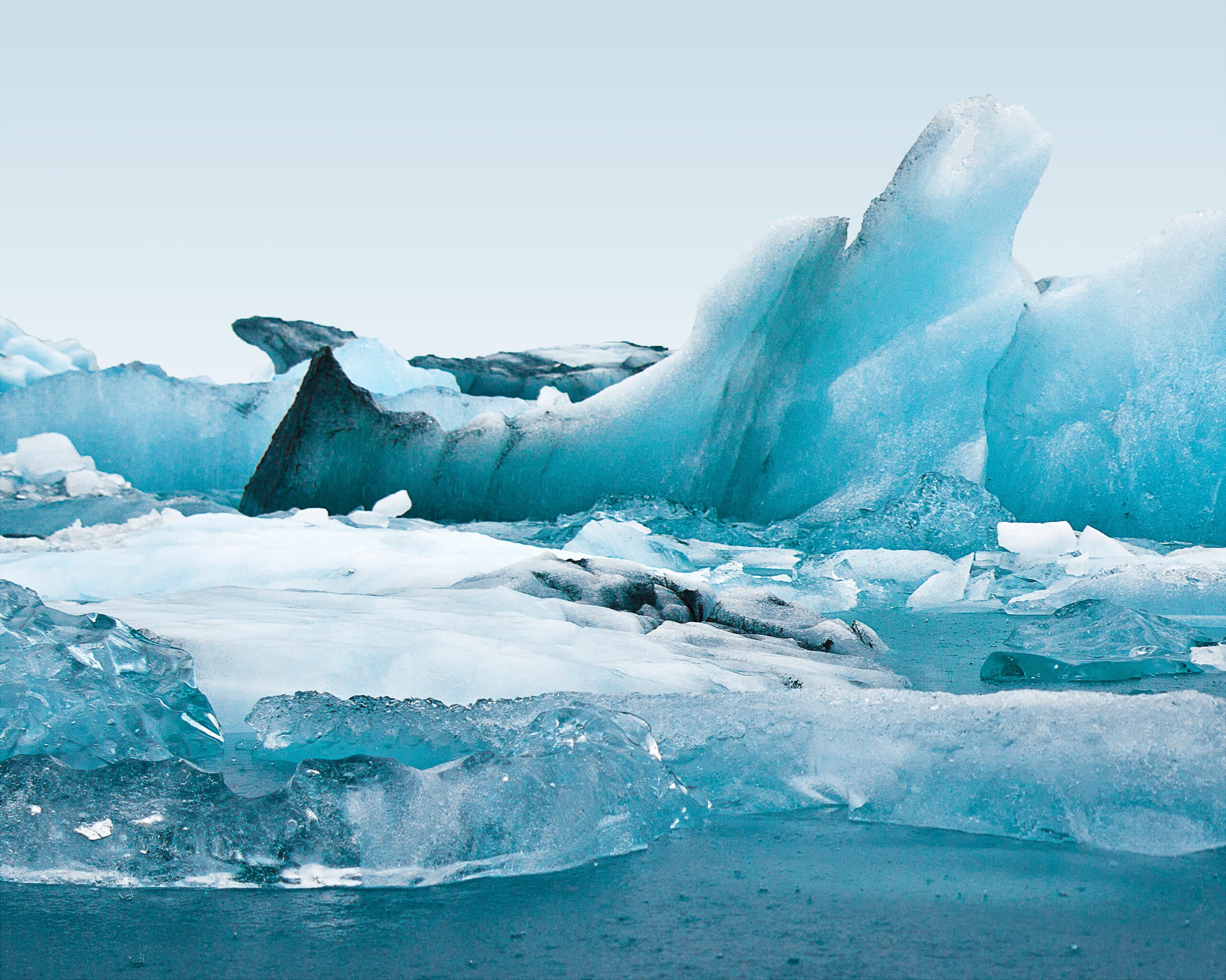
The Earth, after a long and frigid slumber, began to awaken. This period, known as the Post-Glacial era, marked a profound turning point in the planet’s history, ushering in a dynamic phase of environmental transformation that would directly shape the trajectory of human existence. As colossal ice sheets retreated, they sculpted landscapes, altered coastlines, and fundamentally reconfigured climate patterns. For early human populations, this era was not just a backdrop but an active force, demanding ingenuity, resilience, and a deep understanding of their evolving surroundings for survival and eventual flourishing. The transition from the harsh, ice-dominated world of the Pleistocene to the more temperate and diverse Holocene presented a new set of challenges and opportunities, compelling humans to adapt their lifestyles, technologies, and social structures to a world in constant flux.
The end of the last glacial period, approximately 11,700 years ago, was not a singular event but a drawn-out process of warming. Vast continental ice sheets, some kilometers thick, began to melt and retreat. This immense release of freshwater had far-reaching consequences, impacting sea levels, ocean currents, and atmospheric circulation. The landscapes left behind were dramatically different from those that had existed during the glacial maxima.
Melting Ice and Rising Seas
The most immediate and impactful environmental change was the dramatic rise in global sea levels. As the ice melted, billions of tons of water were added to the oceans. This gradual but persistent inundation submerged vast areas of land that had previously been exposed during lower sea levels. Coastal plains, river valleys, and even entire land bridges that had facilitated human migration were lost to the encroaching waters. For coastal-dwelling populations, this meant not only the loss of familiar territories but also a significant alteration of their resource base. New coastlines emerged, creating new intertidal zones, estuaries, and shallow marine environments that offered novel opportunities for foraging and fishing.
- Impact on Coastal Habitats: The rising seas drowned coastal marshes, forests, and grasslands, transforming them into shallow marine ecosystems. This created rich new feeding grounds for marine life, which in turn became a valuable resource for human populations.
- Formation of New Islands and Peninsulas: Conversely, the melting ice and subsequent redistribution of landmasses led to the formation of new islands and peninsulas, isolating some populations and creating new routes for migration for others.
- Changes in River Systems: As glacial meltwater fed rivers, they swelled in volume and altered their courses. The carving of new valleys and the deposition of sediments reshaped interior landscapes.
Glacial Landforms and New Ecosystems
The physical impact of the glaciers extended beyond sea-level rise. The immense weight of the ice had depressed the Earth’s crust, and as the ice retreated, this crust began to rebound (isostatic uplift). This process, which continues in some regions even today, slowly lifted landmasses, creating new landforms and altering drainage patterns. The scouring action of glaciers carved out deep valleys, fjords, and glacial lakes, creating unique and often fertile environments.
- Moraines and Drumlins: The debris carried and deposited by glaciers formed distinctive geological features like moraines (ridges of till) and drumlins (elongated hills). These formations had their own unique soil compositions and drainage characteristics, influencing vegetation patterns.
- Glacial Lakes and Fjords: The creation of numerous glacial lakes provided freshwater resources and habitats for fish. Fjords, carved by glaciers into mountainous coastlines, offered sheltered waters and rich marine life.
- Periglacial Environments: Areas adjacent to the ice sheets, known as periglacial environments, were characterized by permafrost, patterned ground, and cold deserts. As the ice retreated, these environments gradually transitioned to more temperate conditions, allowing for the colonization of new plant and animal species.
The Great Meltwater Pulse
During certain phases of deglaciation, particularly during the Bølling-Allerød interstadial, massive and rapid releases of meltwater occurred. These “meltwater pulses” caused abrupt increases in sea level and significantly altered ocean circulation patterns. While the exact timing and magnitude of these pulses are still debated for some periods, their potential impact on coastal settlements and long-distance migrations is undeniable.
- Rapid Sea-Level Rise Events: These pulses represented periods of accelerated sea-level rise, potentially much faster than the gradual rate, posing significant challenges to established coastal communities.
- Disruption of Ocean Currents: The influx of vast amounts of cold freshwater could disrupt thermohaline circulation in the oceans, leading to further climatic shifts and altering weather patterns across large continental areas.
- Implications for Migration: Such rapid changes could have forced significant human migrations as territories became rapidly inundated.
After the Ice Age, the world underwent significant changes that shaped the course of human history. As the climate warmed, new ecosystems emerged, allowing for the development of agriculture and the rise of civilizations. This transition is explored in detail in a related article that discusses the mysteries surrounding advanced ancient technologies and their potential impact on early societies. For more insights into this fascinating topic, you can read the article here: Lost Secrets: Who Buried Advanced Ancient Tech.
Shifting Climates and Expanding Biomes
The retreat of the ice was intrinsically linked to global warming, leading to a dramatic shift in climate patterns. Temperatures rose, precipitation regimes changed, and the distribution of plant and animal life was profoundly altered. This environmental dynamism created new opportunities and pressures that drove human adaptation.
The Holocene Optimum and Its Consequences
The Holocene epoch, which began with the end of the last glacial period, is characterized by a relatively stable and warmer climate compared to the Pleistocene. Within the Holocene, there were periods of even warmer temperatures, such as the Holocene Climatic Optimum (roughly 9,000 to 5,000 years ago). This period of sustained warmth and increased precipitation had a transformative effect on vegetation and animal populations.
- Expansion of Forests: Warmer temperatures and increased rainfall facilitated the expansion of forests into formerly glaciated areas and drier regions. This provided new sources of timber, fuel, and shelter.
- Diversification of Flora and Fauna: The expanding biomes supported a greater diversity of plant and animal life, offering a richer and more varied resource base for human hunter-gatherer societies.
- Increased Agricultural Potential: The more stable and favorable climate, coupled with the availability of fertile land, laid the groundwork for the eventual development of agriculture in many regions.
Changes in Precipitation Patterns
While global temperatures rose, precipitation patterns did not uniformly increase everywhere. Some regions became wetter, while others experienced periods of increased aridity. These regional variations in climate had significant implications for the types of ecosystems that emerged and the resources available to local human populations.
- Aridification of Certain Regions: While much of the world became wetter, some areas, particularly those in the rain shadow of mountain ranges or with altered atmospheric circulation, experienced increased aridity. This forced humans in these regions to adapt to drier conditions, perhaps through more mobile lifestyles or by focusing on drought-resistant resources.
- Monsoon Development: The warming of landmasses and oceans led to the intensification of monsoonal systems in certain parts of the world, bringing seasonal rains that were crucial for agriculture and vegetation growth.
- Water Management Challenges: In both wetter and drier regions, securing reliable access to fresh water became a critical concern, leading to the development of early water management techniques.
The Emergence of New Habitats
The combined effects of rising sea levels, changing temperatures, and altered precipitation created entirely new habitats. These included vast river deltas, expansive wetlands, and new types of coastal environments that supported unique ecological communities.
- River Deltas and Alluvial Plains: River systems, now carrying more water and sediment from melting glaciers, began to form extensive deltas and alluvial plains. These were often characterized by fertile soils and abundant freshwater resources.
- Wetland Ecosystems: Swamps, marshes, and bogs became more widespread, providing rich habitats for a variety of birds, mammals, and plant life.
- Estuarine Environments: The inundation of river valleys created estuaries, where freshwater and saltwater mixed, creating productive environments for shellfish, fish, and other marine organisms.
Human Adaptation Strategies: From Hunter-Gatherers to Early Farmers

The environmental shifts of the Post-Glacial era were not passively experienced by humans. Instead, they spurred a remarkable range of adaptive strategies, from refinements in hunting and gathering techniques to the revolutionary innovation of agriculture. Societies developed diverse approaches to exploit the changing resources and navigate the new environmental landscapes.
Refinements in Hunter-Gatherer Lifestyles
For millennia, humans had been successful hunter-gatherers. As the environment changed, they adapted their foraging strategies to exploit the new abundance and diversity of resources. This involved developing more sophisticated tools, understanding seasonal variations, and employing more efficient hunting and gathering techniques.
- Broadening Diet: With the expansion of biomes, the dietary repertoire of hunter-gatherer groups expanded. They learned to exploit new plant and animal species, becoming more generalized in their consumption.
- Increased Mobility and Sedentism: Depending on the local environment, hunter-gatherer groups might become more mobile to follow migrating herds or access seasonal resources, or they might adopt more sedentary lifestyles if a rich and stable resource base was available in a particular location.
- Development of New Tools and Technologies: The changing environment necessitated the development and refinement of tools. For example, the abundance of wood in newly expanding forests facilitated the creation of more sophisticated wooden tools, projectiles, and watercraft.
The Dawn of Agriculture
Perhaps the most profound human adaptation to the Post-Glacial environment was the emergence of agriculture. In various regions across the globe, coincident with periods of relative climate stability and resource abundance, humans began to domesticate plants and animals. This transition represented a fundamental shift in the human relationship with the environment, from one of active harvesting to one of active cultivation and management.
- Domestication of Key Crops: The development of agriculture involved the deliberate selection and cultivation of specific plant species, such as wheat, barley, rice, and maize. These crops provided a more reliable and concentrated food source than wild foraging.
- Domestication of Livestock: The domestication of animals, such as sheep, goats, cattle, and pigs, provided sources of meat, milk, wool, and labor, further stabilizing food supplies and altering human economies.
- Regional Variations in Agricultural Development: The timing and specific crops and animals domesticated varied significantly across different regions, reflecting unique environmental conditions and cultural developments.
Early Forms of Resource Management
Even before the full development of agriculture, humans were beginning to engage in early forms of resource management. This might have involved actively tending to wild stands of useful plants, managing hunting grounds, or manipulating water resources. These practices represented a nascent understanding of ecological processes and a desire to influence their outcomes.
- Horticulture and Plant Management: In some areas, early human groups may have engaged in forms of horticulture, where they actively managed and encouraged the growth of desirable wild plants in specific locations.
- Hunting Terraces and Controlled Burns: Evidence suggests that some hunter-gatherer societies may have used controlled burns to manage vegetation and promote the growth of certain food plants or to drive game towards specific hunting areas.
- Water Harvesting: In drier regions, early attempts at water harvesting, such as the construction of small channels or reservoirs, may have been undertaken to ensure a more reliable water supply.
Social and Cultural Transformations

The environmental changes and the adaptive responses of human populations had profound implications for their social and cultural development. As humans settled, developed new technologies, and increased their food security, their societies became more complex.
The Rise of Sedentary Life and Village Communities
The adoption of agriculture, in particular, led to a more sedentary lifestyle. Instead of constantly moving to find food, people could establish permanent settlements. This led to the development of villages, then towns, and eventually cities. This shift had major consequences for social organization, economic activity, and cultural practices.
- Increased Population Density: Sedentary life allowed for higher population densities in specific areas, leading to increased social interaction and the development of more intricate social structures.
- Specialization of Labor: With a more secure food supply, individuals could specialize in tasks other than food production, such as toolmaking, pottery, or religious roles. This led to greater efficiency and the development of new crafts.
- Emergence of Property Rights: The establishment of permanent settlements and cultivated lands likely contributed to the development of concepts of land ownership and property rights, which could lead to both cooperation and conflict.
New Technologies and Innovations
The Post-Glacial era witnessed a surge in technological innovation, driven by the need to exploit new resources, manage changing environments, and support growing populations. This period saw the development of tools and techniques that would lay the foundation for future technological advancements.
- Pottery and Storage: The development of pottery was crucial for storing surplus food and water, a direct consequence of increased food production and sedentary lifestyles.
- Advanced Stone Tools and Metallurgy: While stone tools continued to be refined, the later parts of the Post-Glacial era saw the beginnings of metallurgy, with the use of copper and then bronze. This revolutionised toolmaking and weapon production.
- Watercraft and Transportation: The increasing navigability of waterways and the need to travel across newly formed landscapes spurred the development of more sophisticated watercraft, from dugout canoes to larger sailing vessels, and improved land-based transportation methods.
The Genesis of Complex Societies and Belief Systems
As human societies grew larger and more sedentary, new forms of social organization, governance, and spiritual belief emerged. The shared experiences of living in settled communities and the need to understand and interact with their environment led to the development of more complex social hierarchies, shared mythologies, and organized religious practices.
- Development of Social Hierarchies: As settlements grew and specialized labor emerged, social distinctions became more pronounced, leading to the development of chieftainships, priesthoods, and other forms of social hierarchy.
- Rituals and Ceremonies: The need to explain natural phenomena, ensure crop yields, and maintain social cohesion led to the development of more elaborate rituals and ceremonies, often tied to agricultural cycles and astronomical events.
- Early Art and Expression: The increased leisure time and the development of new materials likely contributed to the flourishing of early art forms, including cave paintings, intricate carvings, and sophisticated adornments, which often reflected the changing environmental realities and belief systems of the time.
After the Ice Age, the world underwent significant changes that shaped the development of human civilization. As the climate warmed, new landscapes emerged, allowing for the expansion of flora and fauna, which in turn influenced human migration patterns and settlement. This period marked the transition from nomadic lifestyles to more permanent agricultural communities. For a deeper understanding of how ancient civilizations adapted to these changes and the technologies they developed, you can explore the fascinating insights in this article about ancient innovations and their impact on society. Check it out here: ancient innovations.
Long-Term Implications and the Modern World
“`html
| Event | Impact |
|---|---|
| Rise of human civilization | Development of agriculture, settlements, and complex societies |
| Extinction of large mammals | Shift in ecosystems and loss of biodiversity |
| Sea level rise | Submergence of coastal areas and migration of human populations |
| Climate change | Shift in global climate patterns and impact on flora and fauna |
“`
The environmental changes and human adaptations of the Post-Glacial era were not merely historical events; they laid the essential groundwork for the world we inhabit today. The domestication of plants and animals, the development of settled communities, and the advancements in technology all played a crucial role in shaping the trajectory of human civilization.
The Foundation for Subsequent Civilizations
The innovations and societal structures that emerged in the Post-Glacial era provided the fertile ground upon which later civilizations would be built. The surplus food produced by agriculture supported larger populations, which in turn created the conditions for specialization, trade, and the development of complex political and economic systems.
- Urbanization and State Formation: The aggregation of people in increasingly large settlements eventually led to the rise of the first cities and the formation of early states, characterized by centralized authority and organized governance.
- Expansion of Trade Networks: The surpluses generated by agriculture and specialized production facilitated the development of long-distance trade routes, connecting different communities and cultures and leading to the exchange of goods, ideas, and technologies.
- Development of Writing Systems: The need to manage complex economies, record laws, and communicate over distances eventually spurred the development of writing systems, a monumental achievement that allowed for the accumulation and transmission of knowledge across generations.
The Human Footprint on the Planet
The Post-Glacial era, particularly with the advent of agriculture and increasing population densities, marked the beginning of significant human impact on the Earth’s ecosystems. While the scale of this impact was different from today, the underlying patterns of resource exploitation and landscape modification were established.
- Deforestation and Land Transformation: The expansion of agriculture and the demand for building materials led to widespread deforestation and the transformation of natural landscapes into cultivated fields and pastures.
- Species Extinctions: While the Pleistocene megafauna had already faced pressures, the intensified human presence and resource exploitation in the Holocene likely contributed to further species extinctions.
- Early Forms of Environmental Degradation: In some areas, unsustainable agricultural practices or over-exploitation of resources may have led to early forms of environmental degradation, such as soil erosion or salinization.
The Ongoing Dance of Adaptation
The environmental changes of the Post-Glacial era highlight the continuous and dynamic relationship between humans and their environment. While the major climatic shifts of this period have largely stabilized in the Holocene, the Earth continues to undergo environmental transformations, and human societies continue to adapt. Understanding the lessons of the Post-Glacial period provides invaluable context for navigating the environmental challenges of the present and future.
- Climate Change Today: The current era of rapid climate change, driven by human activity, presents a new set of challenges that echo some of the adaptive pressures faced by our ancestors, albeit at an unprecedented speed and scale.
- Resilience and Innovation: The history of human adaptation in the Post-Glacial era demonstrates the remarkable capacity for human resilience and innovation in the face of environmental change.
- The Interconnectedness of Human and Natural Systems: The Post-Glacial period serves as a powerful reminder that human societies are inextricably linked to the natural world, and our well-being is dependent on the health and stability of the Earth’s ecosystems.
The Post-Glacial period was a time of profound upheaval and exhilarating progress. As the world thawed and bloomed, humanity, in turn, blossomed. The environmental canvas upon which humans painted their futures was constantly shifting, demanding an unparalleled level of adaptability. From the hunter-gatherer honing their skills to the farmer cultivating the soil, each adaptation was a testament to human ingenuity. The legacy of this era is etched not only in the geological formations that define our planet but also in the very fabric of human civilization, a continuous tapestry woven from the threads of environmental engagement and the enduring spirit of adaptation.

Could Humanity Remember a World That No Longer Exists?
FAQs
1. What caused the end of the Ice Age?
The end of the Ice Age, also known as the Pleistocene epoch, was primarily caused by changes in the Earth’s orbit and axial tilt, leading to a gradual warming of the planet’s climate.
2. What environmental changes occurred after the Ice Age?
After the Ice Age, the melting of glaciers led to rising sea levels, the formation of new landscapes, and the extinction of many large mammal species. Additionally, the warming climate allowed for the expansion of forests and the migration of human populations.
3. How did human societies adapt to the post-Ice Age environment?
Human societies adapted to the post-Ice Age environment by transitioning from a nomadic hunter-gatherer lifestyle to settled agricultural communities. This shift allowed for the development of complex civilizations and the establishment of permanent settlements.
4. What impact did the end of the Ice Age have on biodiversity?
The end of the Ice Age had a significant impact on biodiversity, leading to the extinction of many large mammal species such as mammoths and saber-toothed cats. However, it also allowed for the diversification and expansion of plant and animal species in newly formed habitats.
5. How did the end of the Ice Age contribute to the development of human civilization?
The end of the Ice Age contributed to the development of human civilization by providing more stable and predictable environmental conditions for agricultural practices. This allowed for the growth of population centers, the establishment of trade networks, and the advancement of technology and culture.